
Florida Homeowners Insurance Roof Age Rules for 2026

A roof can become an insurance problem before it becomes a leak. That's why many homeowners start searching for florida roof age insurance answers the moment a renewal letter lands in the mailbox.
As of March 2026, the short answer is reassuring. Florida law gives homeowners real protection, but insurers still look hard at condition, inspections, and remaining useful life. Here's what the law says, where carriers add their own rules, and what to do next.
What Florida law says, and what it doesn't
Start with the part that is binding. Florida does not have a statewide rule that says every roof must be replaced at 10, 15, or 20 years. The main protection comes from Florida Statute 627.7011.
As of March 2026, an insurer can't refuse a homeowners policy solely because the roof is under 15 years old. Once a roof reaches 15 years, the carrier can ask for an inspection. If that inspection shows at least five years of useful life left, the insurer generally can't deny or nonrenew. Age alone isn't enough.
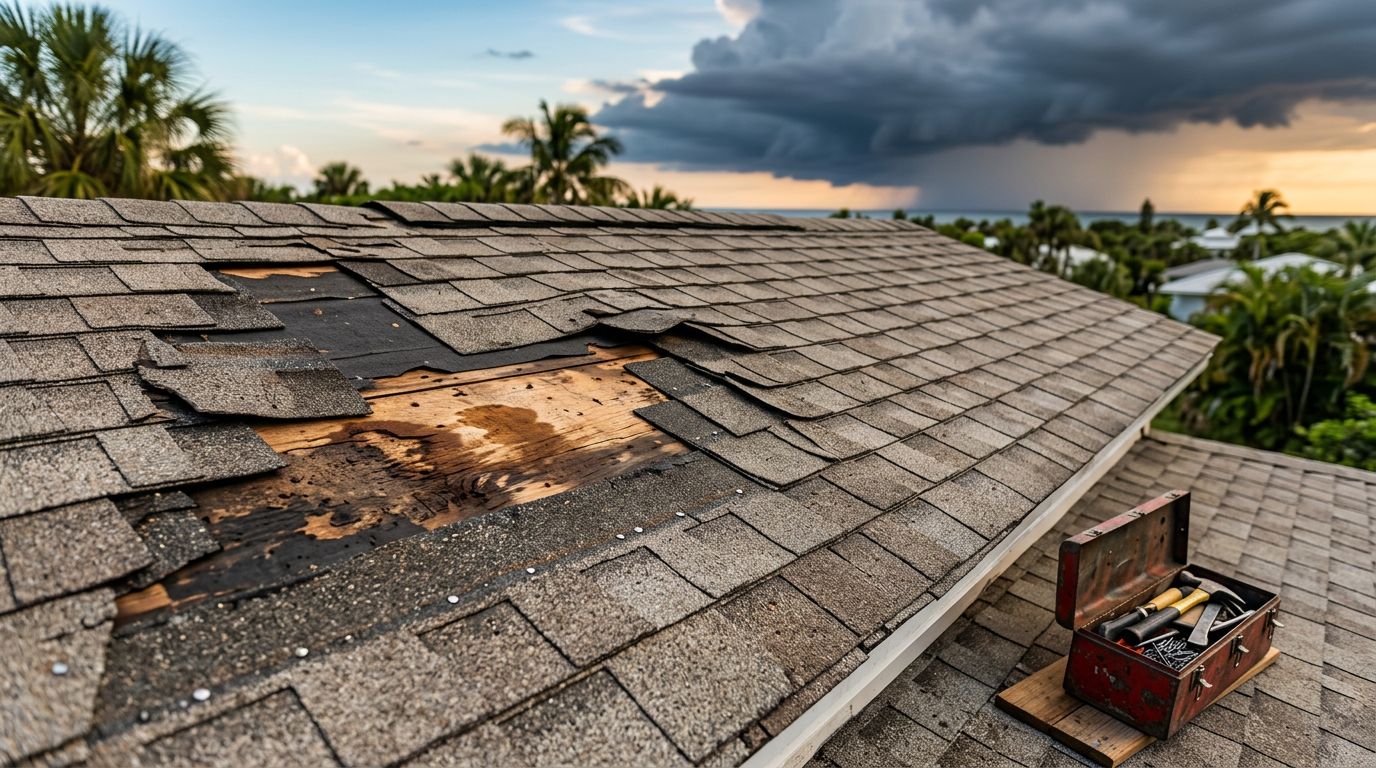
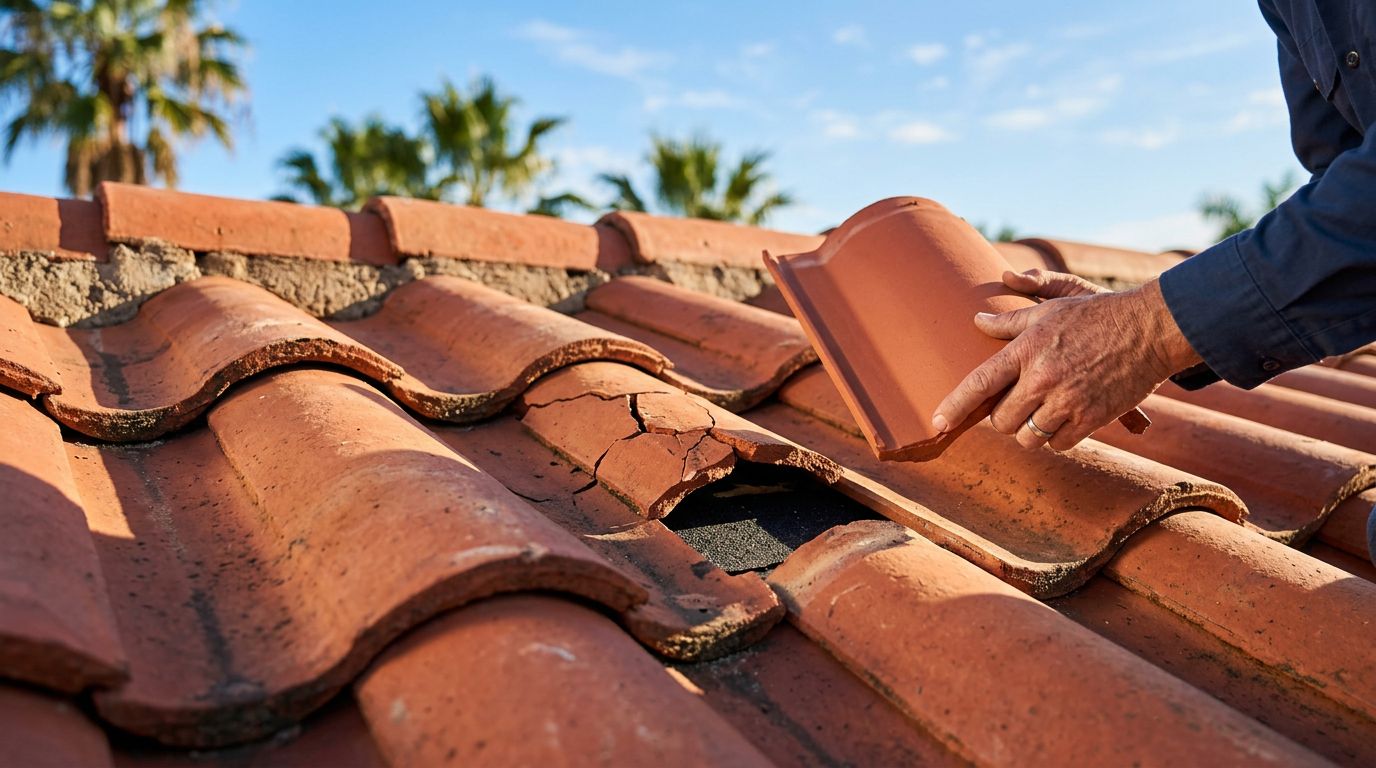
That wording matters. If the roof shows active leaks, soft decking, failed underlayment, widespread shingle wear, broken tiles, rust, or other clear problems, the insurer can still act based on condition.
This quick comparison helps sort law from myth:
| Topic | Binding Florida rule | Common misunderstanding |
|---|---|---|
| Roof under 15 years | No age-only denial | "15 years means automatic replacement" |
| Roof 15+ years | Inspection can keep eligibility | "Old roof always means nonrenewal" |
| Maximum roof age | No single statewide cap | "Florida bans any roof over 20 years" |
Florida law sets a floor of protection, not a promise that every older roof will fit every insurer's rules.
As of March 2026, this is still the working rule homeowners should rely on. Later 2026 legislation may reinforce these protections, but your current policy notice and inspection request are what matter right now.
Where insurer rules get stricter in real life
This is where confusion starts. State law and insurer underwriting are not the same thing.
The Florida Office of Insurance Regulation oversees carriers and policy forms. Still, each insurer can set its own underwriting rules within the law. So, one company may accept a 17-year-old shingle roof with a clean inspection, while another may be far more cautious.
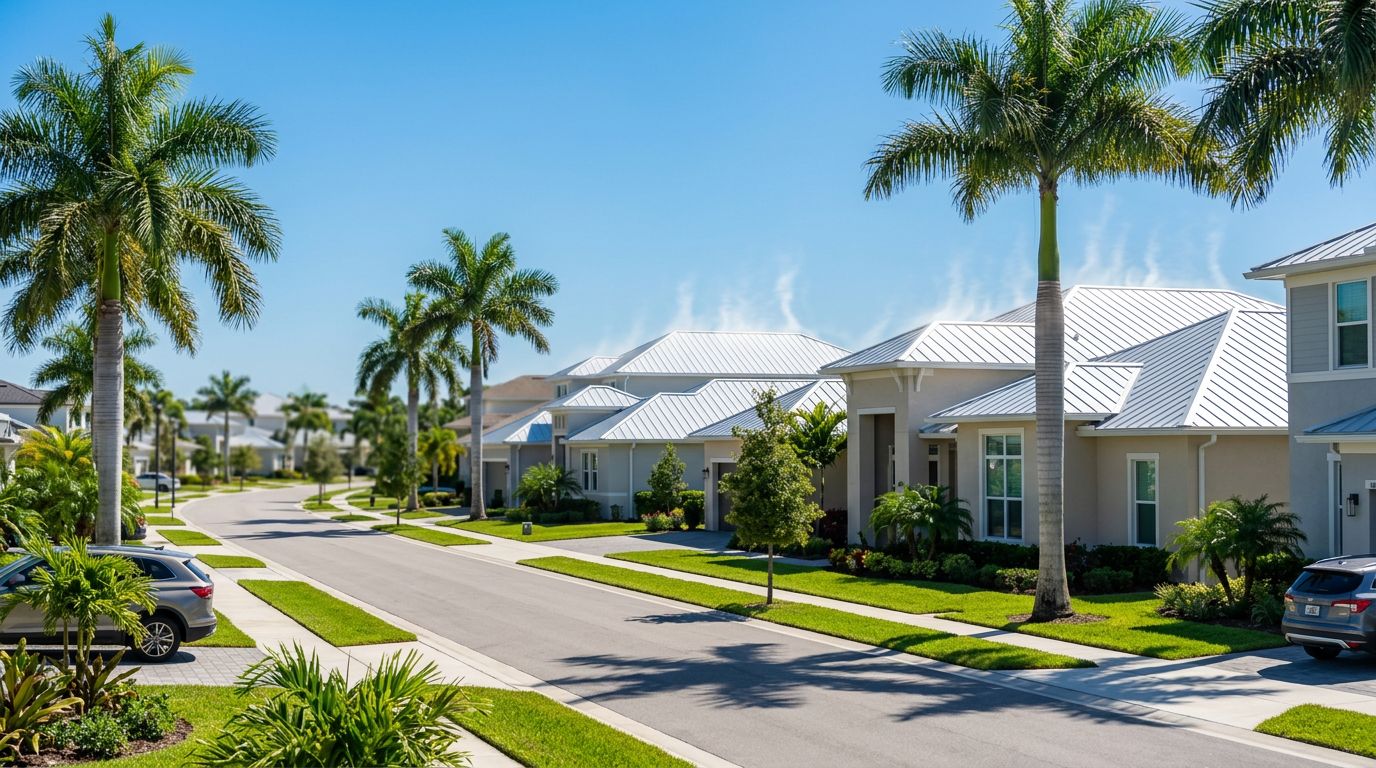
Many private carriers use tighter age windows for new business, often around 10 to 20 years for shingle roofs. Metal and tile roofs may get more flexibility. Flat roofs usually get stricter review because ponding water and membrane wear can raise risk faster. Citizens also uses its own underwriting benchmarks, which homeowners often mistake for statewide law.
Renewals can bring new demands, too. A carrier may ask for a roof certification, a 4-point inspection, updated photos, or proof of repairs. That doesn't mean Florida suddenly changed the law. It usually means the insurer is applying its own risk standards.
Claims are separate, too. A roof may be insurable today and still face trouble later. That happens when damage looks like wear and tear, not a sudden storm loss. If you want that issue explained in plain English, this guide on common insurance denial reasons for roofs helps show the difference.
This is general information, not legal advice. Your policy language and insurer notice control the next step.
Why condition matters more than the roof's birthday
Think of roof age like a car's odometer. It tells part of the story, but it doesn't tell you how the tires and brakes look today.
Insurance works much the same way. Once a roof is 15 years or older, the inspection often becomes the key document. The carrier wants to know whether the roof still sheds water, whether flashing is sound, and whether the system has real life left.
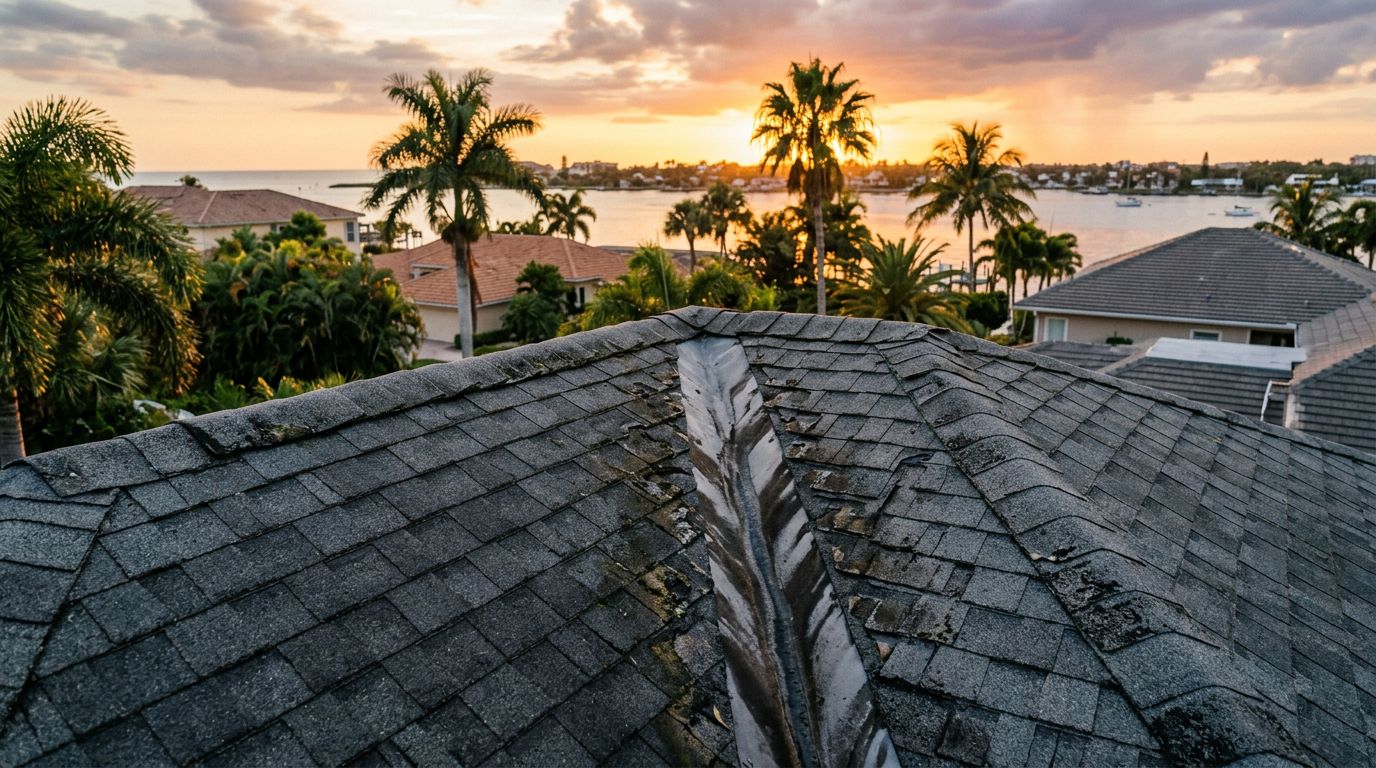
Inspectors often look for curled shingles, cracked tiles, exposed fasteners, and ponding on flat roofs. They also check failing sealant, weak repairs, moisture below the surface, and signs that the roof covering is near the end of its service life.
A 12-year-old shingle roof with no leaks and no visible wear shouldn't be denied for age alone.
A 17-year-old tile roof may still qualify if the inspection shows five or more years of remaining useful life.
A 16-year-old flat roof with seam failure and ponding may trigger repair demands. The issue is condition, not just age.
That's why a quick glance from the driveway doesn't tell the full story. Roof age alone is only half the picture. If your insurer sends a roof letter, get a professional inspection and clear photo documentation before assuming the whole roof is done. If repairs are still possible, this article on when to replace vs repair your roof can help you weigh the options.
Smart steps before renewal, purchase, or replacement
If you own a home with an older roof, paperwork matters. Save permits, invoices, warranty papers, and past inspection reports. Those records can support remaining useful life and show the roof wasn't ignored.
If you're buying a house, ask for the roof age, material type, last repair date, and permit history. An older roof isn't automatically uninsurable in Florida. An undocumented roof, however, is much harder to place.
When a renewal notice arrives, ask one simple question first: is this a Florida legal issue, or this carrier's underwriting rule? That one distinction can save you a lot of confusion. Then ask what document would satisfy the carrier, a licensed roof certification, a 4-point inspection, a repair invoice, or full replacement.
Also check your deductible before you assume a future storm claim will solve the problem. In Florida, that math can surprise homeowners fast. This breakdown of how hurricane deductibles affect Florida roofs is worth reviewing before storm season.
Florida homeowners don't need to panic every time a roof hits 15 years. The big point for 2026 is simple: age alone doesn't tell the whole story.
Condition, inspection results, and insurer rules still drive the final answer. If your roof is getting close to an insurer threshold, schedule an inspection now and get the facts before a rushed replacement becomes your only option.