Best Time of Year for Roof Replacement in Cape Coral

Best Time of Year for Roof Replacement in Cape Coral

Waiting until summer to replace your roof in Cape Coral is a bit like buying sandbags after the street starts to flood. You can still do it, but the job gets harder, slower, and riskier.

If you're planning roof replacement in Cape Coral , the best window is usually late fall through early spring. That stretch gives you drier weather, fewer storm threats, and a better shot at a smooth project. The details matter, though, because timing also affects cost, permits, and how ready your home is before hurricane season.

Why late fall through early spring is usually the best window

For most Cape Coral homeowners, November through April is the strongest time to schedule a full roof replacement. In many cases, March and early spring hit the sweet spot. Temperatures are milder, humidity is lower, and rain is less frequent than in summer.

That weather matters more than many people think. Roofing crews can work faster when they aren't stopping for afternoon downpours. Materials also go on under steadier conditions. As a result, the project often stays cleaner and more predictable.

In Southwest Florida, winter months often bring around 1 to 2 inches of rain per month. By summer, that pattern shifts sharply, with many months seeing 7 to 9 inches. Cape Coral homeowners know what that looks like in real life, clear mornings, then dark clouds and hard rain by midafternoon.

Florida's hurricane season officially runs from June 1 through November 30 . So if your current roof is aging out, replacing it before June gives you a stronger position heading into storm season.

The best time to replace a roof in Cape Coral is usually before the summer weather starts choosing your schedule for you .

That doesn't mean every job outside the dry season is a bad idea. Roof replacements happen year-round in Florida. Still, a planned project is different from an urgent one. If you have the option to choose your timing, dry-season planning usually gives you more control.

How timing affects cost, speed, and the chance of delays

A roof replacement isn't only about weather. Timing also shapes how long the job takes, how many delays you deal with, and how competitive the schedule feels.

Here's the quick comparison:

Time of year What works in your favor Main drawback
Nov to Jan Dry weather, decent scheduling Holiday timing can slow decisions
Feb to Apr Best balance of weather and storm prep High demand, book early
May Last call before storm season Rain and heat begin rising
Jun to Oct Some crews may have openings Storms, delays, tarp risk, heat

The table points to a simple takeaway: February through April is often the best balance, but it books fast.

Dry-season projects often move quicker because crews lose fewer days to rain. Many standard replacements can be completed in a few days when the weather cooperates, although roof size, material, and inspection timing still affect the final schedule. Summer work can drag out because a one-day stop often becomes several days once rain, moisture checks, and re-scheduling stack up.

Cost works the same way. You may not always see the lowest quoted price during peak dry months because demand is high. However, a planned winter or spring project can still cost less overall than a summer emergency. Delays, temporary protection, and storm risk can quietly add expense.

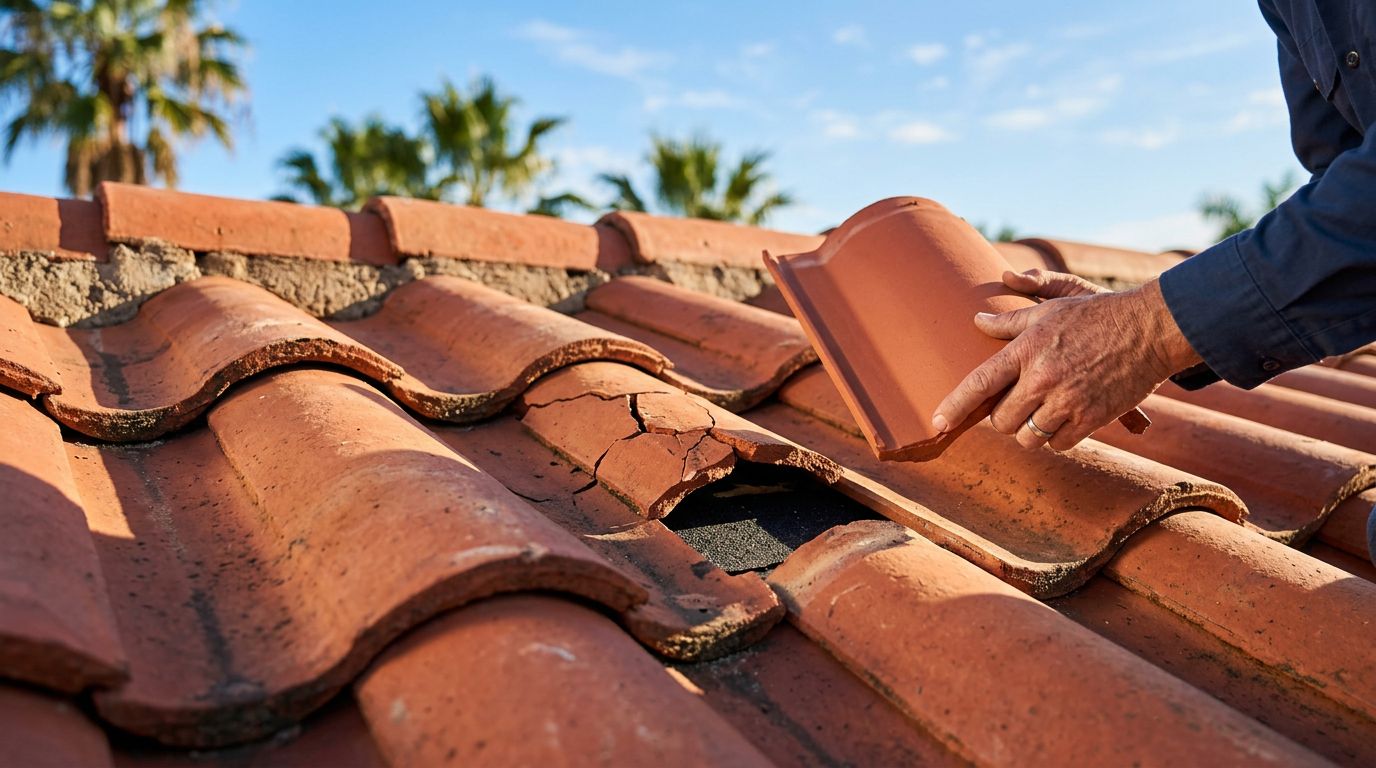
Material choice also plays a role. Shingle projects often move faster than tile, while tile replacements may need more planning because of weight, staging, and inspection steps. If you're comparing options, this guide to new shingle roof cost in Cape Coral gives helpful context on what affects pricing without locking you into a rough guess.

Because dry-season calendars fill quickly, don't wait until April to start calling. In Cape Coral, many homeowners get the best result by booking an inspection one to two months ahead of the date they want.

Permits, insurance, and storm readiness can change your ideal timeline

Even the best weather window won't help if paperwork or insurance steps slow the job down. In Cape Coral, a full roof replacement usually requires a permit, and that should be part of your timing plan from day one.

Permit review and inspection timing can add days or weeks, depending on the project and local demand. That's one reason experienced homeowners start the process earlier than they think they need to. If you want spring installation, winter planning is smart. This article on roof replacement permits in Cape Coral explains what to expect.

Insurance can also affect your schedule, especially after wind or storm damage. If you're replacing the roof because of a covered event, document the damage before tear-off starts. Take photos. Save inspection notes. Ask your contractor how the claim process fits with the work plan. Most policies don't cover normal age and wear, so timing matters if storm damage is part of the reason for replacement.

A permitted, code-compliant roof also helps later. It can matter during resale, future inspections, and any insurance questions that come up after the job is done.

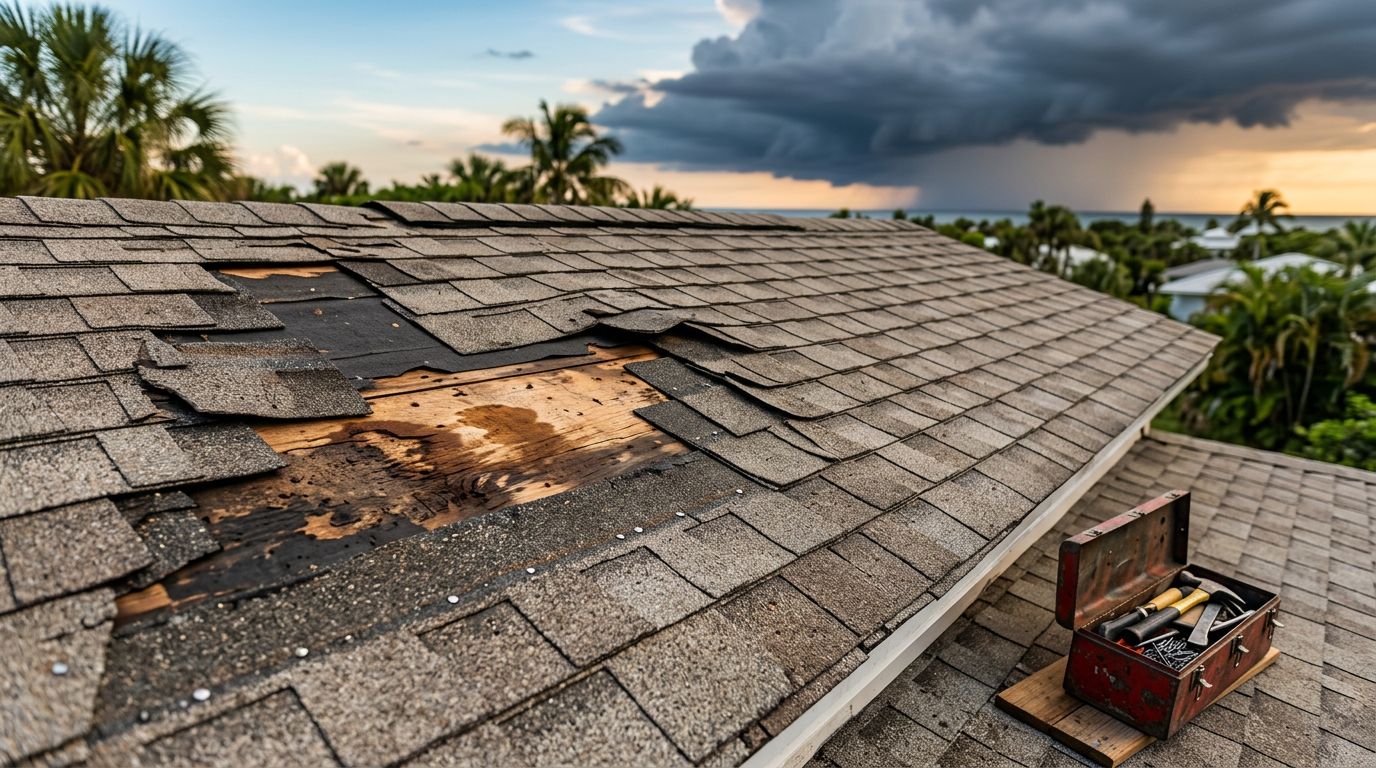
Then there's storm readiness. Replacing a worn roof before June gives your home a better shot when heavy rain and tropical weather arrive. That benefit is hard to overstate in Cape Coral, where one bad system can test every weak spot at once. Gutters, flashing, underlayment, and fasteners all matter more when wind-driven rain shows up sideways.

If you want a clearer picture of the full schedule, from inspection to final cleanup, this step-by-step guide to roof replacement in Cape Coral is a useful next read.

The smartest time is before your roof forces the decision

For most homeowners, the best time of year for roof replacement in Cape Coral is late fall through early spring , with March often standing out as the best mix of weather, speed, and pre-storm protection.

If your roof is already near the end of its life, don't wait for summer to make the call for you. A well-timed inspection now can help you lock in a better schedule, avoid weather delays, and head into hurricane season with far less stress.

By Infinity Roofing March 29, 2026
A roof can become an insurance problem before it becomes a leak. That's why many homeowners start searching for florida roof age insurance answers the moment a renewal letter lands in the mailbox. As of March 2026, the short answer is reassuring. Florida law gives homeowners r...
By Infinity Roofing March 28, 2026
A tile roof can look solid from the street and still be letting water in. That's because the tile itself usually sheds water, but it isn't the main waterproof barrier. In Florida, the real underlayment beneath the tile does that job. Sun, heat, humidity, salt air, and storm ex...
By Infinity Roofing March 27, 2026
A roof replacement can feel like a stopwatch you can't see. In Cape Coral, most homeowners should plan on about 3 to 4 weeks total from signed contract to final sign-off, while the visible work on the roof usually lasts only 1 to 10 days . That gap catches people off guard. Th...
By Infinity Roofing March 26, 2026
Thinking about saving money by laying new shingles over old ones? In Florida, the short answer is yes, sometimes , but it's often not the best move. A roof overlay florida homeowners ask about can be allowed in limited cases. Still, the real answer depends on current Florida c...