Solar Panel Removal During Roof Replacement In Cape Coral

A roof replacement gets harder when your power system is bolted to it. If your home already has solar, solar panel removal needs the same attention as the new roof itself.
In Cape Coral, heat, salt air, and storm season don't leave much room for sloppy work. The right plan protects your roof deck, keeps the array working, and helps you avoid warranty problems later. Start with the process, because timing drives everything.
Why solar panel removal can't be treated like a side job
Your roof and solar system share the same surface, but they do different jobs. One sheds water. The other makes power. During replacement, both systems need their own qualified crew.
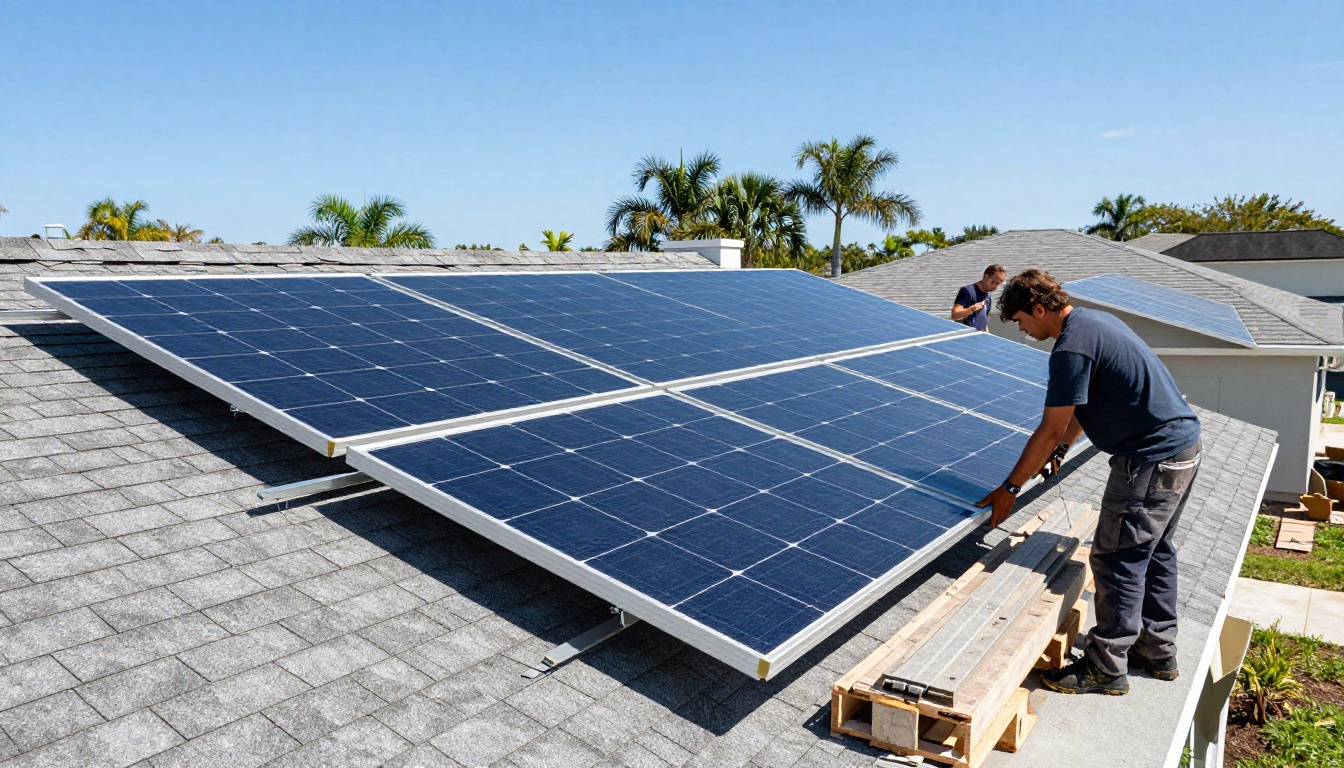
In most cases, the solar array should come off before tear-off begins. That includes panels, rails, attachments, flashing, and roof penetrations tied to the system. A careful crew labels parts, takes photos, and stores equipment so reinstallation goes back in the right spots.
If a contractor says they'll roof around the panels on a full replacement, slow down. That's usually a red flag.
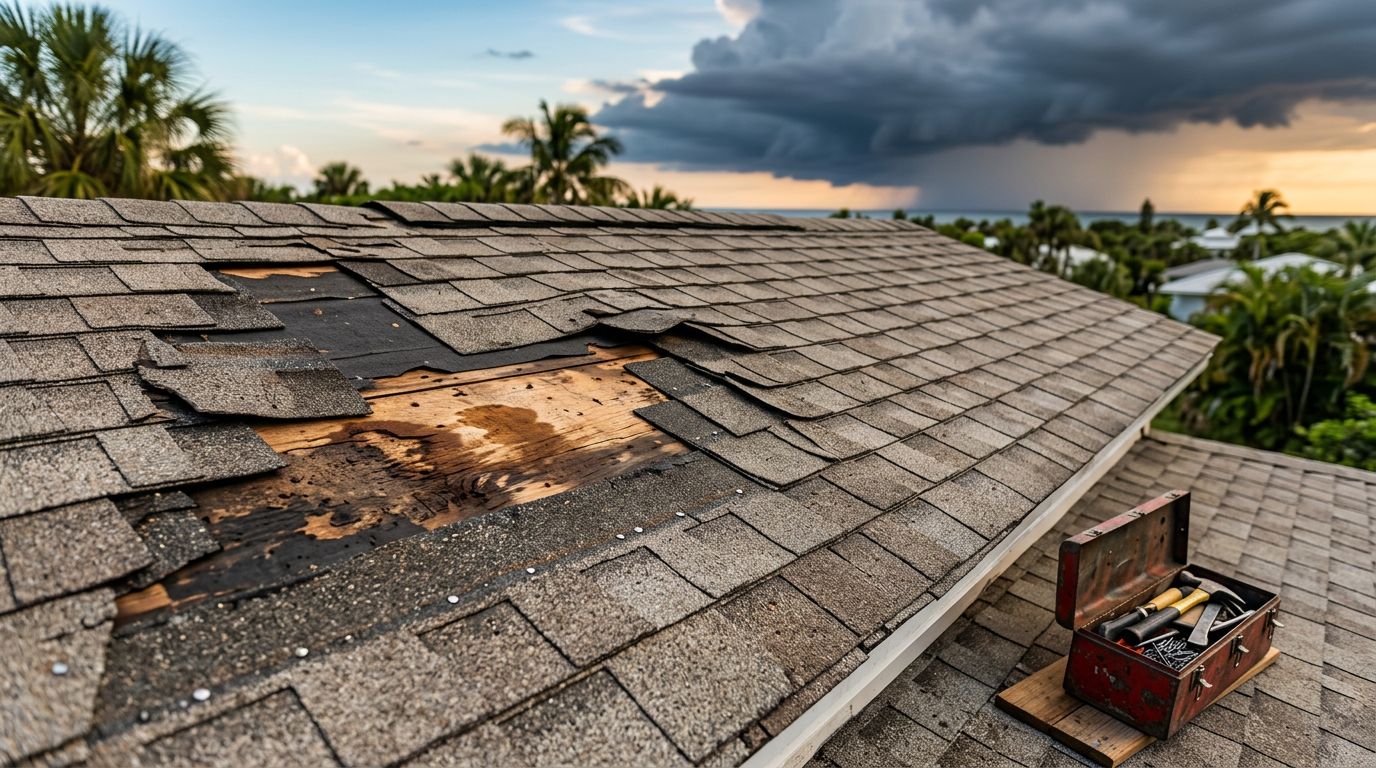
Why so much caution? Because hidden damage often shows up only after the roof is open. Deck rot, wet underlayment, or failed flashing can change where the array should attach. If the solar crew rushes back before the roof is ready, you can end up with bad penetrations, mismatched hardware, or strained wiring.
Warranties matter too. Panel and inverter coverage varies by brand, while workmanship terms depend on the installer. A panel warranty may stay in place, but roof and solar labor coverage can get messy if an unqualified crew disconnects or resets the system. Ask whether the original installer needs to approve the work, and get that answer in writing.
It also helps to understand the full Cape Coral roof replacement process before scheduling solar removal. Once you see how tear-off, dry-in, deck repairs, and final roofing fit together, the solar timeline makes much more sense.
What solar panel removal usually costs in 2026
For Cape Coral homeowners, the biggest surprise is often the extra solar bill on top of the roofing quote. As of 2026, removal and reinstallation commonly runs from about $3,000 to $10,000 or more , depending on system size and roof complexity.
This quick chart gives a realistic starting point:
| System size | Typical combined removal and reinstall cost |
|---|---|
| 3 to 6 kW | $3,000 to $5,000 |
| 7 to 10 kW | $5,000 to $8,000 |
| 10+ kW | $8,000 to $12,000+ |
Some contractors also price the work per panel. A common baseline is $275 to $300 per panel for the full take-down and reinstall.
Still, those numbers don't tell the whole story. Costs rise when the roof is steep, the array is large, the home has tile, or access is tight. Older mounts, worn wiring, critter damage, and failed penetrations can also add labor. In addition, many quotes don't include electrical disconnect and reconnect fees, permit costs, or repairs found once the rails come off.
Doing the roof and solar work in one project window also saves money later. You avoid paying to remove a working system twice. That's why homeowners with aging roofs usually want both scopes planned together, not months apart.
The safest move is simple. Ask for one written line item for removal, one for storage, one for reinstall, and one for electrical or permit work. That makes change orders easier to spot before the bill grows.
Scheduling, permits, and inspections in Cape Coral
Good timing saves money and stress. Bad timing leaves your roof open, your panels stacked in a garage, and your project waiting on paperwork.
Most jobs follow the same order. First, the solar contractor shuts down and removes the array. Next, the roofer tears off the old roof and repairs the deck if needed. After that, the new roof goes on and reaches the right inspection point. Only then should the solar crew come back to reinstall the system.
In Cape Coral, don't assume the roofing permit covers the solar work. Many projects need roof permitting plus electrical or solar-related approval, especially when the system is disconnected and put back into service. Your contractor should explain who pulls each permit, who schedules inspections, and what has to pass before the system turns back on. This guide to roof replacement permit requirements in Cape Coral is a solid place to start.
On some systems, the array can't be re-energized until the right inspection step is complete. Keep copies of the permit card, inspection results, and updated array layout. Those papers help with resale, service calls, and insurance questions.
Code details matter more in Southwest Florida because wind and water test every weak spot. Attachment methods, flashing, underlayment, and product approvals can affect both the roof and the solar racking. For a local overview, review the 2026 code changes for Cape Coral re-roofs before signing a contract.
If you have scheduling flexibility, spring and late fall often feel less risky than peak storm season. Even then, leave room for surprises. Hidden deck damage, permit corrections, and inspection backlogs can push the solar reinstall by several days.
What to ask before you hire a contractor
A smooth project starts with plain questions. You don't need a technical background. You need clear answers.
Ask for these details before work begins:
- Who removes and reinstalls the solar panels, and are they licensed and insured for that work in Florida?
- Will the same company manage the roof and solar schedule, or will two crews coordinate it?
- Who pulls the roof permit, and who pulls any electrical or solar permit?
- What testing is included after reinstallation, such as production checks, inverter checks, and leak review at mounting points?
- How will parts be labeled, stored, and protected while the roof is being replaced?
- What happens if the crew finds damaged mounts, rotten decking, or outdated attachments after removal?
- Will the work affect any roof, solar, or workmanship warranty, and can that be shown in writing?
Listen for clarity. A good contractor won't dodge these questions or answer with vague promises. They should talk in steps, not guesswork.
If your original solar installer is still in business, call them too. They may have plans, equipment records, or warranty notes that speed up the reinstall and prevent wrong hardware.
Also, make sure the contract matches the conversation. If the quote says only "solar R&R," that's too thin. You want the scope, timeline, exclusions, permit responsibility, payment schedule, and change-order process spelled out before anyone touches the roof.
Your roof is the platform for the solar array. Treating those jobs like separate worlds is how homeowners end up paying twice.
A well-planned solar panel removal job protects your new roof, keeps the system performing, and cuts down on ugly surprises after install.
Before you sign, ask for one schedule, one scope, and one clear answer on permits and warranties. If you're planning a Cape Coral roof replacement soon, get the roofer and solar contractor talking before the first permit is filed.