
Roof Valley Leaks in Cape Coral: Causes and Repairs

Roof Valley Leaks in Cape Coral: Causes and Repairs

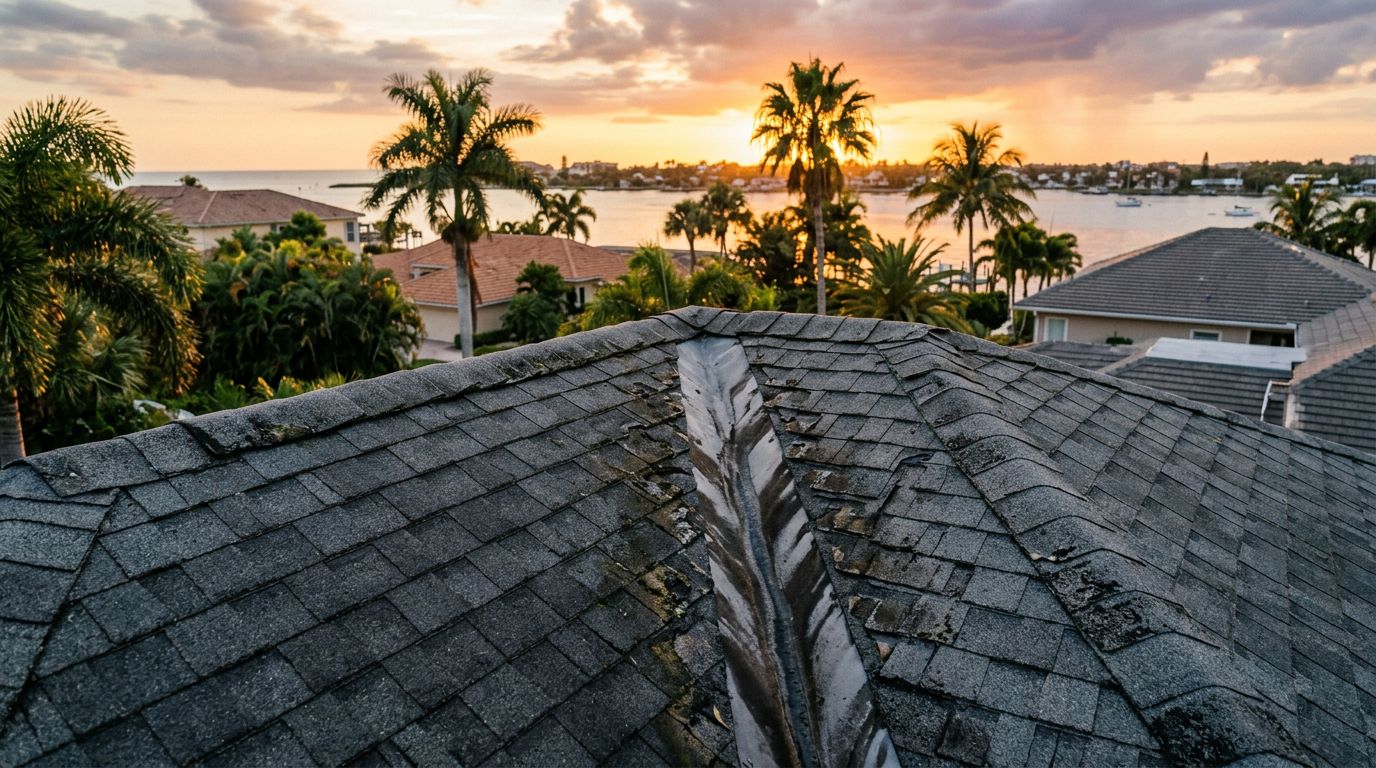
One small leak in a roof valley can turn into a big mess fast, especially in Cape Coral. Valleys carry a lot of rainwater, so when they fail, water often finds the easiest path into your home.

Heavy downpours, hurricane winds, and year-round humidity put extra pressure on this part of the roof. Add salt air and aging materials, and the risk climbs even more. The good news is that most valley problems have clear causes, and a roofer can fix them before the damage spreads.

Why Cape Coral roof valleys leak faster

Roof valleys are the channels where two roof slopes meet. They handle more water than most other parts of the roof, so they wear out faster when storms keep rolling through.

In Cape Coral, that pressure gets worse during long rain spells and wind-driven storms. Water doesn't always fall straight down. It can blow sideways, push under lifted shingles, and overload weak spots around the valley.

Humidity is another problem. It keeps materials damp longer, which speeds up wear on underlayment, sealants, and flashing. Salt air adds its own strain, especially on metal parts that are already exposed to water and heat.

Sun also matters. Florida roofs expand and contract every day. Over time, that movement can loosen fasteners, split sealant, and open tiny gaps near the valley. Those gaps may seem minor at first, but they can send water into the roof deck.

Older roofs face the highest risk. Even if the shingles or tiles look fine from the ground, the valley materials underneath may already be tired. That is why roof valley leaks often show up after a storm, not before it.

Common causes behind roof valley leaks

Valley leaks usually come from a small failure that gets worse under heavy rain. The leak may start at the surface, but the real problem is often below it.

Some of the most common causes include:

  • Damaged shingles or tiles : Cracks, slips, or missing pieces leave the valley exposed.
  • Worn flashing : Metal flashing can rust, lift, bend, or separate at the seams.
  • Thin underlayment : The layer beneath the roof covering may break down with age or poor installation.
  • Debris buildup : Leaves, sticks, and granules can block water flow and trap moisture.
  • Poor installation : Valleys need the right slope, overlap, and materials. A weak install often fails early.

A roof can also leak at the valley after a previous patch failed. Quick fixes sometimes cover the symptom without solving the real issue. That is why a roof may keep leaking in the same spot after every strong storm.

Tile roofs have their own risks. If the valley lining underneath the tile is worn, water can move through the system without any obvious surface damage. Shingle roofs can fail in a different way, especially when lifted edges let rain blow under the tabs.

A stain below the valley is a clue, not proof. Water often travels before it drips.

That makes the source harder to spot. A ceiling spot may appear in one room, while the leak started several feet away.

How roof valley leaks show up inside and outside

Some signs are easy to miss until the rain gets heavy. Others show up after one hard storm and keep getting worse.

Inside the home, look for ceiling stains, bubbling paint, damp drywall, or a musty smell. You may also see discoloration near the top of a wall or in an attic space. If insulation feels wet, the leak has likely been active for a while.

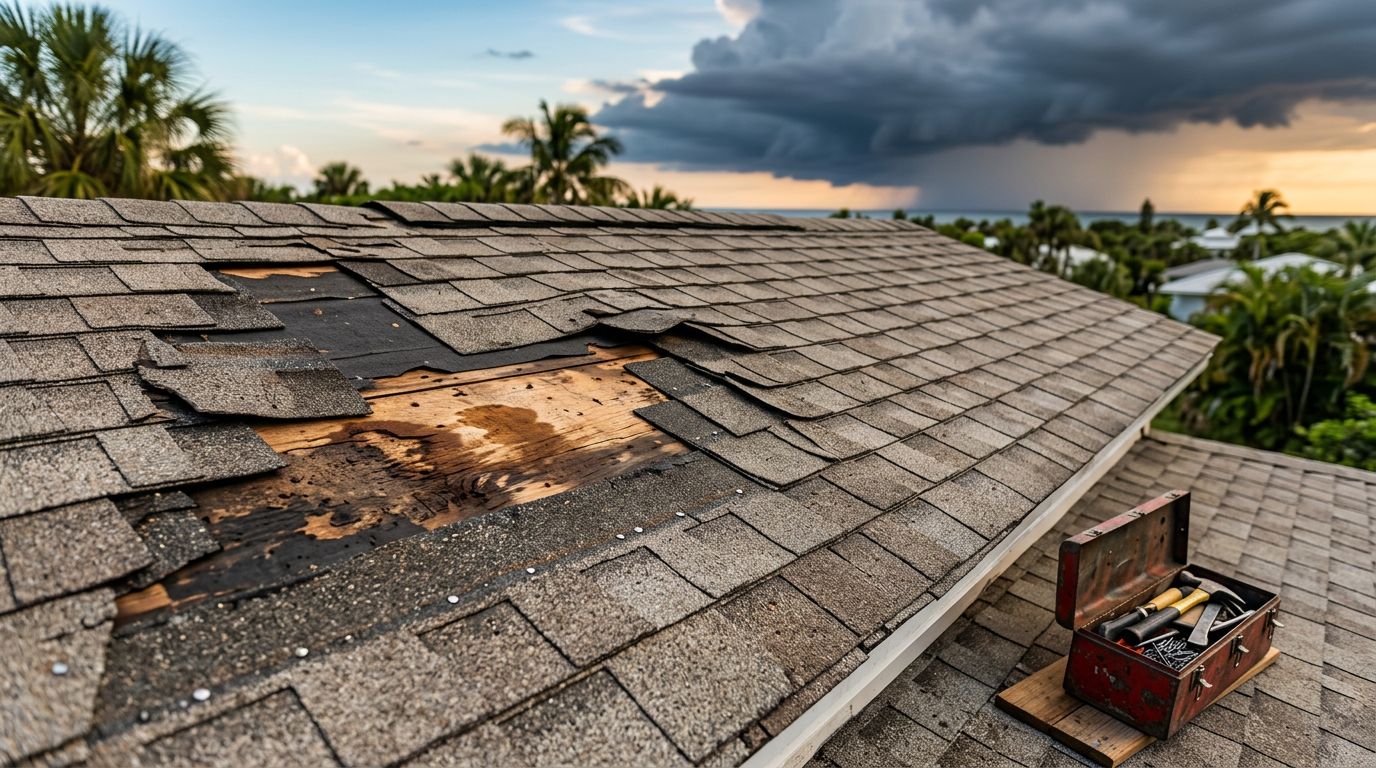
Outside, the clues can be subtle. You might notice lifted shingle edges, cracked tiles near the valley, rust on flashing, or dark streaks where water keeps moving the same way. Debris stuck in the valley is another warning sign, especially after windy weather.

After a hurricane or a strong afternoon storm, many homeowners notice problems only when the next rain arrives. That delay happens because some leaks need time to work through the roof layers. In other words, the roof may look calm while the damage is still growing underneath.

If you see water stains but cannot find a clear opening, do not assume the leak is small. Valleys can move water in strange directions. A single weak point can affect a wider area than you expect.

What roof repair usually looks like

A proper valley repair starts with a full inspection. A roofer checks the valley itself, the roof sections around it, and the attic if needed. That matters because water can enter in one place and show up somewhere else.

Once the problem is found, the repair usually includes removing damaged roofing materials, replacing worn underlayment, and fixing or replacing flashing. On some roofs, the roofer may need to reset shingles or tiles so they sit flat and direct water correctly. If the valley metal is corroded or bent, it gets replaced instead of patched again.

A good repair also includes clearing debris and checking nearby fasteners, sealant, and roof edges. That helps stop the same leak from coming back in the next storm. If more than one section is worn out, the roofer may recommend a larger repair area so the valley has a solid base.

If the damage has spread, a licensed crew that handles professional roof repair in Cape Coral can handle the valley and the surrounding area in one visit. That matters because piecemeal fixes often miss the root problem.

The right repair depends on the roof system. Metal, shingle, and tile roofs all need different materials and methods. A patch that works on one roof can fail fast on another. That is why a local roofer should match the repair to the roof you already have.

When to call a roofer after a storm

Some roof issues can wait a day or two. A leaking valley should not.

Call a roofer when:

  • water stains keep growing after rain
  • you see cracked, loose, or missing roofing material near the valley
  • the roof started leaking after a hurricane or windstorm
  • debris is packed into the valley and water is backing up
  • you smell mildew or notice damp insulation in the attic

Storm damage brings insurance concerns too. Most policies expect homeowners to report damage quickly and keep clear records. Photos from the ground, repair invoices, and inspection notes can help if you file a claim. A roofer can also document the damage and explain whether the issue looks like storm damage, wear, or both.

That distinction matters. Insurance companies often want to know whether wind or rain opened the roof, or whether the leak came from age and neglect. A detailed inspection gives you a better picture before you speak with an adjuster.

You should also skip any roof work that puts you at risk. Wet roofs are slippery, and valley areas are easy to misstep on. A safe inspection from the ground or attic is fine. Climbing onto a steep or damaged roof is not worth it.

Conclusion

Roof valley leaks are common in Cape Coral because valleys carry so much water and take so much weather abuse. Heavy rain, humidity, hurricane winds, and salt air all make weak spots fail faster.

The best repairs focus on the real cause, not just the stain inside the house. When the valley is fixed the right way, the roof sheds water as it should, and the damage stops growing. A timely roof repair can save you from bigger problems with drywall, insulation, and mold later on.

By Infinity Roofing May 10, 2026
A Florida roof claim can look simple until the estimate, deductible, and policy language land on the same table. A repair that feels expensive may still be cheaper than filing a claim, while a bigger storm loss can be a poor time to guess. In Florida, the right choice depends...
By Infinity Roofing May 9, 2026
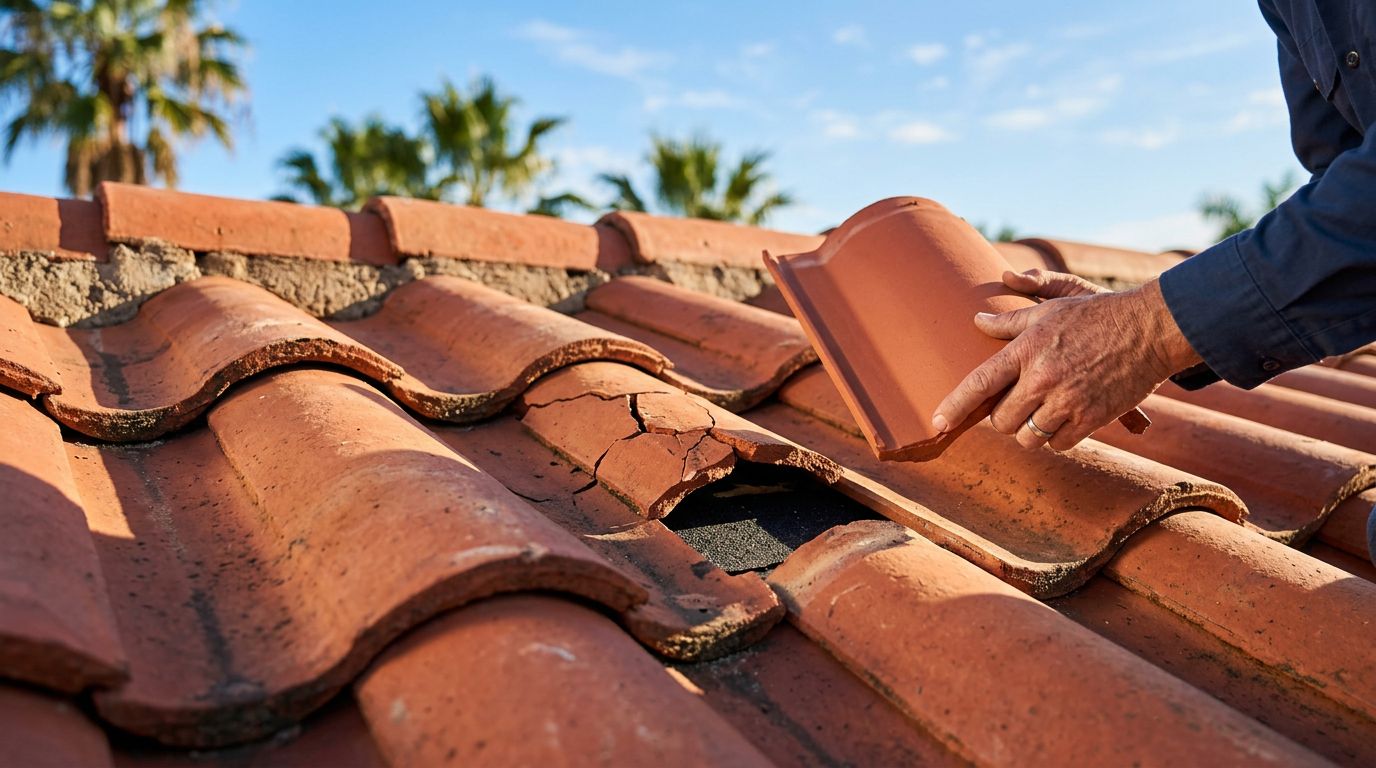
A cracked tile on a Florida roof can look small from the ground, but it can open the door to leaks fast. Wind-driven rain, heat, and salt air put extra stress on tile roofs, so even one damaged piece deserves a close look. Yes, broken roof tiles in Florida can often be replace...
By Infinity Roofing May 8, 2026
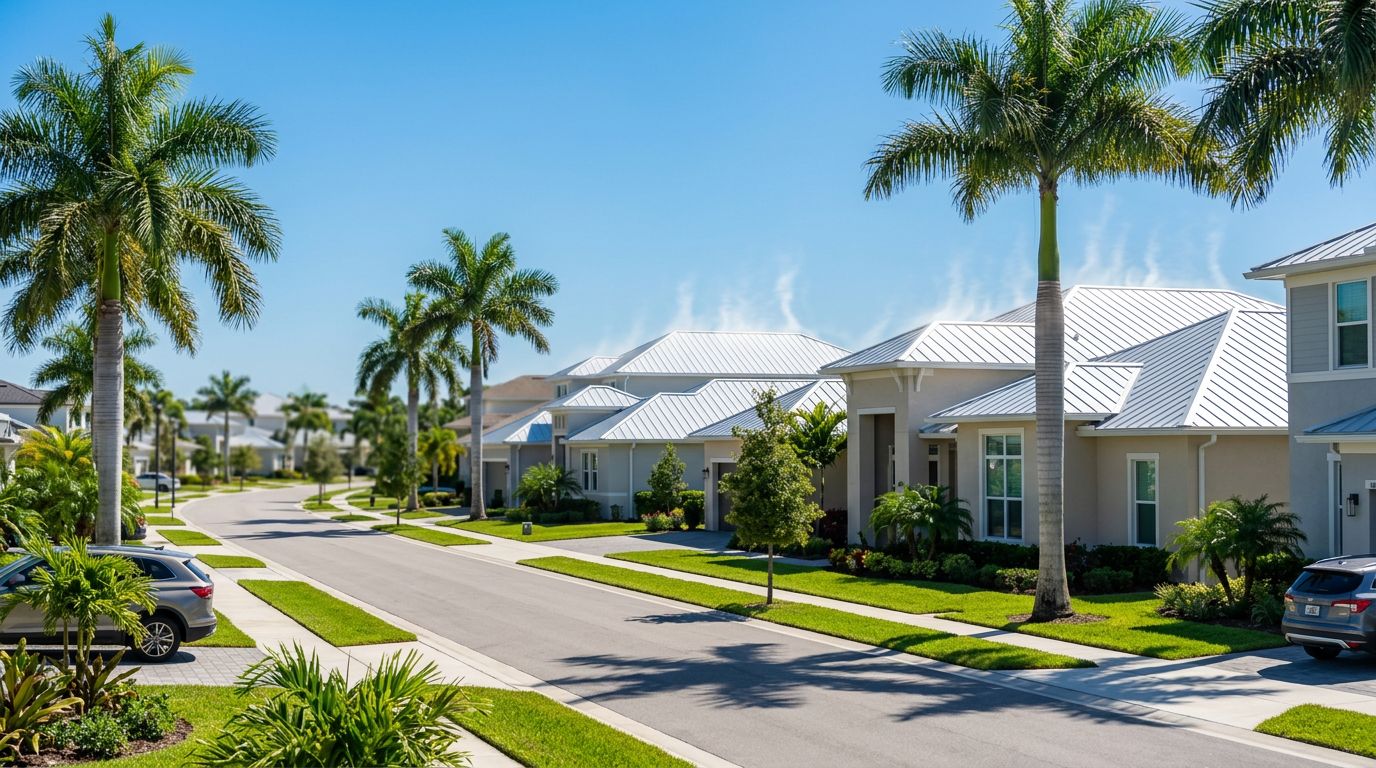
A hot roof can make a home feel hotter, so it's fair to wonder if metal is part of the problem. In Florida, that concern comes up a lot, but the answer is clearer than most people think. Metal roofs do not inherently make homes hotter , and in many cases they help reduce heat...

By Infinity Roofing May 7, 2026
If you're sorting out a roofer deposit in Florida , the safest answer is simple: keep the first payment around 10% or less when you can. Many solid roofers ask for a modest deposit, then collect the rest in stages after permits, materials, and real progress are in place. Bigge...