Broken Roof Tiles in Florida: Can You Replace Them One by One?

Broken Roof Tiles in Florida: Can You Replace Them One by One?

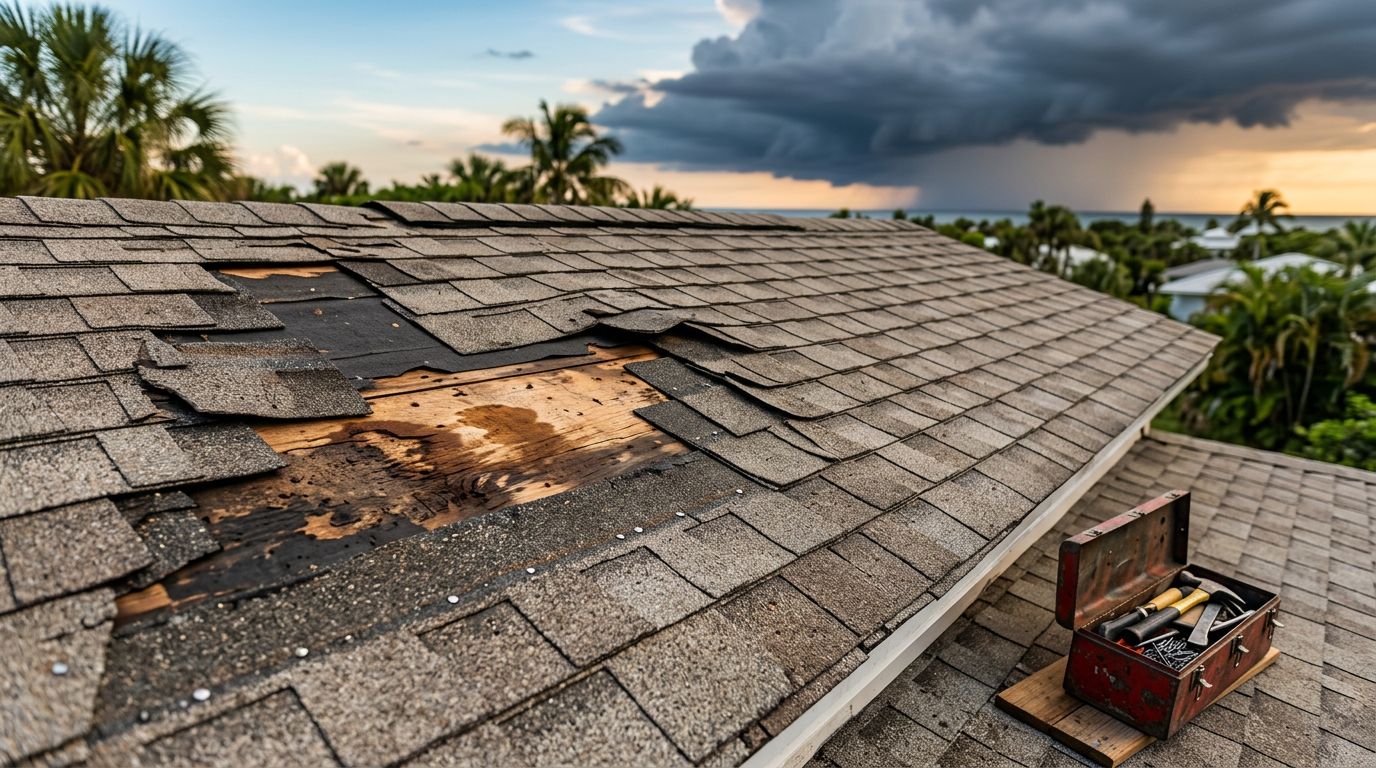
A cracked tile on a Florida roof can look small from the ground, but it can open the door to leaks fast. Wind-driven rain, heat, and salt air put extra stress on tile roofs, so even one damaged piece deserves a close look.

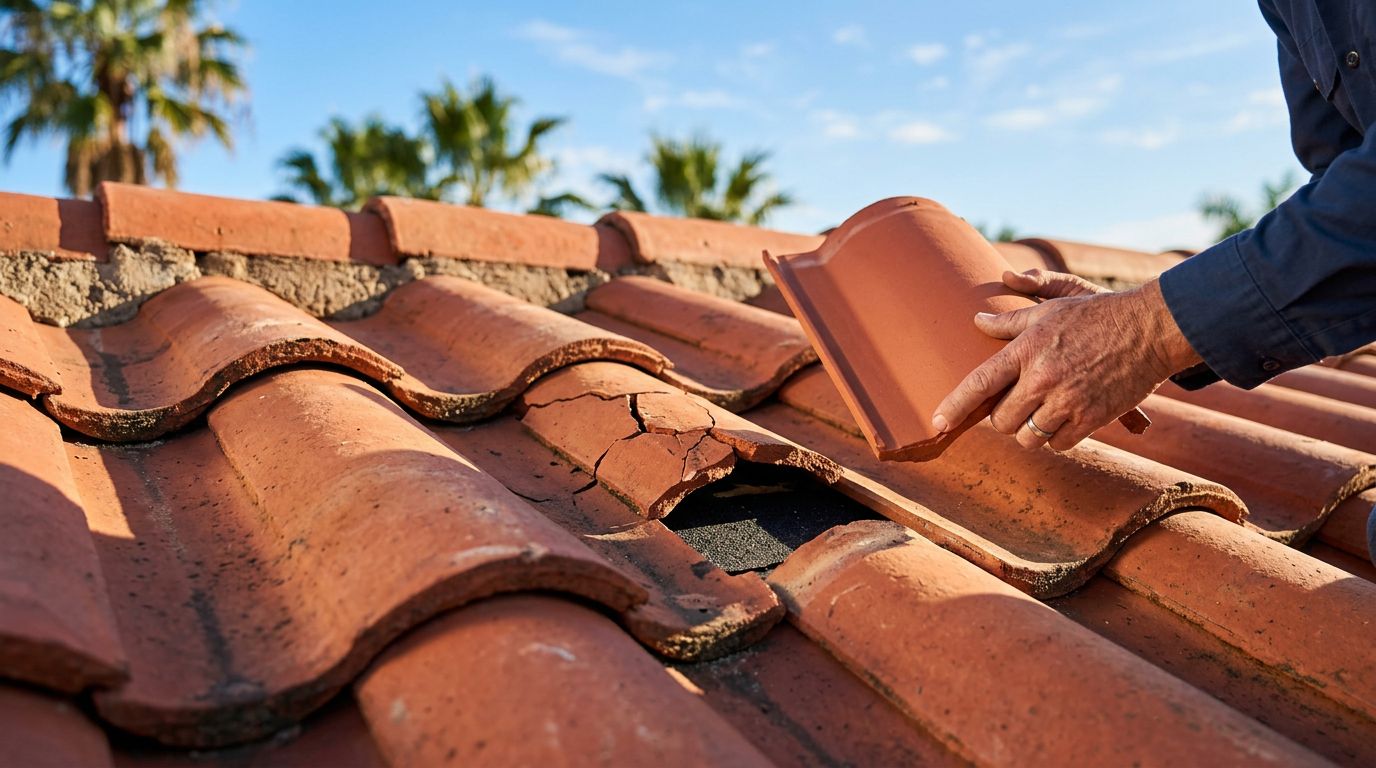
Yes, broken roof tiles in Florida can often be replaced one at a time. The real question is whether the rest of the roof is still in good shape, whether the tiles can be matched, and whether the damage stays local.

That's why the answer changes from house to house. Sometimes you need one careful repair. Other times, the broken tile is only the first clue.

When a single tile replacement makes sense

A single-tile repair works best when the damage is limited. If one tile cracked from foot traffic, a small branch, or a storm impact, a roofer can often swap it out without touching much else.

That is common on concrete and clay roofs across Southwest Florida. These roofs are built to last, but the tiles themselves can still break. If the underlayment below the tile is dry and intact, a repair is often straightforward. The same is true when only a few tiles are damaged in one small area.

A clean tile swap fixes the visible problem. If the layer below is failing, the roof needs more than a new tile.

A good way to think about it is this: the tile is the roof's outer shell. If the shell is cracked, but the structure underneath is sound, replacement makes sense. If the shell and the hidden layer both have problems, the fix gets bigger.

If you want a deeper look at that decision, this tile roof repair vs. replacement in Cape Coral guide breaks it down well.

What has to be true for a clean repair

Several conditions need to line up before an individual tile swap is worth doing. In many cases, the best repairs happen when all of these are true:

  • The damage is limited to one spot.
  • The underlayment is still dry and sound.
  • Matching tiles are available.
  • The flashing and fasteners around the area are in good shape.

That last point matters more than many homeowners expect. A tile can crack from one obvious impact, but the leak may come from a loose flashing detail or worn underlayment nearby.

Matching also matters. Florida roofs fade in the sun, and older tiles can look different from new stock. If the contractor can source the same profile and color, the repair blends in better and protects the roof's look. If the tile is discontinued, matching gets harder. In that case, one broken tile may lead to a larger repair plan.

For homes where hidden damage is suspected, this signs of failed tile roof underlayment in Florida article is a helpful next read.

When replacing one tile is not enough

A small repair starts to make less sense when the roof has bigger problems. If you see repeated leaks, soft spots, or several cracked tiles in different areas, the roof may be aging out.

Underlayment failure is the big one. Tiles can look fine on top while the waterproof layer underneath breaks down. Florida heat and humidity are rough on that layer, and storms can expose weak spots fast. When that happens, swapping tiles is like patching a shirt while the lining keeps tearing.

A few signs point toward a broader repair or replacement:

  • More than a handful of tiles are cracked or missing.
  • The roof has active leaks after storms.
  • The underlayment is brittle, torn, or leaking.
  • Tiles are badly faded or discontinued.
  • The roof is already near the end of its service life.

If your tile style is no longer made, matching becomes a real challenge. In those cases, this what to do if your roof tile is discontinued in Florida guide can help you understand the options.

Even the cost picture changes. Replacing one tile is usually far cheaper than replacing whole sections, but repeated patch jobs can add up. That's why the best fix is the one that addresses the true source of the problem.

Florida code, insurance, and permit questions

Florida adds a few extra layers to the decision. Local code rules, permit triggers, and insurance terms can all affect whether a repair stays simple or turns into a bigger project.

For insurance, matching matters. Florida has a matching rule that can come into play when replacement materials need to reasonably match the surrounding area. If the repaired section looks too different in color, size, or quality, the claim may need more review. For a plain-language look at that issue, see Florida's matching rule for tile roofs.

Permits can matter too. Small repairs may be treated differently than larger ones, and the local answer can vary by city or county. In Cape Coral, it helps to check Cape Coral roof repair permit requirements before work starts, especially if the job could spread beyond one tile.

After a storm, a careful inspection is smart before you file a claim or approve repairs. The Florida Roofing and Sheet Metal Contractors Association has post-storm tile repair guidance that explains why trained evaluation matters.

What a roofer should check before the repair

A good roofing contractor will look past the broken tile itself. They should check the roof from top to bottom before they touch the damaged section.

Here's what matters most:

  1. The roofer should inspect the surrounding tiles, not only the cracked one.
  2. The underlayment should be checked for tears, rot, or water stains.
  3. Flashing and fasteners should be examined for movement or corrosion.
  4. The replacement tile should match the profile, size, and color as closely as possible.
  5. The final repair should fit the roof's age, condition, and local code needs.

If a contractor skips the underlayment talk, that's a warning sign. If they jump straight to replacing tiles without checking for hidden water damage, the repair may not last.

Conclusion

So, can broken roof tiles be replaced individually in Florida? Yes, they often can. The best repair depends on the tile type, the age of the roof, matching availability, and the condition of the underlayment below.

For many homes, a single-tile replacement is a smart fix. For older roofs or storm-damaged roofs, it may only buy time. The safest move is to look at the whole roof system, not just the cracked piece you can see from the ground.

By Infinity Roofing May 8, 2026
A hot roof can make a home feel hotter, so it's fair to wonder if metal is part of the problem. In Florida, that concern comes up a lot, but the answer is clearer than most people think. Metal roofs do not inherently make homes hotter , and in many cases they help reduce heat...
By Infinity Roofing May 7, 2026
If you're sorting out a roofer deposit in Florida , the safest answer is simple: keep the first payment around 10% or less when you can. Many solid roofers ask for a modest deposit, then collect the rest in stages after permits, materials, and real progress are in place. Bigge...
By Infinity Roofing May 6, 2026
Cape Coral roofs take a beating from sun, salt air, wind-driven rain, and sudden storms. That is why impact resistant shingles get so much attention here. They can help, but only if you understand what the rating covers and what it doesn't. A lot of homeowners hear "Class 4" a...
By Infinity Roofing May 5, 2026
A roof can look fine and still hide a paperwork problem. If you're buying, selling, filing an insurance claim, or checking storm repairs, the Cape Coral roof permit history tells you what the city approved and closed. That matters because a missing permit can slow a sale or ra...