Class 4 Impact-Resistant Shingles for Cape Coral Homes

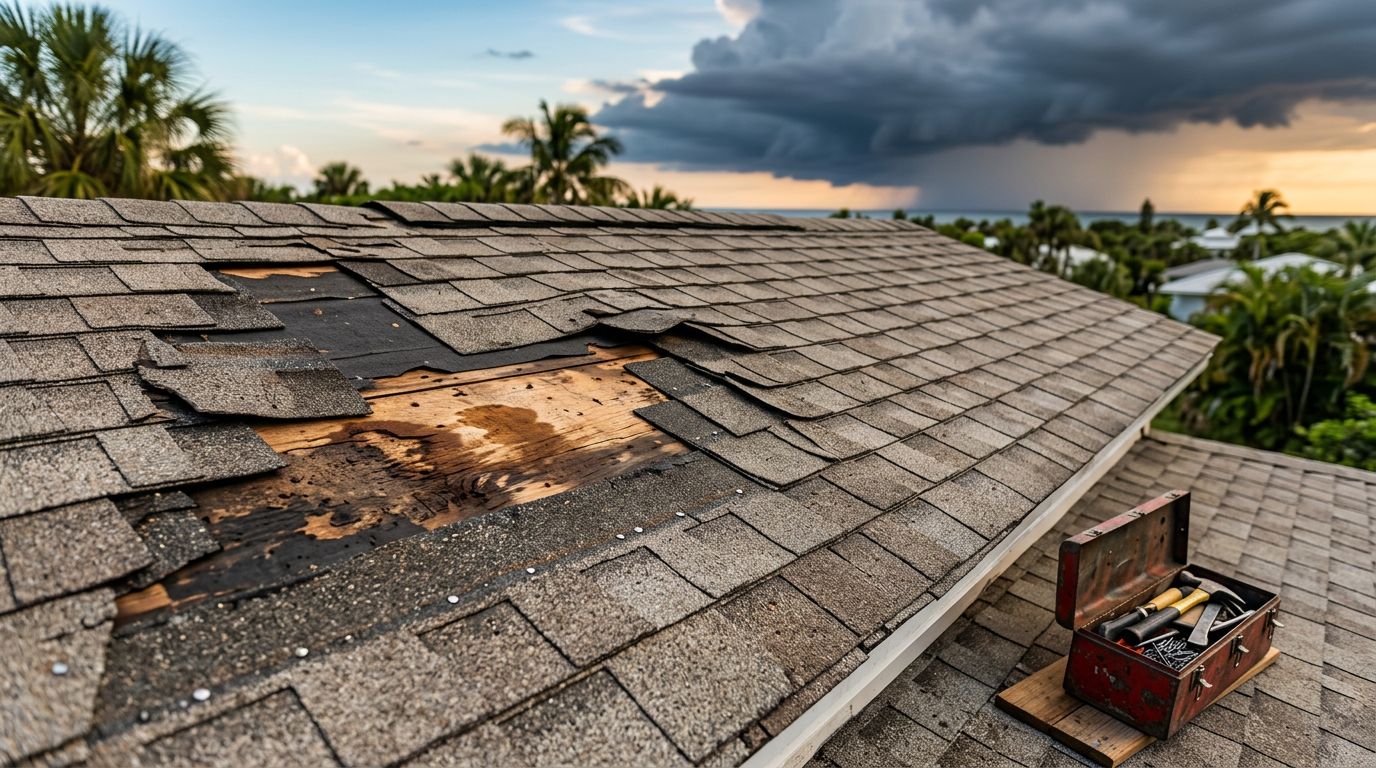
Cape Coral roofs take a beating from sun, salt air, wind-driven rain, and sudden storms. That is why impact resistant shingles get so much attention here. They can help, but only if you understand what the rating covers and what it doesn't.
A lot of homeowners hear "Class 4" and think it means the roof is ready for anything. The reality is more practical. In Southwest Florida, you need impact protection, wind performance, and a clean installation all working together.
If you're comparing roof options for a replacement, start with the rating itself.
What UL 2218 Class 4 means in plain English
UL 2218 is a lab test for roof-covering materials. In simple terms, a steel ball is dropped onto a shingle sample to see how it reacts. The higher the class, the better the sample handles the hit.
Class 4 is the highest impact rating in that test. It means the product survived the test without cracking or fracturing through. That matters in places where hail, flying debris, or hard storm hits can damage a roof.
Here is the basic scale:
| UL 2218 Class | Test Ball Size | Drop Height | Plain-English Meaning |
|---|---|---|---|
| Class 1 | 1.25 in | 12 ft | Lowest impact resistance |
| Class 2 | 1.5 in | 15 ft | Better than Class 1 |
| Class 3 | 1.75 in | 17 ft | Stronger hail resistance |
| Class 4 | 2 in | 20 ft | Highest impact resistance |
The main point is simple. Class 4 is about impact, not about every kind of storm damage. A roof can score well in a lab and still fail if the rest of the system is weak.
If you're sorting through shingle styles too, the differences between architectural vs 3-tab shingles can help you see why the base product still matters before you even talk about upgrades.
A roof can be tough against impact and still be weak against wind. Cape Coral homes need both sides of the job handled well.
Why Cape Coral roofs need more than impact resistance
Cape Coral weather puts pressure on a roof in more ways than one. Heat dries out materials. Humidity feeds algae growth. Salt air works on metal parts and flashing. Wind-driven rain finds weak seams fast.
Class 4 shingles help with hard hits, but they don't solve every local problem. A strong shingle can still lose to poor fastening, weak underlayment, or a roof deck that isn't prepared for wind.
That's why Florida code matters so much here. The current code focus is wind resistance, not hail. In other words, a roof has to stay attached and shed water during heavy weather. For a plain-English breakdown of the current rules, 2026 Florida roofing code updates is a helpful place to start.
A few things can be true at once:
- A Class 4 roof can resist hail better than a standard roof.
- The same roof can still fail if the wind rating is wrong.
- A good installation matters as much as the brand name on the bundle.
That is the part many people miss. The roof is a system, not a single product. Shingles, underlayment, fasteners, flashing, vents, and decking all have to work together.
Impact resistance and wind resistance are different jobs
This is where roof decisions get clearer. Impact resistance protects against a hit. Wind resistance protects against uplift and blow-off. They are related, but they are not the same.
| Feature | Impact Resistance | Wind Resistance |
|---|---|---|
| Main threat | Hail and hard debris | Uplift, blow-off, and edge failure |
| What it helps prevent | Cracking, bruising, splitting | Tabs lifting and shingles peeling away |
| What it depends on | Shingle design and test rating | Product approval, fastening, underlayment, deck condition |
| Why it matters in Cape Coral | Useful during hail or debris strikes | Essential during hurricane season |
A roof may do well in one test and poorly in the other. That is why you should ask about both ratings before you sign a contract.
Florida roof systems also need the right installation details. In many high-wind situations, that means the correct nail pattern, sealed deck protection, and approved materials. Installers should use the product approval that matches the exact shingle and underlayment they plan to install.
You should also think about water intrusion. Wind-driven rain can get under lifted shingles or weak flashing long before you notice a leak inside. That is why a roof that looks fine from the street can still have hidden problems.
What to check before you upgrade
Before you pay extra for impact resistant shingles, look at the whole package. The shingle rating is only one part of the decision.
When you're comparing shingle roofing Cape Coral options, ask these questions:
- Does the product have Florida Product Approval for your roof type?
- What wind rating does the shingle carry?
- What underlayment and fastener pattern will be used?
- Is the roof deck ready for a sealed-deck installation?
- Does the shingle include algae resistance for local humidity?
- What warranty covers the materials, and what warranty covers the labor?
- Will the installer give you the documents your insurer may ask for?
That list matters because Cape Coral homes live with heat and moisture all year. A roof can look good on day one and still stain early if algae resistance is weak. It can also fail early if the ventilation is poor and the attic bakes the shingles from below.
A good contractor should also talk about permits. If the work touches enough of the roof, the project may need broader code upgrades. Large repair jobs can trigger additional requirements, so don't assume a small patch keeps you outside the rules.
If a storm already passed through, get eyes on the roof before you decide anything. A post-hurricane roof inspection can spot lifted shingles, broken seals, and flashing gaps that are easy to miss from the ground.
When a full replacement makes more sense than a patch
Not every roof should be upgraded in place. Sometimes the better move is a full replacement.
That usually makes sense when the roof is older, leaks keep returning, or storm damage covers a wide area. It also makes sense when repairs would be piecemeal and still leave you with mismatched materials or weak spots. If more than 25% of a roof needs work within a 12-month span, current code requirements can also change the scope.
In that situation, Class 4 shingles can be part of a smarter long-term plan. You get better impact protection, and you can rebuild the roof with today's fastening and underlayment standards. That gives you a cleaner starting point than stacking new materials over old problems.
A full replacement also gives you a better chance to fix the details that cause early failure. Flashing gets replaced. Deck issues get checked. Ventilation can be corrected. Those parts matter as much as the top layer.
If your roof is nearing the end of its life, a Cape Coral roof replacement services page is worth reviewing before you settle for another short-term repair.
Insurance is part of the conversation too. Some carriers offer credits or discounts for verified Class 4 roofs, but the amount depends on the insurer, policy, and paperwork. Ask what proof they want before the job starts, not after it ends.
Conclusion
Class 4 impact-rated shingles can be a smart choice for Cape Coral homes, but only when they fit the whole roof system. The rating helps with hail and hard hits, while wind resistance, underlayment, fastening, and code compliance handle the storms you see most often.
That is the real takeaway. A roof in Cape Coral needs to survive sun, salt air, and storm season without relying on a single label. When you verify the product approval, the install method, and the warranty details, you give your home a better shot at lasting through the weather that hits Southwest Florida hardest.