Should You Replace Gutters When You Replace Your Roof?

Should You Replace Gutters When You Replace Your Roof?

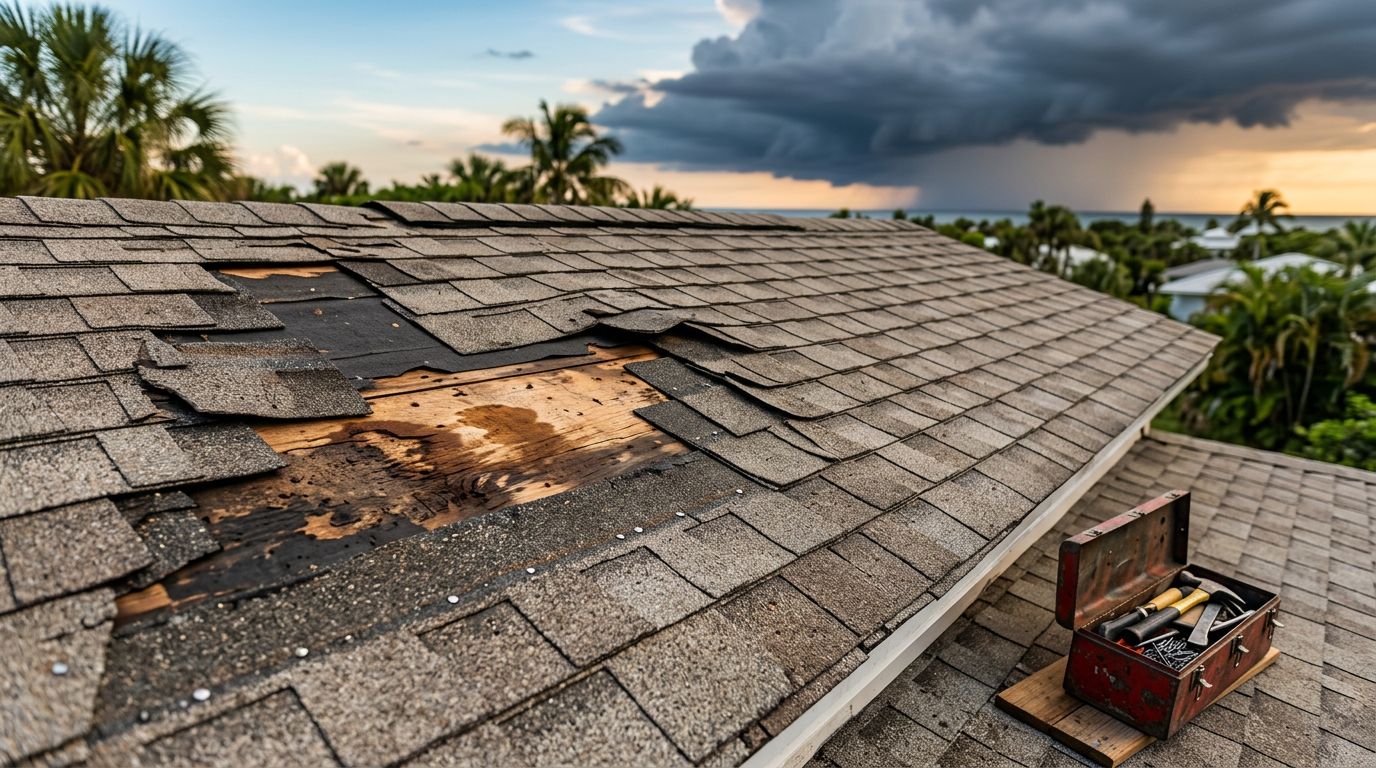
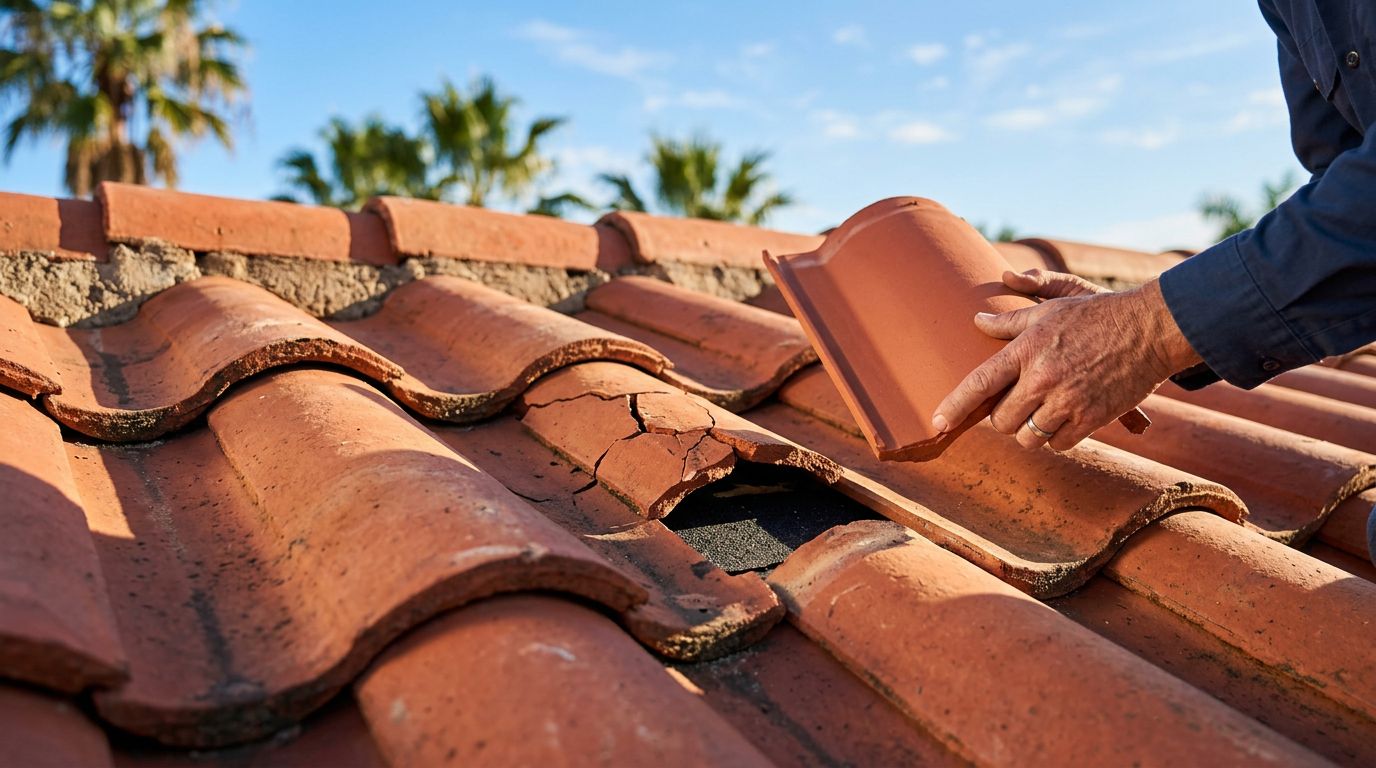
A roof replacement often brings up one more question before the work starts: should the gutters go too? The answer is often no, but not always. Good gutters can stay in place, while worn gutters can turn a roof project into a half-finished fix.

Because the roof edge, fascia, flashing, and gutters all work together, it makes sense to inspect them as one system. That way, you can decide what needs attention now and what can wait.

When gutters can stay in place

If your gutters are still straight, tightly fastened, and free of leaks, they may not need replacement. A new roof does not automatically mean new gutters. In many cases, a roofer can install the new roof and protect the existing gutter line.

If you're already planning roof replacement services , ask how the crew will handle the gutter edge, drip edge, and fascia. That simple question can reveal a lot about the condition of your current system.

Good candidates for keeping the gutters usually share a few traits:

  • The gutter runs are level and firmly attached.
  • The seams do not drip after rain.
  • Downspouts move water away from the house.
  • The fascia behind the gutters is solid.
  • The gutters are large enough for your roof and local rain.

If those parts are in good shape, replacement may not add much value right away. A roof job already opens up the top edge of the house, so the contractor can check the area closely. Still, a clean appearance alone does not tell the full story. A gutter can look fine from the driveway and still have weak hangers or hidden rot behind it.

The key is function. If the gutters carry water the way they should, keep them. If they struggle, the roof job is a good time to fix them.

Signs your gutters need attention too

Water leaves clues. When gutters fail, those clues usually show up along the eaves, on the siding, or near the foundation.

Look for sagging sections first. If the gutter pulls away from the fascia, the fasteners may be failing or the wood behind them may be soft. Check for rust spots , split seams , and cracks near corners , especially on older metal systems.

You should also pay attention to staining. Brown lines under the roof edge, peeling paint near the soffits, or rotted trim often mean water is not staying inside the gutter. Instead, it is slipping behind the system or spilling over the edge.

Overflow during normal rain is another warning sign. Sometimes it means debris is trapped inside. Other times, it means the gutter size is too small for the roof area. In Southwest Florida, that matters. Heavy rain can expose a weak system fast.

If you see water marks and can't tell whether the leak starts at the roof or the gutter line, a roof leak inspection in Cape Coral can help sort it out. A good inspection looks beyond the shingles and checks where water is actually entering.

Clogged gutters can be cleaned. Damaged gutters usually need more than a scoop and a hose. If the metal is bent, the seams are opening, or the fascia is already soft, replacement makes more sense than another patch.

Replacing both at once: the tradeoffs

The choice becomes clearer when you compare the upside and the downside side by side.

Replace both now when... Keep existing gutters when...
the gutters leak, sag, or pull away from the fascia the gutters are straight, dry, and secure
the fascia or drip edge also needs work only the roof covering is failing
the gutter size is wrong for your roof the current size handles heavy rain well
you want one crew and one cleanup the budget is tight and the gutters still have life left

Replacing both can save time because the crew already has access to the roof edge. It can also help the new roof and the new gutters fit together better. New drip edge, new flashing details, and new gutters can work as one clean system.

The downside is easy to see too. If the gutters are still in decent shape, you may spend money before you need to. That matters when the roof project already takes up a big share of the budget.

If the roof edge is already open, fixing weak gutters at the same time can save a second round of labor later.

Here is a practical example. A home with 20-year-old gutters, rusted seams, and stained fascia usually benefits from doing both jobs together. Another home with five-year-old gutters and a storm-damaged roof may only need the roof work.

If you're comparing bids, don't just look at the total. A Florida roofing estimate line by line should show what the contractor is doing with the gutter line, flashing, and any wood repair. That makes it easier to compare apples to apples.

Why Florida weather changes the decision

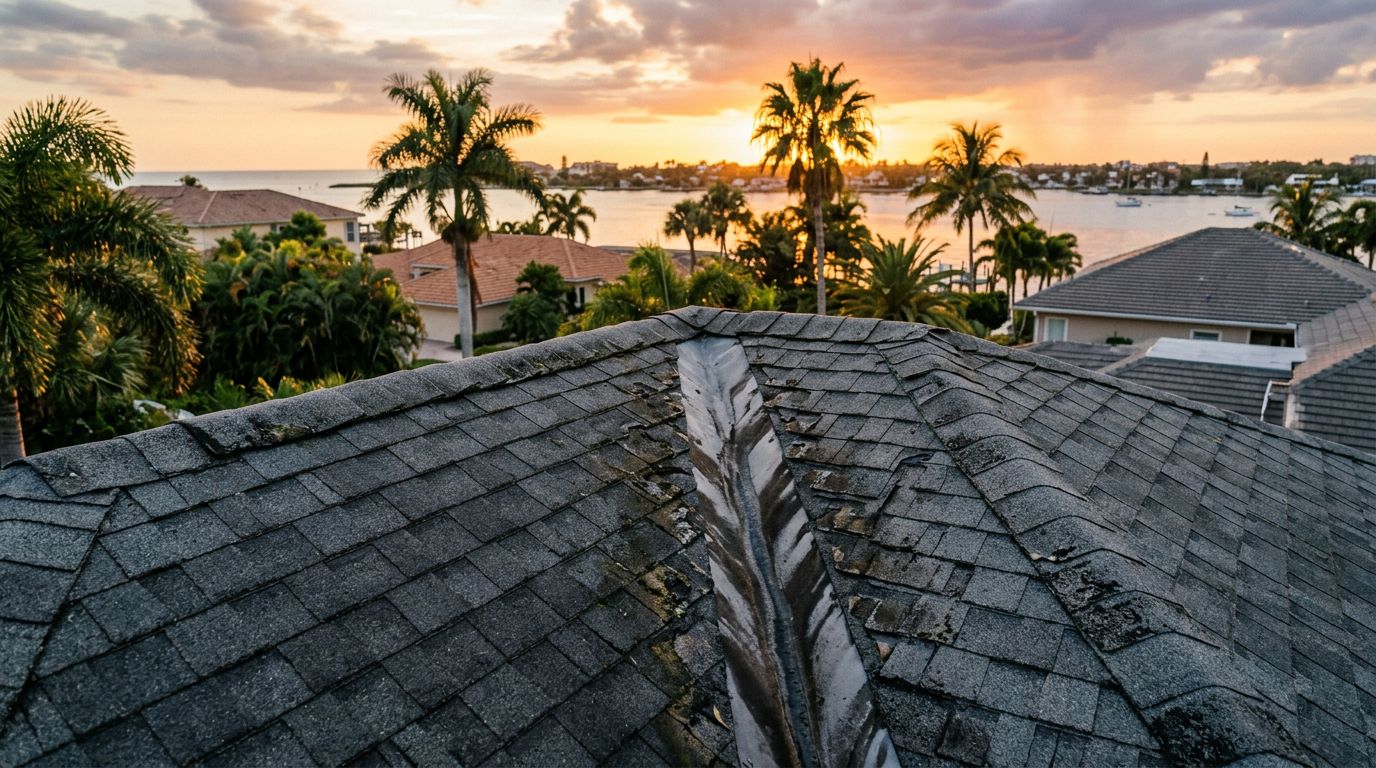
Roof and gutter choices are more tied together in Florida than many homeowners expect. Summer downpours can push a lot of water off the roof in a short time. Wind-driven rain can also test seams, corners, and hangers that looked fine in dry weather.

Because of that, a gutter system that is "good enough" elsewhere may fall short here. If the gutters overflow during afternoon storms, the roof edge and siding take more abuse. Water that misses the gutter can stain soffits, soak fascia boards, and wash out landscaping.

Sun exposure matters too. Heat breaks down sealant over time, and older hangers can loosen. Salt air near the coast can speed up corrosion on some metal parts. That does not mean every gutter in Southwest Florida needs replacement. It does mean the inspection needs to be honest and detailed.

If your roof is being replaced because of age, storm damage, or repeated leaks, the gutter system deserves a hard look. A roof repair or replacement decision often overlaps with gutter work because both affect how water leaves the house. If you're still weighing the scope of the roofing job itself, the roof repair vs. replacement guide can help you sort that out before you decide on the gutters.

The point is simple. A roof in Florida does not work alone. It depends on the edge details, the drainage path, and the parts that move water away from the structure.

What a qualified contractor should inspect

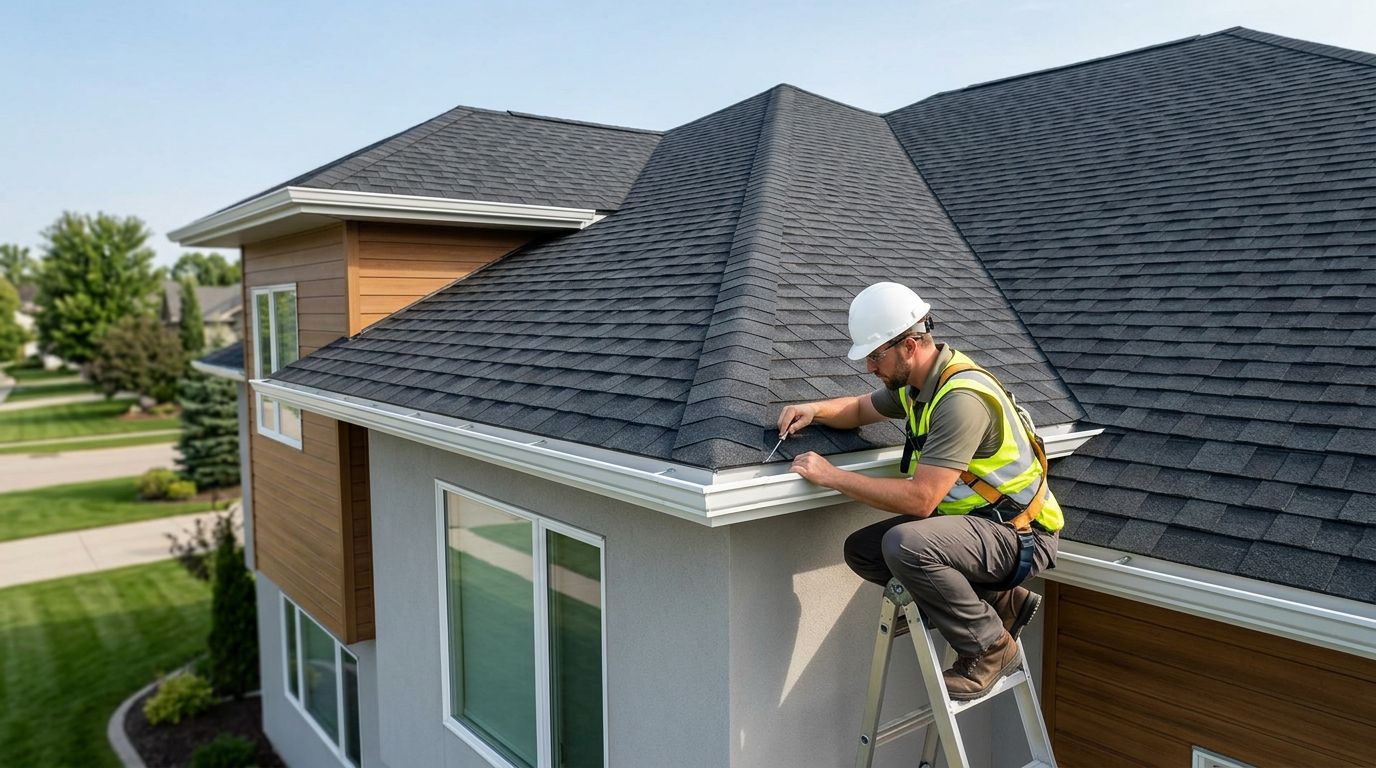
A good contractor should not guess from the street. The inspection should include the roof surface, the drip edge, the fascia, the soffits, and the gutters themselves. The hanger spacing, slope, seam condition, and downspout outlets all matter.

The contractor should also check for signs of wood rot behind the gutters. Sometimes the gutter is not the real problem. The wood behind it has already failed, so the fasteners no longer hold. In that case, replacing the gutter without fixing the fascia would solve nothing.

Ask for photos if something looks questionable. That helps you understand whether the issue is cosmetic, structural, or water-related. It also helps you compare quotes and avoid paying for work you do not need.

A solid inspection should answer a few plain questions:

  • Are the gutters still draining properly?
  • Is the fascia sound enough to hold new or existing gutters?
  • Does the drip edge direct water into the gutter?
  • Are there signs of overflow, rot, or hidden leaks?

If the answer to those questions is yes, you may keep the gutters and focus on the roof. If the answer is no, replacing both may save you from repeating the same work later.

The smart takeaway for homeowners

You do not always need to replace gutters when you replace your roof. If the gutters are straight, sealed, and working well, they can stay. If they are sagging, leaking, or tied to rotted fascia, replacing them at the same time often makes more sense.

The best choice comes from a full inspection, not a quick glance. When a roofing contractor checks the roof edge as one system, you get a cleaner plan and fewer surprises.

If you're facing a roof replacement now, ask for a gutter evaluation at the same time. That simple step can save money, reduce stress, and keep the whole roof line doing its job.

By Infinity Roofing May 3, 2026
Getting an insurance check that falls short of your roofing estimate can feel like the claim stalled out. It usually hasn't. In many cases, the insurer and the roofer are not pricing the same work, or the policy is paying in stages. A lower payment does not automatically mean...
By Infinity Roofing May 2, 2026
Yes, you can finance a roof replacement in Florida. The real question is which option fits your roof, your credit, and your cash flow. That answer changes depending on why the roof needs work. A roof damaged by a storm may involve an insurance claim, while an older roof may ne...
By Infinity Roofing May 1, 2026
A wet ceiling doesn't tell you much by itself. A stain near a vent, a drip in a hallway, or a puddle by the indoor unit could come from the roof or the AC system. The clue is usually in the pattern. Timing, location, and stain shape can point you toward the right fix before wa...
By Infinity Roofing April 30, 2026
As of April 2026, Florida homeowners still have a short window to cancel some roofing contracts after signing. The catch is that the deadline is not the same in every case. It depends on how you signed, what the contract says, and whether the work falls under Florida's roofing...