Roof Replacement Financing in Florida: Can You Do It?

Yes, you can finance a roof replacement in Florida. The real question is which option fits your roof, your credit, and your cash flow.
That answer changes depending on why the roof needs work. A roof damaged by a storm may involve an insurance claim, while an older roof may need a loan or payment plan. Either way, roof replacement financing in Florida is possible for many homeowners, but the approval path depends on the details.
What lenders and insurers look at first
Financing starts with the same few questions every time. How strong is your credit? Do you have home equity? Does the lender allow the loan type you want?
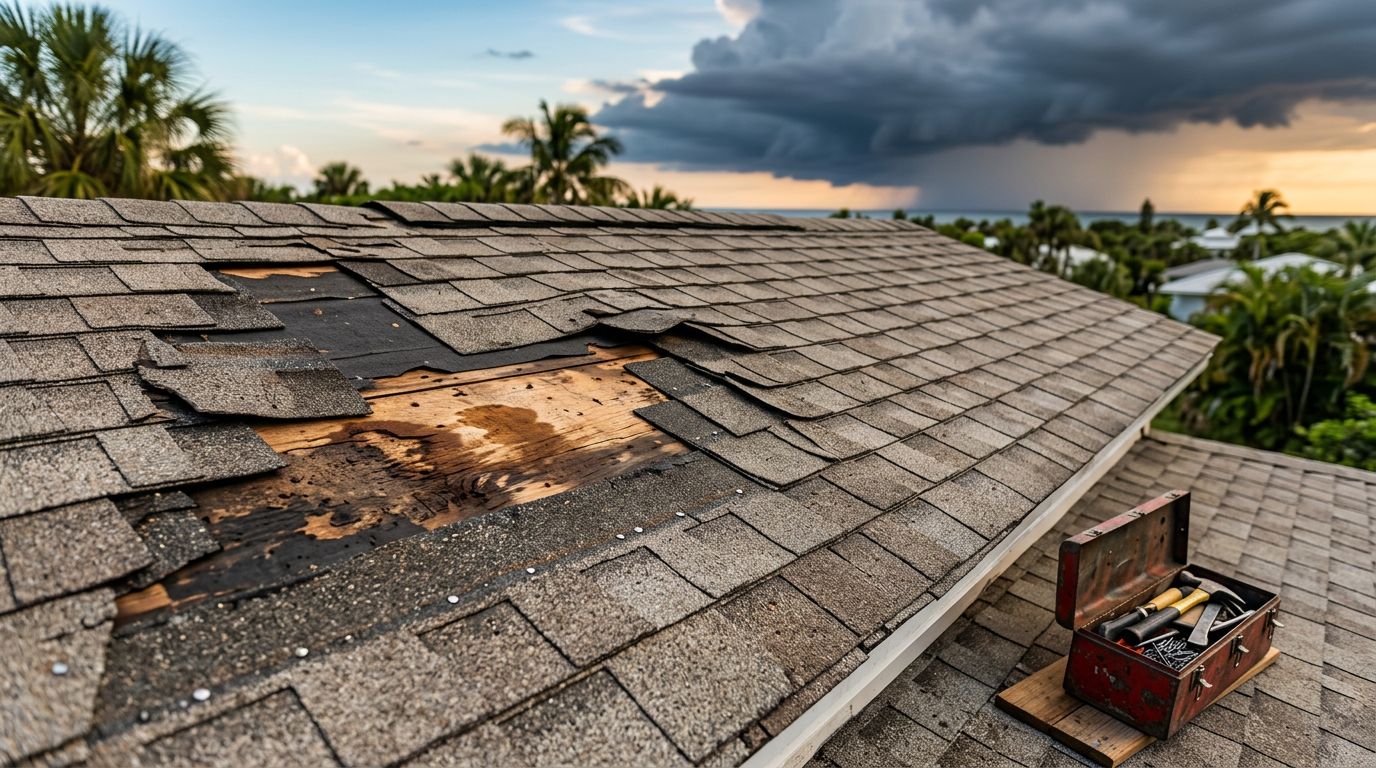
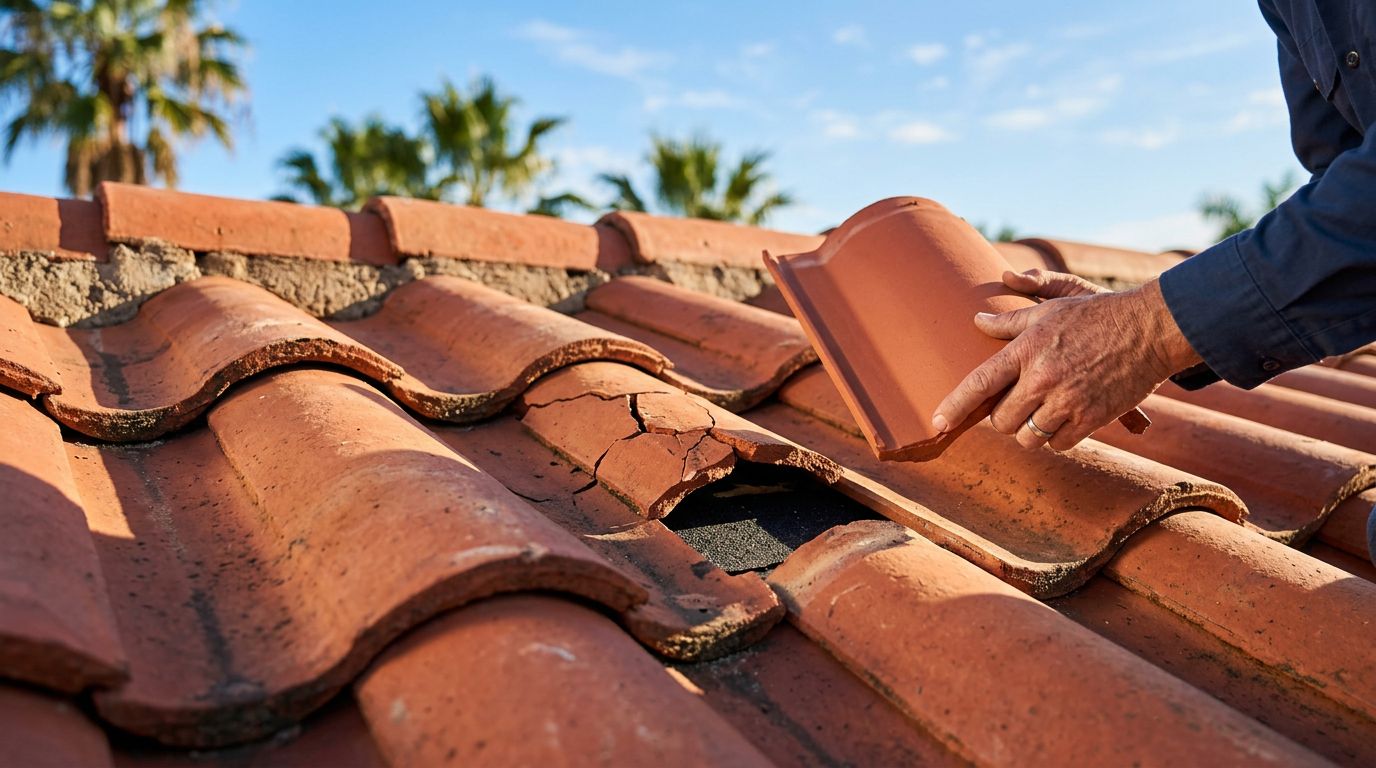
Your roof's condition also matters. A roof near the end of its life is different from one damaged by wind or hail. If you are still deciding whether you need repairs or a full replacement, this re-roof vs roof repair guide is a useful place to start.
For Florida homeowners, the reason for the work can change the math fast. Storm damage may open the door to an insurance payout. Age, wear, or a failed inspection usually points you toward financing or paying out of pocket.
The main ways Florida homeowners pay for a new roof
The best option depends on speed, cost, and how much risk you want to take on. Here's a simple comparison.
| Option | Best for | What you usually need | Main tradeoff |
|---|---|---|---|
| Insurance payout plus savings | Storm damage with an approved claim | Covered loss, deductible, and documentation | You may still owe a gap amount |
| HELOC or home equity loan | Homeowners with equity and solid credit | Home equity, income, and lender approval | Your home is tied to the loan |
| Personal loan | Faster funding and smaller projects | Credit and income checks | Higher rates and shorter terms |
| FHA-backed home improvement loan | Projects that need flexible financing | An FHA-approved lender and qualifying property | More paperwork than a personal loan |
| Contractor financing or local programs | Convenience or county-based help | Program rules and lender requirements | Terms vary a lot by provider |
The lowest monthly payment is not always the cheapest loan. The fastest approval is not always the smartest choice. Read the terms, then compare the total cost over the full loan period.
If you want a more local starting point, this page on financing roof replacement in Cape Coral covers common options homeowners ask about every day.
When insurance helps, and when it doesn't
If a hurricane, wind event, or falling debris damaged the roof, insurance may cover part or all of the replacement. That can change everything. Instead of financing the entire job, you may only need money for the deductible, upgrades, or the uncovered part of the estimate.
That said, insurance does not pay for every roof problem. Wear, age, and poor maintenance are common reasons for denial. Florida policies also use deductibles that can be higher than a standard flat deductible, especially for storm claims. Those deductibles are often tied to a percentage of your home coverage.
If the damage came from a storm, get the claim review done before you sign a financing contract for the full job.
That is where the gap matters. Suppose the insurer pays most of the bill, but not all of it. Financing can cover the rest. If there is no covered claim, financing becomes the main way to spread the cost over time.
For a plain-English look at deductibles, this guide on Florida hurricane deductibles for roof claims is worth reading before you compare payment options.
Florida roof rules can push you toward replacement
Florida homeowners deal with more than cost. Weather, code rules, and insurer requirements can all push a project from repair into full replacement.
As of May 2026, insurers in Florida still care a lot about roof condition. Age alone usually is not the full story. Carriers can still inspect the roof, ask for proof of remaining life, and decide whether the home meets their standards. That means an older roof can still be financeable, but it may also be harder to insure or renew.
Florida building rules can matter too. In some cases, if damage or repairs affect a large enough part of the roof, the work may need to meet current code requirements. That often leads homeowners toward replacement instead of patchwork fixes. Full replacements also usually need a permit in places like Cape Coral and nearby areas, so the timeline and cost should be part of your plan.
For more on the insurance side, see Florida roof age rules for 2026. If you want the permit side, this guide explains roof replacement permit requirements.
How to choose the right funding path
A good roof payment plan should fit both the roof and your budget. Start with the roof condition, then work backward.
- Get a written inspection and estimate.
- Ask your insurer whether the damage looks claim-worthy.
- Compare the monthly payment, total interest, and term length.
- Confirm whether the lender or program allows your roof type and project size.
- Check whether your contractor can explain permit timing, warranty terms, and any local program rules.
Florida homeowners should also ask about county or state programs that may help with storm hardening or roof upgrades. Availability changes by area, so the best move is to confirm current rules before you apply.
If you are comparing repair and replacement, or deciding whether a claim makes sense, this is one of those moments where a second opinion pays off. A roof is a big purchase, and the cheapest quote is not always the safest one.
Conclusion
You can finance a roof replacement in Florida, but the right path depends on more than price. Credit, home equity, lender rules, storm damage, roof age, and insurance requirements all shape what you can use.
For storm damage, insurance may cover most of the job, with financing filling the gap. For age-related replacement, a loan, payment plan, or local program may be the better fit. Before you sign anything, confirm the terms with your lender, insurer, contractor, and any local program that might apply.