Re-Roof Vs Roof Repair In Cape Coral How To Choose

Re-Roof Vs Roof Repair In Cape Coral How To Choose

A roof problem rarely starts with a dramatic hole. More often, it's a small ceiling stain, a few shingles in the yard, or a drip that only shows up during sideways rain.

For Cape Coral homeowners, the real decision is usually roof repair vs replacement . Both can be the right move, but for different reasons. A smart choice comes from matching the fix to the failure, your roof's age, and Florida's permit and code rules.

Below is a practical way to sort it out, without guesswork or panic.

When roof repair is the safer, smarter choice

Roof repairs work best when the damage is localized and the rest of the roof still performs well. Think of it like replacing a cracked tile on an otherwise solid floor. You're fixing one problem spot, not rebuilding the whole surface.

In Cape Coral, repairs are often the right call when:

  • The roof is relatively newer and has years of life left.
  • The issue started after a single event, like a wind gust or a fallen branch.
  • You can point to one area, such as a pipe boot, valley, or a flashing joint.
  • The decking underneath still feels solid (a roofer confirms this during inspection).

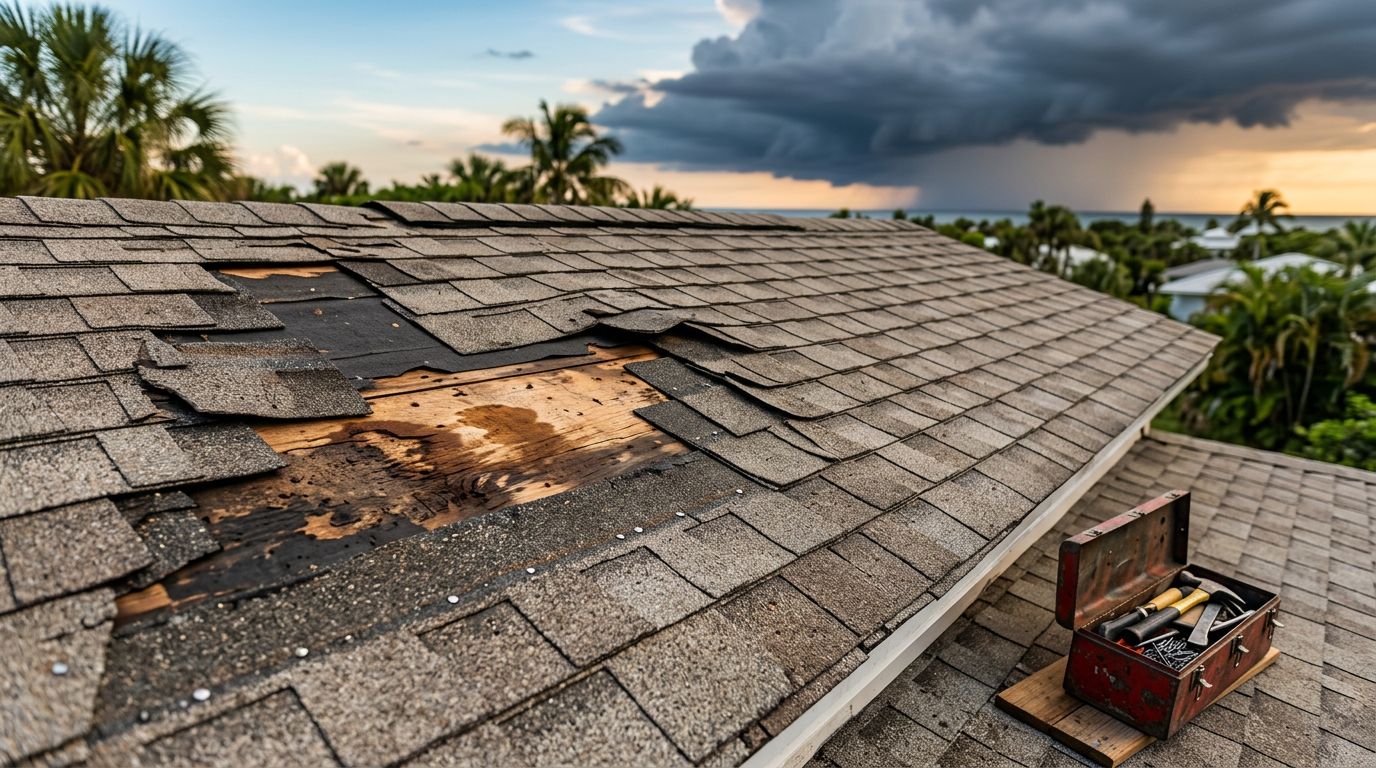
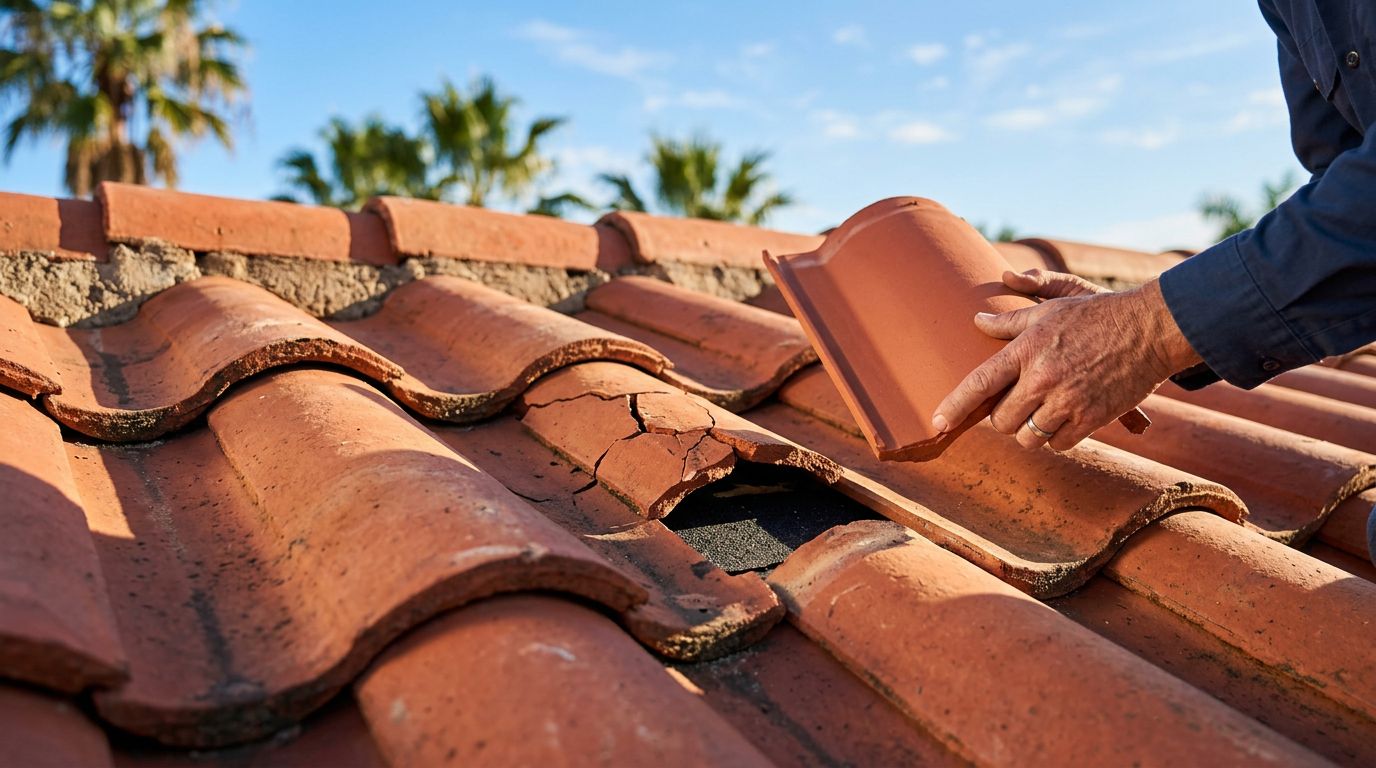
Common "repairable" problems include small flashing failures, a few missing shingles, isolated tile cracks, popped fasteners on metal, or a vent that wasn't sealed correctly. These can let water in, but they don't always mean the whole system is failing.

Still, don't judge from the ground. Water can travel along underlayment and show up far from the entry point. A pro inspection, with attic checks when possible, helps confirm the true source. If you need a second set of eyes, start with professional roof repairs in Cape Coral and ask for photos of the findings.

If a contractor can't show you where the water enters, you don't have a plan yet. You have a guess.

When a re-roof (replacement) makes more sense in Cape Coral

A re-roof becomes the better option when the roof system is worn out, damaged across large areas, or can't meet today's requirements without major upgrades. At that point, repairs can turn into a cycle of chasing leaks.

Replacement tends to win in these situations:

Your roof is near the end of its expected service life. In Southwest Florida, heat, UV, humidity, and wind-driven rain speed up aging. Even if it "looks okay," brittle shingles, failing underlayment, and repeated small leaks often tell a different story.

You have widespread symptoms. Granules washing into gutters, large areas of lifted shingles, multiple active leaks, or recurring repairs in different zones usually mean the roof is losing its ability to shed water.

The deck or underlayment is compromised. Once decking shows rot or soft spots, the roof can't reliably hold fasteners. That's a performance issue, not cosmetic damage.

Florida's "25% rule" comes into play. As of the 2026 Florida Building Code cycle, if repairs affect more than 25% of the roof area within 12 months , you may be required to replace the roof (or that roof section) to current code, instead of doing scattered spot fixes. Your roofer should help you measure scope and confirm how the rule applies to your home.

Permits also matter. Most replacements need a permit and inspections in Cape Coral, and larger repairs sometimes do as well. If you're unsure, review roof replacement permit requirements in Cape Coral before work starts, not after.

Here's a quick side-by-side comparison to help frame the decision:

Factor Roof repair (best fit) Re-roof (best fit)
Damage size Small, isolated areas Widespread or repeating issues
Roof age Early or mid-life Near end-of-life, or unknown history
Leak pattern One entry point, one zone Multiple leaks or chronic moisture
Code trigger Under 25% scope Over 25% in 12 months (often)
Cost range (typical) Hundreds to a few thousand Several thousand to tens of thousands
Main cost drivers Access, complexity, flashing, matching materials Tear-off, deck repairs, underlayment, fastening, material type

The takeaway: repairs are great when they restore a system that still has strength. Replacement is usually better when the system itself is tired.

If you want to understand how a full project typically flows, including inspections and dry-in stages, see the Cape Coral roof replacement process.

A step-by-step decision checklist (roof repair vs replacement)

When you're stuck between repair and replacement, use this short process. It keeps the decision grounded in facts, not stress.

  1. Write down what you're seeing inside. Note stains, drips, bubbling paint, or musty smells, and when they appear (only during heavy rain, or every shower).
  2. Document what you can safely see outside. From the ground, look for missing shingles or tiles, bent flashing, debris impact, or sagging lines. Don't climb the roof.
  3. Confirm roof age and history. Gather any invoices, permits, warranties, or prior repair records. Unknown age raises risk.
  4. Estimate how much area is affected. This matters for the 25% rule and for realistic budgeting. Your contractor should measure, not guess.
  5. Get an inspection with photo evidence. Ask for pictures of flashing, valleys, penetrations, and any deck or underlayment concerns.
  6. Compare scopes, not just totals. Two bids can have the same price but different protection. For help reading line items, use this guide to roofing estimates in Cape Coral.

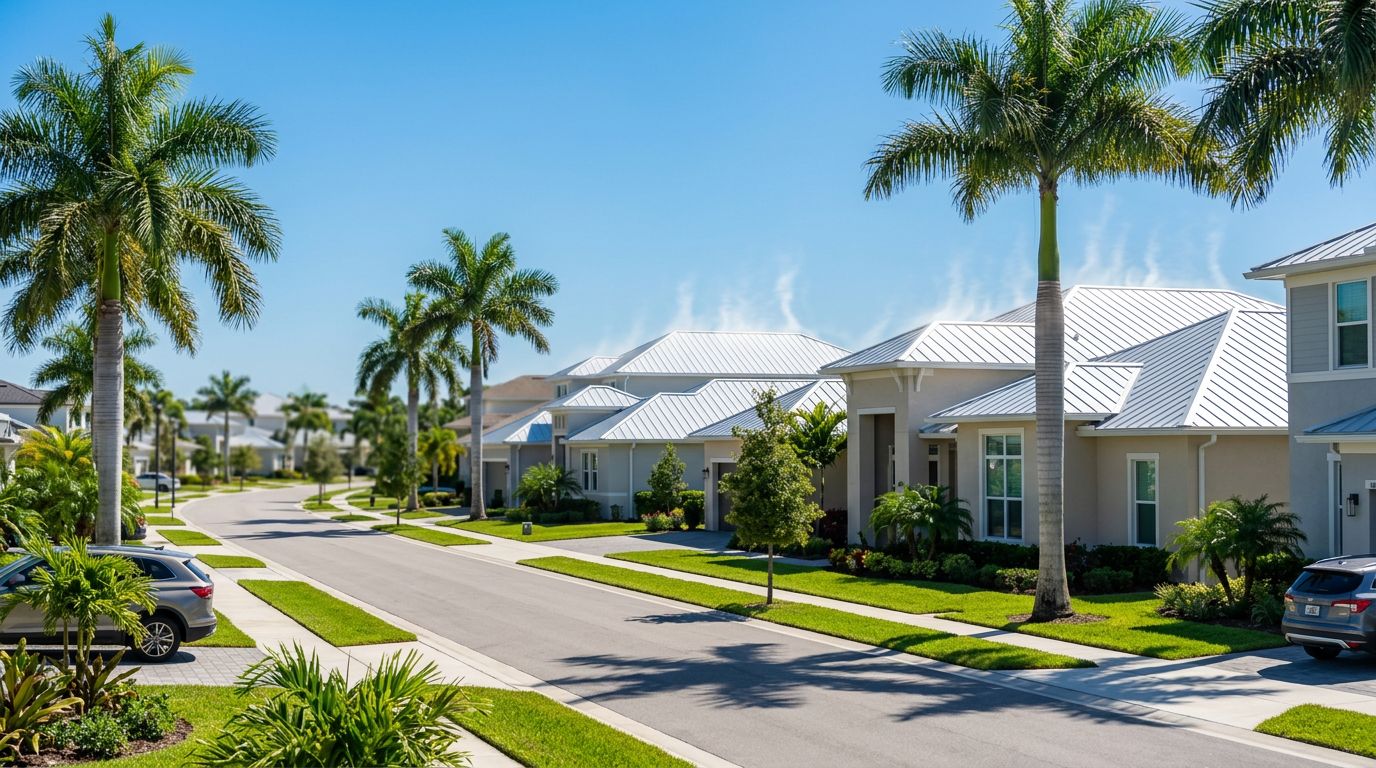
Cost talk without getting too specific: repairs usually stay in the "manageable" range, but costs rise fast when access is hard, matching materials is tricky, or water damage has spread. Re-roofs vary widely because tear-off, disposal, deck replacement, and material choice (shingle vs metal vs tile) can change the job size dramatically.

Questions to ask a roofer, insurance prep, and Florida code upgrades

Questions to ask before you sign

A good contractor won't rush these answers. Ask:

  • Are you licensed and insured in Florida, and can you show proof?
  • Will you pull the permit, and who is listed as the permit holder?
  • What's the exact scope, and what is excluded?
  • What underlayment and flashing details will you use, and why?
  • How will you handle rotten decking if you find it?
  • What warranties apply to materials and workmanship, and what voids them?

If you want a solid screening list, use a Cape Coral roofer hiring checklist. Also, review the basics of what to check in a Florida roofing contract so the paperwork matches the promises.

Insurance claim documentation to gather

Even if you're not sure you'll file, organize your file early. It saves time if damage worsens or your insurer asks for proof.

Keep these items in one folder:

  • Photos and videos (inside and outside), with dates.
  • A written timeline of storms, leaks, and temporary steps taken.
  • Any emergency invoices (tarps, water mitigation, interior drying).
  • Inspection reports and written scopes from licensed roofers.
  • Permit and final inspection records after the work is complete.

Permits, inspections, and common Florida code-related upgrades (2026 focus)

Cape Coral permitting and inspections exist for a reason: high winds punish weak details first. On re-roofs and larger scopes, you'll often hear about upgrades tied to the Florida Building Code cycle, including:

  • Underlayment and sealed roof decks : better water resistance when wind-driven rain gets under the roof covering.
  • Fastening patterns and attachment : nail type, spacing, and placement matter for wind uplift.
  • Flashing upgrades : edges, valleys, wall transitions, and penetrations often get rebuilt to current standards.

For a Cape Coral specific overview of what inspectors tend to scrutinize in 2026, read 2026 Florida Roofing Code updates for Cape Coral re-roofs.

Conclusion

Choosing between repair and a re-roof comes down to scope, age, and whether the roof system still has strength. When the problem is isolated, a repair often restores protection fast. When wear is widespread or code thresholds are triggered, replacement usually brings more safety and fewer surprises later.

Schedule an inspection, keep your documentation, and don't climb the roof yourself. Most importantly, hire properly licensed and insured Florida roofing contractors who will permit the work and stand behind it.

By Infinity Roofing February 23, 2026
If your insurance company asked for a 4 point inspection roofing report, it can feel like you're being tested on a subject you didn't sign up for. You're not alone. In Cape Coral, carriers often request a 4-point inspection on older homes before they'll start or renew a policy...
By Infinity Roofing February 22, 2026
Ever step into your house after it's been closed up all day and feel that wave of heat? In Cape Coral, your roof plays a big part in that feeling. Color matters because the roof is like a beach towel in the sun. A dark one soaks up heat, a light one sends more of it back. If y...
By Infinity Roofing February 19, 2026
A roof in Cape Coral doesn't just sit there looking nice. It takes sun, salt air, sideways rain, and wind that can turn a loose shingle into a flying problem. If you're weighing architectural vs 3-tab shingles , the "best" choice usually comes down to wind performance, how it'...
By Infinity Roofing February 18, 2026
If you're planning an asphalt shingle re-roof in Cape Coral, the parts you'll never notice from the yard can make the biggest difference in a storm. Starter strip shingles are one of those "small but serious" details. They sit along the roof's edges, right where wind loves to...