Do Metal Roofs Make Homes Hotter in Florida?

Do Metal Roofs Make Homes Hotter in Florida?

A hot roof can make a home feel hotter, so it's fair to wonder if metal is part of the problem. In Florida, that concern comes up a lot, but the answer is clearer than most people think.

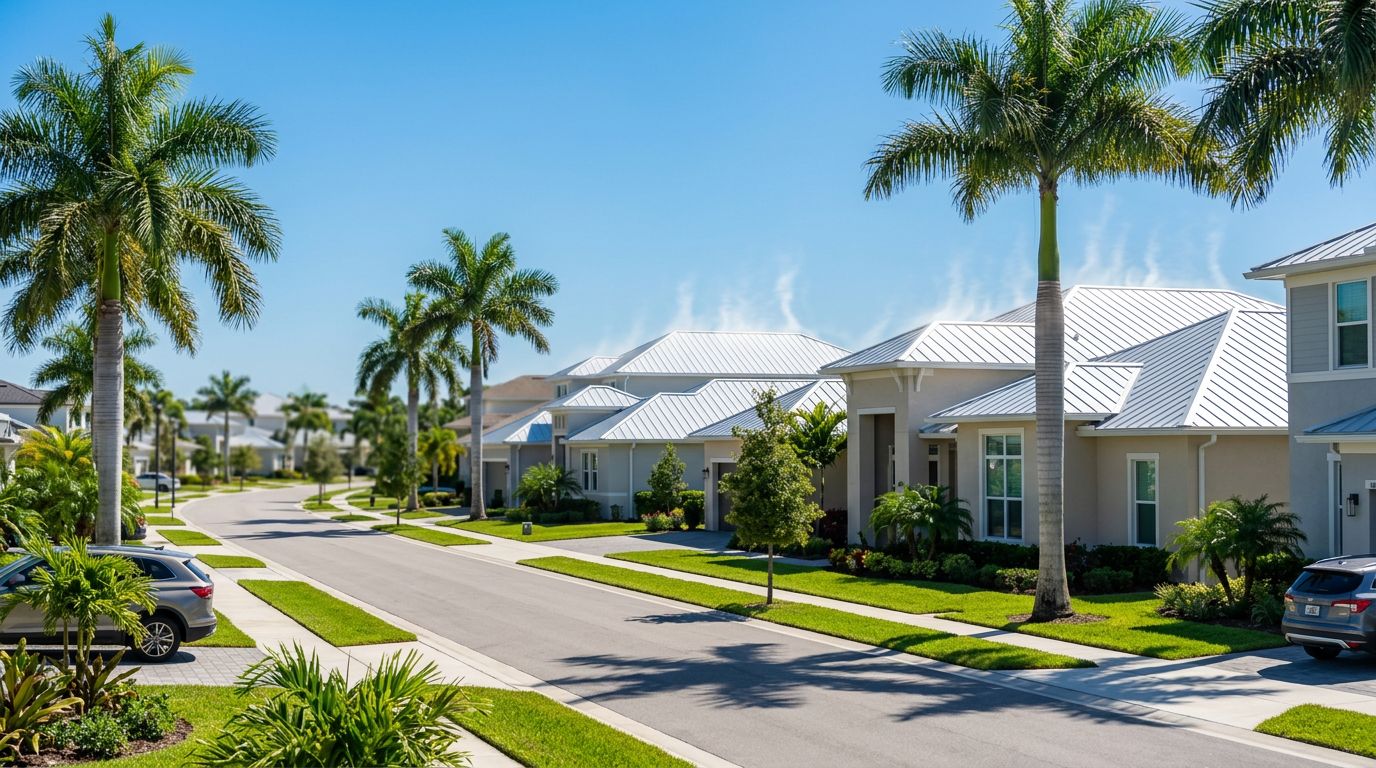
Metal roofs do not inherently make homes hotter , and in many cases they help reduce heat gain when they're chosen and installed the right way. The roof finish, color, underlayment, attic insulation, radiant barrier, and ventilation all shape how much heat ends up inside your home.

If you're comparing metal roofing options in Cape Coral , the best choice is rarely about the panel alone. It's about the full roof system.

Why metal roofs do not automatically trap heat

Metal gets blamed because people picture a hot car hood or a rusty barn roof. That comparison misses an important detail. A residential metal roof is usually coated, finished, and installed as part of a layered assembly.

The key terms are solar reflectance and emissivity . Solar reflectance is how much sunlight the roof bounces away. Emissivity is how fast it gives off heat after the sun goes down. Metal does well with both, especially when it has a light, reflective finish.

That's why cool-roof coatings matter. A coated metal roof can reflect more sun than a dark roof surface, which means less heat enters the attic. Dark colors absorb more heat than light colors, so color still matters. However, color is only one part of the picture.

A roof does not control indoor comfort by material alone. It works as a system, and each layer affects heat flow.

Florida research backs this up. Studies on reflective roofing in hot climates have shown that high-reflectance roofs can lower attic temperatures and reduce cooling demand. In plain terms, a metal roof can help, but only if the rest of the roof assembly supports it.

What actually keeps a Florida roof cooler

The roof deck and attic often matter more than the panel on top. If the attic is weak, heat will move through it no matter what material you pick. That's why smart roof decisions in Florida start below the roof surface.

If you're planning a replacement, these pieces deserve attention:

  • Underlayment : This layer sits below the metal panels and adds protection against water intrusion. It also affects how the roof handles heat and moisture.
  • Attic insulation : Good insulation slows heat transfer from the attic into your living space. Without it, any roof will feel hotter.
  • Radiant barrier : In some homes, a radiant barrier helps reduce heat gain by reflecting radiant heat away from the attic.
  • Ventilation : Ridge vents, soffit vents, and balanced airflow help hot air escape. Poor ventilation can trap heat above your ceiling.

A well-built attic can make a bigger difference than many homeowners expect. Metal roofing works best when it pairs with strong attic insulation and proper airflow. Without those pieces, even a reflective roof can leave you with a warm upstairs.

If you want to compare how roof styles and finishes change performance, this guide to metal roof types in Cape Coral is a helpful place to start. The shape of the panel, the coating, and the attachment style all matter.

Metal roofing vs asphalt shingles in hot weather

Florida homeowners often compare metal roofs with asphalt shingles first, and that makes sense. Both can work, but they behave differently under strong sun.

Here's the practical difference.

Factor Metal roof Asphalt shingles
Sun reflection Usually better, especially with reflective coatings Often absorbs more heat, especially darker shingles
Heat release Cools down faster after sunset Holds heat longer
Color impact Light colors can help a lot Light colors help, but the material still absorbs more heat than metal
Lifespan in Florida Often longer with proper installation Usually shorter in harsh sun and heat
Maintenance Depends on system type and coating Can age faster, crack, or lose granules over time

The table tells part of the story, but not all of it. A good metal roof on a poorly insulated attic can still leave the house warm. On the other hand, a lighter shingle roof with a strong attic system can perform better than many people expect.

Still, metal often has the edge in hot climates because it reflects more sunlight and sheds heat faster. Asphalt shingles can work, but they usually absorb more heat and wear faster under Florida UV exposure. That matters in a place where the roof takes a beating almost every day of the year.

Questions to ask before you choose a metal roof

A good roofer should talk about more than price and panel color. The details matter, especially in Florida. If you're comparing systems, the difference between standing seam and exposed-fastener roofs can affect heat performance, upkeep, and long-term value.

Ask these questions before you sign:

  • Which metal and finish do you recommend for my home, and why?
  • Is the coating a cool-roof finish or a high-reflectance option?
  • What underlayment will you install under the panels?
  • How will you handle attic ventilation on my home?
  • Do I need extra insulation or a radiant barrier?
  • Is this a standing seam system or an exposed-fastener system?

The best answer is a full system plan, not a sales pitch about one product. You want a roof that fits your attic, your budget, and your home's exposure to sun and heat. If a contractor skips the attic discussion, that's a red flag.

Also ask for a clear explanation of how the roof will hold up in Florida weather. Heat matters, but so do wind, rain, and salt air in coastal areas.

Conclusion

The old myth is simple, but the real answer is more useful. Metal roofs do not make Florida homes hotter by default , and they can help lower heat gain when the roof system is built well.

The finish, color, underlayment, insulation, radiant barrier, and ventilation all play a part. If you're replacing a roof, look at the whole assembly, not just the top layer. That's where comfort starts, and that's where the best long-term results usually come from.

By Infinity Roofing May 7, 2026
If you're sorting out a roofer deposit in Florida , the safest answer is simple: keep the first payment around 10% or less when you can. Many solid roofers ask for a modest deposit, then collect the rest in stages after permits, materials, and real progress are in place. Bigge...
By Infinity Roofing May 6, 2026
Cape Coral roofs take a beating from sun, salt air, wind-driven rain, and sudden storms. That is why impact resistant shingles get so much attention here. They can help, but only if you understand what the rating covers and what it doesn't. A lot of homeowners hear "Class 4" a...
By Infinity Roofing May 5, 2026
A roof can look fine and still hide a paperwork problem. If you're buying, selling, filing an insurance claim, or checking storm repairs, the Cape Coral roof permit history tells you what the city approved and closed. That matters because a missing permit can slow a sale or ra...
By Infinity Roofing May 4, 2026
A roof replacement often brings up one more question before the work starts: should the gutters go too? The answer is often no, but not always. Good gutters can stay in place, while worn gutters can turn a roof project into a half-finished fix. Because the roof edge, fascia, f...