Florida Roofing Code (FBC) Updates for 2026: What Changes for Cape Coral Re-Roofs

Florida Roofing Code (FBC) Updates for 2026: What Changes for Cape Coral Re-Roofs

Planning a re-roof in Cape Coral this year? The details matter, because your permit, your inspection, and even your material order can turn on one thing: the Florida roofing code update cycle for 2026.

Cape Coral homes take the full hit of Southwest Florida weather. Think of your roof like the lid on a cooler in July. If the seal is weak, you find out fast. Code updates are meant to tighten that “seal” so wind and water have fewer ways in.

Below is what to watch for in 2026, plus the real-world impact on cost, timing, and what your roofer should be documenting for the city.

Why 2026 code updates matter more in Cape Coral than most places

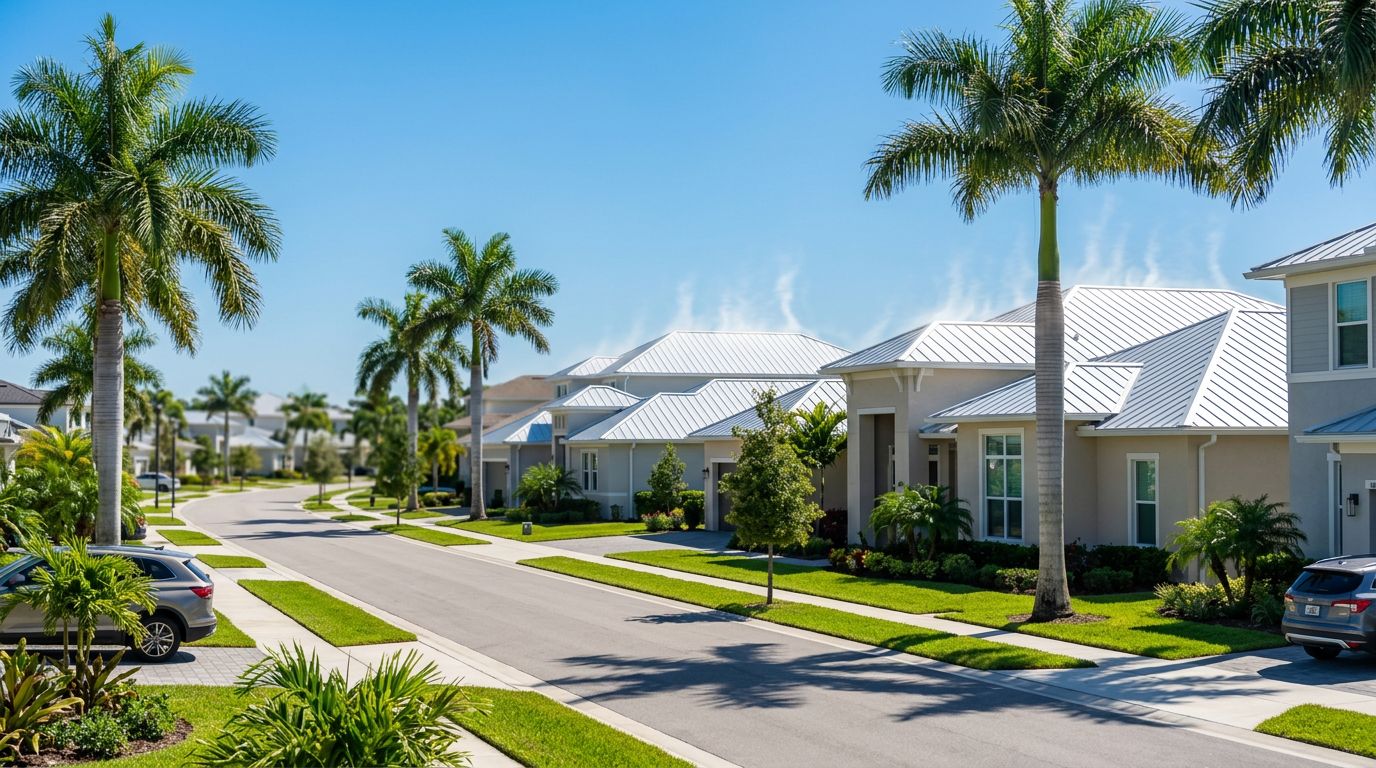
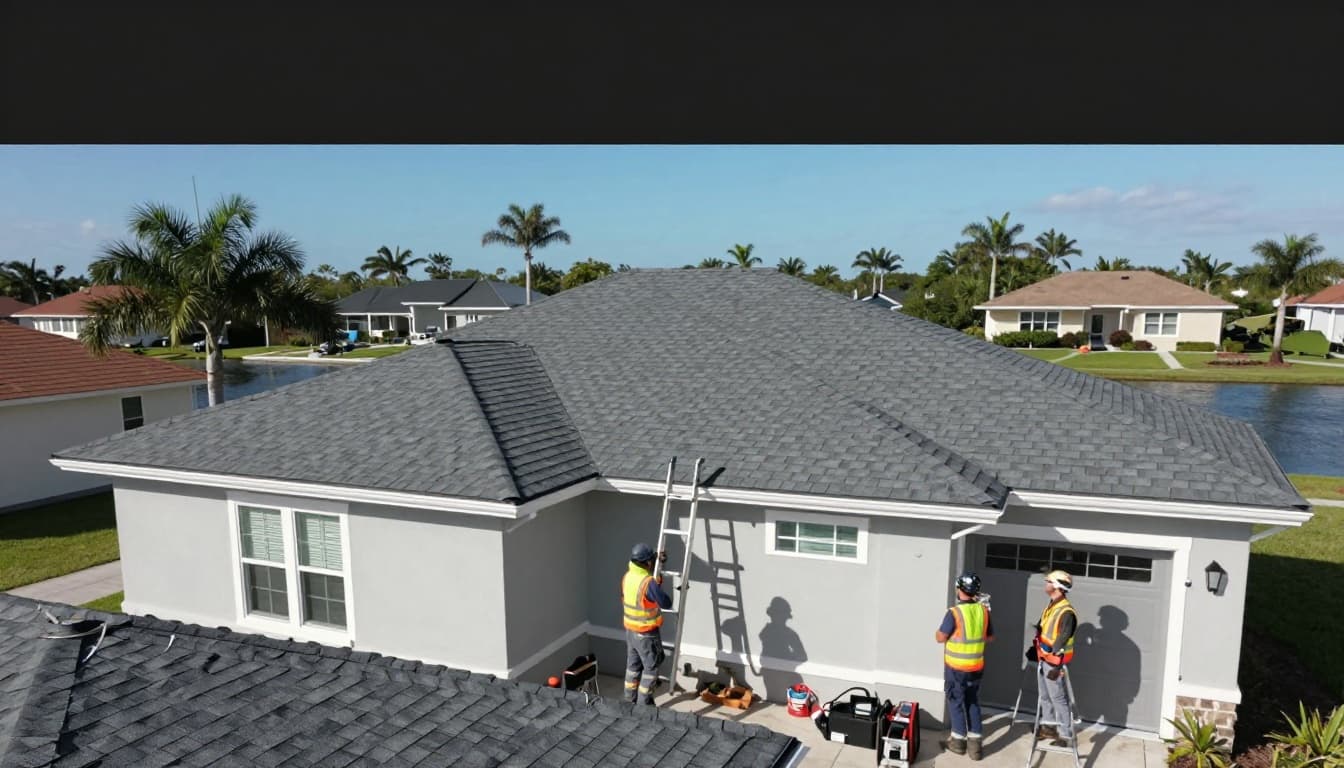
Realistic high-resolution photo of a Cape Coral, Florida home with a fresh asphalt shingle roof under sunny skies, palm trees and canal in background, two roofers in safety gear looking up from ground with ladder and tools nearby. Cape Coral homes often sit near canals and open areas where wind and wind-driven rain can push hard on roof edges, this image was created with AI.
The 2026 Florida Building Code is part of the state’s next code update cycle (often referred to as the 9th Edition, 2026). Even if your job looks “simple,” Cape Coral permitting staff and inspectors tend to focus on hurricane performance details that homeowners never see from the yard.

A key point for homeowners and property managers is timing. Code adoption and local amendments don’t always feel instant at the street level. During a changeover year, permit reviewers may ask for clearer documentation, more complete product approval packets, or assembly details that match the current interpretation of the Florida roofing code. If you want the official pulse of what’s being updated and when, the Florida Building Commission posts the 2026 Florida Building Code development information.

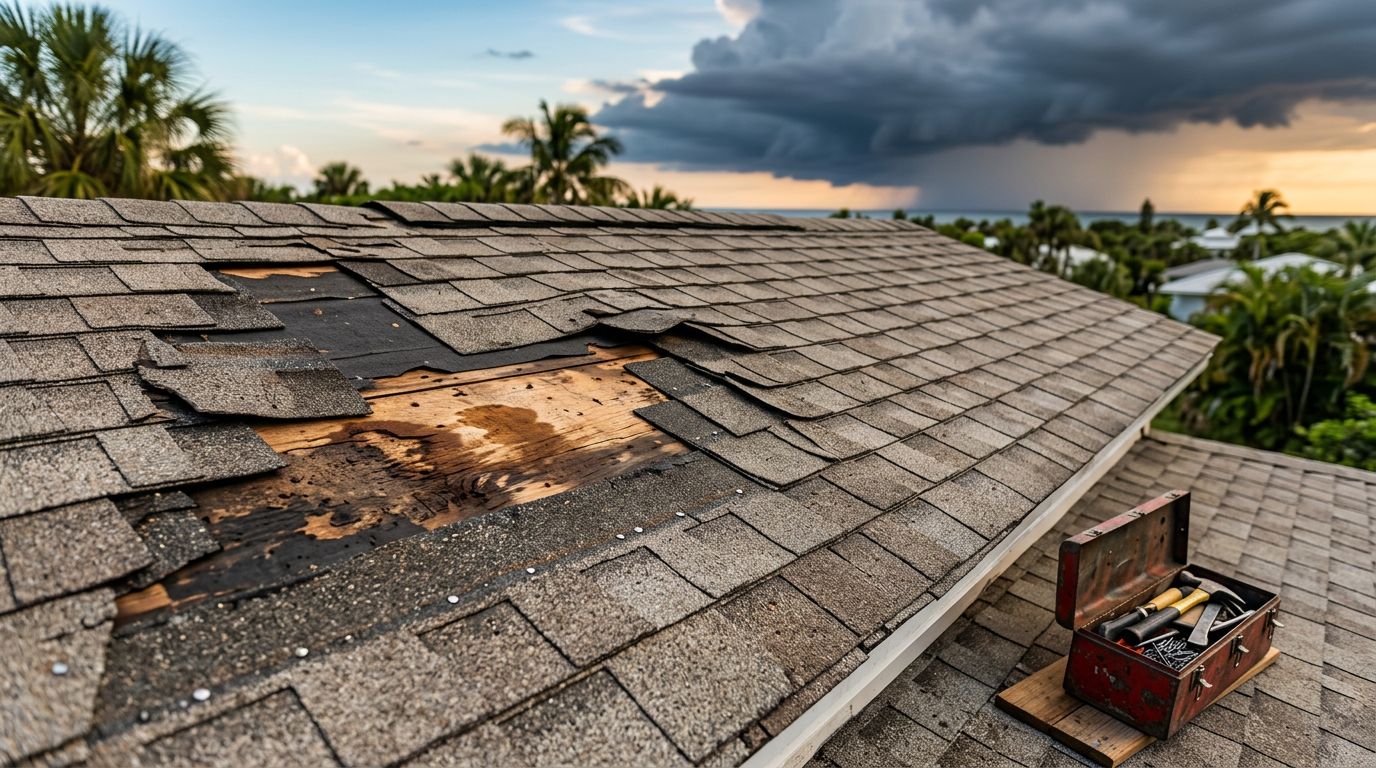
Cape Coral is also in a wind-borne debris environment, so re-roofs are treated less like cosmetic work and more like structural protection. That’s why inspectors pay close attention to edge details, fasteners, underlayment, and deck condition. One missed step can mean a failed inspection, a stop-work notice, or a scramble for missing paperwork.

If you’re still deciding whether your situation is a repair or a full replacement, start with this Cape Coral roof repair vs replacement guide. It helps you sort “patch it” issues from re-roof triggers like widespread granule loss, recurring leaks, or storm-related lifting.

What changes for Cape Coral re-roofs in 2026 (the practical version)

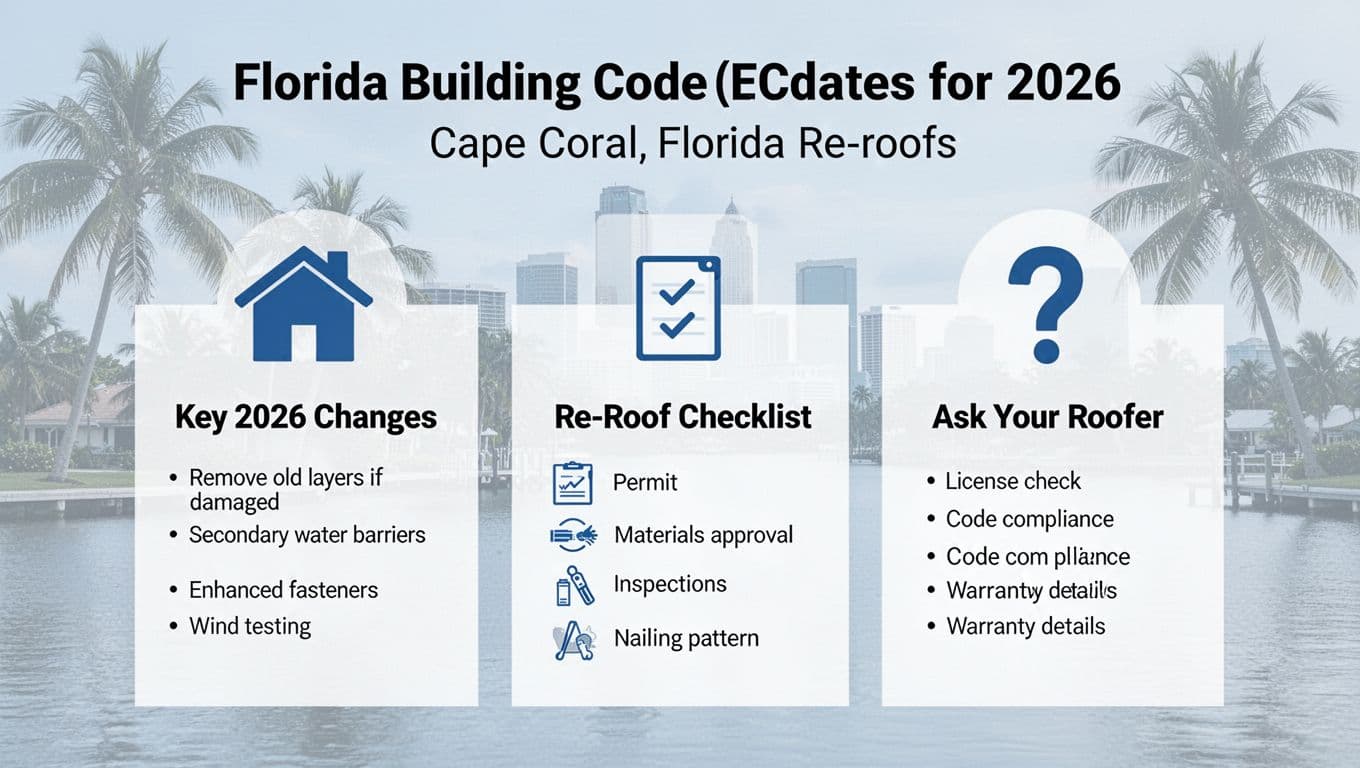
Modern, minimal infographic for homeowners on 2026 Florida Building Code roofing updates for Cape Coral re-roofs, featuring key changes, compliance checklist, and roofer questions with subtle local skyline background. Quick visual summary of common re-roof compliance items discussed with permit reviewers and inspectors, this image was created with AI.
Most homeowners ask, “So what actually changes?” Here’s the plain-language answer: 2026 emphasis continues to push roofs toward better water resistance, better attachment in high winds, and better proof that the materials installed match approved assemblies.

Expect more scrutiny on tear-off conditions

Re-roofs often require removing existing layers down to the deck when the old roof is deteriorated, wet, or already has too many layers. The practical impact is simple: more tear-off equals more labor and more dump fees , but it also gives the inspector a clear view of the deck.

Secondary water barrier and underlayment details matter more

In hurricane country, the roof covering is only part of the system. The underlayment and sealing methods are what buy you time when wind-driven rain gets under shingles or metal. In 2026, you should expect inspectors to look closely at:

  • underlayment type and application method (including overlaps and sealed areas),
  • valley and penetration waterproofing,
  • edge protection and transitions at flashing.

This can add material cost, but it often reduces leak risk during storms. It can also affect scheduling, because dry-in steps may need an inspection or photo documentation before the roof covering hides the work.

Fastener schedules and wind uplift performance get attention

In Cape Coral, “nails are nails” doesn’t fly. How many, what type, and where they go can be the difference between shingles staying put or peeling back. If your roofer is upgrading attachment points or using an enhanced fastening pattern, it may cost more in labor, but it can improve performance in high winds and can help with clean inspections.

Roof-to-wall connections and deck attachment can come up mid-job

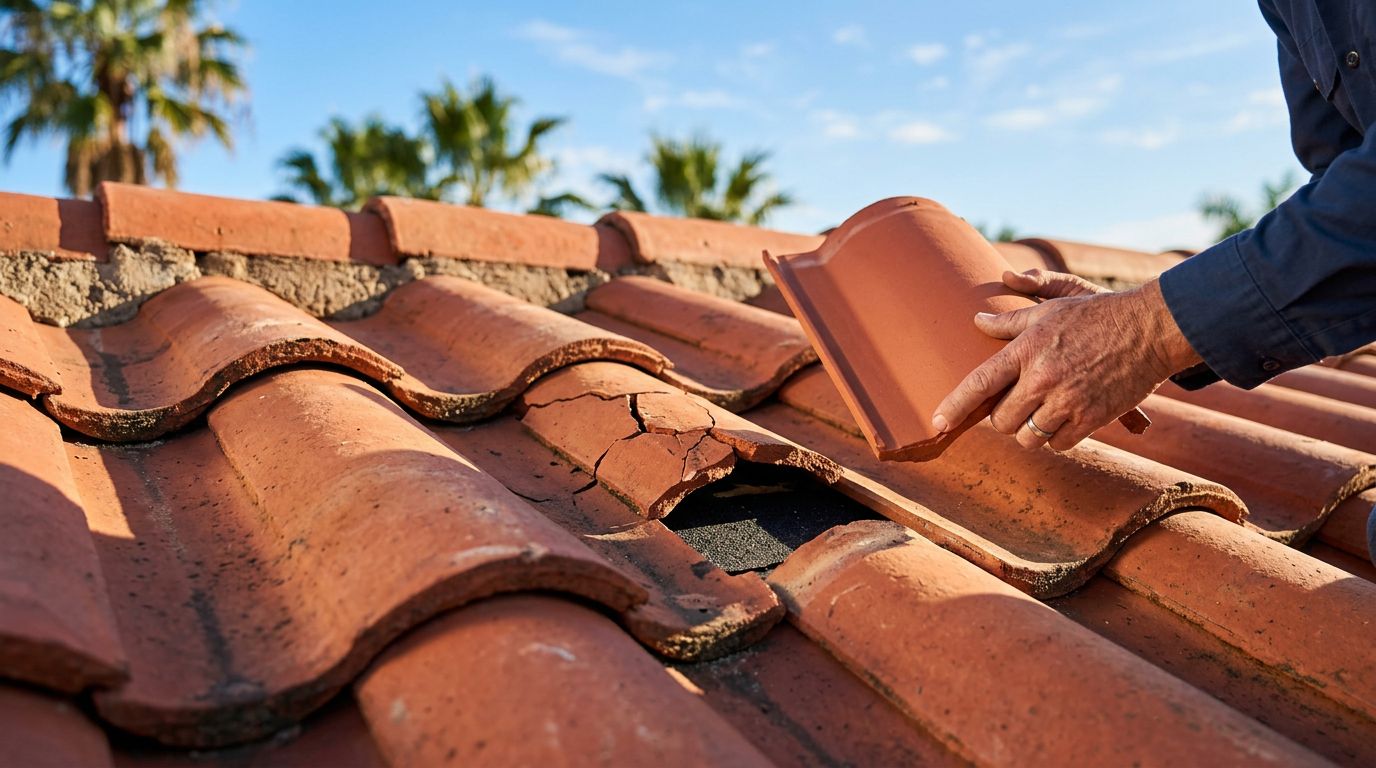
Some re-roofs trigger evaluation of deck attachment or roof-to-wall connections, especially when the deck shows damage or when inspectors can see problems once the old roof is removed. When that happens, a “simple re-roof” can turn into carpentry work. Budget-wise, this is the surprise line item that can move your price and timeline.

Product approvals and documentation are not optional

Florida relies heavily on approved products and assemblies. If paperwork is missing, inspectors can require it before sign-off. For background on the state’s code system, the Florida Building Code website is the safest starting point.

Permits, inspections, and a step-by-step way to stay compliant in 2026

Cape Coral re-roofs usually require a permit, and the city won’t treat a roof as “done” until it passes final inspection. That affects property managers the most, because leasing schedules and insurance renewals often depend on a closed permit.

What to plan for (cost and timeline)

Permitting and inspection requirements don’t just add paperwork, they add calendar days. Common delays come from missing product approval numbers, an incomplete roof data sheet, or a Notice of Commencement requirement when the job value crosses the legal threshold. If the deck has hidden damage, add time for re-sheathing and the follow-up inspection.

It also helps to understand how code updates are processed at the state level, because local enforcement tends to follow that workflow. The Commission publishes guidance on how amendments move through review, including timelines and review periods, in documents like the FBC code amendments approval process PDF.

How to stay compliant (Cape Coral re-roof checklist)

Use this as a simple, start-to-finish path:

  1. Confirm the permit holder : Your licensed roofing contractor should typically pull the permit (owner-builder is a different process and has extra risk).
  2. Collect product approvals early : Underlayment, shingles, metal panels, fasteners, and accessories should match Florida approvals accepted by the building department.
  3. Submit a complete roof package : Roof data sheet, material specs, and any required supporting docs before work starts.
  4. Record existing conditions : Photos of the deck and key details help if questions come up at inspection.
  5. Replace damaged decking, don’t cover it : If the deck is soft, swollen, or rotted, fix it while it’s exposed.
  6. Follow the specified nail pattern and attachment method : This is one of the most common inspection fail points.
  7. Schedule inspections at the right milestones : Deck and dry-in checks matter, not just the final.
  8. Keep the close-out packet : Permit card, inspection approvals, warranty info, and invoices, store them for insurance and resale.

If you’re comparing contractors, this Cape Coral roofer homeowner checklist is a solid way to screen for permit discipline, documentation habits, and warranty clarity.

A quick note on the “25% rule” you may hear about: homeowners often use that term to describe thresholds where larger repairs can trigger additional upgrade requirements. The safest move is to confirm your exact scope with Cape Coral and your roofer before you start ordering materials.

Conclusion

A 2026 re-roof in Cape Coral isn’t just new shingles or a new metal panel, it’s a full system that has to satisfy the Florida roofing code , local permitting, and inspection proof. Plan for stronger dry-in details, tighter attachment requirements, and more documentation than you might expect.

Requirements can vary by roof type, building age, and scope of work, so confirm your project details with Cape Coral or Lee County permitting and a licensed Florida roofing contractor before work begins. If you treat compliance like part of the build, not an afterthought, you’ll usually get a smoother permit, a cleaner final inspection, and a roof that holds up when the weather turns.

By Infinity Roofing February 7, 2026
After a Cape Coral storm, shingles or metal panels get all the attention, but the real stress test often happens underneath. Florida roof underlayment is the layer between your roof covering and the wood deck, and it’s the difference between a roof that sheds wind-driven rain...
By Infinity Roofing February 6, 2026
A flat roof in Cape Coral sounds simple until the first summer downpour hits, the sun bakes the membrane all day, and hurricane season shows up with sideways rain. Then the details matter, drainage, attachment, edge metal, and whether your roof system is approved for Florida....
By Infinity Roofing February 5, 2026
If your Cape Coral home insurance bill feels like it has a mind of its own, you’re not alone. One of the few tools homeowners can use to show an insurer that a house is built (or upgraded) to handle storms is a wind mitigation inspection . Think of it like a “roof and opening”...
By Infinity Roofing February 4, 2026
If you’ve ever seen a roof torn off right before a rainy afternoon, you know the stress. Your home is suddenly “open,” and water doesn’t wait for anyone. That’s where a roof dry-in Florida homeowners hear about comes in. A dry-in is the temporary, weather-resistant roof setup...