
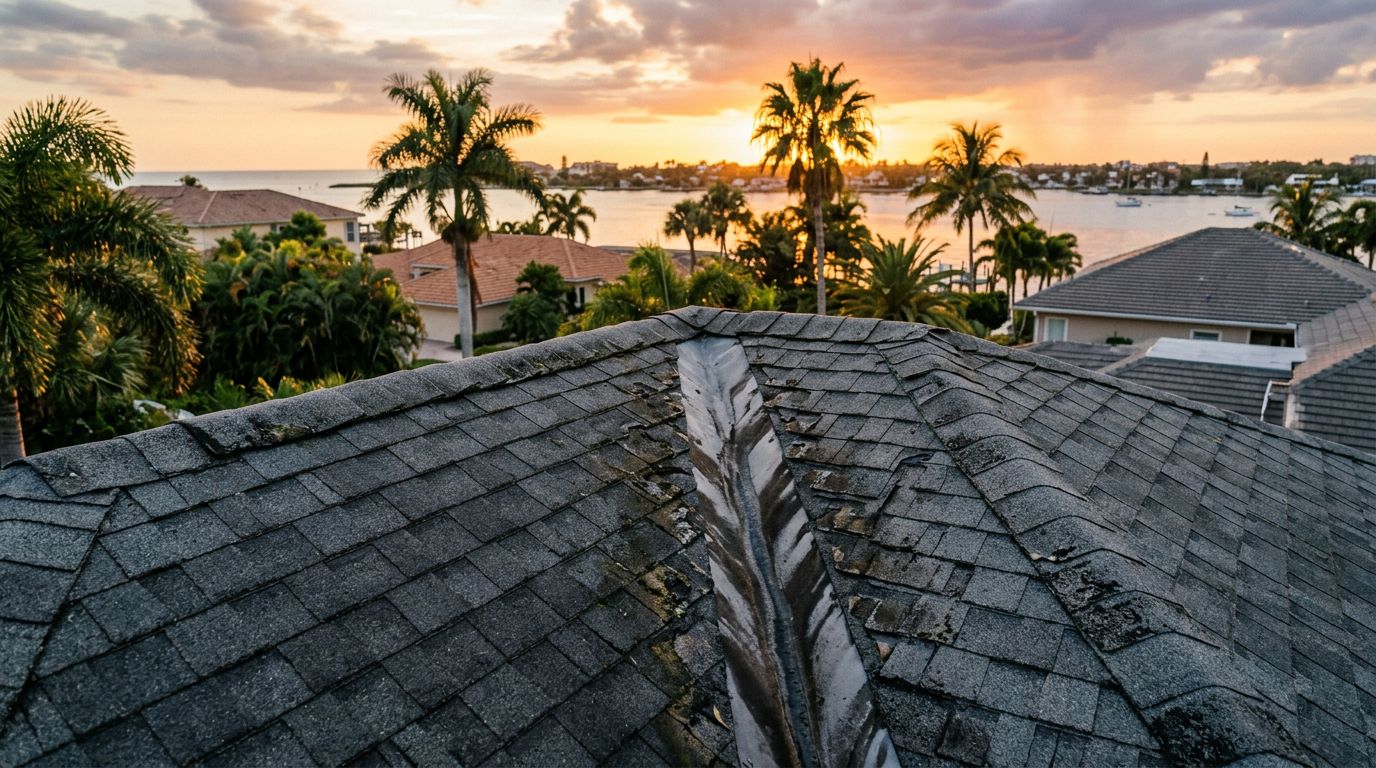
Wind Mitigation Inspections in Cape Coral, What Inspectors Look For and How It Can Affect Your Premium

If your Cape Coral home insurance bill feels like it has a mind of its own, you’re not alone. One of the few tools homeowners can use to show an insurer that a house is built (or upgraded) to handle storms is a wind mitigation inspection .
Think of it like a “roof and opening” report card. The inspector isn’t judging curb appeal. They’re verifying specific building features that can reduce wind damage in a hurricane. If your home has those features, your carrier may apply wind mitigation credits. If the features can’t be proven, you may not get credit, even if the work was done.
Below is what the inspection covers, what inspectors look for in real homes (not in theory), and what you can do before and after the report.
What a wind mitigation inspection is (and why Florida cares)
A wind mitigation inspection is a standardized review of storm-resistant features, documented on Florida’s Uniform Mitigation Verification form. Insurers use it to decide whether a home qualifies for windstorm mitigation credits.
Florida’s insurance regulator explains the process and consumer tips on its wind mitigation resources page. The form itself is public, and you can preview what will be checked by looking at the Uniform Mitigation Verification Inspection Form (OIR-B1-1802).
A few points that surprise homeowners:
- The inspection is not a pass or fail.
- The report is only as good as the evidence available (photos, attic views, labels, permits).
- The form notes it can be valid for up to five years if there are no material changes to the structure (your insurer’s rules can still vary).
In Cape Coral, this matters because wind exposure is a fact of life. A clean report won’t stop storms, but it can help your insurer price your risk based on verified features, not guesses.
What inspectors look for in Cape Coral homes (the items that drive credits)
Wind mitigation is heavily roof-centered because a roof failure can turn a bad storm into a total loss. Inspectors follow the form and document each item with photos. If they can’t document it, they typically can’t “give credit” for it.
Roof deck attachment (how the plywood is fastened)
In simple terms, inspectors want to know how well the roof sheathing (usually plywood or OSB) is nailed to the trusses. They’re looking for nail type, spacing, and sometimes the size of the nails.
Most of the proof comes from the attic. If the attic is tight, blocked, or unsafe to enter, documentation may be limited. That can lead to an “unknown” or a less favorable category on the form.
Roof to wall connection (clips vs straps)
This is where wording matters. Clips and straps aren’t the same thing.
- Clips usually wrap over the truss and attach to the wall with fewer nails.
- Straps typically wrap over the truss and extend down the wall, and they often require more nails to qualify for higher categories.
Inspectors look for metal connectors, the number of nails, and how the connector is installed. A connector that looks strong can still be marked lower if it doesn’t meet the form’s definitions, or if the nail pattern can’t be verified.
Roof geometry (hip vs non-hip)
Roof shape affects how wind flows over your home. A hip roof (slopes on all sides) often performs better in high winds than a gable roof. The form uses a specific definition and percentage of hip perimeter, so the inspector will measure and classify the roof geometry.
This is also where additions matter. A home that was “mostly hip” can get reclassified if a later addition changed the roofline.
Secondary water resistance (SWR) and opening protection
Two other items often come up in Cape Coral:
- Secondary Water Resistance (SWR) : This is an extra layer intended to reduce water intrusion if the roof covering is damaged. Inspectors may look for self-adhered underlayment, foam adhesive patterns, or other qualifying systems. Proof can include attic observation, product documentation, and reroof records.
- Opening protection : This includes impact-rated windows, shutters, and protected glass doors. Inspectors check labels, ratings, and coverage. A single unprotected opening can change how this section is reported.
If you want a broader storm-readiness picture beyond the form, Infinity Roofing’s hurricane-proofing Cape Coral roofs guide is a helpful companion read, especially if your roof is older.
Photos, proof, and common hiccups that can change the results
A wind mitigation inspection is evidence-driven. Inspectors must take photos of key features and attach them to the report. In the real world, the biggest problems are not the roof itself, they’re the missing paper trail and limited access.
Here’s what inspectors may rely on to verify features:
- Attic access : Clear entry, safe decking (if present), and visible connections.
- Permit records : Especially for reroofs and window or door replacement.
- Manufacturer labels : On impact windows, shutters, garage doors, and sometimes underlayment packaging saved by the homeowner.
- Installation details : Nail counts and patterns on straps or clips, which may be hard to see without good lighting and clear angles.
A few easy ways to prepare before the appointment:
- Clear a path to the attic hatch and move stored items away from it.
- Gather your reroof permit, contract, and any product sheets you still have.
- If you have shutters or impact windows, don’t remove labels, and don’t paint over them.
Planning a reroof soon? Permitting and final inspections can become part of your “proof” later. This quick explainer on a roof replacement permit in Cape Coral helps set expectations.
How the report can affect your insurance premium (and what to do next)
Once the inspection is complete, you typically send the signed report and photos to your agent or carrier. Your insurer then applies its own underwriting rules to decide whether credits apply and how they’re calculated. That’s why it’s smart to avoid expecting a specific dollar amount. Credits depend on the insurer and on what the report can verify.
If you’re insured through Citizens or you’re comparing options, their consumer page on wind mitigation inspections is a good reference for how reports are handled.
If your report shows gaps, it doesn’t mean you’re stuck. You can use it as a roadmap for improvements, especially if you’re already budgeting for roof work. Many homeowners focus on upgrades that affect multiple parts of the form, like reroofing with better deck attachment patterns, improving roof to wall connections where feasible, or adding code-approved opening protection.
Florida also has programs designed to encourage mitigation. The state-run My Safe Florida Home program publishes a detailed homeowner’s guide and an authorized improvements guide that explain eligible upgrades and how recommendations tie back to funding rules. For a broader, plain-language overview of mitigation concepts, Florida emergency management also offers a wind mitigation booklet.
If the inspection suggests your roof is at the end of its useful life, it may be time to weigh options. This guide on roof repair vs replacement in Cape Coral can help you think through the decision without rushing into it.
Conclusion
A wind mitigation inspection is about verification , not opinions. Inspectors document roof attachment, roof to wall connections, roof shape, water resistance, and opening protection, and your insurer decides how that data affects your premium. If you’re thinking about upgrades, the report can double as a practical to-do list for storm hardening.
This article is for general information only and isn’t insurance, legal, or engineering advice. If you want help understanding what a roof upgrade might look like on your specific home, schedule a professional roof evaluation and ask what improvements can be documented clearly for future inspections.