
Roof Leak Clues You Can Spot in the Attic (before stains show up inside)

Most roof leaks don’t announce themselves with a drip in the living room. They start quietly, up in the attic, where a little moisture can soak wood, flatten insulation, and feed mold long before you see a ceiling stain.
If you’re trying to catch problems early, learning a few attic roof leak signs can save you money and stress. Think of the attic like the “backstage” of your roof, it shows what’s really going on.
A safe attic inspection walkthrough (where to look first)
Pick the right time. The best checks happen during a steady rain, right after a storm, or early the next morning when damp spots haven’t dried yet.
Bring simple gear: a bright flashlight or headlamp, a phone for photos, and something to protect your lungs (attics can be dusty). Move slowly, because one wrong step can put your foot through the ceiling.
Safety basics that matter:
- Don’t step on drywall . Only step on framing (joists or a walkway).
- Avoid touching wiring and junction boxes. Look, don’t handle.
- If you see vermiculite insulation (often pebble-like), don’t disturb it. Some older vermiculite can be contaminated with asbestos. Back out and call a pro.
- Skip the “quick fix” of spraying bleach in the attic. It can add moisture and fumes, and it doesn’t solve the leak.
A simple sweep that works:
- Start at the attic hatch and scan the wood around it. Leaks often show up along framing lines.
- Follow the roofline upward with your flashlight, looking at rafters and the underside of the roof decking.
- Check the “problem zones” next : valleys (where roof slopes meet), chimneys, vent pipes, skylights, and any roof-to-wall intersections.
- Finish at the perimeter (near soffits) and around bathroom or kitchen exhaust ducts.
Take photos of anything suspicious. Even better, snap a wide shot so a roofer can tell where it is.
Water trails and wood changes on rafters and roof decking
Water leaves tracks, even when it’s not actively dripping.
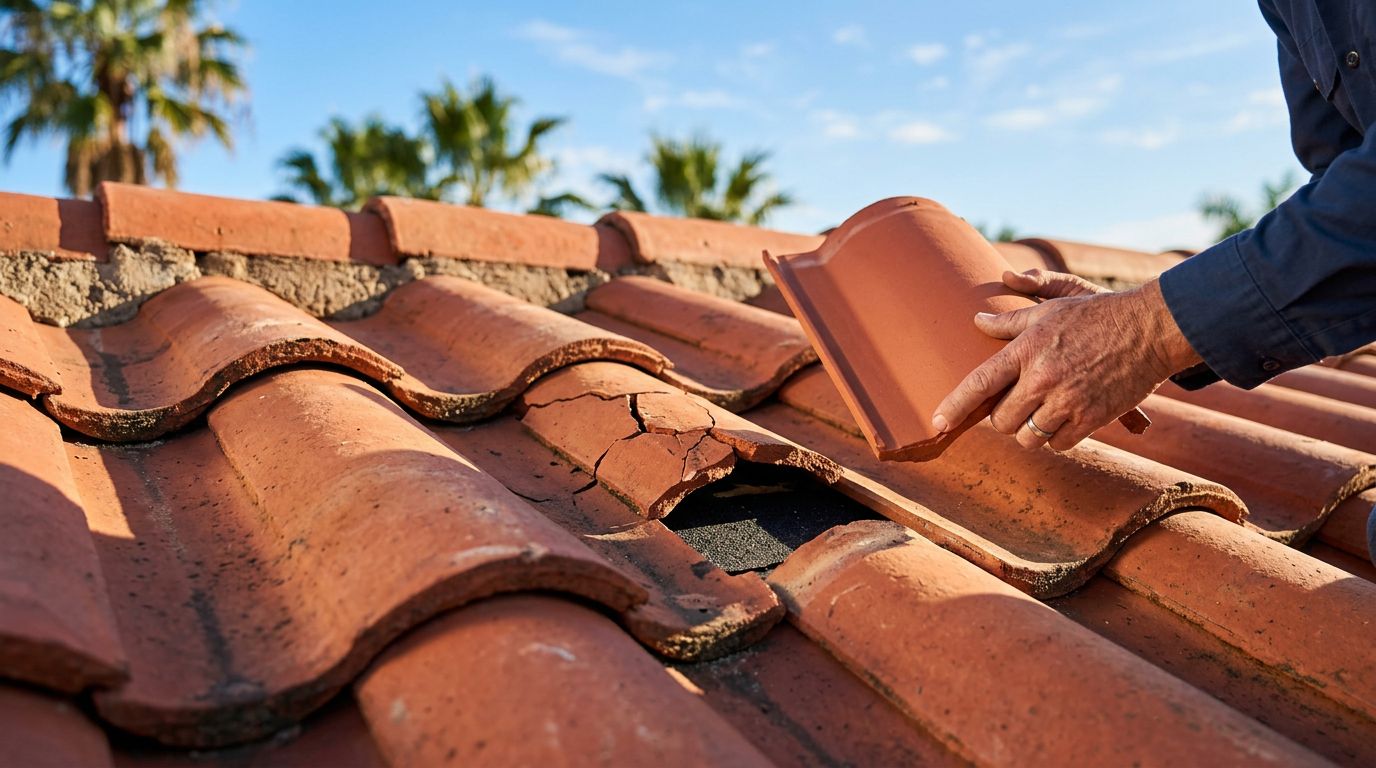
Water trails on rafters often look like dark lines, shiny streaks, or stains that follow the grain. Likely causes include a flashing issue above (pipe boot, chimney flashing, wall flashing), a damaged shingle or tile, or wind-driven rain getting under an edge. Next action : photograph the trail, then look “uphill” from it, because water travels along wood before it drops.
Darkened or soft roof sheathing (the underside of the roof deck) is a bigger concern. If the wood looks swollen, wavy, or crumbly, moisture has been around for a while. Likely causes include a slow leak near a valley or penetration, or repeated storm intrusion. Next action : don’t poke it hard (you can break weakened wood), mark the area with painter’s tape on a nearby rafter, and schedule a professional inspection.
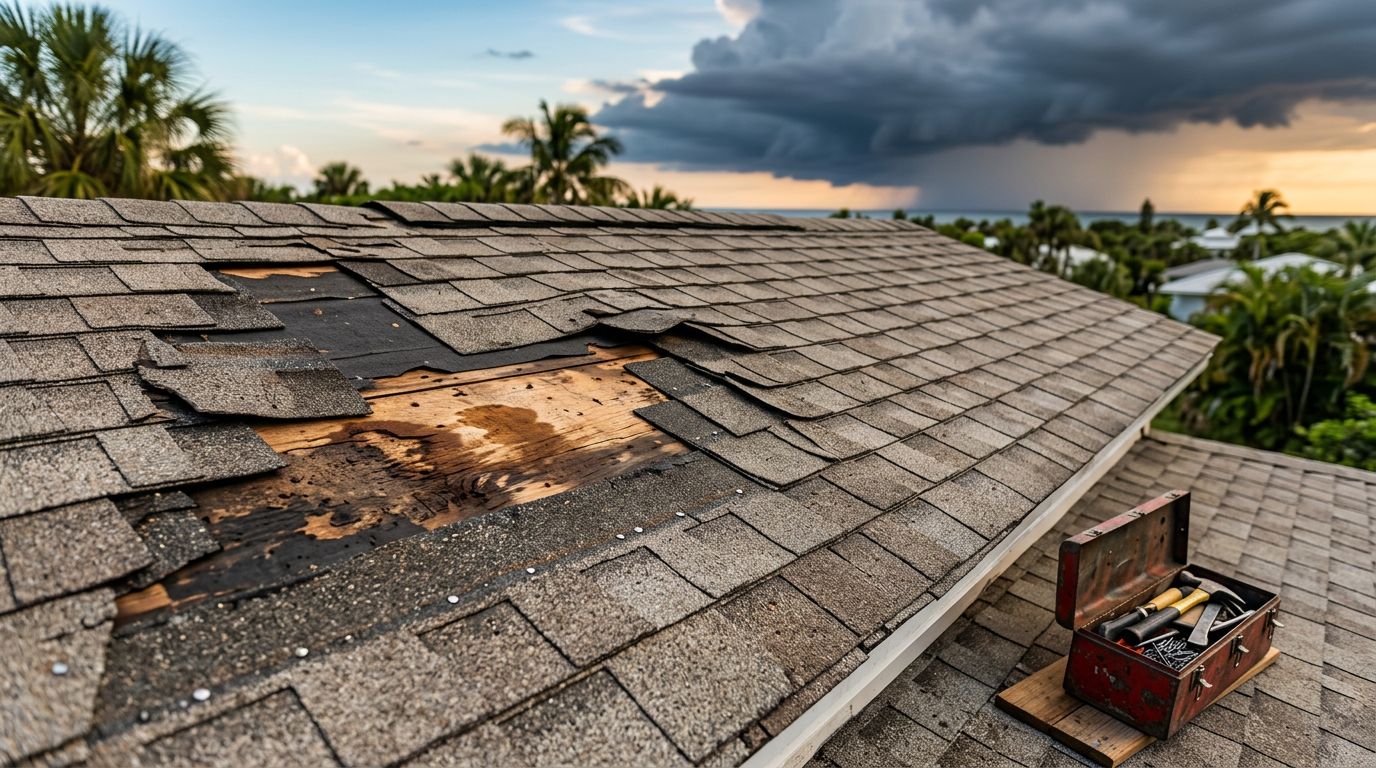
Wet decking near penetrations or valleys is one of the most common “early” attic findings in Florida. Valleys carry lots of water, and penetrations rely on tight flashing. Likely causes include aging sealant, lifted flashing, cracked vent boots, or fasteners backing out. Next action : document it and have the exterior flashing and valley area inspected. For shingle systems, these can line up with the 7 warning signs your shingle roof needs repair .
Insulation and fasteners that reveal hidden moisture
Insulation acts like a sponge and a scoreboard at the same time, it tells you where moisture has been.
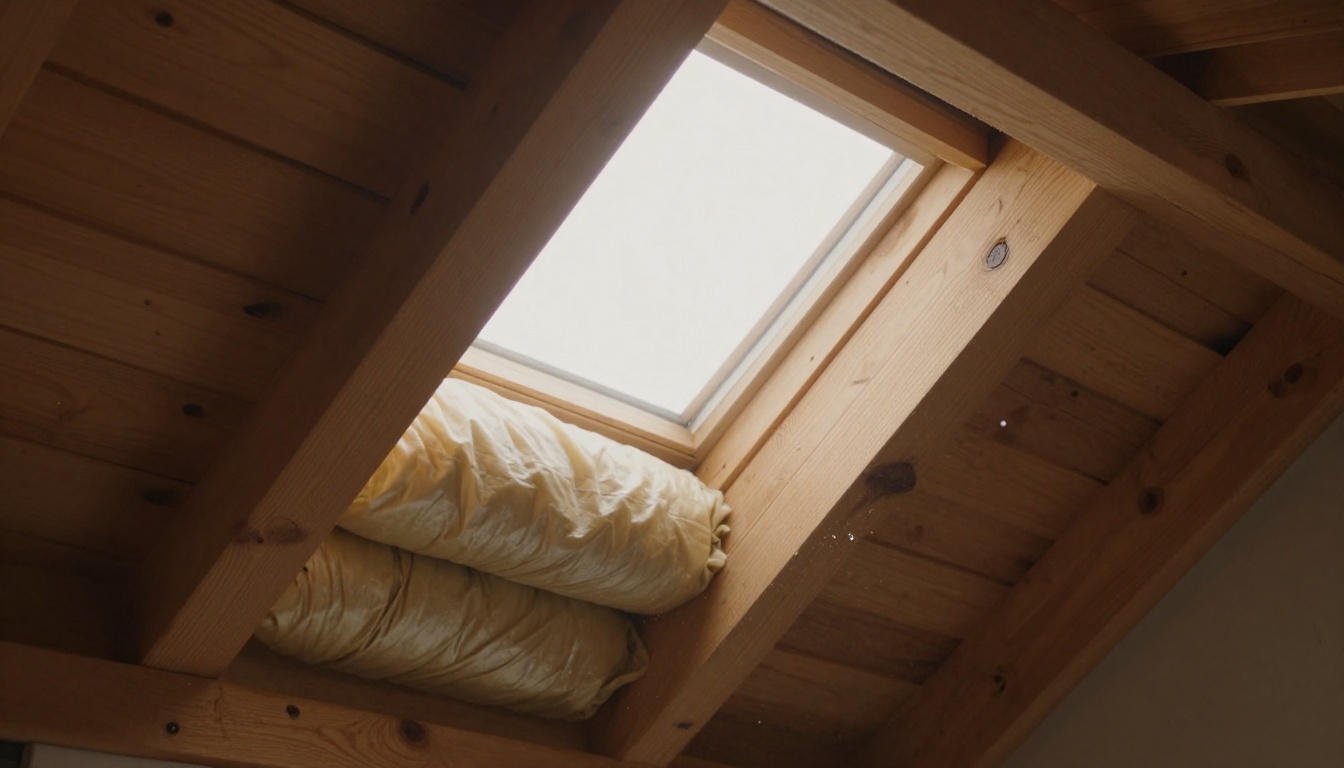
Damp or compressed insulation (especially in patches) can mean a roof leak, even if the wood above looks “fine.” Wet insulation clumps, looks darker, and may feel heavier. Likely causes include a small leak that only happens in certain winds, or water that runs along a rafter before dropping onto the insulation. Next action : avoid stirring it up, take a photo, and keep kids and pets out of the attic until you know what it is.
Rusty nail tips are another strong clue. Nails that poke through the decking may show orange rust or tiny beads of moisture. Likely causes :
- Active leak wetting the decking and nails
- Condensation from poor ventilation or humid air hitting cooler metal
Next action : note whether rust is widespread (more like ventilation/condensation) or concentrated in one area (more like a leak). If you’re weighing how far to go with repairs, this is where a local assessment helps, see roof repair vs. replacement decision guide for practical factors.
Mold or mildew spots can show up on decking or rafters as black, green, or white growth. Pair that with a musty odor , and you’ve got a moisture source, either roof intrusion or trapped humidity. Likely causes include roof leaks, blocked soffit vents, or bathroom fans dumping moist air into the attic. Next action : don’t spray bleach. Improve airflow only after the moisture source is found. If you want a general overview of early attic leak warnings, this attic leak warning sign guide lays out what homeowners often notice first.
Daylight pinholes and vent pipe condensation (leak look-alikes)
Some attic clues aren’t “wet” yet, but they’re still warnings.
Daylight pinholes or thin lines of light through the roof deck can mean cracks, separated sheathing, or gaps near flashing. Likely causes include storm damage, aging materials, or past repairs that shifted. Next action : photograph the light spot and its location relative to a vent pipe or ridge. Don’t seal from the inside with foam or caulk, it can trap moisture and hide rot.
HVAC or vent pipe condensation is common in humid climates. You might see dripping on metal ducts, wet rings on insulation below, or moisture around a pipe. Likely causes include uninsulated ductwork, a disconnected bathroom fan duct, or an attic that’s not venting well. Next action : check that bathroom fans vent outside (not into the attic), and have a pro confirm whether the moisture is condensation or a flashing leak at the roof penetration. If you’re hiring help, use a vetting list like questions to ask a roofing contractor .
DIY temporary mitigation (while you schedule roof repair)
Temporary steps can limit damage, as long as they’re safe and realistic.
- Catch drips with a bucket or plastic bin, and put cardboard under it so you can see new drops.
- Protect insulation and framing below with plastic sheeting, taped in a way that guides water into the bucket (don’t staple into wiring areas).
- Run a dehumidifier in the living space, not the attic, if indoor humidity is climbing.
- Document everything (photos, dates, rainfall notes) for your roofer and, if needed, insurance.
Avoid climbing onto the roof for a tarp unless you have the right equipment and conditions. Wet tiles, metal, and steep slopes are a fall risk.
Print-friendly attic leak check (quick list)
- I wore a mask and used a bright flashlight.
- I stepped only on joists or a walkway, not drywall.
- I avoided wiring, junction boxes, and recessed lights.
- I did not disturb vermiculite or unknown insulation.
- I looked for water trails on rafters.
- I checked for dark, soft, or wavy roof decking.
- I inspected valleys and roof penetrations from below.
- I looked for damp or flattened insulation patches.
- I checked for rusty nail tips (isolated vs widespread).
- I noted musty odors or visible mold or mildew.
- I looked for daylight pinholes through the decking.
- I checked ducts and vent pipes for condensation or drips.
- I took photos and marked locations for a roofer.
Catching attic clues early is like spotting smoke before a fire spreads. When you find even one strong attic roof leak sign , the best next step is a professional inspection that tracks the source, not just the symptom.