Florida Roof Underlayment Options Explained (Peel-and-Stick vs. Synthetic), What Cape Coral Homeowners Should Choose
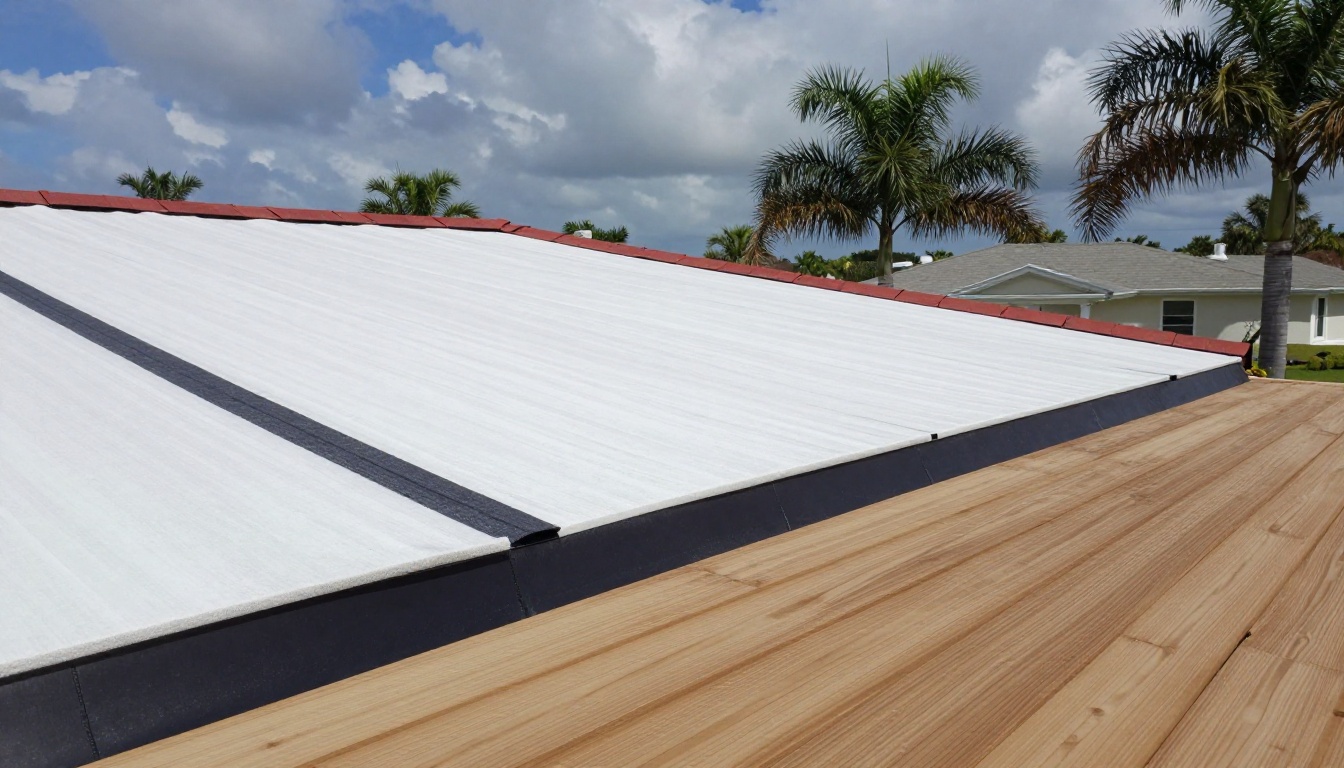
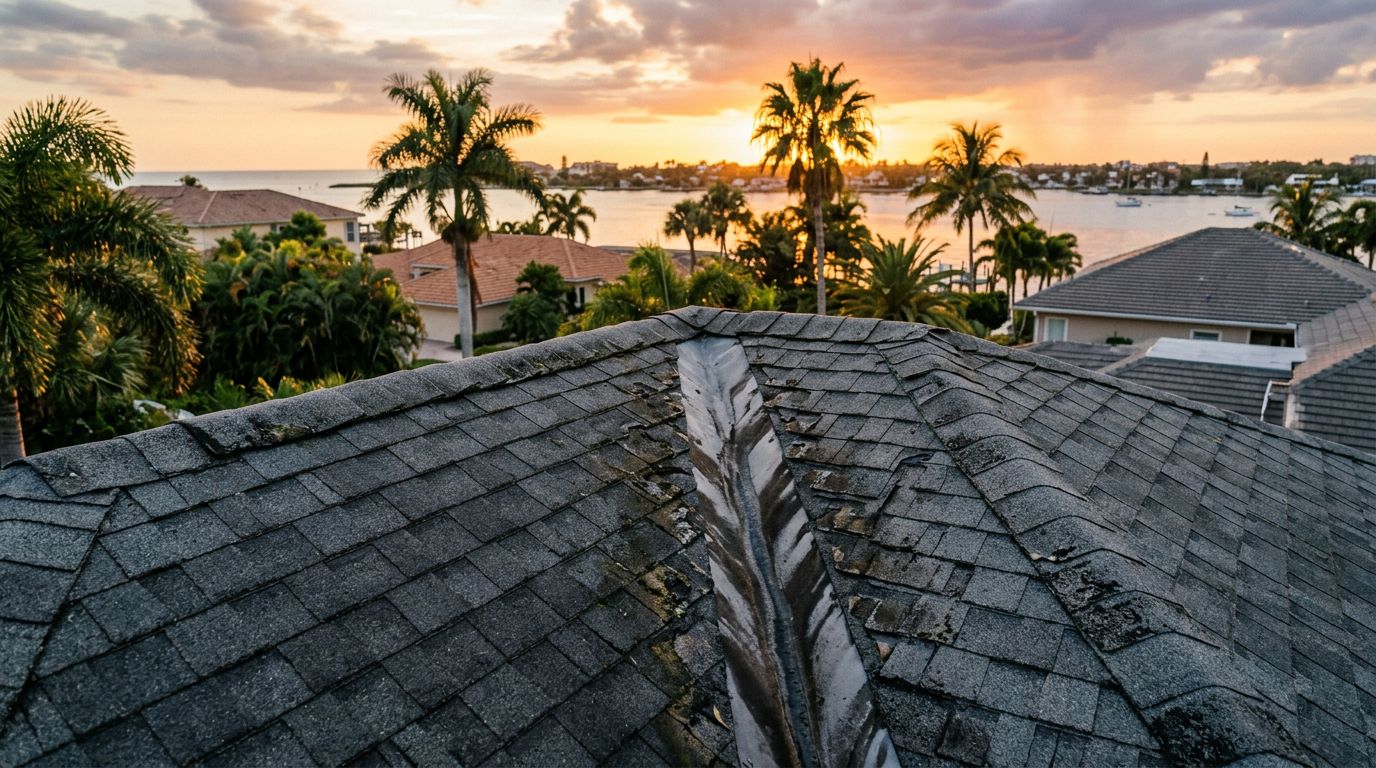
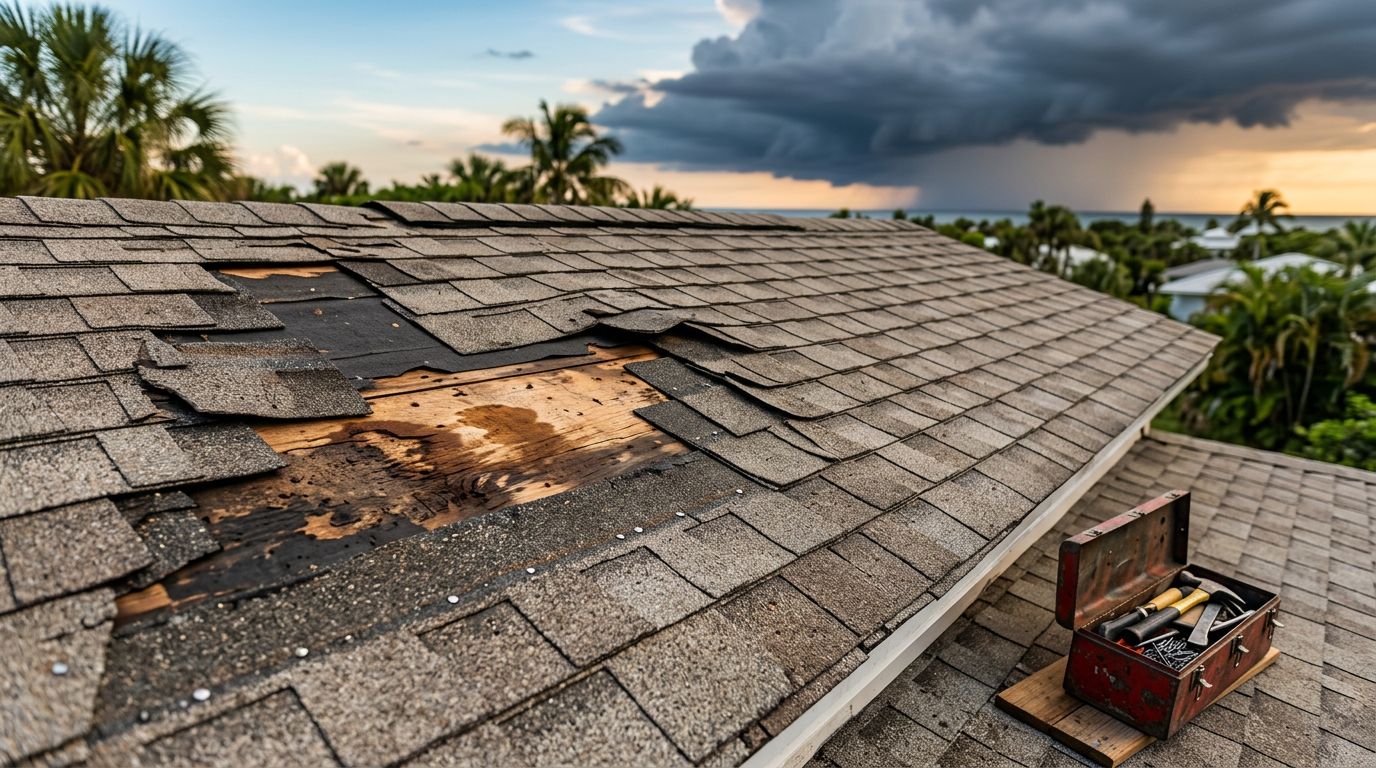
After a Cape Coral storm, shingles or metal panels get all the attention, but the real stress test often happens underneath. Florida roof underlayment is the layer between your roof covering and the wood deck, and it’s the difference between a roof that sheds wind-driven rain and one that lets water find every nail hole.
If you’re planning a reroof, underlayment choices can feel like “roofing insider baseball.” Peel-and-stick or synthetic? Full coverage or just the hard spots? Here’s a practical breakdown, with the tradeoffs that matter in Southwest Florida.
What roof underlayment does in Florida storms (and what the code actually cares about)
Think of underlayment as a raincoat for your roof deck. Your shingles, metal, or tile are the main barrier, but storms don’t always play fair. Gusts push water uphill, debris can crack or lift materials, and a single exposed seam can send water across the deck fast.
Underlayment helps by:
- Blocking wind-driven rain that gets past the roof covering.
- Protecting the deck during install , when the old roof is off and afternoon rain pops up.
- Reducing leak paths around fasteners and joints (depending on the type you choose).
In Florida, the “right” underlayment is not just a preference. It’s tied to the Florida Building Code (FBC), roof slope, wind zone, and product approvals. Cape Coral (Lee County) is a high-wind area, but it’s not in the HVHZ (High-Velocity Hurricane Zone) like Miami-Dade and Broward, where self-adhered membranes are commonly required for more roof applications.
For homeowners who want to see the source language, the FBC Residential roofing and underlayment requirements live in FBC Residential Chapter 9 (Roof Assemblies). Your permit office and inspector may also enforce specific interpretations, so rules can vary by municipality, roof type, and the exact assembly you’re installing.
One more detail that matters for inspections: many roof components, including underlayments, must have Florida Product Approval (or another accepted approval path) for the intended use and wind exposure.
Peel-and-stick vs. synthetic underlayment, the real differences that affect leaks and durability
Both options can be code-compliant, but they behave very differently once the weather turns. Peel-and-stick (also called self-adhered membrane) is like a sticky waterproof sheet. Synthetic is a mechanically fastened sheet, usually polypropylene or similar, rolled out and nailed with cap fasteners.
Here’s how they compare in plain terms:
| Feature that matters in Cape Coral | Peel-and-stick (self-adhered) | Synthetic (mechanically fastened) |
|---|---|---|
| Water resistance | Waterproof membrane when properly lapped and sealed | Water-shedding layer, resists water but relies on laps and fastening |
| Self-sealing around nails | Yes , seals around many penetrations | No , nail holes remain unless sealed by other means |
| Tear strength in wind | Strong, but can be harder to reposition once stuck | Often very tear-resistant , good during install |
| UV exposure limits | Varies a lot by product, don’t assume it can sit exposed | Often longer exposure ratings, still varies by product |
| Walkability | Can be slick when hot or dusty | Often has a textured, grippy surface |
| Weight and handling | Heavier, more labor, more waste if misaligned | Lighter rolls, faster to stage and install |
| Temperature tolerance | Standard versions can get gummy, high-temp versions exist | Many are stable in heat, but not all are rated for high-temp metal assemblies |
| Warranty and system rules | Frequently specified in premium assemblies, must follow exact lap and deck prep rules | Common in shingle systems, must match manufacturer and code fastening patterns |
Water resistance and self-sealing are the big separators. Peel-and-stick shines when wind-driven rain gets under the roof covering, because it can seal around fasteners and resist water even if the top layer is compromised. Synthetic can perform very well, but it depends more on perfect overlaps, cap-nailing patterns, and getting dried-in quickly.
UV exposure is where homeowners get surprised. After storms, schedules slip, materials sit exposed, and underlayment bakes in the sun. Both types have exposure limits, and the only safe answer is: read the manufacturer’s printed instructions for that exact roll . Some products allow weeks, some allow months, and some fail fast if left uncovered.
Warranty implications are real. Many manufacturers tie warranty coverage to the full roof system, including underlayment type, fastener type, and installation method. If you want a deeper checklist mindset before you sign, this guide on underlayment materials in your roof contract helps you spot vague specs that can lead to surprises.
Underlayment guidance for shingles vs. metal roofs in Southwest Florida
Underlayment should match the roof covering, not fight it.
For asphalt shingles , synthetic underlayment is common because it’s light, tough, and quick to install. Many reroofs also use peel-and-stick in the most leak-prone areas, even when the rest of the roof is synthetic, such as:
- Eaves and rakes (where wind-driven rain starts)
- Valleys (where water volume is highest)
- Around penetrations (pipes, vents, skylights)
A full peel-and-stick deck under shingles is usually about extra protection , not a default requirement in Cape Coral. It’s most helpful when you’re worried about storm-driven water intrusion or the home has a history of leaks.
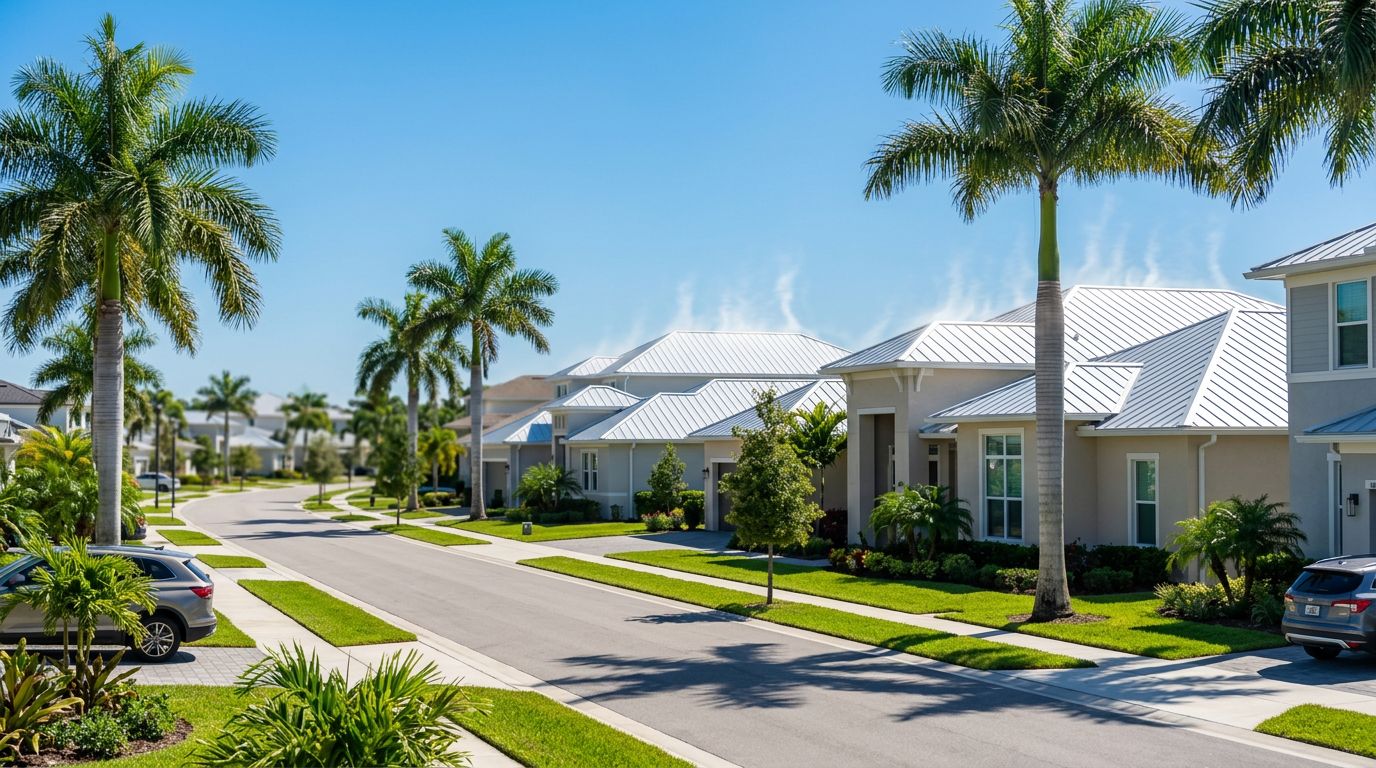
For metal roofs , heat matters more. Dark metal panels can run hot, and some underlayments can soften, stick, or break down if they’re not rated for that environment. Many metal roof systems call for high-temp underlayment , and some assemblies also use a slip sheet (a separation layer) so panels can expand and contract without grabbing the underlayment.
If you’re weighing roof types as part of your reroof, these pages provide helpful context on shingle roofing in Cape Coral and a guide to metal roof types in Cape Coral. Underlayment details change with the panel profile, attachment method, and manufacturer instructions, so the “metal roof underlayment” answer is rarely one-size-fits-all.
Costs in 2026, what drives the price, and the best choice for common Cape Coral scenarios
Underlayment pricing moves with labor, roof complexity, and how much of the deck gets covered with premium membrane.
Ballpark installed ranges in Southwest Florida are often:
- Synthetic underlayment: about $0.25 to $0.75 per square foot
- Peel-and-stick: about $0.50 to $2.00+ per square foot (higher for high-temp products and full-deck coverage)
What actually drives your number:
- Full-deck peel-and-stick vs. selective use (valleys, eaves, penetrations)
- Total squares (roof area), plus waste on complex roofs
- Deck condition (replacing bad sheathing adds cost, but it also protects your new roof)
- Roof height, pitch, and access (labor and safety time)
- Dry-in urgency after a storm (crew size and scheduling)
Best-fit recommendations that usually hold up in Cape Coral:
- Tight budget, still solid protection: synthetic on the field, peel-and-stick in valleys and other vulnerable zones (as allowed by the roof system and permit).
- Highest leak resistance: full-deck peel-and-stick (often high-temp for metal), especially if you’ve had wind-driven rain issues.
- Fast turnaround: synthetic is typically faster to roll out and cap-nail, with fewer deck-prep steps.
- Older decking or lots of nail holes: peel-and-stick can be a safer bet because of its self-sealing behavior, but only if the deck is properly prepped and dry.
Before you approve a proposal, use this quick bid check:
- Exact underlayment brand and model , not just “synthetic” or “peel-and-stick”
- Where peel-and-stick is installed (full deck or locations listed clearly)
- Fastener type and pattern (cap nails, spacing, and edge details)
- High-temp rating if you’re installing metal
- UV exposure limit plan (how they’ll keep it covered if weather delays hit)
- Deck repair allowance and how plywood replacements are priced
- Permits and inspections included , with the municipality named
- Warranty language that matches the manufacturer’s install instructions
Insurance and storm rules can also shape decisions after a claim. For broader context on the current environment, see these Florida homeowner policy updates, then confirm the details with your own agent and carrier.
Safety and permit note: roofing work is dangerous, and code enforcement can vary by permit office. Always use a properly licensed, insured contractor, and confirm your exact underlayment plan will pass inspection for your address and roof type.
Conclusion
Choosing Florida roof underlayment isn’t about picking the “premium” option every time, it’s about matching the layer beneath your roof to Cape Coral’s wind, rain, heat, and your home’s weak spots. Synthetic underlayment is a strong everyday choice, peel-and-stick adds the most leak resistance, and metal roofs often push you toward high-temp versions and stricter manufacturer rules. If your bid spells out the exact products and where they go, you’re already ahead of most post-storm reroof headaches.