Flat Roof Options for Florida Homes in Cape Coral, TPO vs. Modified Bitumen vs. Built-Up Roofing
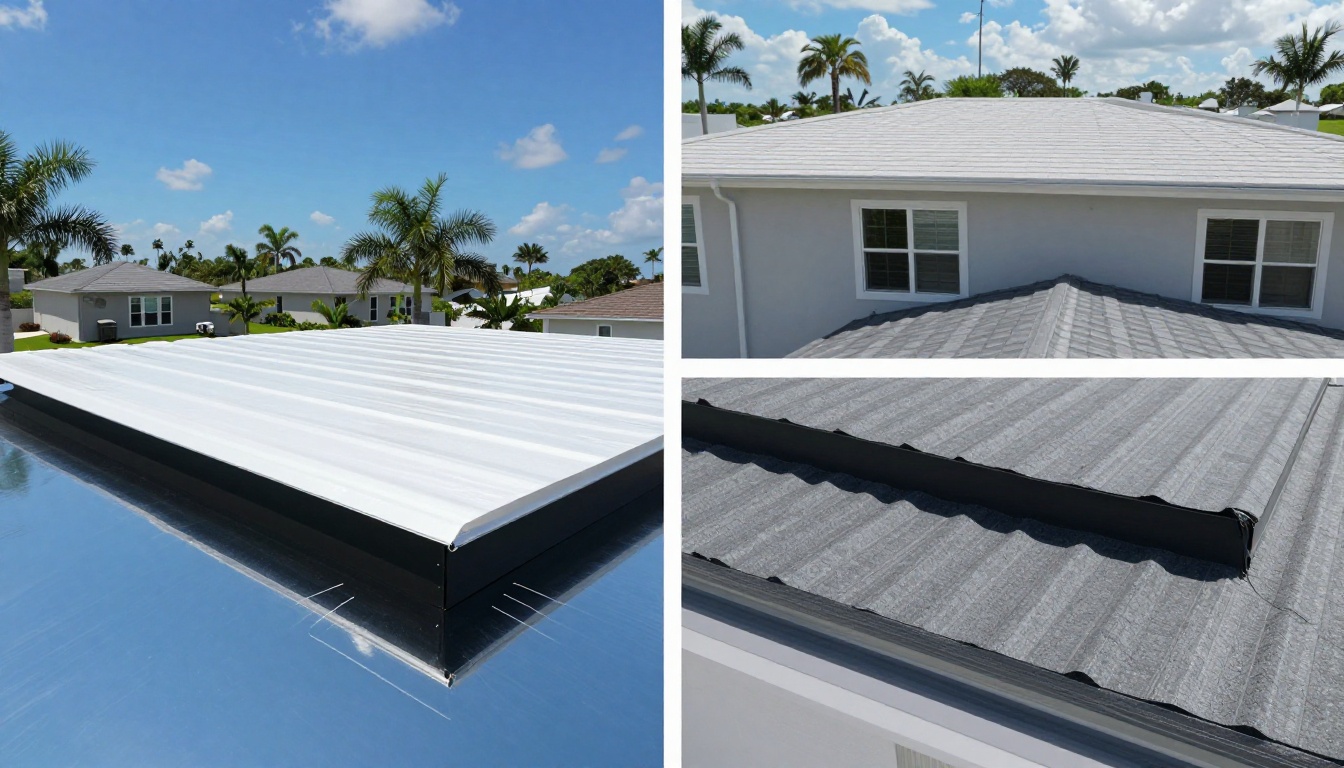
A flat roof in Cape Coral sounds simple until the first summer downpour hits, the sun bakes the membrane all day, and hurricane season shows up with sideways rain. Then the details matter, drainage, attachment, edge metal, and whether your roof system is approved for Florida.
If you’re comparing flat roof options Florida homeowners actually use on low-slope homes, three systems come up most: TPO, modified bitumen, and built-up roofing (BUR). They can all work here, but they don’t fail the same way, and they don’t ask for the same upkeep.
Below is a practical, Cape Coral focused look at how these systems handle ponding water, wind uplift, salt air, insulation, and warranties, so you can pick with confidence.
What a Cape Coral “flat” roof has to handle (before you pick a membrane)
Most “flat” roofs aren’t truly flat. Florida’s current building standards call for positive drainage , commonly designed around a minimum slope of about 1/4 inch per foot . If water sits for long periods, you’re not just risking leaks, you’re also risking voided warranties (many manufacturers exclude chronic ponding).
Drainage is also about overflow. Low-slope roofs typically need primary drains plus emergency overflow drainage , so a clogged drain doesn’t turn your roof into a pool. In Cape Coral, leaves, palm fronds, and wind-blown grit are enough to clog strainers fast.
Wind is the next big filter. In hurricanes, uplift forces hit corners and perimeters hardest. The roof might be fine in the field area, then fail at the edge where metal, fasteners, and membrane terminations weren’t built to the right pressures. Ask your roofer how they’re addressing higher uplift zones at corners and along parapets, not just what membrane they’re using.
Insulation choices matter more than most homeowners think. Florida energy rules often drive at least R-20 on many roof assemblies, and on a low-slope roof that usually means layers of rigid insulation like polyiso . For better durability, many contractors add a cover board (such as high-density boards) above insulation to reduce hail and foot-traffic damage and help the membrane resist fastener pull-through.
Finally, Cape Coral’s coastal air is hard on metal. Salt doesn’t “attack” the membrane, it goes after metal flashings, screws, plates, and edge details . Hardware selection (and correct separation of dissimilar metals) is a quiet make-or-break detail, especially near canals or the river.
TPO vs. modified bitumen vs. built-up roofing (BUR): how they really compare in Southwest Florida
All three systems can meet Florida requirements when the assembly is designed correctly, meaning the right approved products, attachment method, uplift ratings, and edge details. The differences show up in seams, maintenance style, and how forgiving each system is when water tries to linger.
TPO roofing for Cape Coral low-slope homes
TPO is a single-ply membrane, usually installed in white for strong sun reflectance. That “cool roof” benefit can make upstairs rooms feel less harsh in summer, and it can reduce HVAC run time, especially when paired with the right insulation thickness.
TPO’s main strength is also its weak spot: seams . They’re heat-welded, and when the welds are clean and done right, they’re tough. When they’re contaminated (dust, moisture, rushed prep) or a detail is sloppy around penetrations, leaks often start there.
Common watch-outs on TPO in Cape Coral include:
- Weak terminations at parapet caps, scuppers, and equipment curbs
- Poor weld quality at field seams
- Damage from service traffic if the roof isn’t protected with walk pads
TPO is a solid pick if you want reflectivity, a clean look, and a lighter system, as long as your contractor is disciplined about seam quality and edge details.
Modified bitumen (mod-bit): a tougher “hybrid” feel
Modified bitumen is an asphalt-based membrane system, often installed in sheets with seams sealed by torch, hot asphalt, cold adhesive, or self-adhered methods (the best choice depends on the building and jobsite conditions). It tends to feel more rugged underfoot than many single-plies.
Mod-bit often shines on roofs with lots of details because the material can be very good at wrapping penetrations and transitions when installed carefully. Many versions come with granulated cap sheets, which help protect against UV.
Where mod-bit gets into trouble is usually:
- Seams and laps that weren’t fully bonded
- Flashings that age faster than the field membrane
- Blisters from trapped moisture or poor adhesion
For homeowners who want a “traditional” low-slope system with a sturdy feel and straightforward repairs, mod-bit is often a comfortable middle ground.
Built-up roofing (BUR): layered protection with more weight
BUR is the old-school multi-ply roof, built from layers of asphalt and reinforcing plies, often topped with gravel or a cap sheet. Think of it like a layered jacket. It’s not fancy, but it can be very durable, and it handles foot traffic well compared to many single-plies.
BUR can be a good option when durability is the top goal, or where the roof sees more service traffic. It can also offer redundancy because it’s multiple layers , not one sheet.
Typical problems with BUR tend to be:
- Cracks or splits from movement over time
- Aging asphalt and surfacing loss
- Hidden moisture trapped in layers if leaks go unnoticed
BUR is also heavier and can be messier to install, so the installer’s process and the building’s structure both matter.
Quick comparison table for Cape Coral homeowners
| System | What it does well in Cape Coral | Common failure points | Best fit |
|---|---|---|---|
| TPO | Reflective “cool roof,” lighter system, clean finish | Bad heat-welded seams, weak edges, punctures from traffic | Homes wanting energy savings and a modern single-ply |
| Modified bitumen | Tough surface, strong detailing at penetrations, repairs are often simple | Lap issues, flashing failures, adhesion blisters | Detail-heavy roofs and owners who want a sturdy membrane |
| Built-up roofing (BUR) | Multi-layer durability, good for traffic, time-tested assembly | Aging asphalt, cracks, trapped moisture | Owners prioritizing longevity and ruggedness over weight |
Choosing the right system (and the right contractor) for a Cape Coral flat roof
A roof system is only as good as the paperwork and installation behind it. Start with approvals. Ask which components have Florida Product Approval (or a Miami-Dade NOA where required), not just the membrane. That includes adhesives, fasteners, insulation, cover boards, and edge metal.
Next, talk attachment and uplift. Your contractor should be able to explain:
- How they’re meeting wind uplift needs for field, perimeter, and corner zones
- Whether the system is mechanically fastened, adhered, or a hybrid
- How edge metal is specified and attached (this is where blow-offs often begin)
Then get practical about drainage. If your roof has low spots, the fix usually isn’t “better membrane.” It’s tapered insulation , crickets behind HVAC stands, improved drains, or corrected slopes. A roof that holds water is always on a shorter leash.
Warranties deserve plain language. There’s usually a manufacturer warranty (materials, sometimes limited labor) and a contractor workmanship warranty (installation). Common warranty killers include ponding water that isn’t corrected, unapproved products, poor ventilation or insulation decisions outside the approved assembly, and unqualified trades cutting new penetrations later.
Here’s a short checklist to keep your decision grounded:
- Ask about permits and inspections in Cape Coral, including required paperwork.
- Confirm Florida Product Approval for the full assembly, not just the top layer.
- Request the uplift approach for corners, perimeters, and edge metal.
- Plan drainage fixes (tapered polyiso, crickets, drain upgrades) before the membrane goes down.
- Choose corrosion-resistant metals and fasteners for salt-air areas.
- Clarify warranty coverage and exclusions in writing, including who you call first.
- Discuss maintenance (drain cleaning schedule, inspection timing after storms).
Conclusion
Choosing between TPO, modified bitumen, and BUR isn’t about picking the “best” membrane, it’s about picking the best system for your roof’s shape, drainage, and wind exposure. In Cape Coral, the winners are usually the roofs with strong edge details, correct uplift design, and drainage that doesn’t let water linger.
If you want your next roof to last, treat approvals, attachment, and drainage like non-negotiables, then pick the membrane that fits your budget and maintenance comfort. Your future self, and your ceiling, will thank you.