Should You File a Roof Claim or Pay Out of Pocket in Florida

A Florida roof claim can look simple until the estimate, deductible, and policy language land on the same table. A repair that feels expensive may still be cheaper than filing a claim, while a bigger storm loss can be a poor time to guess.
In Florida, the right choice depends on hurricane deductibles, ACV versus RCV coverage, roof age, exclusions, and even your claim history. This is general information, not legal or insurance advice, and policy terms can change.
The safest move is to compare the numbers first.
Start with the repair estimate and your deductible
The first question is basic: how much will the repair cost, and how much do you pay before insurance helps?
If the estimate is below your deductible, filing often does little for your wallet. If the estimate is only a little higher than the deductible, the claim may still leave you with most of the bill.
Here is a simple way to compare the main factors:
| Factor | What to check | Why it matters |
|---|---|---|
| Repair estimate | Is the work clearly above your deductible? | A small gap may not justify a claim. |
| Deductible | Is it a flat amount or a hurricane percentage? | Florida storm deductibles can be much higher. |
| Coverage type | Does the policy pay ACV or RCV? | Depreciation can shrink the check. |
| Exclusions | Is the damage wear, tear, or storm related? | Excluded damage usually gets denied. |
| Claim history | How many claims have you filed recently? | More claims can affect renewal or rates. |
That table is the heart of the decision. If the repair is modest and the deductible is large, paying out of pocket often makes sense. If the damage is sudden, broad, and clearly covered, a claim may be the better financial move.
A claim is a financial decision, not just a damage report.
If you need a roof replacement and want to avoid surprises, a licensed roofer can help you compare the estimate against the policy language before you file.
Florida rules that can change the answer
Florida adds a few layers that homeowners in other states do not always face. The biggest one is the deductible.
If your loss came from a named storm, your hurricane deductible may apply instead of your regular one. That deductible is often based on a percentage of your dwelling coverage, so it can be much larger than expected. For a plain-English breakdown, see Florida hurricane deductibles for roof claims.
Florida policies can also use a separate roof deductible. The Florida CFO says some carriers can offer that as an opt-out endorsement, but it has to be presented clearly. That matters because a roof claim may look manageable until the deductible takes a bigger bite than you planned.
Coverage type matters too. If your policy pays actual cash value, age and wear reduce the payment. If it pays replacement cost, you may get more, but usually in stages and after the work is done. If you want a simple explanation, ACV vs RCV roof claims in Florida is a good place to start.
Florida timing rules matter as well. As of May 2026, many property claims must be reported within one year of the loss, and supplemental claims usually have an 18-month window. Insurers also have statutory response deadlines once the claim is properly opened. Since some 2026 changes are set to begin on July 1, it helps to check the current rules before you file.
When filing a claim makes sense
A claim usually makes more sense when the damage is sudden, well documented, and expensive enough to clear the deductible with room to spare.
That often includes:
- storm damage from wind or hail
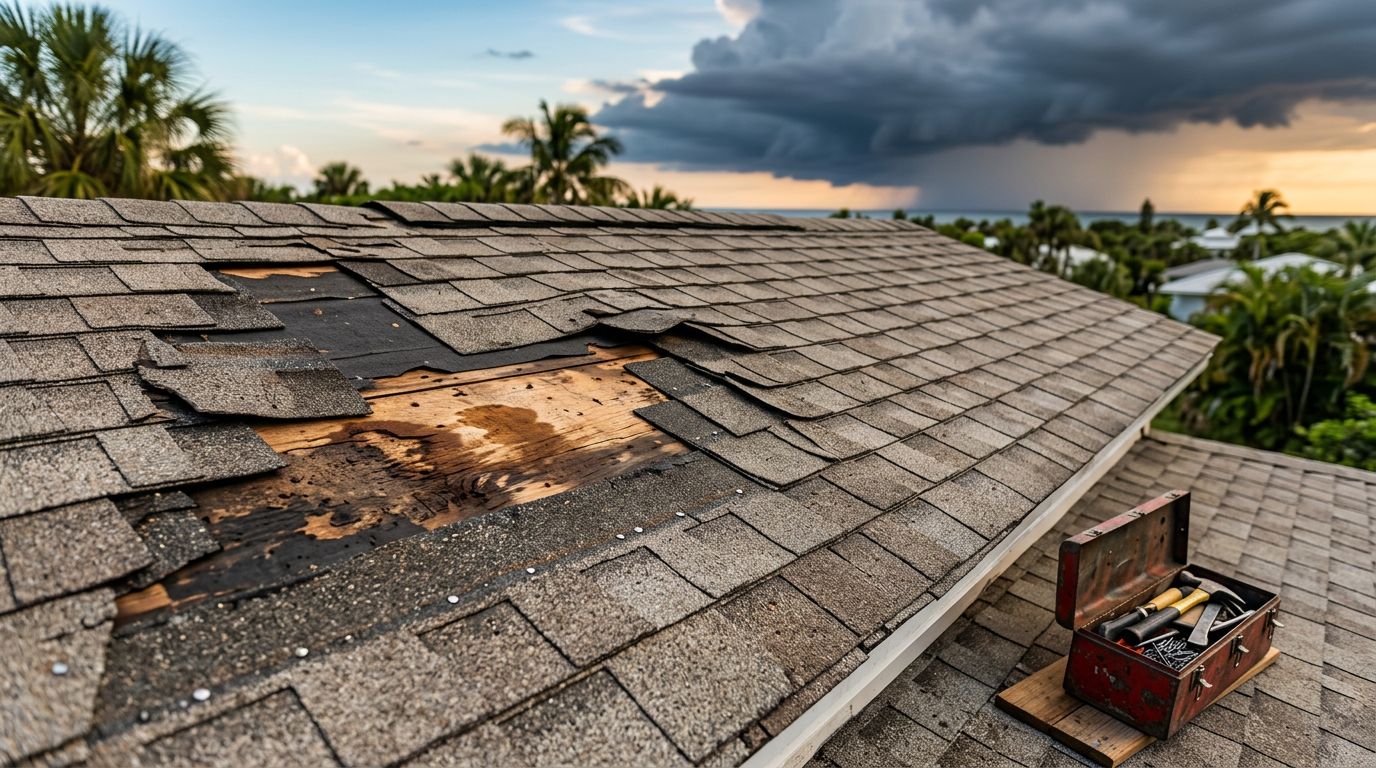
- multiple missing or lifted shingles
- leaks tied to a recent event
- interior water damage that started with roof failure
- repairs large enough that code-related work may be part of the job
Documentation matters here. Take photos before anything is moved or covered, save emergency repair receipts, and keep notes on when you found the damage. A post-hurricane roof inspection checklist can help you collect the right proof in a hurry.
Good records also lower the chance of a dispute later. Many denials come down to proof, timing, or cause, not just the size of the loss. If you want to see the most common problems in plain language, common reasons insurance denies Florida roof claims is worth a read.
Storm claims also make more sense when the roof is part of a larger loss. If the damage touches more than one slope, affects flashing, or exposes the home to more water, the repair bill can climb fast. In that case, paying out of pocket may save the claim record, but it can leave you underprotected if hidden damage shows up later.
When paying out of pocket is the better move
Paying out of pocket can be the smarter choice when the problem is small, local, or likely tied to wear and tear.
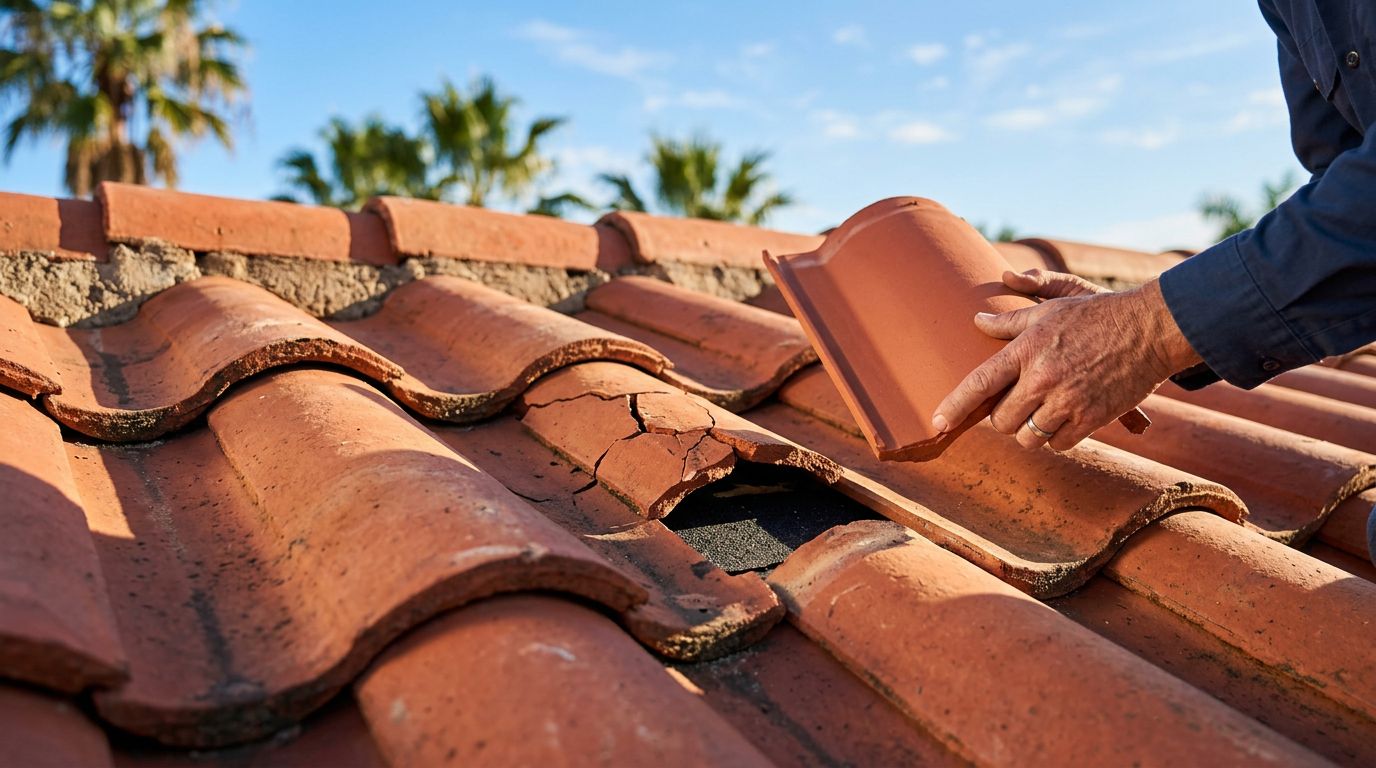
That often looks like a minor leak around a vent, a few damaged shingles on an aging roof, or a repair estimate that sits below the deductible. If the roof is already near the end of its useful life, a claim may not bring the value you expect. The insurer may also apply depreciation, exclusions, or a narrow scope of damage.
Claim history matters too. Even when a claim is valid, it can still affect your future premiums or renewal options. If you have already filed a few claims in recent years, you may want to save the claim for a bigger loss.
A roof claim can also become messy if the insurer's payment comes in lower than the estimate. That does not always mean the carrier is ignoring the job. It may mean depreciation, exclusions, or a scope issue came into play. If that happens, what to do when insurance pays less than your roof estimate explains the next step.
Paying cash can also give you more control. You can choose the repair timing, avoid a claim file, and keep the job moving without waiting on an adjuster. For some homeowners, that flexibility is worth more than a small payout.
A simple way to decide
If the choice still feels muddy, use a short decision path.
- Confirm the cause. Storm damage and wear and tear are treated very differently.
- Get a written estimate from a licensed roofer.
- Compare that estimate to your deductible, not just to what the roof "should" cost.
- Check whether your policy is ACV or RCV, and look for exclusions or roof-specific deductibles.
- Think about your claim history, because the next premium matters too.
- If the roof damage is major or the numbers are close, ask for a full inspection before you decide.
That process keeps the decision grounded in facts instead of stress. It also helps you avoid filing a claim that never had a real chance of paying enough.
If the roof is storm-damaged, a local inspection can reveal hidden issues like lifted flashing, cracked seals, or soft decking. Those problems are easy to miss from the ground, and they can change the math fast.
Conclusion
The best answer is the one that fits your policy and your roof, not the one that feels fastest in the moment. A Florida roof claim makes sense when the damage is sudden, documented, and larger than your deductible.
Paying out of pocket is often better when the repair is small, the damage looks like wear, or the claim would not change your bottom line much. When the numbers are close, a licensed roof inspection is the easiest way to get clarity before you file.