Common Reasons Insurance Denies Florida Roof Claims In 2026

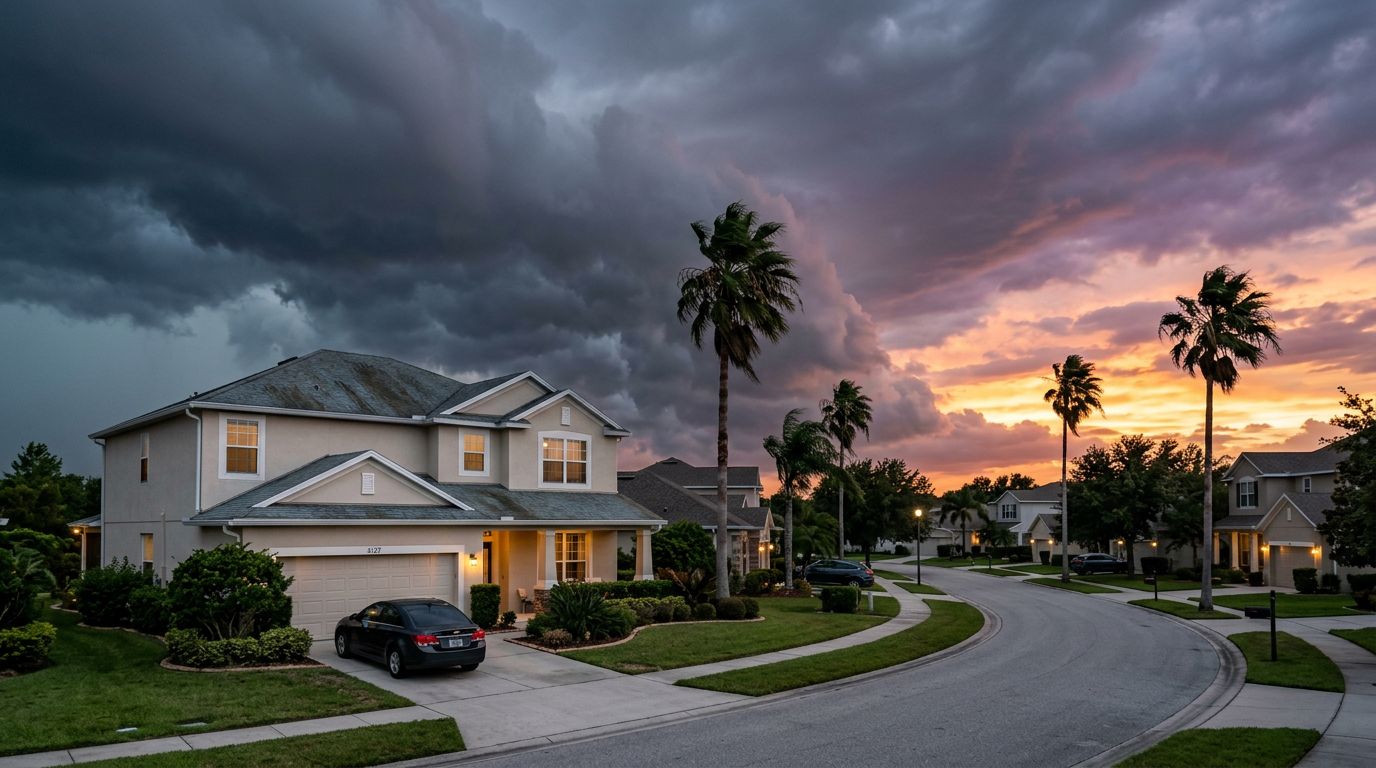
A roof claim can feel simple. A storm hits, shingles lift, water shows up, you file. Yet Florida roof claim denials still happen every day in 2026, often for reasons that frustrate homeowners because they sound like technicalities.
The good news is that many denials follow patterns. Insurers look for a clear covered cause, a clear date of loss, and proof the roof was in decent shape before the event. When any of those are missing, the claim gets harder.
Below are the most common (and legitimate) denial rationales Florida homeowners run into, plus practical ways to protect your claim before and after the next windstorm.
Wear-and-tear and "pre-existing damage" are still the top denial themes
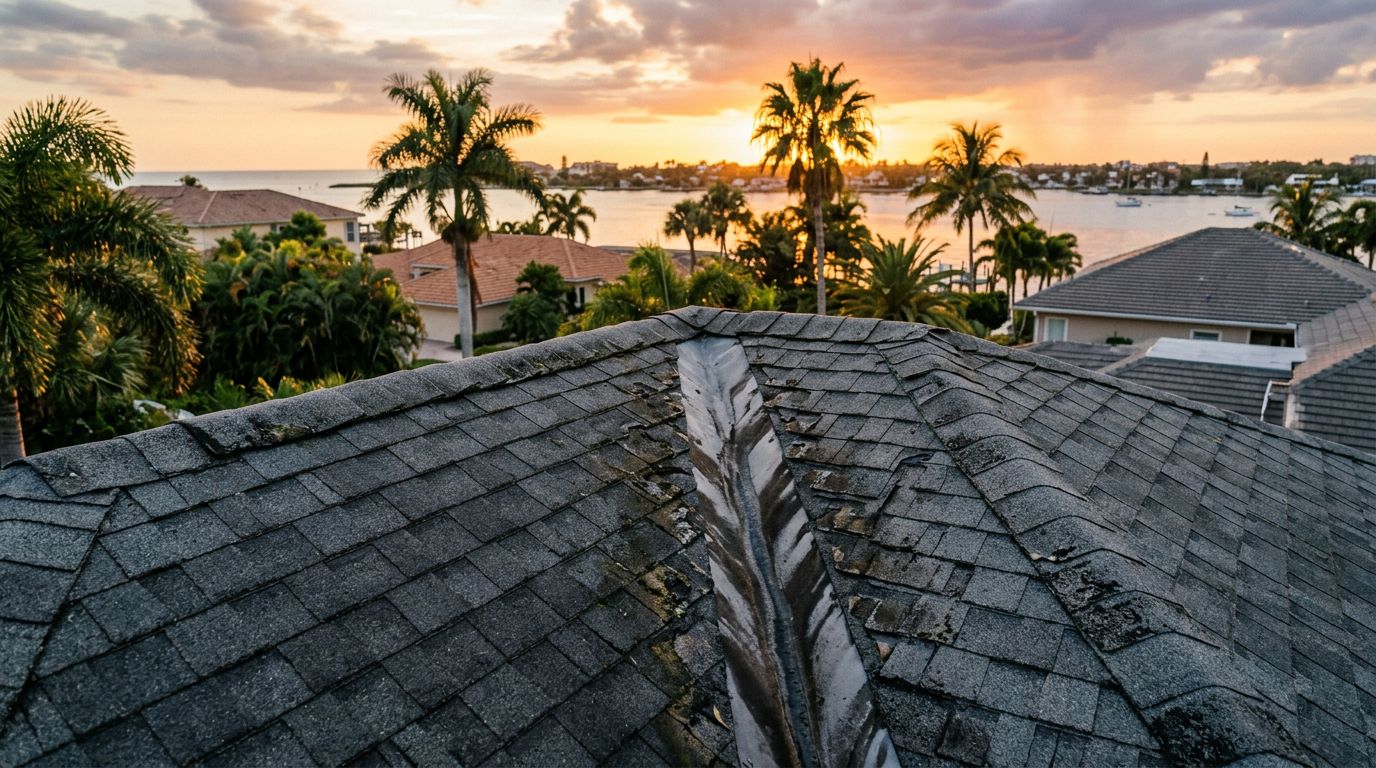
Insurance is built for sudden damage, not aging. That's why "wear and tear," "deterioration," and "maintenance-related damage" remain common explanations behind Florida roof claim denials in 2026.
Think of a roof like tires. If they're bald, a pothole didn't cause the whole problem. In the same way, an adjuster may agree a storm happened, but still say the roof failed due to age, brittle materials, or long-term exposure to heat and salt air.
Here's what often triggers this denial track:
- Granule loss, curling, or brittle shingles that suggest end-of-life, not a single event.
- Old leaks or stains in the attic that point to long-term seepage.
- Prior repairs that weren't completed correctly, leaving weak spots.
- No maintenance history , which makes "neglect" easy to argue.
You don't need a perfect roof to have a valid claim. However, you do need to show storm-related damage is real and distinguishable from normal aging.
A simple habit helps a lot: document the roof's condition before hurricane season. Save inspection notes, photos, and receipts. If you're unsure what to track, this Cape Coral roof maintenance checklist is a good starting point for the kind of basics that later support a claim.
If you can't show what changed after the storm, the insurer may assume it didn't change much at all.
Late notice, weak documentation, and missed mitigation can sink a claim fast
Many denials have less to do with the roof and more to do with process. In plain terms, insurers expect you to act like an owner protecting the home, not like a bystander waiting for damage to spread.
Timely notice problems (especially after hurricanes)
Florida claim deadlines can be strict, and hurricane claims often have shorter reporting windows than other losses. Even when you're within a legal deadline, a long delay can still create a "late notice" dispute. The carrier may say the delay prevented them from confirming cause and scope.
Reporting quickly also matters because Florida storms stack up. If two wind events happen close together, you need to tie your damage to the right date.
"Failure to mitigate" and preventable interior damage
After a windstorm, insurers expect reasonable steps to stop more damage. That can mean tarping, removing wet materials, or drying out the attic. If you wait and water keeps coming in, the carrier may deny part of the claim as preventable.
Paperwork gaps that make the claim look uncertain
Adjusters and desk reviewers rely on documentation. Without it, they may write "no evidence of a covered peril" or "unable to determine storm-created opening."
Here's a quick way to think about what helps:
| What the insurer needs to see | What you can provide |
|---|---|
| A clear storm date | Weather alerts, news screenshots, notes on when leaks started |
| Sudden damage indicators | Photos of lifted shingles, displaced tiles, creased shingles |
| Proof you acted promptly | Tarp invoice, moisture mitigation receipt, dated photos |
| A consistent story | Short timeline you can repeat without changing details |
The takeaway is simple: a claim file is like a court folder. It should tell the same story from top to bottom.
Also, keep permitting in mind when repairs turn into larger work. Unpermitted roof replacements can create nasty coverage arguments later. If you're in Lee County, start with Cape Coral roof replacement permit requirements so you know when the city expects a permit and inspections.
Cause-and-scope disputes: windstorm vs wear, "concurrent causation," and replacement pushback
Even with fast reporting and great photos, denials often come down to one question: what caused the damage ?
Windstorm damage that doesn't "present right"
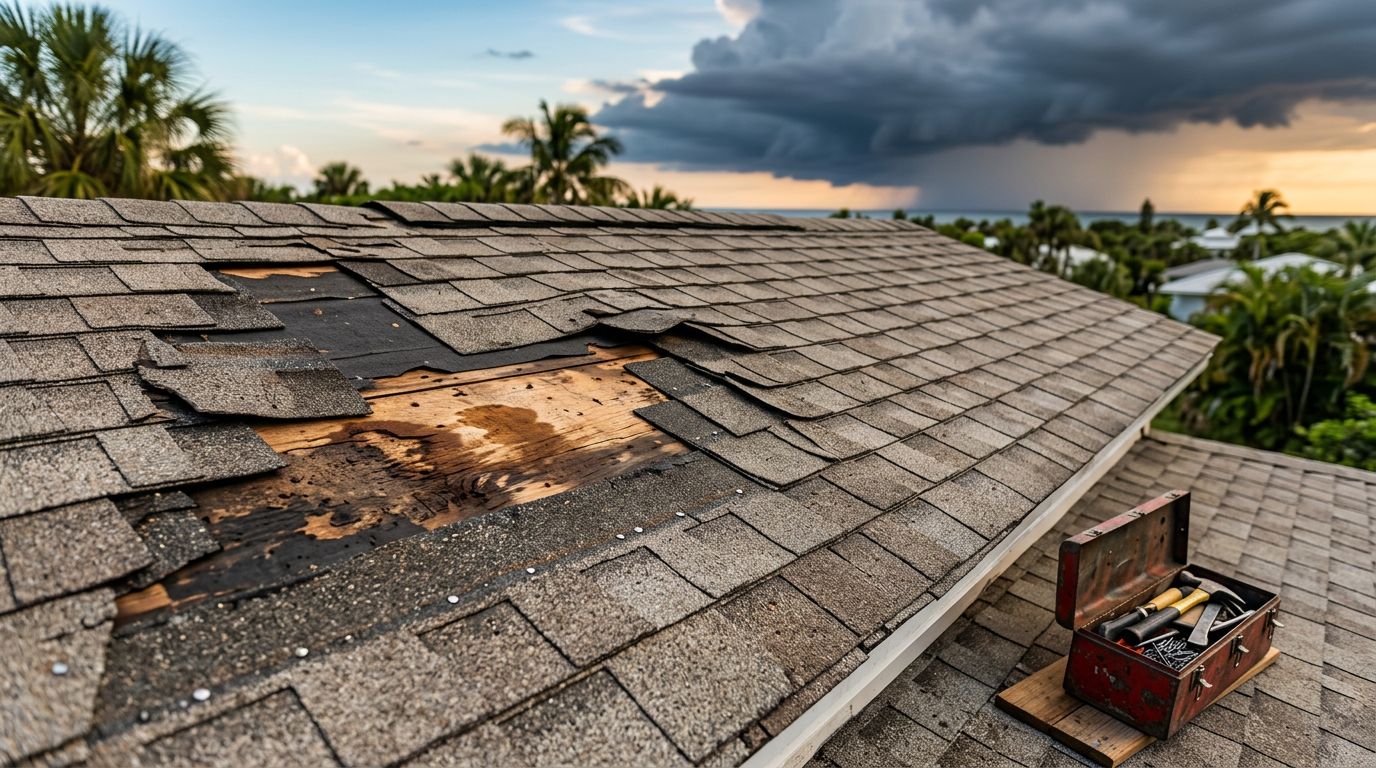
Florida wind damage doesn't always look dramatic from the street. Wind can break seals, lift edges, and crease shingles without leaving a giant hole. Meanwhile, older roofs can show the same symptoms from heat and time. That overlap is where insurers and homeowners clash.
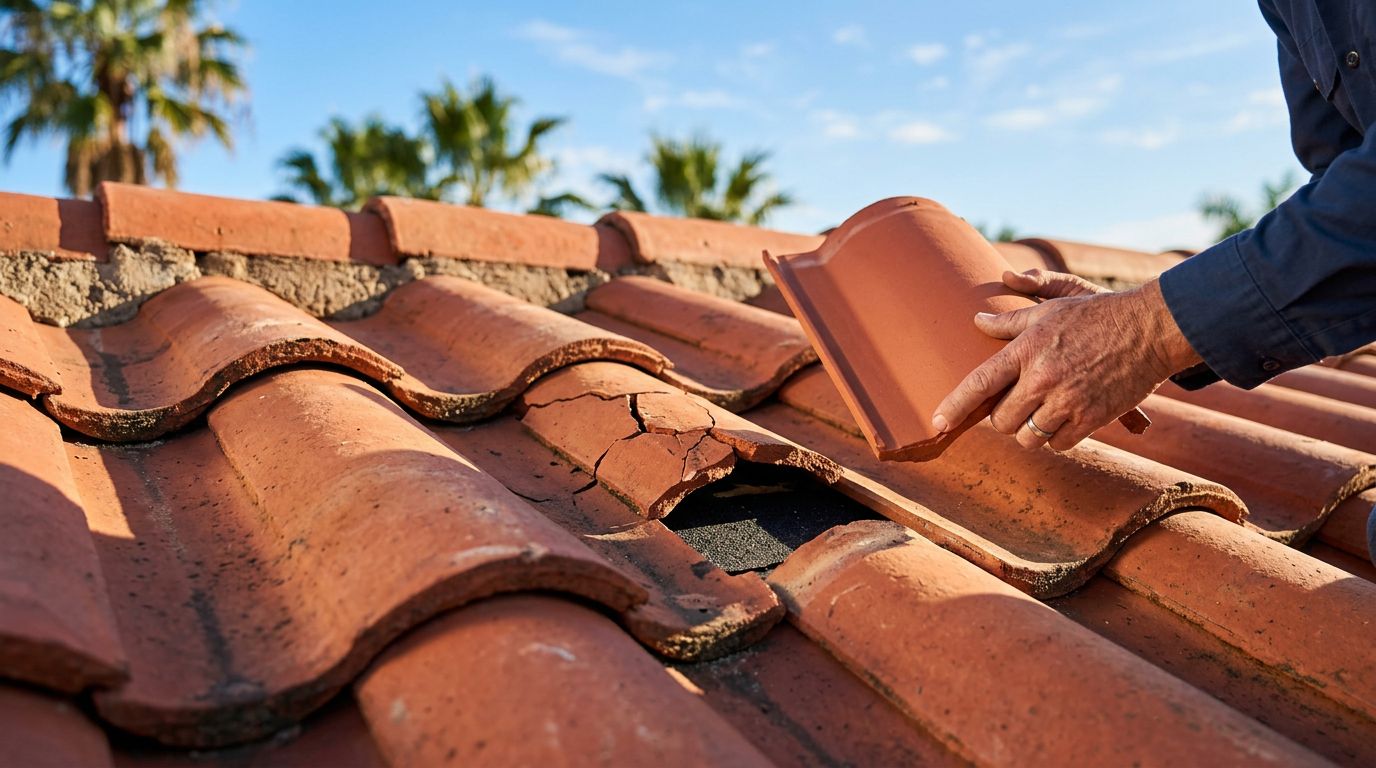
To lower denial risk, your documentation should connect damage patterns to wind. Examples include lifted starter strips, creased tabs, displaced hip and ridge caps, or broken tile corners consistent with uplift.
Concurrent causation arguments
You may hear some version of: "The roof was already worn, so the storm isn't covered." This is the heart of many concurrent causation disputes, where covered wind combines with excluded wear and tear.
What helps most is separating the timeline:
- What was normal aging before the storm?
- What changed immediately after the storm?
- What failed in a way that matches wind-driven forces?
Repair vs replacement disagreements (and code angles in 2026)
Carriers often prefer repair, while homeowners worry repairs won't hold in the next hurricane. Denials and partial denials can happen when the insurer says the roof is repairable, but the homeowner believes replacement is needed.
Two things drive the fight in 2026:
- Matching and uniform appearance : Some roof systems can't be patched cleanly, especially with discontinued materials.
- Code-related upgrades : Re-roofs may trigger Florida Building Code requirements, and documentation matters.
If you're planning a re-roof this year, understanding the paperwork side of code compliance helps you avoid claim friction later. This overview of 2026 Florida roofing code updates for re-roofs explains why inspectors and permit files matter more than most homeowners expect.
One more "not a denial, but it feels like one" issue: the hurricane deductible . After a named storm, a 2 percent to 5 percent deductible can swallow smaller roof losses. Homeowners sometimes interpret that as denial when it's really math.
Conclusion
Florida storms don't just test shingles, they test documentation. Most Florida roof claim denials in 2026 trace back to wear-and-tear arguments, late reporting, missing proof, or a cause dispute you didn't see coming. If you build a habit of inspections, dated photos, and quick mitigation, you lower the odds of a painful surprise.
This article is general information, not legal advice. If you're facing a denial or you're unsure what damage came from a windstorm, start with a professional roof inspection and a clear paper trail, then decide your next step with confidence .