
Florida Hurricane Deductibles Explained for Roof Claims

A roof claim can look simple until the deductible shows up. Then the numbers change fast.
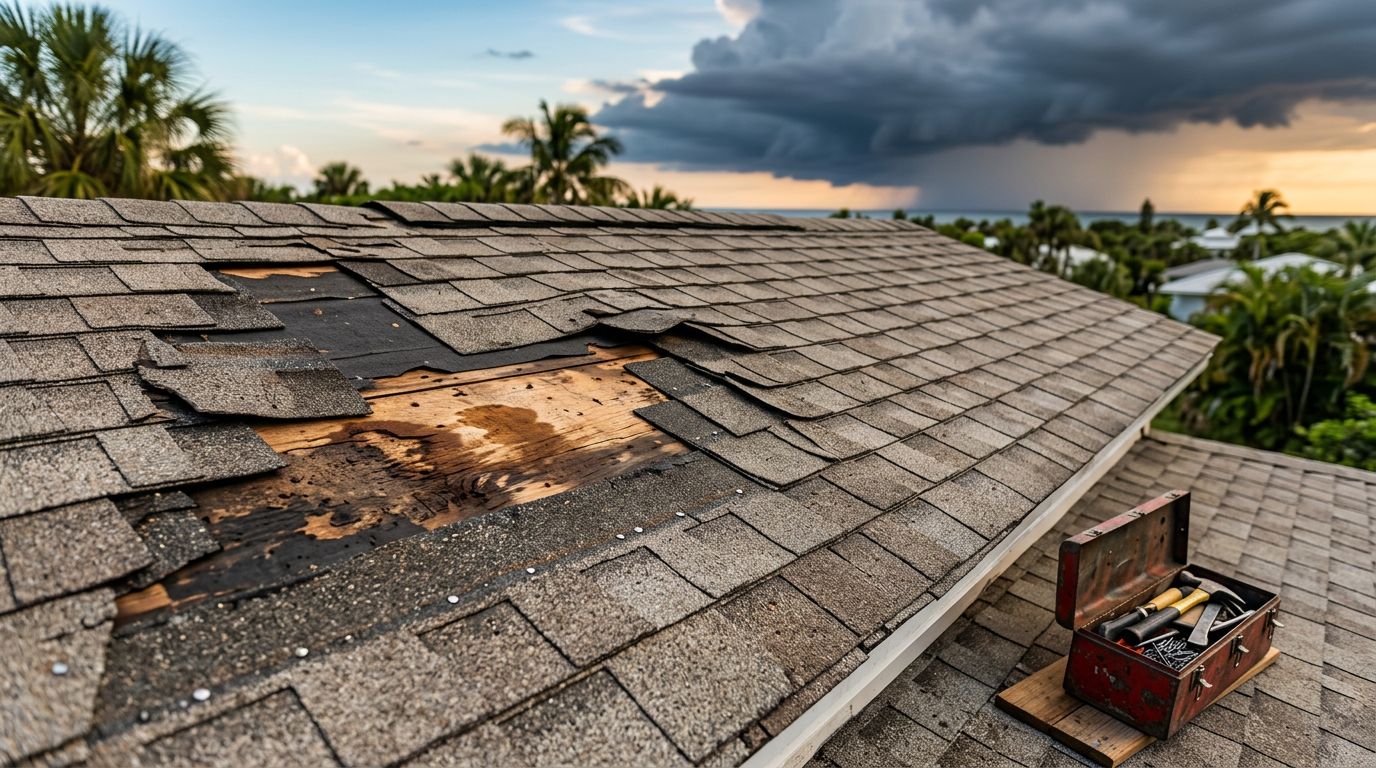
For Florida homeowners, Florida hurricane deductibles often decide whether a roof claim pays a lot, a little, or nothing at all. If the storm meets Florida's hurricane rules, the deductible is usually much higher than your regular one. That's why a small roof loss after a hurricane can feel like a denial, even when coverage exists.
This guide breaks down when the hurricane deductible applies, how the math works, and what happens if more than one storm hits in the same year. It's general information, not legal advice.
When a Florida hurricane deductible applies to roof damage
The first thing to know is this: a named storm is not always a hurricane.
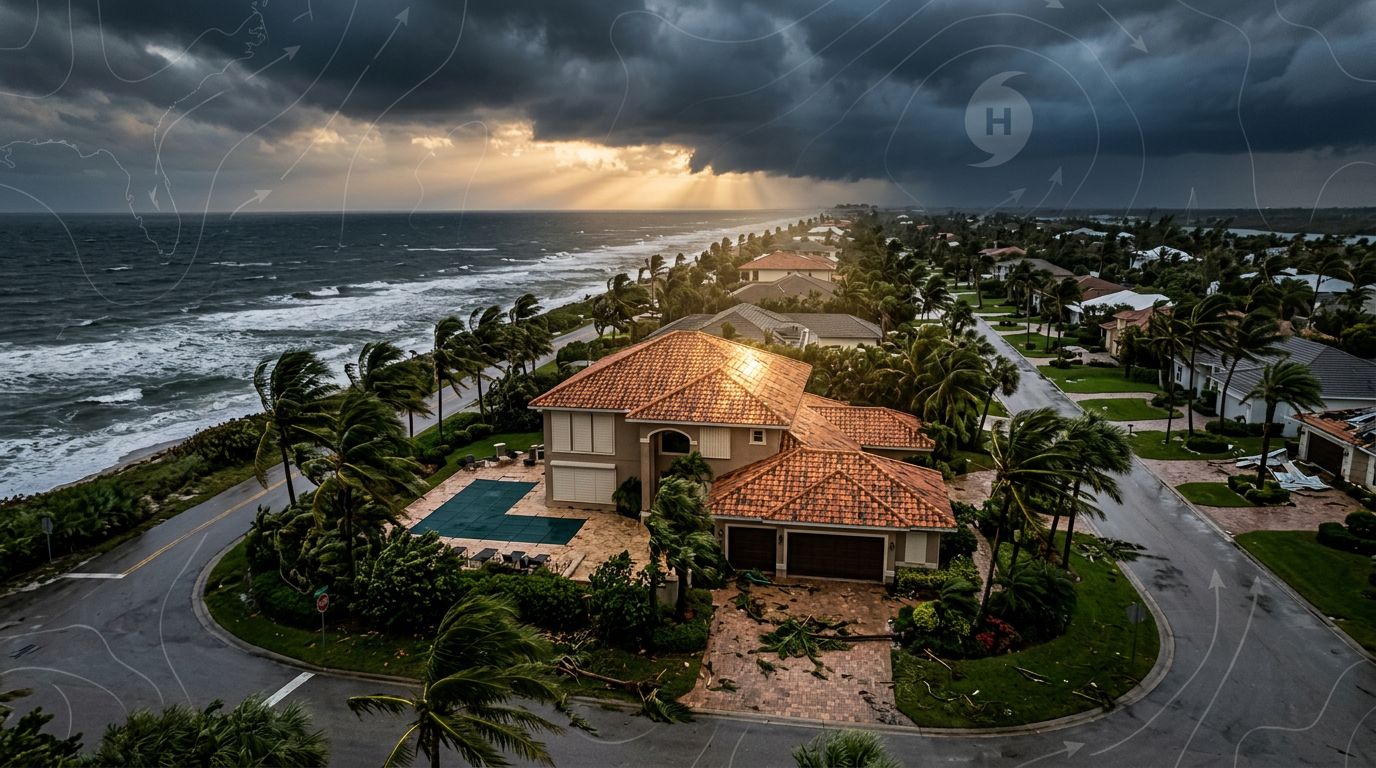
Under Florida consumer guidance used in 2026, the hurricane deductible applies only when the National Hurricane Center declares a storm a hurricane, and a hurricane watch or warning is issued for any part of Florida. That deductible period starts with the watch or warning and ends 72 hours after the last watch or warning ends for any part of the state.
So, if your roof is damaged by a tropical storm, a summer thunderstorm, or straight-line wind outside that time window, your regular deductible usually applies instead.
That matters because the gap can be huge. A regular deductible might be $1,000 or $2,500. A hurricane deductible might be 2 percent, 5 percent, or even 10 percent of your dwelling coverage.
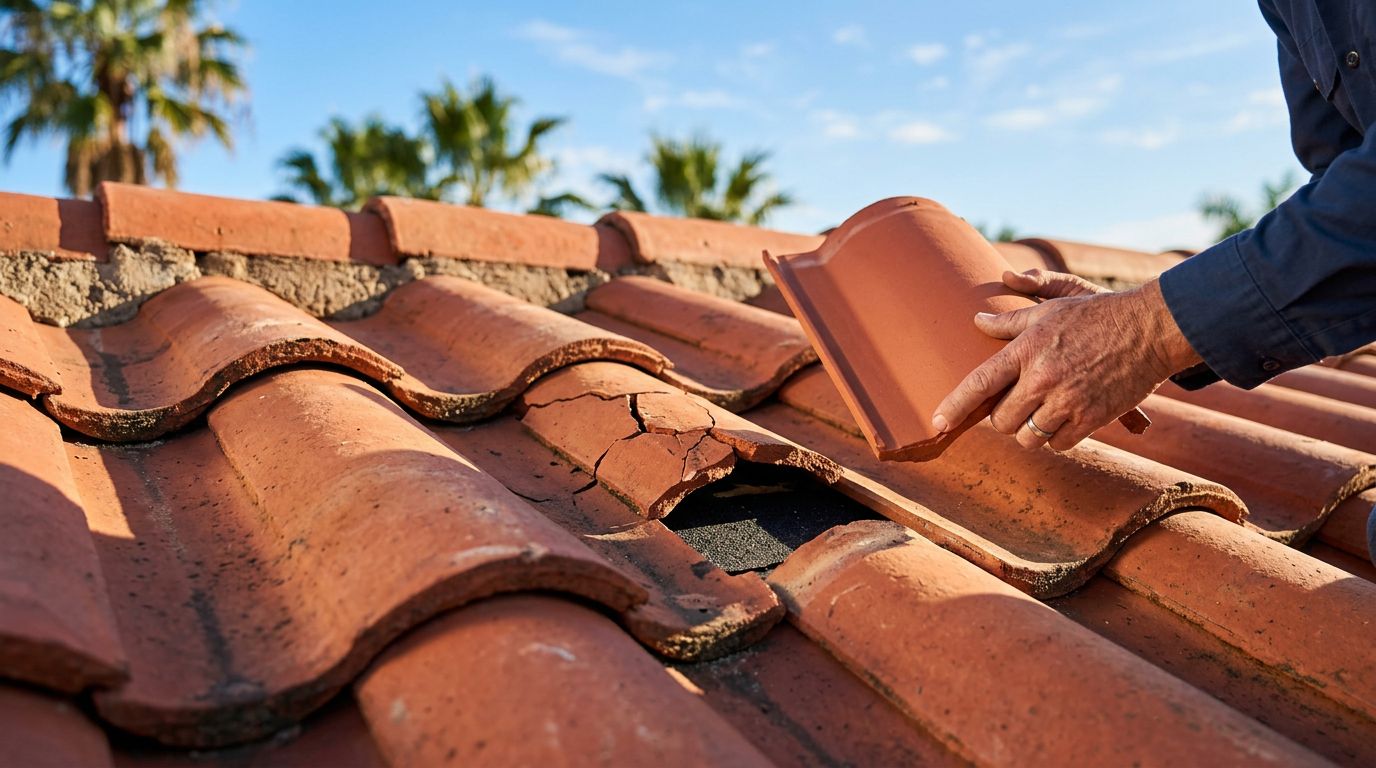
Your roof claim does not get a separate "roof hurricane deductible." The policy's hurricane deductible applies to the covered hurricane loss as a whole. However, your roof may still be subject to other policy terms, such as depreciation or roof loss settlement wording. If you want that part explained in plain English, this guide on actual cash value vs replacement cost coverage helps.
Here's a simple side-by-side example:
- Your roof repair estimate is $6,500.
- Your regular deductible is $2,500.
- Your hurricane deductible is $8,000.
If the damage came from a tropical storm, your regular deductible may apply, so the claim could still pay. If the same damage came from a hurricane during the legal hurricane window, the $8,000 hurricane deductible could swallow the whole claim.
A small roof claim below the hurricane deductible is not always a denial. Often, it's just deductible math.
How percentage-based Florida hurricane deductibles are calculated
This is where many homeowners get tripped up. Percentage-based hurricane deductibles are usually based on your dwelling coverage limit , often called Coverage A, not the repair bill and not your home's market value.
Think of it like a gate at the front of the policy. Before insurance money starts flowing, you must first cover that amount.
Here's what the math looks like:
| Dwelling coverage limit | 2% deductible | 5% deductible | 10% deductible |
|---|---|---|---|
| $300,000 | $6,000 | $15,000 | $30,000 |
| $500,000 | $10,000 | $25,000 | $50,000 |
| $750,000 | $15,000 | $37,500 | $75,000 |
Florida rules still require carriers to offer hurricane deductible options, although the choices can differ based on home value. In general, homeowners see options like $500, 2 percent, 5 percent, or 10 percent. For higher-value homes, carriers may offer fewer low-deductible options. Citizens and many private insurers show this clearly on the declarations page.
Now apply the table to a roof claim.
Say your home has a Coverage A limit of $500,000 and a 5 percent hurricane deductible. That means your deductible is $25,000 .
If a hurricane causes $22,000 in covered roof damage, the claim may not pay because the loss does not exceed the deductible. If the covered damage totals $40,000, the insurer would usually subtract the $25,000 deductible first, then apply the rest of the policy terms.
Because of that, two homes on the same street can have very different out-of-pocket costs after the same storm.
Before hurricane season, pull out your policy and check these items:
- Coverage A limit : This drives the percentage math.
- Hurricane deductible amount or percentage : It's often shown in bold on the declarations page.
- All-other-perils deductible : This is your regular deductible.
- Endorsements : These may change roof payout terms, even when the deductible stays the same.
Florida's Department of Financial Services, the Office of Insurance Regulation forms, and Citizens materials all point homeowners back to the same habit: read the declarations page and endorsements, not just the premium total.
Can more than one storm trigger more than one deductible?
Yes, but not always in the way homeowners fear.
Florida treats the hurricane deductible on a calendar-year basis. That means a second hurricane in the same year does not usually start a brand-new full hurricane deductible from scratch with no limit. Instead, later hurricane losses are generally tied to the unused portion of that year's hurricane deductible. Once that annual amount has been met, the policy's regular deductible may be what applies to later hurricane claims, depending on the policy form.
A quick example makes this easier.
Assume your dwelling coverage is $400,000. You chose a 2 percent hurricane deductible, so your hurricane deductible is $8,000. Your regular deductible is $2,000.
Hurricane A damages your roof, and the covered loss is $5,000. You pay that amount, because you have not yet met the $8,000 hurricane deductible.
Later that same year, Hurricane B causes another covered roof loss of $10,000. At that point, only $3,000 of your annual hurricane deductible remains. That remaining amount may apply to the new claim, instead of a fresh $8,000.
After the annual hurricane deductible has been fully used, a later hurricane claim in that same year may fall back to the regular deductible. Still, the exact wording matters, so read your policy carefully.
This is also why claim timing and documentation matter so much. When storms stack up close together, your insurer will want a clear date of loss, photos, and a clean timeline. Weak records can turn into disputes over cause, scope, or which storm did the damage. These are some of the same common reasons insurance denies Florida roof claims.
If you're trying to lower storm risk before the next season, it also helps to understand what inspectors check in roof wind mitigation. Better roof-to-wall connections, deck attachment, and proof of upgrades can matter for premiums and future claims.
The bottom line for Florida homeowners
Florida hurricane deductibles can make a roof claim look very different from a normal wind claim. The key is to know when the hurricane deductible applies, how it's calculated from dwelling coverage, and how later storms in the same year may be handled.
Before the next storm, read your declarations page and endorsements line by line. After a loss, document the roof fast, report the claim promptly, and get a professional inspection so the numbers, dates, and damage all line up.