Roof Repair Permit Cape Coral: When Repairs Need Approval

Roof Repair Permit Cape Coral: When Repairs Need Approval

A roof leak can feel like a small problem at first. Then the bucket comes out, the stain spreads, and the permit question shows up right behind it.

If you're planning roof work in Cape Coral, here's the short version: full re-roofs need permits, and many repairs do too . Small patch jobs may not, but the line isn't always obvious. As of March 2026, city guidance and Florida code rules make one thing clear, the answer depends on the real scope of work, not a quick guess from the ground.

For homeowners, that matters because a permit isn't just paperwork. It affects inspections, insurance records, resale, and whether the work meets current wind and weather standards.

When roof repairs in Cape Coral usually need a permit

Cape Coral homeowners often hear mixed advice. One roofer says a repair is minor. A neighbor says no permit is needed. Then city staff may ask for forms, product approvals, or an inspection. That's why it helps to start with the broad rule.

As of March 2026, a roof repair permit Cape Coral decision usually turns on whether the work changes the roof system in a meaningful way. Full replacements, re-roofs, major repairs, structural changes, and material changes commonly require approval. The City of Cape Coral Permit Document Center, local roofing guidelines, Lee County roofing application guidance, and the Florida Building Code all point in that direction.

This quick chart gives a practical starting point:

Repair scenario Permit likely? What changes the answer
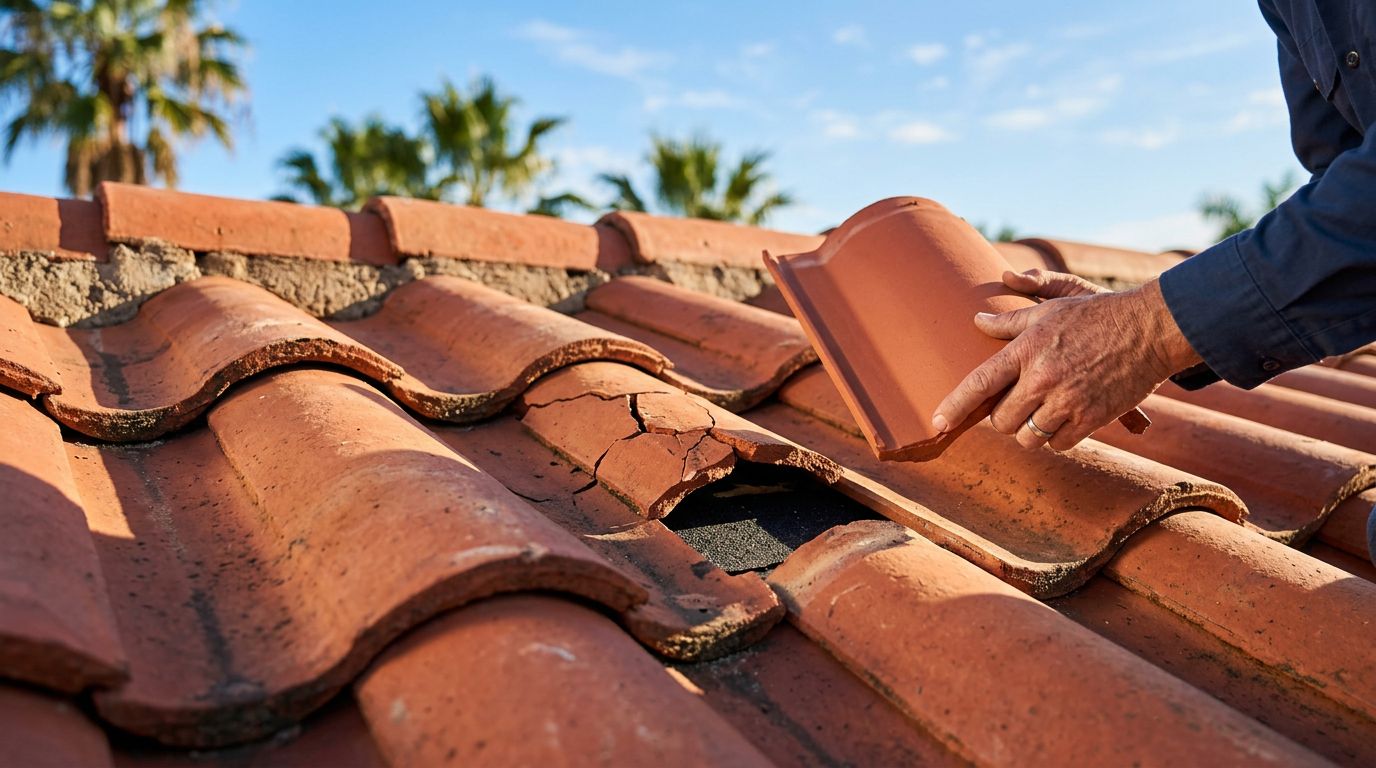
Replacing a few damaged shingles or tiles Maybe not Size of area, hidden deck damage, city interpretation
Repairing under 25% of one roof section in 12 months Maybe Whether work stays non-structural and truly limited
Repairing more than 25% of a roof area or section Usually yes Code triggers and review of the broader roof system
Changing from shingles or metal to tile Yes Added weight may require an engineer's evaluation
Temporary storm tarp Often treated differently Permanent repairs usually still need approval

The takeaway is simple. Once the job affects more than a very small area, or changes how the roof performs, permit review becomes much more likely.

If you're comparing repair work to a larger project, this guide on when permits are required for Cape Coral roof work gives more local context.

What pushes a small repair into permit territory

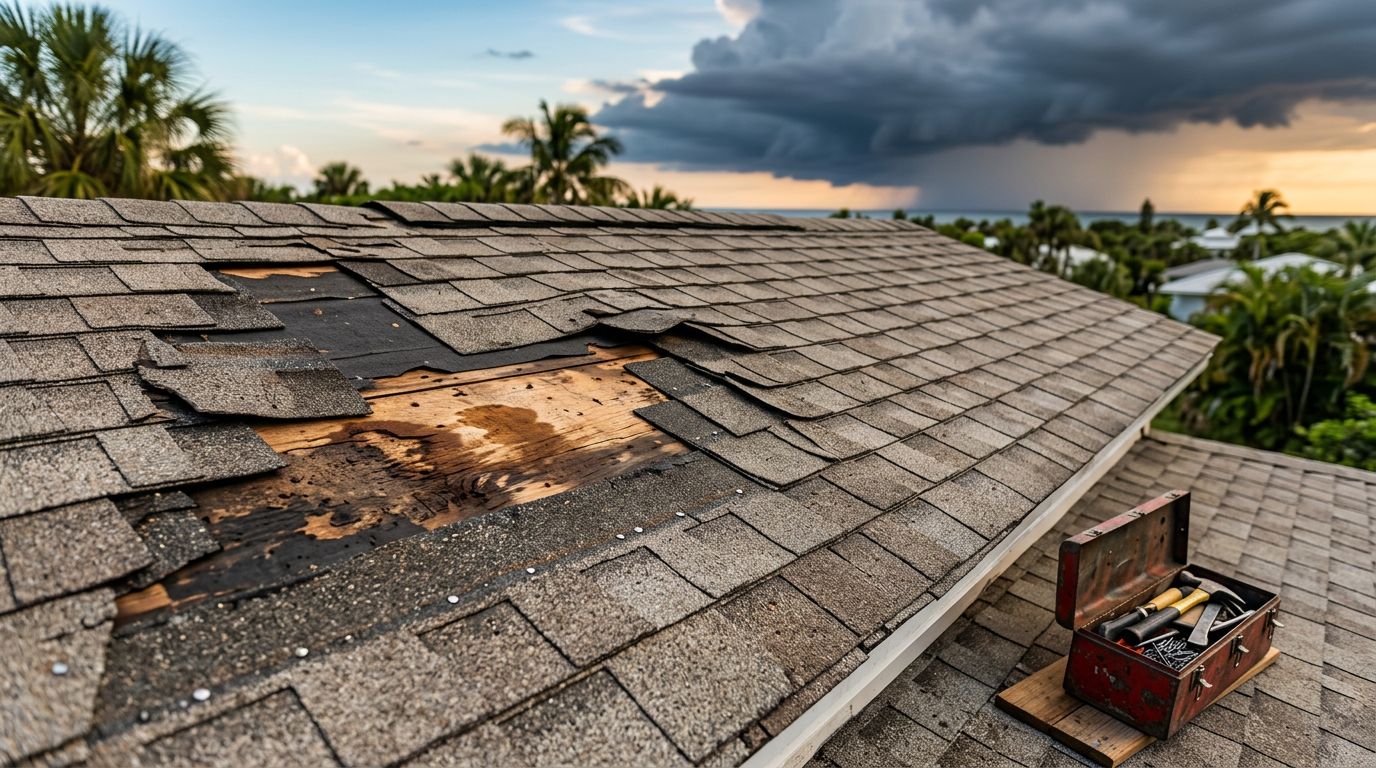
Scope matters more than the word "repair." A roofer may start with a simple leak fix, but once the shingles come off, the story can change. Wet decking, damaged underlayment, failed flashing, or soft wood can turn a patch into a larger code issue fast.

One of the biggest gray areas is the 25% rule . Homeowners hear it all the time, and often hear it wrong. In plain terms, once repairs affect more than 25% of a roof area or roof section within 12 months, code upgrade questions often come into play. Still, that rule is not a blanket pass for everything under 25%.

The 25% rule is a guidepost, not a hall pass. Your actual permit need still depends on the work being done.

Square footage adds to the confusion. Cape Coral doesn't publish a simple "under this many square feet, no permit" rule that homeowners can safely rely on for every job. Because of that, a "small" repair by size can still need review if it affects attachment, underlayment, flashing, or wind resistance.

Roofing material also changes the answer. Tile, metal, and shingle systems don't behave the same way. A change from shingle to tile, for example, may need an engineer to confirm the trusses can handle the load. That isn't cosmetic. It's structural.

Storm damage creates another twist. After a storm, temporary tarping or short-term drying steps may be treated differently from permanent repair work. Yet once you move into lasting repairs, permits are often back on the table. Water also travels. A stain in one room may trace back to a problem much farther upslope.

If you're weighing whether localized damage is still a repair or has become replacement territory, read when to repair vs replace your Cape Coral roof. That choice often affects the permit path too.

And don't forget the HOA. An HOA may control color, profile, or material choices, but HOA approval does not replace city approval.

Who pulls the permit, and what homeowners should check first

In most cases, the licensed roofing contractor should pull the permit. That's usually the smoother path because the contractor handles the paperwork, product approvals, inspection scheduling, and any corrections. Homeowners can sometimes apply as owner-builders, but that puts the code burden on your shoulders.

Before work starts, ask a few plain questions. Is the contractor licensed in Florida? Are they insured? Are they able to pull permits in Cape Coral under the same company name shown on the contract? Does the quote include permit costs, inspections, and any needed roof data sheets?

Also ask about the job value. In Florida, a Notice of Commencement may be required when the project value reaches $2,500 or more. That isn't the same as the permit itself, but it can still affect timing.

A good contractor should spell out the real scope in writing. That means tear-off or overlay, repair area, underlayment, flashing, vents, deck repair allowances, and final roofing material. Without that detail, a small repair can balloon into an argument later.

If you want a closer look at the local workflow, this step-by-step roofing permit process in Cape Coral breaks down what homeowners can expect.

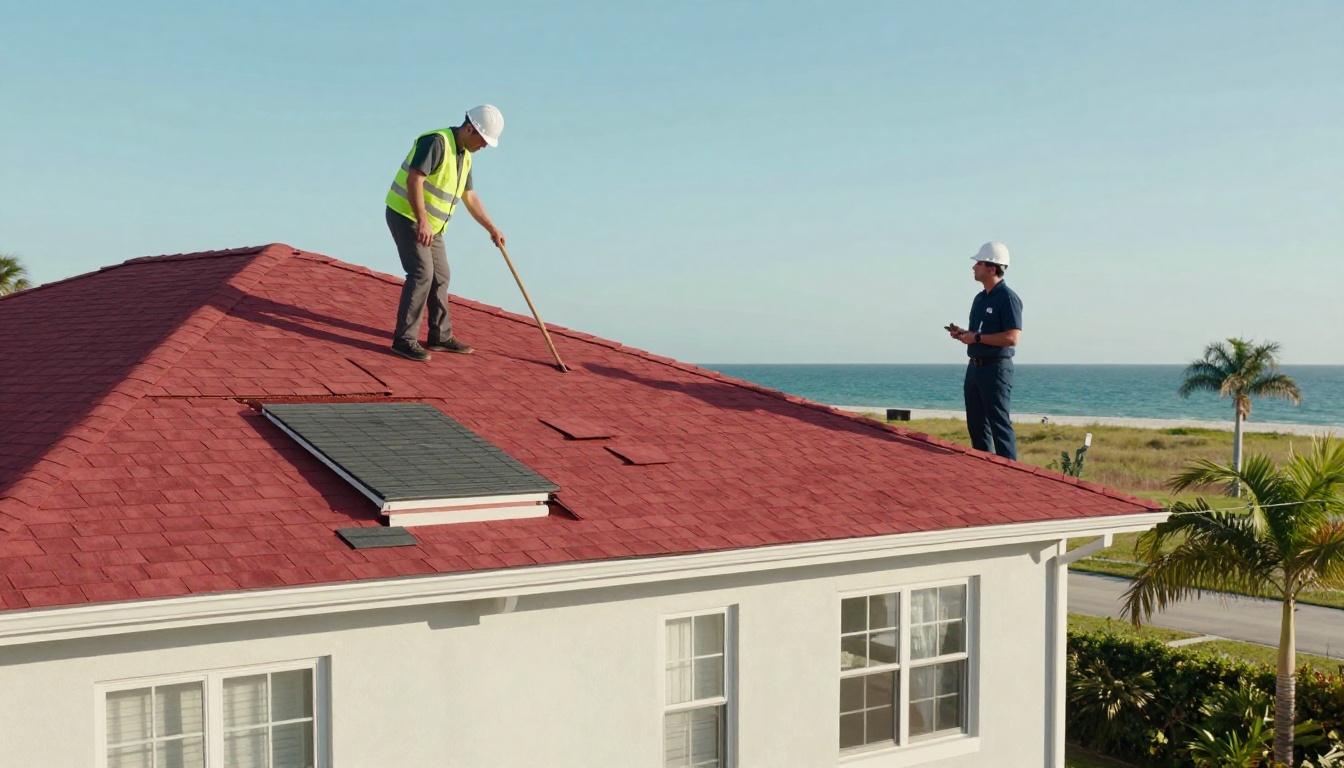
One more thing matters here: inspections. The permit process doesn't end when the crew leaves. It ends when the city signs off and closes the permit. Keep copies of the permit, final inspection record, invoices, and product information. Those papers can help later if you sell the home or file an insurance claim.

Verify before the first shingle comes off

A roof repair can look simple from the driveway, but permits don't turn on appearances. They turn on scope, materials, code triggers, storm damage, and who is doing the work.

The safest move is to verify your project with the City of Cape Coral, or the right permitting authority, before work begins. Then make sure your contractor's plan matches that answer. A little checking up front can save a lot of time, money, and stress once the roof is open.

By Infinity Roofing March 21, 2026
You might think a roof warranty covers the roof, period. In Florida, it rarely works that way. Most protection falls into two buckets, bad materials and bad installation. Storm damage, neglect, and many water-related problems often sit outside that promise. That matters becaus...
By Infinity Roofing March 20, 2026
Roofs in Cape Coral don't get much rest. Salt air, high heat, heavy humidity, and fast summer downpours all work the same weak spots. Then hurricane season raises the stakes. Good roof maintenance Cape Coral homeowners can stick with isn't complicated. It starts with safe visu...
By Infinity Roofing March 19, 2026
Roof replacement day can feel a little like hosting a construction crew during a thunderstorm, minus the rain. There's noise, movement, vibration, and a steady flow of materials around your home. The good news is that a little roof replacement preparation can make the whole da...
By Infinity Roofing March 18, 2026
When a roof leaks, every day feels longer. The good news is that a typical roof permit Cape Coral application often takes about 3 to 7 business days for review when the paperwork is complete. After that, permit issuance can happen quickly, but correction requests can add more...