What A Florida Roof Warranty Really Covers

What A Florida Roof Warranty Really Covers

You might think a roof warranty covers the roof, period. In Florida, it rarely works that way. Most protection falls into two buckets, bad materials and bad installation. Storm damage, neglect, and many water-related problems often sit outside that promise.

That matters because a florida roof warranty can sound broad in a sales pitch yet read much narrower on paper. Coverage changes by manufacturer, contractor, roof system, and the contract you sign. Before you count on any warranty, know what it usually covers, what it often excludes, and which records you'll want if trouble shows up later.

A Florida roof warranty usually comes in two separate promises

Most homeowners get two different warranties after a roof replacement or new installation. One comes from the manufacturer. The other comes from the roofer.

A manufacturer warranty usually covers defects in the roofing materials themselves. Think shingles that fail too early because of a factory problem, or other roofing components that don't perform as they should under normal conditions. In many cases, this warranty focuses on the product, not the labor to remove and replace it. Some upgraded system warranties may add labor or stronger terms, but only when the contractor installs an approved roofing system and follows the manufacturer's rules.

A workmanship warranty comes from the roofing contractor. This is the promise that the roof was installed correctly. If a leak starts because flashing was installed wrong, a vent boot was sealed poorly, or fasteners were placed the wrong way, that issue often falls under workmanship coverage.

Here's the simple breakdown:

Warranty type Usually covers Often limited or excluded
Manufacturer Defects in shingles, underlayment, or other roofing products Labor, tear-off, weather events, and coverage that shrinks over time
Workmanship Installation mistakes that cause leaks or failures Damage unrelated to installation, outside repairs, and lack of upkeep
Neither, in many cases Normal wear, major storms, pre-existing issues Hurricanes, foot traffic, neglect, and structural problems

The key is that these promises don't work the same way. If the shingles were defective, the contractor may not be the party responsible. If the materials were fine but the installation was sloppy, the manufacturer may deny the claim.

That's why the written paperwork matters so much. If you're reviewing proposals, it helps to compare the warranty section with what to check in roofing contracts , not just the price or product name.

What a roof warranty in Florida often does not cover

This is where many homeowners get surprised. A warranty is not the same thing as insurance.

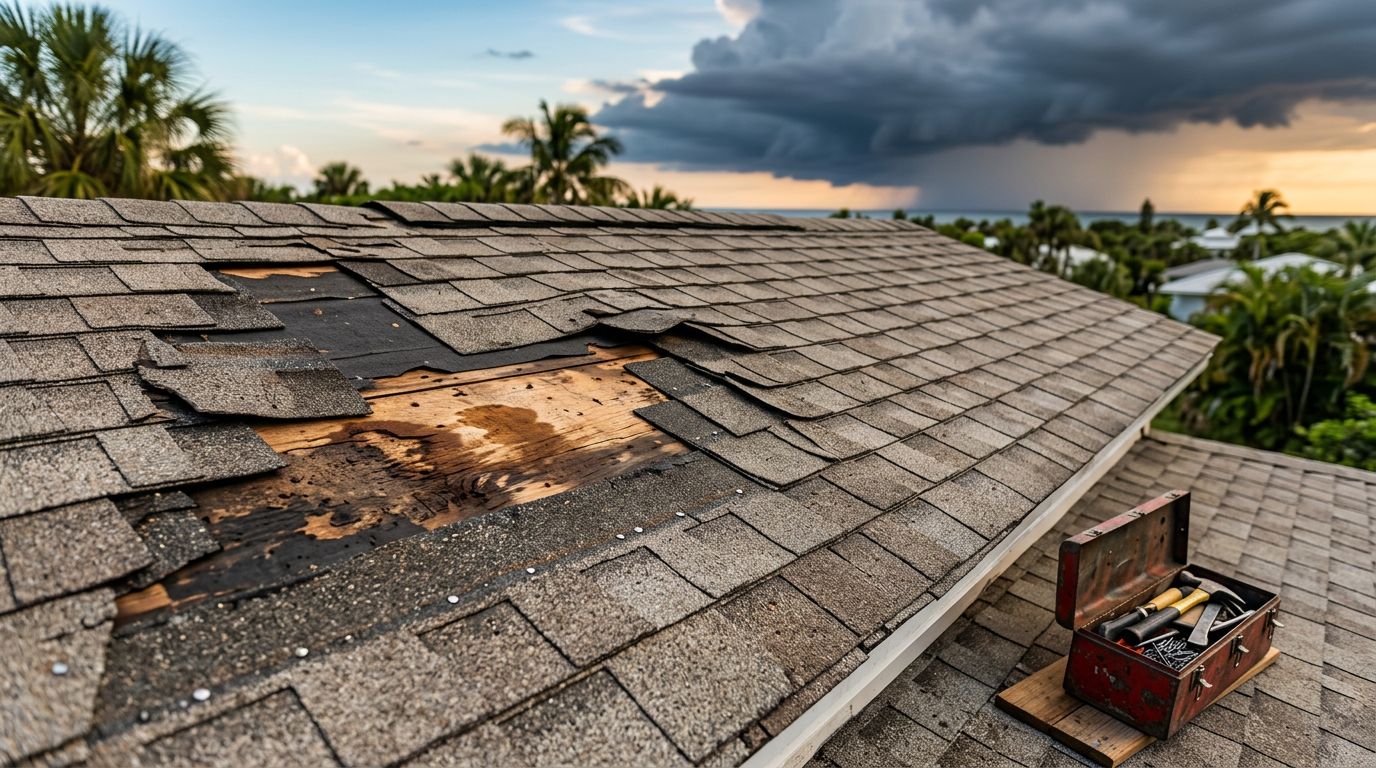
In Florida, many roof warranties do not cover hurricanes, tropical storms, wind-driven rain, hail, or flying debris unless the written terms say otherwise. If a storm rips shingles off your roof, that's often an insurance issue, not a warranty claim. The same goes for a branch strike or other sudden outside damage.

A wind rating is not the same as a storm-damage warranty.

That point matters because many roofing products advertise high wind ratings, sometimes around 130 mph or more when installed to the required pattern. That tells you how the product was tested. It does not automatically mean the manufacturer will pay for hurricane damage.

Other common exclusions show up in the fine print, too. Many warranties won't cover problems caused by poor maintenance, standing water where it shouldn't be, clogged drainage, or ignored small leaks that turned into large ones. Florida's heat, humidity, salt air, and heavy rain speed up wear, so maintenance duties tend to matter more here than homeowners expect.

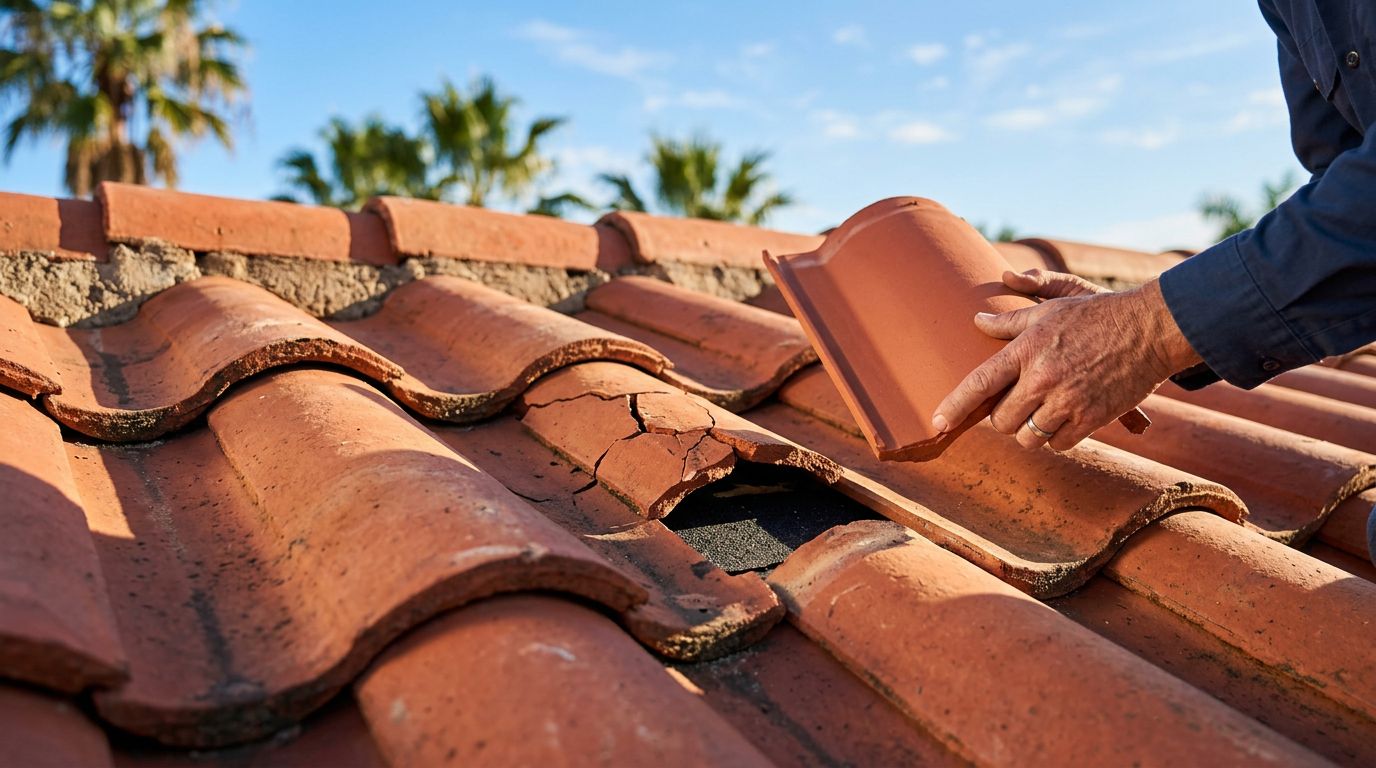
Foot traffic is another common issue. If someone walks the roof and cracks tiles, scuffs shingles, or damages flashing, that may fall outside coverage. Unauthorized repairs can also void protection. If a handyman, satellite installer, solar crew, or another contractor changes the roof system without approval, both manufacturer and workmanship coverage may be affected.

Pre-existing structural trouble is also a frequent gray area. If decking, framing, or ventilation problems existed before the new roof went on, the warranty may not pay for damage tied to those hidden conditions unless the contract says that work was included.

In other words, warranties usually cover defects and install errors, not every way a roof can fail.

How to protect your warranty before you ever need it

The best time to protect a warranty is before the first shingle goes on. Start by asking for the exact warranty documents, not just a verbal summary. A brochure, estimate, or sales pitch doesn't control the claim. The written manufacturer terms and the roofing contract do.

Read the coverage period, the exclusions, and the claim steps. Some manufacturer warranties last 10 to 50 years, while workmanship coverage may run 5 to 10 years or another term set by the contractor. Some are fully covered at first, then pay less later. Others require product registration or approved installation methods to stay valid.

Florida homeowners should also keep a paper trail. Fast-moving weather and heavy rain can turn a small problem into a dispute over timing. Good records help show what happened, when it happened, and who worked on the roof.

Keep these items in one folder:

  • Signed contract with the scope of work and warranty language
  • Manufacturer warranty documents and any registration confirmation
  • Permit and final inspection records
  • Photos taken after installation and after any storm event
  • Maintenance and repair invoices , especially for authorized service

When you compare bids, read the scope closely. A vague proposal can hide weak warranty terms. This roof estimate line-by-line guide can help you spot what's included, what's excluded, and how warranty language fits into the full job.

It also helps to report problems quickly. If you wait too long, a small leak can spread, and the warranty provider may argue that later damage came from delay, not the original defect. Stay off the roof yourself, too. In Florida, one bad repair or too much foot traffic can create a new problem and muddy the claim.

The bottom line for Florida homeowners

A florida roof warranty usually covers one of two things, defective materials or faulty installation. It often does not cover hurricanes, wind-driven rain, poor maintenance, foot traffic, unauthorized repairs, or hidden structural issues unless the written terms say it does. Before you sign, read the actual warranty documents and the roofing contract side by side. A clear scope, solid records, and realistic expectations can save you a lot of stress when the weather turns.

By Infinity Roofing March 20, 2026
Roofs in Cape Coral don't get much rest. Salt air, high heat, heavy humidity, and fast summer downpours all work the same weak spots. Then hurricane season raises the stakes. Good roof maintenance Cape Coral homeowners can stick with isn't complicated. It starts with safe visu...
By Infinity Roofing March 19, 2026
Roof replacement day can feel a little like hosting a construction crew during a thunderstorm, minus the rain. There's noise, movement, vibration, and a steady flow of materials around your home. The good news is that a little roof replacement preparation can make the whole da...
By Infinity Roofing March 18, 2026
When a roof leaks, every day feels longer. The good news is that a typical roof permit Cape Coral application often takes about 3 to 7 business days for review when the paperwork is complete. After that, permit issuance can happen quickly, but correction requests can add more...
By Infinity Roofing March 17, 2026
A new roof in Cape Coral isn't just a home upgrade, it's storm protection. That's why the city takes permitting seriously. If you skip the paperwork, you can end up with failed inspections, stop-work orders, insurance headaches, or problems at resale. This guide breaks down th...