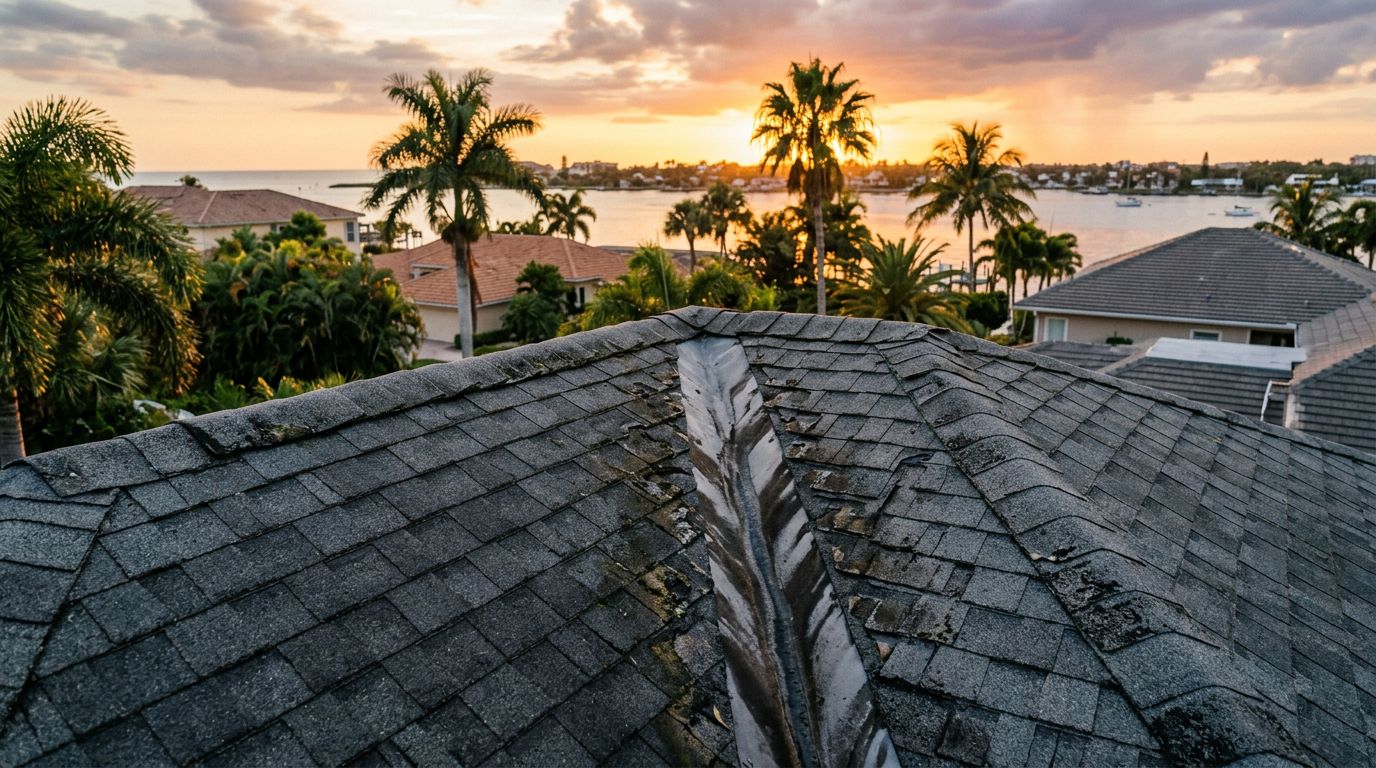
Roof Maintenance Checklist for Cape Coral Homeowners in Storm Country

Roof Maintenance Checklist for Cape Coral Homeowners in Storm Country

Roofs in Cape Coral don't get much rest. Salt air, high heat, heavy humidity, and fast summer downpours all work the same weak spots. Then hurricane season raises the stakes.

Good roof maintenance Cape Coral homeowners can stick with isn't complicated. It starts with safe visual checks, seasonal timing, and quick action when something looks off. Use this checklist to spot trouble early and know when it's time to call a roofer.

Why Southwest Florida weather wears roofs faster

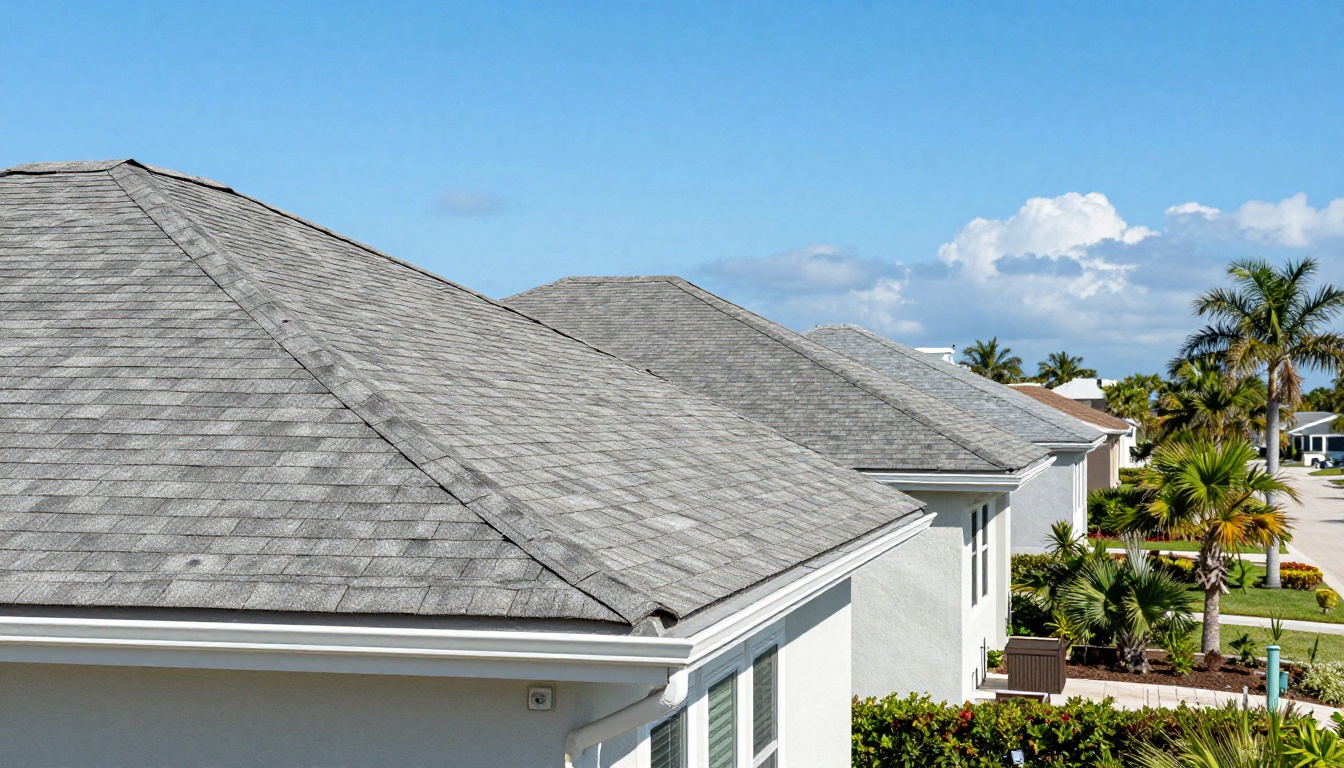
A roof in Cape Coral ages differently than one inland. Near the Gulf, salt air can speed up rust on fasteners, flashing, and exposed metal parts. Meanwhile, strong sun dries out shingles and sealants. Over time, that can lead to cracks, curling, and loose edges.

Humidity causes its own problems. It feeds algae, mildew, and attic moisture. If your attic holds heat all day, roofing materials can wear faster from below and above. Sudden downpours then test every seam, valley, and vent boot at once. A clogged gutter might seem minor in dry weather, but one hard rain can push water under the roof edge.

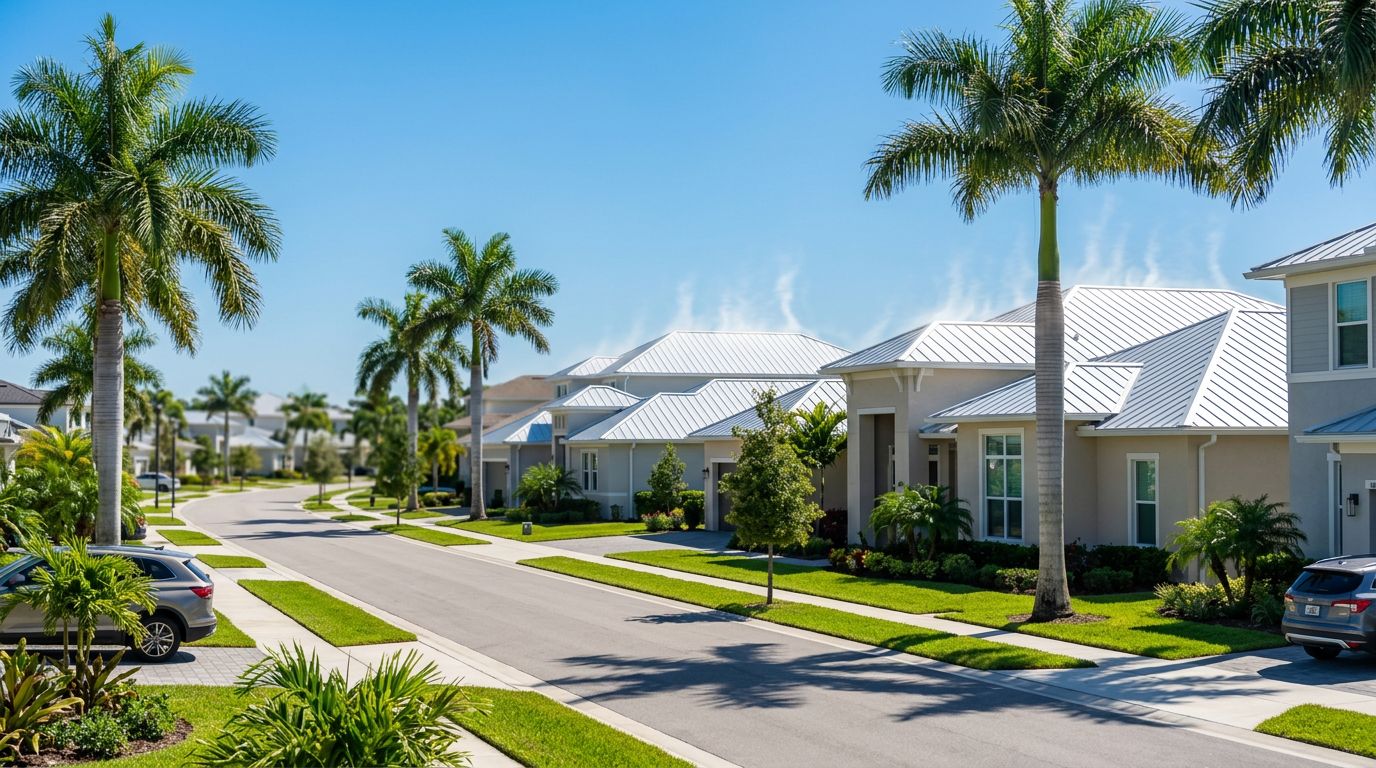
Open neighborhoods, canal-front lots, and homes near water often take more wind. Roof edges, ridge caps, and lanai transitions can catch uplift first. Because of that, a roof that looked fine in May can look very different after one tropical system.

That mix is why roof maintenance cape coral homeowners do best should follow the calendar, not just visible damage. March is a smart time to start because storm season isn't far off. A spring inspection gives you time to fix loose shingles, cracked tiles, or worn flashing before June. For roofs with exposed metal parts, ask whether a gentle fresh-water rinse makes sense once a year.

If storm prep is part of your plan, it also helps to learn more about strengthening your roof against Cape Coral storms. Small upgrades now can reduce bigger headaches later.

A safe DIY roof maintenance checklist you can follow from the ground

Start with a slow walk around your home. Binoculars help, and so does afternoon light. From the ground, look for changes in color, shape, or alignment.

Use this checklist as your go-to routine:

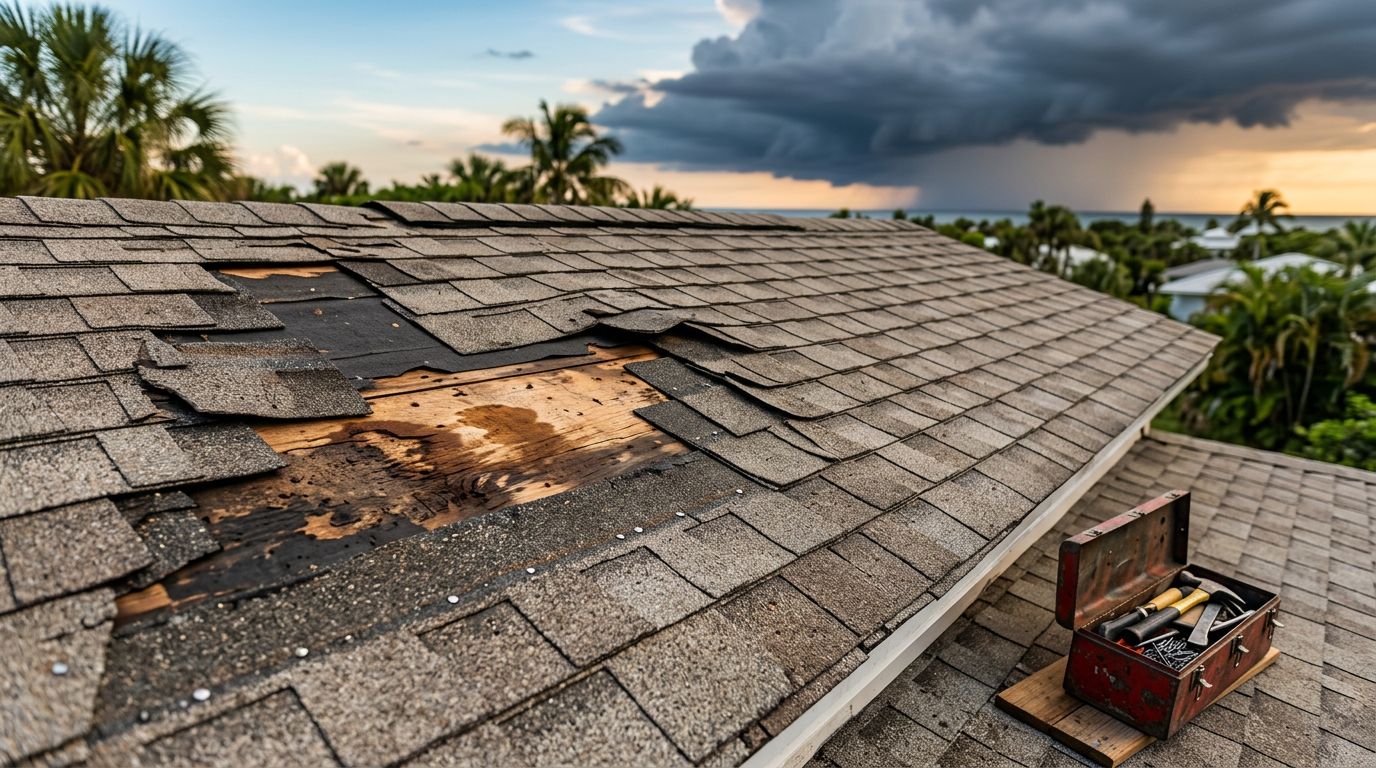
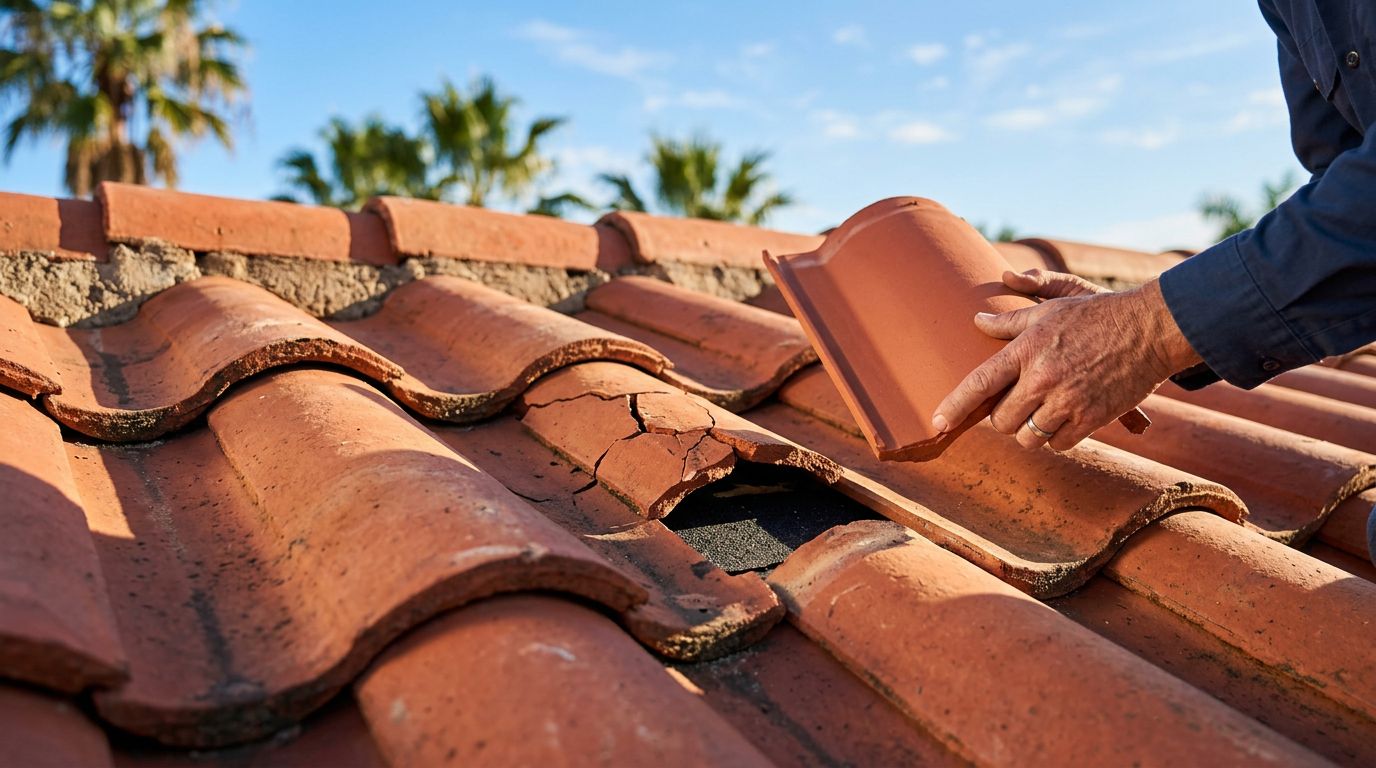
  • Roof surface: Look for missing shingles, curled tabs, cracked tiles, lifted metal edges, or bare spots where granules have worn away.
  • Ridge and roof edges: Check for pieces that look loose, uneven, or out of line, because wind often starts damage at the perimeter.
  • Flashing and penetrations: Scan around vents, skylights, and chimneys for rust, gaps, bent metal, or failed sealant.
  • Gutters and downspouts: Clear leaves, seed pods, and roof grit often. Water should move freely and drain away from the house.
  • Soffit and fascia: Watch for staining, peeling paint, soft wood, or swelling. Those can point to hidden leaks.
  • Ground below the roof: After storms, check for shingle pieces, cracked tile fragments, fasteners, or metal scraps in the yard.
  • Tree limbs: Trim branches back so they don't scrape the roof or fall during a storm.
  • Attic: Look for dark spots, damp insulation, mold smell, or daylight showing through the roof deck.
  • Ceilings inside the home: Faint yellow rings often show up before an active drip does.
  • Metal parts near the coast: Watch for rust or white salt buildup on flashing, screws, and exposed hardware.

If you can't inspect your roof well from the ground, that's a sign to call a pro, not climb higher.

Skip pressure washing, and don't walk the roof. High pressure can strip granules, loosen tiles, and force water where it shouldn't go. If salt or algae buildup is obvious, ask about a low-pressure cleaning method that fits your roof type.

It also helps to keep a simple roof file. Save inspection notes, repair invoices, photos after storms, and warranty papers. That record makes it easier to track changes over time and helps if you ever need an insurance claim.

When the checklist turns up loose materials, leaks, or flashing trouble, don't wait for the next storm. Book expert roof repairs in Cape Coral while the damage is still small.

Your Cape Coral roof calendar, and when a professional should step in

Timing matters as much as the checklist itself. A simple seasonal routine keeps problems from sneaking up on you.

Here's a quick schedule to follow:

Season What to do
Spring Clean gutters, trim limbs, inspect from the ground, check the attic, and schedule a pro inspection before hurricane season
Summer Re-check after heavy rain, tropical weather, or strong wind, and watch for leaks and loose edges
Fall Clear debris again, inspect flashing and valleys, and fix storm damage before cooler months
Winter Do a quick visual scan and review any repairs you postponed during storm season

Besides that schedule, set up a professional roof inspection at least once a year. Also call after any hurricane, tropical storm, or severe wind event, even if the roof looks fine from the yard. Hidden damage often starts small, then spreads with the next hard rain.

A thorough inspection should cover roof covering, flashing, impact marks, attic moisture, and ventilation. Good photo records also help with insurance questions and future resale.

Several warning signs mean it's time to stop watching and start acting. Call a roofer right away if you notice sagging, repeated ceiling stains, active leaks, rusted flashing, soft soffits, or widespread missing materials. The same goes for older roofs that keep needing patchwork in different spots. At that point, it may help to compare when to repair or replace your Cape Coral roof before spending more money on short-term fixes.

If a replacement or major repair is on the table, remember that permits and code rules matter in Cape Coral. As of March 2026, Florida's My Safe FL Home program may also offer eligible owners matching grants, up to $10,000, for wind mitigation upgrades after an inspection. Program rules and funding can change, so check current details before planning work.

A roof is a little like a boat hull. When one seam opens, water keeps searching until it finds the next one. That's why fast follow-up matters so much in Southwest Florida.

Stay consistent, keep inspections safe, and bring in a roofer before a small issue turns into interior damage. Roof maintenance is cheaper, calmer, and far easier when you handle problems on your schedule, not the weather's.

By Infinity Roofing March 19, 2026
Roof replacement day can feel a little like hosting a construction crew during a thunderstorm, minus the rain. There's noise, movement, vibration, and a steady flow of materials around your home. The good news is that a little roof replacement preparation can make the whole da...
By Infinity Roofing March 18, 2026
When a roof leaks, every day feels longer. The good news is that a typical roof permit Cape Coral application often takes about 3 to 7 business days for review when the paperwork is complete. After that, permit issuance can happen quickly, but correction requests can add more...
By Infinity Roofing March 17, 2026
A new roof in Cape Coral isn't just a home upgrade, it's storm protection. That's why the city takes permitting seriously. If you skip the paperwork, you can end up with failed inspections, stop-work orders, insurance headaches, or problems at resale. This guide breaks down th...
By Infinity Roofing March 16, 2026
A Florida roofing estimate can look like a grocery receipt written in a different language. Squares, line feet, "SWR," "drip edge," and a total that may swing thousands between contractors. The goal isn't to become a roofer overnight. It's to understand what you're paying for,...