
Roof Leak or AC Leak? How to Tell the Difference

A wet ceiling doesn't tell you much by itself. A stain near a vent, a drip in a hallway, or a puddle by the indoor unit could come from the roof or the AC system.
The clue is usually in the pattern. Timing, location, and stain shape can point you toward the right fix before water damage spreads.
Where the Water Shows Up First
Roof leaks and AC leaks often show up in different parts of the house. That helps narrow things down fast.
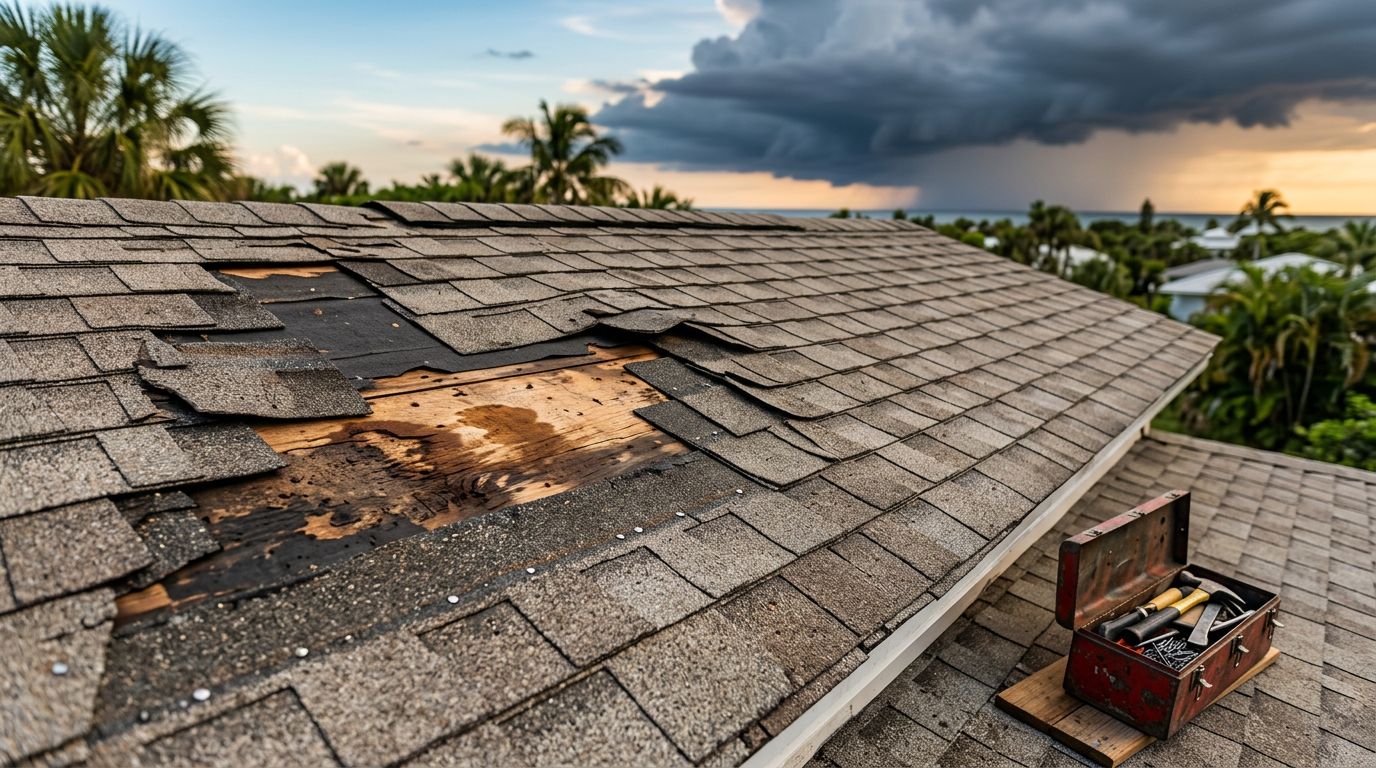
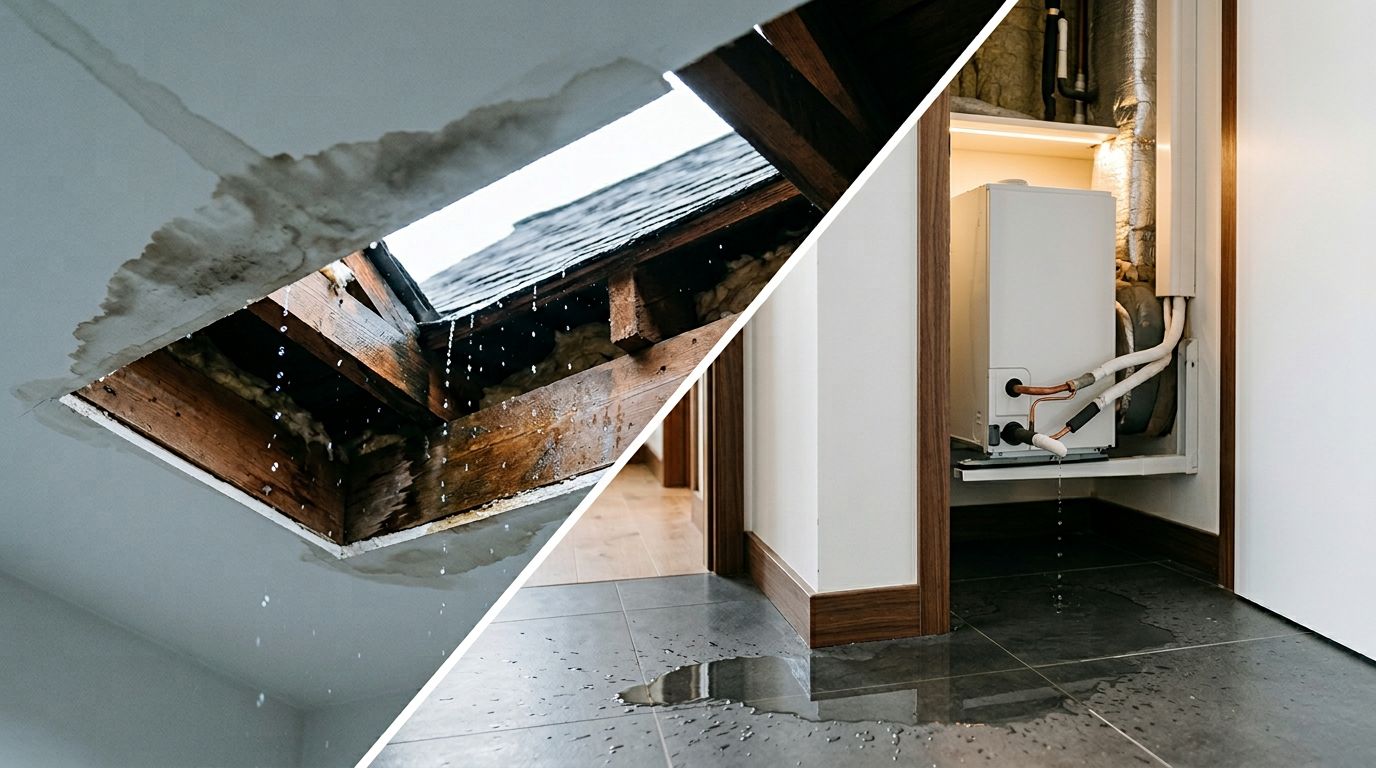
A roof leak usually starts high and travels. You may notice a stain on an upstairs ceiling, near an exterior wall, or around a skylight, vent, or chimney chase. Water can move through the attic before it reaches the room below, so the drip often appears far from the actual opening. If you want a better sense of what roof water leaves behind, these attic clues to roof leaks are a useful reference.
An AC leak usually stays closer to the cooling equipment. Common spots include the closet with the air handler, the ceiling below a unit, the floor near the condensate line, or the area around a supply vent. If the leak shows up when the system has been running for hours, that timing matters.
The stain matters, but the timing matters more.
Musty air, damp insulation, or a repeated stain after each storm also give you a strong clue. Roof water and AC water leave different patterns.
Roof Leak vs AC Leak: A Quick Comparison
The fastest way to sort it out is to compare what you see with when it happens.
| Clue | More likely roof leak | More likely AC leak |
|---|---|---|
| When it shows up | After rain, wind, or a storm | When the AC runs for long periods |
| Where it appears | Near exterior walls, ceilings, skylights, or attic spaces | Near the indoor unit, vents, closets, or duct runs |
| Stain pattern | Irregular, spreading, or following framing | Smaller, steadier, often below one spot |
| Other signs | Damp attic insulation, wet wood, missing shingles, flashing gaps | Condensation, full drain pan, dirty filter, musty air |
| Common cause | Water entering through the roof system | Water from the cooling system or drain line |
The roof usually gets blamed when the ceiling spot appears during rain, and that guess is often right. Still, AC problems can fool people, especially when the leak lands near a vent or interior wall. The right question is simple, did the spot change with weather, or with cooling time?
Safe Checks You Can Do Without Making It Worse
You don't need to climb on the roof or open HVAC panels to learn a lot. A few careful checks can help.
- Write down when the spot first appeared. Note whether it followed rain, a windy day, or a long AC run. That timing is one of the best clues you can get.
- Look at the location. A stain under an exterior wall, in an upstairs ceiling, or near a skylight often points to the roof. Water near the air handler, a closet, or the vent below a unit often points to the AC.
- Check only the easy-access areas. Look for standing water around the indoor unit, a full drain pan, or a dirty air filter. Don't remove covers or touch wiring. If the filter is clogged and easy to replace, that can help reduce AC strain.
- If you have safe attic access, look for damp insulation, dark wood, or water trails. This can help confirm roof-related moisture before the stain gets bigger. A deeper look at professional roof inspection checklist can show you what a roofer checks during a proper inspection.
What Usually Causes Each Leak
Roof leaks often start with damaged shingles, loose flashing, cracked sealant around vents, or worn underlayment. Strong rain can push water through a small gap, then gravity does the rest. The water may run along wood framing, so the drip can appear several feet away from the entry point. Missing shingles, lifted flashing, and attic moisture are common roof clues.
AC leaks usually come from a clogged condensate drain line, a full drain pan, a frozen coil, or condensation on cold ducts. Dirty filters can make the system work harder and freeze up. Once the ice melts, water may spill into the closet, ceiling, or hallway. That is why an AC leak can show up even when the weather is dry.
A roof leak tends to follow storms or wind-driven rain. An AC leak tends to follow cooling cycles. When those patterns don't match, the source is often easier to identify.
When to Call a Roofer or HVAC Pro
If the spot grows after rain, if you see attic moisture, or if stains keep returning in the same place, call a roofer. A licensed roofer can trace the path without guesswork and check for damaged shingles, flashing, or other roof-edge problems. If you want a good next step, a roof maintenance checklist for storm-prone areas can help you stay ahead of repeat issues.
If the leak appears when the AC runs, or if water pools near the indoor unit, call an HVAC professional. Drain line clogs, frozen coils, and condensate problems need the right tools and training.
Treat it as urgent if the ceiling sags, drywall feels soft, or you smell mildew. Water can move fast inside a home, and mold can start before the stain looks dramatic. Protect the area, get the right pro involved, and don't wait for the next storm or cooling cycle to make it worse.