Do Metal Roofs Attract Lightning in Florida?

Do Metal Roofs Attract Lightning in Florida?

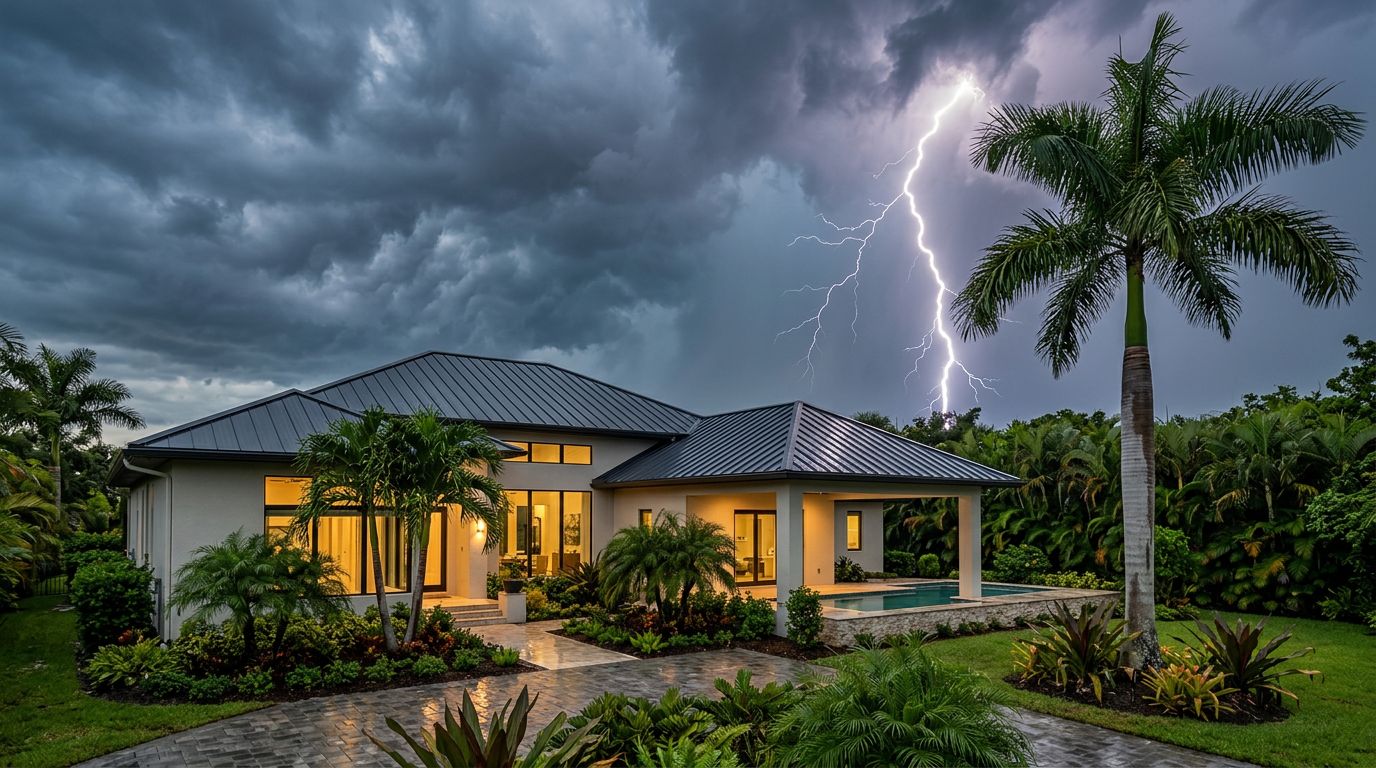
Florida summers bring fierce storms. Lightning cracks the sky almost every afternoon. You might worry a metal roof draws those bolts right to your home.

That's a common fear here in Southwest Florida. Homeowners in Cape Coral and Fort Myers ask about it often. Good news: metal roofs don't attract lightning. Height and location matter far more than the material on top.

Let's break down the facts. You'll see why metal roofs fit right into our stormy weather.

Lightning Seeks the Tallest Point, Not Metal

Lightning follows the path of least resistance. It hunts for the highest, most exposed spot. Think of your home as a tree in a field. The top branches take the hit first.

A roof's material plays little role. Bolts ignore whether it's metal, shingle, or tile. They strike based on elevation and isolation. Your neighbor's tall chimney draws strikes before your low-slung metal roof does.

In Florida, we see over 20 million cloud-to-ground strikes yearly. Most hit open fields or tall structures. Homes on flat lots fare better. A metal roof won't change that.

Science backs this. The National Weather Service notes lightning targets shape and height. Metal just conducts the energy if it lands. It spreads the charge fast. That lowers fire risk compared to wood or shingles.

Why Metal Roofs Handle Strikes Better Than Most

Metal conducts electricity well. A strike flows across the surface. It heads to the ground without burning through. Shingles can ignite instead.

Picture a bolt hitting your roof. On metal, the current races to gutters and downspouts. Proper setup sends it safely away. No sparks inside your attic.

Ungrounded roofs pose risks no matter the type. Metal shines here because it won't smolder. Studies from the Lightning Protection Institute confirm this. Metal roofs cut fire chances during storms.

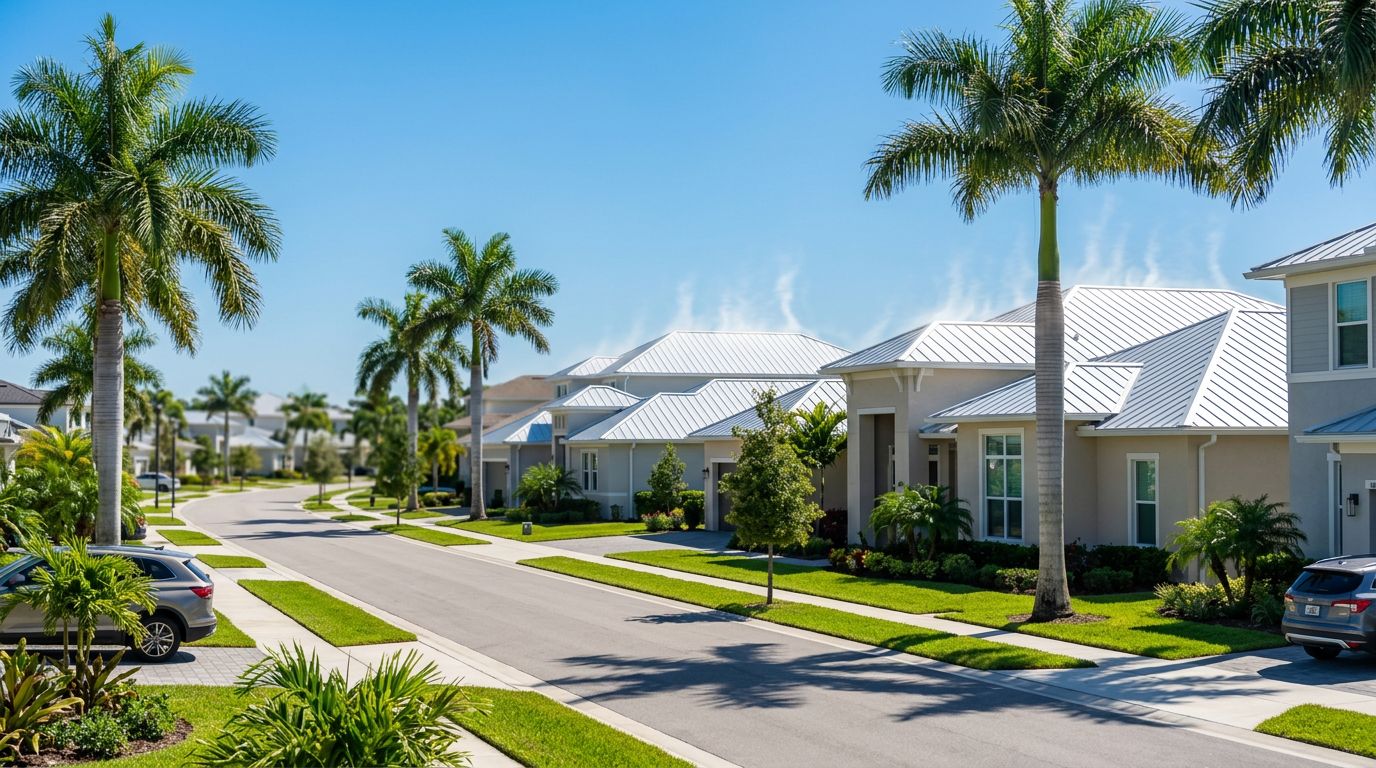
Florida's humidity adds another layer. Metal resists corrosion if coated right. It stands up to salt air near the Gulf. That's why so many Cape Coral homes choose it. Check out a homeowner's guide to metal roof types in Cape Coral for local options.

Florida Storms and Real Strike Data

Our state leads the nation in lightning. Lee County sees peaks from June to September. Cape Coral homes face 100-plus strike days a year.

Data from Vaisala's network shows patterns. Strikes cluster around lakes and coasts. Isolated homes get hit less. Your roof pitch or color? Irrelevant.

Local builders know this. They install metal roofs on schools and offices here. No uptick in damage reports. Metal's reflectivity even cools your home. That saves on AC bills during humid Aprils like now in 2026.

Worried about insurance? Providers like those in Florida don't charge extra for metal. They like its durability. Storms test roofs hard. Metal passes with flying colors.

Grounding and Codes Keep Metal Roofs Safe

Proper install matters most. Florida Building Code requires solid grounding. Metal roofs bond to the system. Strikes flow to ground rods harmlessly.

Chapter 27 covers it. Engineers design for wind and lightning zones. Roofer crews follow with copper straps and clamps. Skip this, and problems arise. But licensed pros handle it right.

In Cape Coral, permits check these details. Inspectors verify paths to earth. Add surge protectors at your panel for extra peace. Costs stay low: under $1,000 for most homes.

Maintenance seals the deal. Rinse salt buildup yearly. Tighten fasteners after winds. Follow a Cape Coral roof maintenance checklist to stay ahead. That keeps your metal roof ready for anything.

Metal Roofs Outperform in Florida Weather

Compare materials side by side. Shingles curl in our heat. Tiles crack from hail. Metal bends but rebounds.

Roof Type Lightning Safety Storm Durability Fire Risk
Metal High (conducts away) Excellent (wind-rated to 150 mph) Low
Shingle Average Fair (fades fast) Medium
Tile Average Good (heavy) Low

Metal wins on longevity too. It lasts 40-70 years. Fewer repairs mean less hassle.

Costs make sense long-term. Expect $12-20 per square foot installed. That's competitive for the protection. See new metal roof costs in Cape Coral 2026 for details.

Homeowners love the quiet too. No drumming rain like old myths claim. Modern panels dampen sound.

Conclusion

Metal roofs don't attract lightning in Florida. They handle strikes better than alternatives. Focus on height, grounding, and pro install for safety.

Your Cape Coral home stays protected. Storms come and go. A quality metal roof endures them all. Ready for an inspection? Local pros keep it simple.

By Infinity Roofing April 26, 2026
Picture this. You're in your Cape Coral home watching roofers tear off old shingles. Debris flies, nail guns pop all day. Can you tough it out inside? Yes, you can stay home during most roof replacements in Cape Coral. It's safe with proper precautions. But noise, dust, and vi...
By Infinity Roofing April 25, 2026
A roof leak after a Florida storm can turn into a much bigger conversation than most homeowners expect. You call for a repair, then someone mentions the 25% roof rule , and suddenly you are wondering if a patch job could become a full replacement. As of April 2026, the Florida...
By Infinity Roofing April 23, 2026
A big storm rolls through your Florida neighborhood. Rain pounds your roof, winds howl, and branches snap everywhere. You worry about damage, but before you climb a ladder, trucks pull up with out-of-state plates. Crews knock, offering quick fixes. These moments tempt homeowne...
By Infinity Roofing April 22, 2026
Your Cape Coral tile roof takes a beating from humidity, salt air, and frequent rains. Black streaks from algae and mold not only look bad, they trap moisture and speed up wear. You want it clean, but one wrong move can crack tiles or void warranties. High-pressure washing see...