Roof Leak Inspection in Cape Coral: What Roofers Check

Picture this. Heavy rain pounds your Cape Coral home after a windy afternoon shower. Water drips from the ceiling. You grab a bucket, but the stain keeps growing. Roof leak inspection in Cape Coral saves the day because leaks often hide far from the drip spot.
Florida's weather makes this common. Winds drive rain sideways. Humidity softens seals. Homeowners face frustration when patches fail. Pros trace the real source fast.
You need to know what roofers check. That way, you spot trouble early or call the right help. Let's walk through it step by step.
Why Cape Coral Roofs Face So Many Leaks
Cape Coral sits near the Gulf. Salt air rusts metal fast. Heavy rains from March to October overwhelm old roofs. Early April 2026 brought 3-6 inches in spots, testing every seam.
Hurricanes loom each summer. Winds over 50 mph lift shingles or tiles. Even without a direct hit, gusts push water under edges. Humidity keeps materials damp, cracking sealants over time.
Aging roofs worsen it. Most last 15-25 years here. Sun bakes shingles brittle. Poor drainage clogs valleys. As a result, small flaws turn into big problems.
Homeowners see stains inside first. Water runs down rafters, far from the entry point. That's why DIY fixes often miss the mark. Pros use tools and experience to find hidden issues.
Follow a Cape Coral roof maintenance checklist from the ground. It spots early signs before leaks start.
What You Can Check Safely at Home
Don't climb your roof. Slips cause injuries. Instead, use binoculars from the yard. Look after rain or wind.
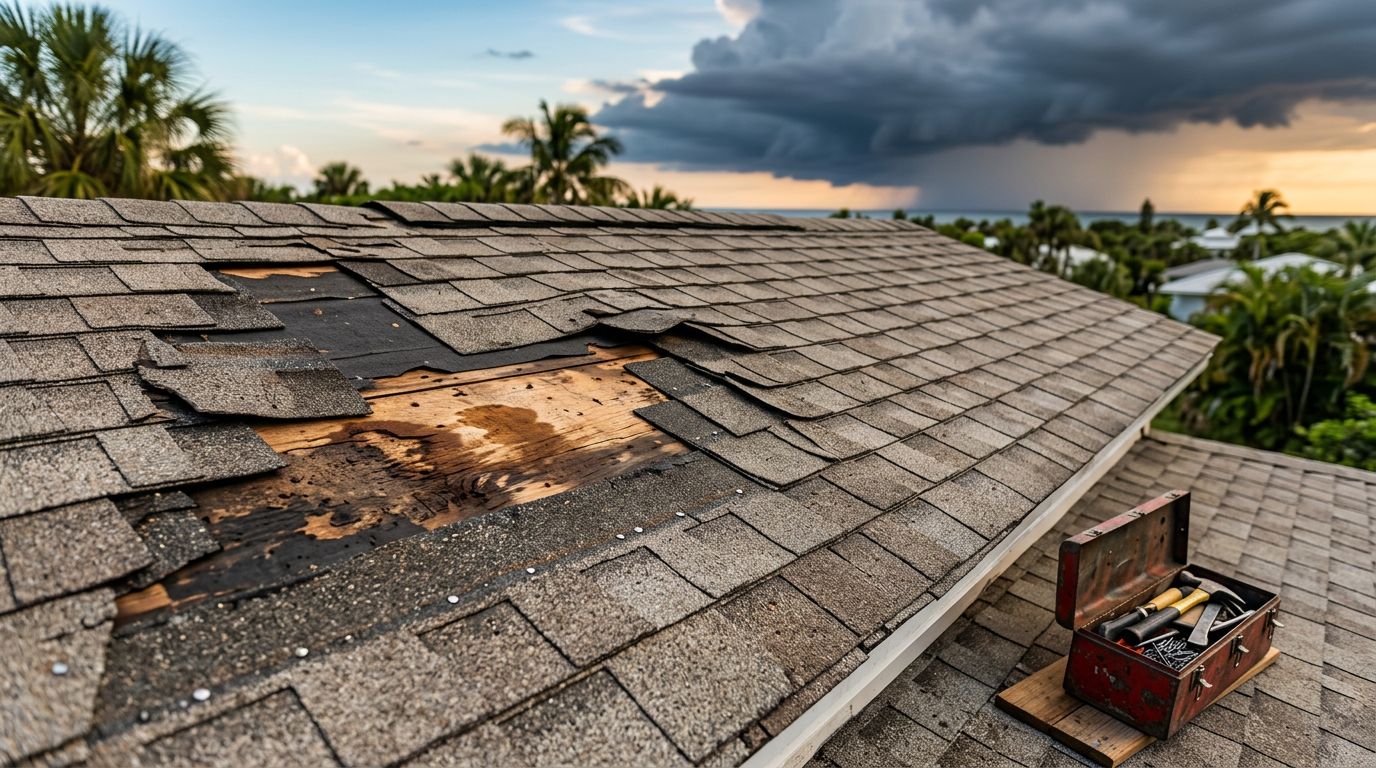
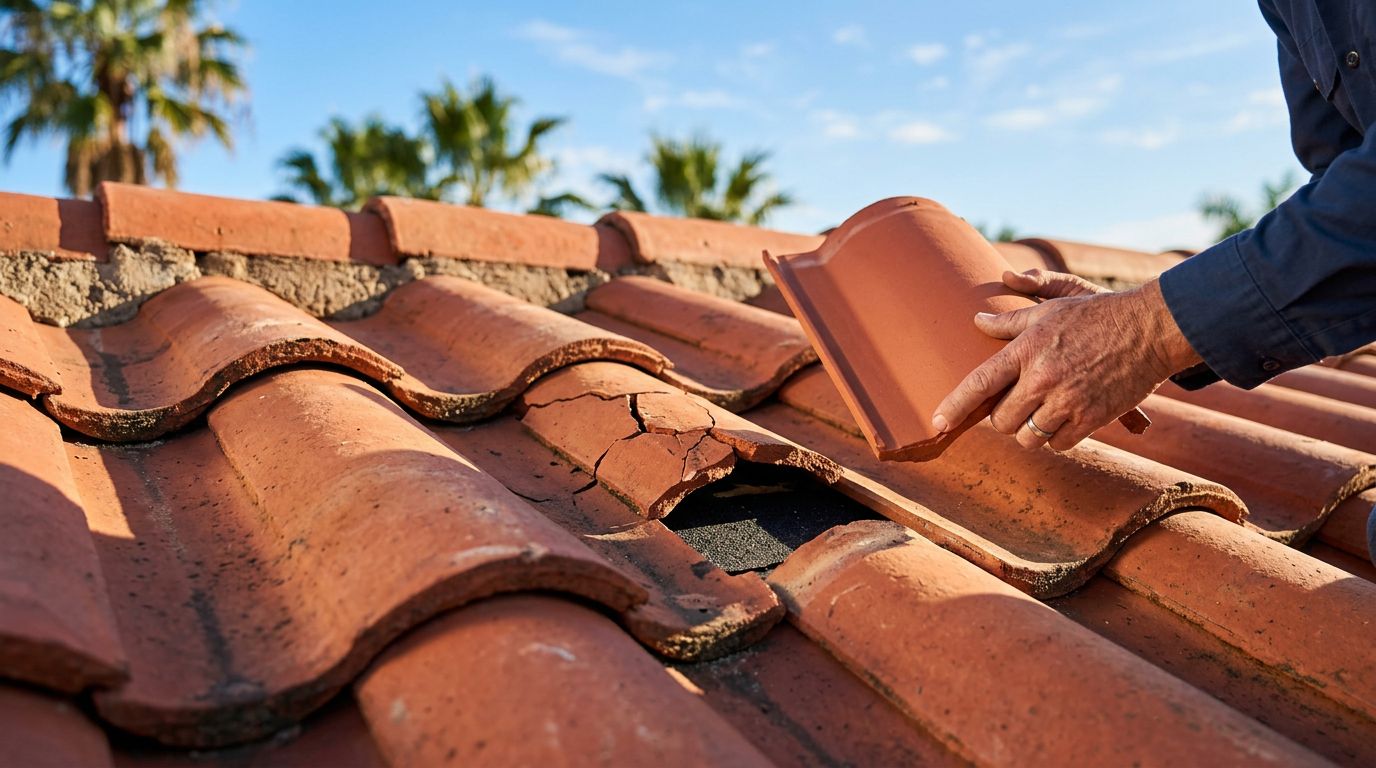
Scan the surface first. Missing shingles expose underlayment. Cracked tiles let water seep. Check edges and ridges for lifts.
Next, inspect gutters. Granules or debris signal wear. Clogged ones back up water onto the roof.
Peek in the attic. Dark streaks on rafters mean intrusion. Feel insulation; damp clumps point to problems.
Inside, note ceiling stains. Yellow rings grow after storms. Musty smells hint at mold from humidity.
These steps take minutes. They confirm if you need a pro. For shingle roofs, watch for signs your shingle roof needs repair in Cape Coral. Act before the next downpour.
The Step-by-Step Roof Leak Inspection Process
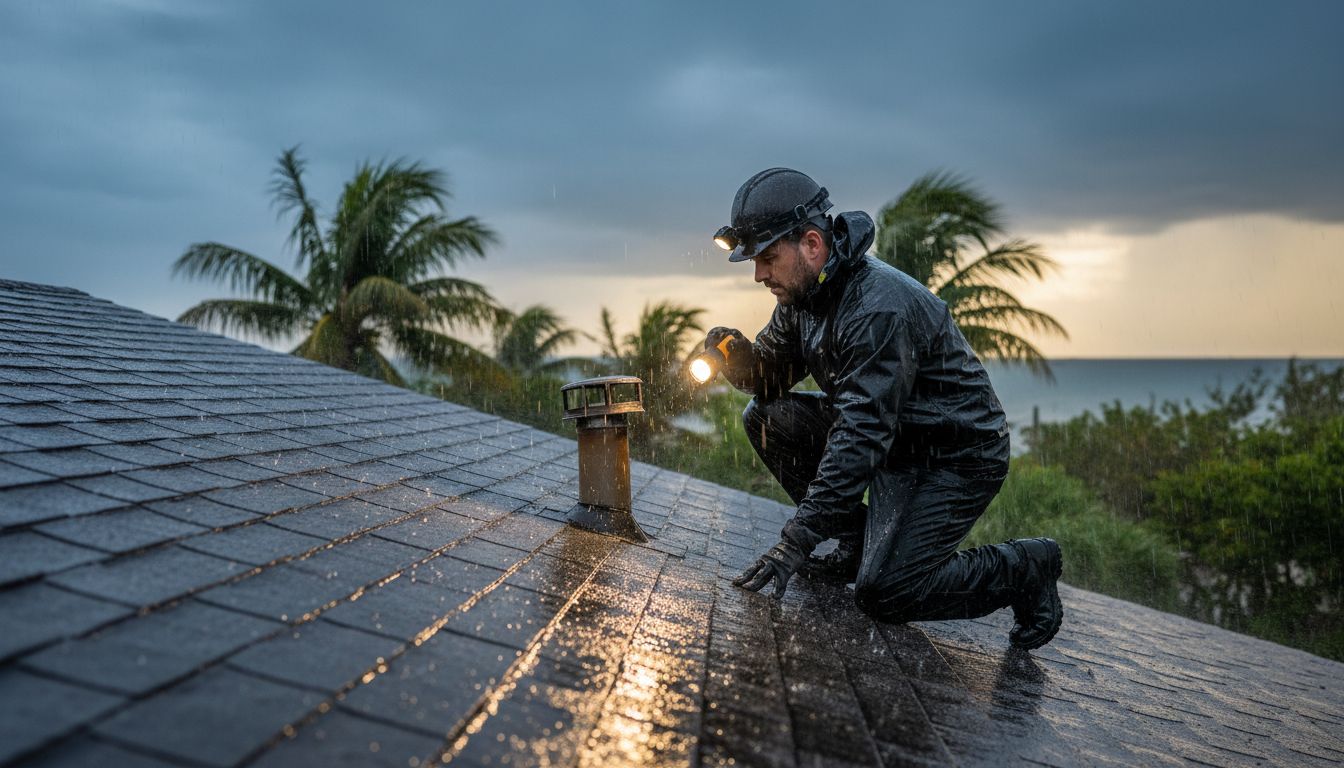
Roofers start with safety. They gear up, check for hazards like loose tiles. Drones help on steep pitches.
First, they trace the leak path. Stains guide them, but water travels. They mark entry and exit points.
Then, a full visual scan covers the whole roof. They probe soft spots. Moisture meters detect hidden dampness.
Attic checks follow. Pros shine lights through gaps. Thermal cameras spot cold areas from evaporation.
Finally, they test with water. Hoses mimic rain. This reveals active leaks in real time.
The process takes 1-2 hours for most homes. You get a report with photos. No guesswork.
Key Areas Roofers Always Check for Leaks
Flashing tops the list. It seals around vents, chimneys, and skylights. Cape Coral winds loosen it. Rust from salt air creates gaps.
Roof penetrations come next. Pipes and fans wear seals. Cracked boots fail in heavy rain.
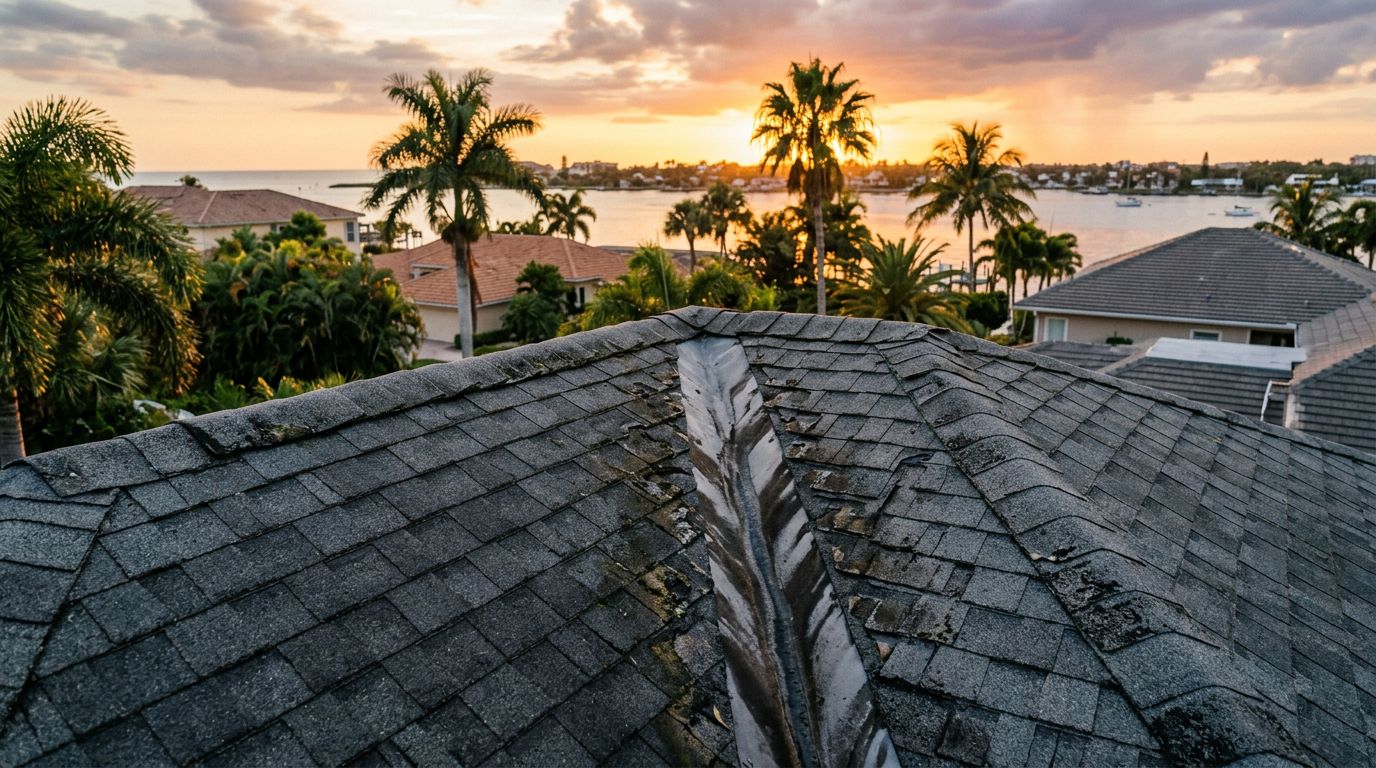
Valleys channel water. Debris clogs them. Poor underlayment tears here first.
Fasteners pull loose over time. Nails pop from heat expansion. Tiles or shingles shift.
Skylights need special attention. Signs of failing skylight flashing in Cape Coral include rust and lifted edges.
Chimneys and dormers trap water if seals crack. Clogged drains on flat areas pond, rotting decks.
Here's a quick overview of checks:
| Area | What Roofers Look For | Cape Coral Risk Factor |
|---|---|---|
| Flashing | Gaps, rust, loose fit | Wind-driven rain |
| Valleys | Debris, torn underlayment | Heavy downpours |
| Penetrations | Cracked seals, worn boots | Humidity expansion |
| Fasteners | Popped nails, loose tiles | Heat cycles |
This table shows priorities. Pros fix the source, not just symptoms.
Urgent Signs That Demand Immediate Inspection
Call now if water pours during light rain. That's not normal. Active leaks risk mold and rot.
Sagging ceilings mean structural harm. Wind after storms lifts materials; check fast.
Multiple stains signal widespread issues. Hurricane season nears. Prep before June.
Repeated patches fail because they ignore roots. Pros prevent that.
After April's rains, inspect if granules fill gutters. It points to failing shingles.
Don't wait. Delays cost thousands in interior fixes.
What Happens Next After Inspection
Roofers explain findings clearly. You get options: repair, replace, or monitor.
Minor fixes like sealant might suffice. Larger jobs need Cape Coral roof repair services.
Permits apply for big work. Learn when Cape Coral roof repairs need permits.
Quotes stay upfront. No surprises. Work starts soon, with cleanup.
Follow-up checks ensure fixes hold. Your roof stays strong through storms.
A solid inspection brings peace. You dodge bigger headaches.
Leaks hit Cape Coral homes hard, but inspections catch them early. Winds, rain, and humidity test every roof. Check safely yourself, then call pros for the rest.
Spot stains? Schedule a roof leak inspection in Cape Coral today. Protect your home before the next storm rolls in. What's your first sign of trouble?