Signs Your Skylight Flashing Is Failing In Cape Coral

You glance up at that bright skylight in your Cape Coral kitchen. It lets in natural light all day. But lately, a faint water spot appears on the ceiling after every heavy rain.
Skylight flashing seals the gap where the skylight meets your roof. When it fails, water sneaks in. Cape Coral's winds, salt air, and downpours make this a common issue for local homeowners. Spot these signs early to avoid bigger damage.
Let's break down the key indicators you might notice inside and out.
What Skylight Flashing Does and Why Cape Coral Homes Need It Strong
Skylight flashing wraps around the skylight base. It directs water away from seams and into gutters. Metal or rubber materials handle most weather, but not forever.
In Cape Coral, roofs face constant tests. High winds push rain sideways. Salt from the Gulf corrodes metal fast. Humidity keeps everything damp, so seals crack sooner.
A good flashing setup lasts 15 to 20 years with care. But poor installation or storm hits shorten that. Water then travels down the frame or under shingles. That leads to stains or mold.
Homeowners often ignore it until leaks show. Regular checks catch wear before trouble starts. For example, our Cape Coral roof maintenance checklist includes safe ways to scan from the ground.
Strong flashing keeps your interior dry. It also protects the skylight glass from stress. Next, look for indoor hints that point to failure.
Ceiling Stains and Water Marks Near Your Skylight
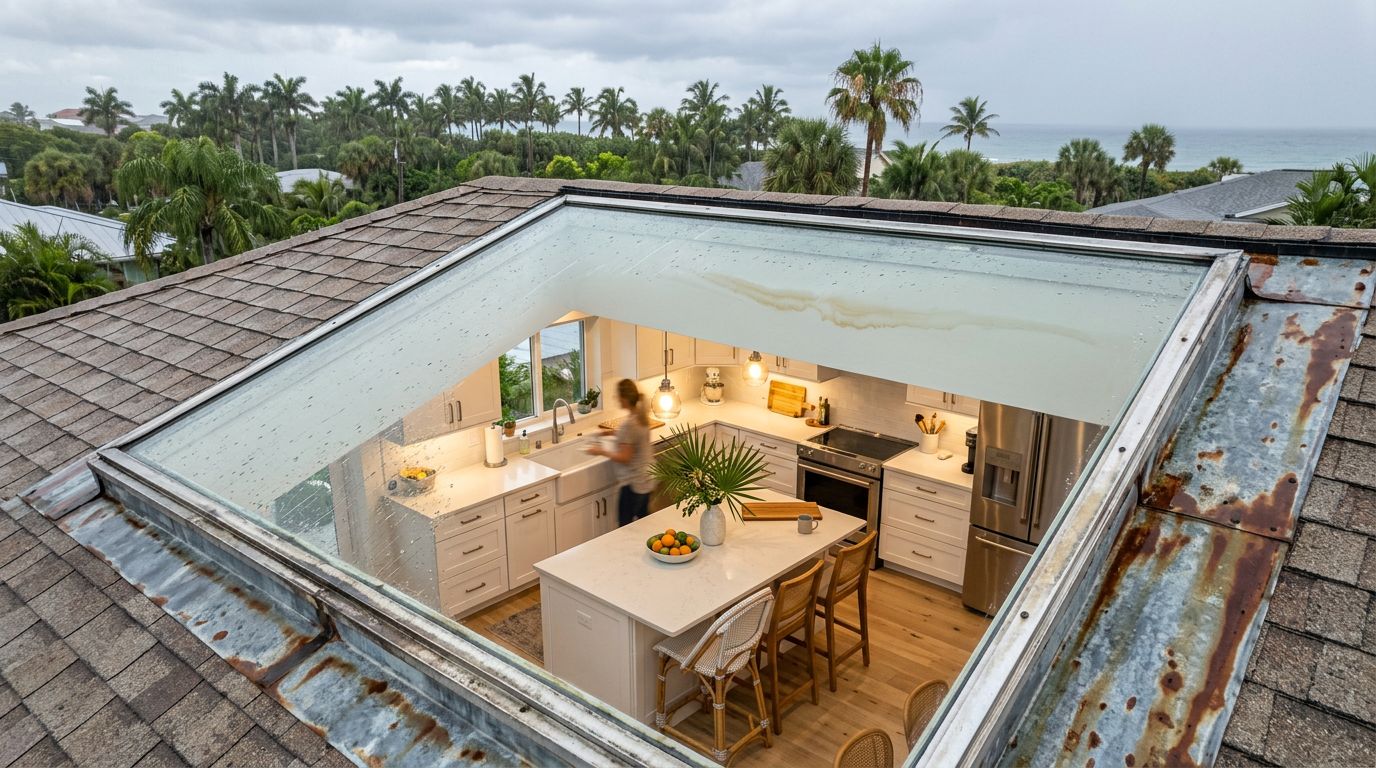
Stains on the ceiling are the top clue. They start small, often yellowish rings right under the skylight. Rain hits, the spot darkens, then fades until the next storm.
Water follows the path of least resistance. It might drip straight down or spread along rafters. So the mark could sit inches away from the skylight edge.
Paint bubbles or peels in the same area. That's drywall soaking up moisture over time. Check after wind-driven rain, common here in summer. If stains return, flashing likely lets water past.
Don't paint over them. That hides rot underneath. Instead, note the pattern. Does it worsen with wind? That points to loose seals, not just overflow.
These signs build slowly. But they signal real intrusion. Professionals trace them back to the source fast.
Bubbling Drywall, Paint, and Musty Odors Indoors
Bubbling drywall screams hidden water. Paint lifts in soft blisters near the skylight. Press it gently; if it gives, moisture sits inside the wall.
Drywall soaks like a sponge. Repeated wettings weaken it. Cracks form, then mold grows. You might see black spots later.
Musty odors follow. They linger in attics or rooms below. Cape Coral humidity masks smells at first. But after rain, that earthy scent sticks around.
Attics tell more. Damp insulation clumps. Wood rafters show dark streaks. Feel for softness; that's early rot.
These indoor problems spread if ignored. Mold affects air quality. Repairs then cost more. Spot them early with attic peeks twice a year.
Transition to outside views helps confirm. Ground-level checks reveal matching clues.
Visible Rust, Lifted Edges, or Gaps Around the Skylight Base
From your yard, grab binoculars. Rust streaks on flashing mean corrosion. Salt air speeds this up near canals or beaches.
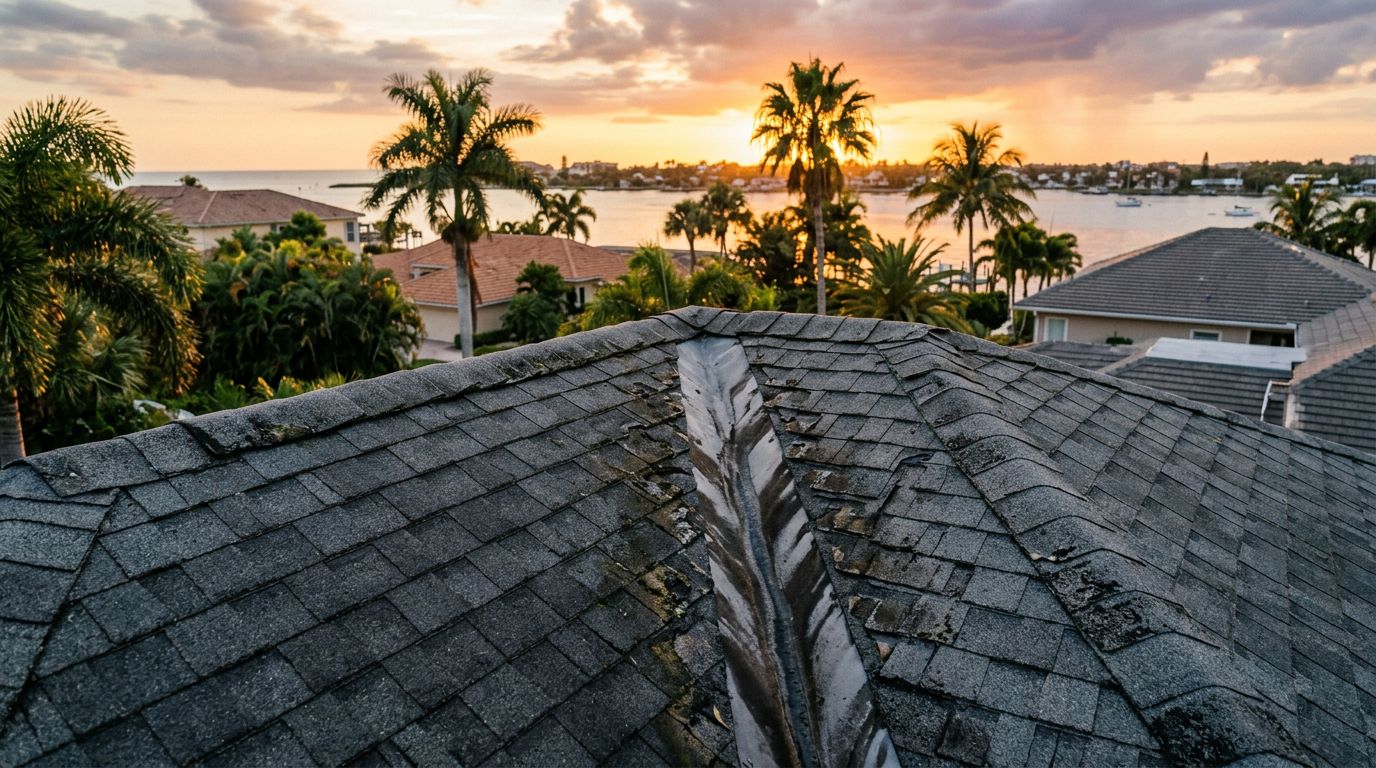
Lifted edges curl from wind or heat. Gaps appear where sealant fails. Water pools there during showers.
Debris builds in crevices. Leaves or grit trap moisture. That erodes the seal faster.
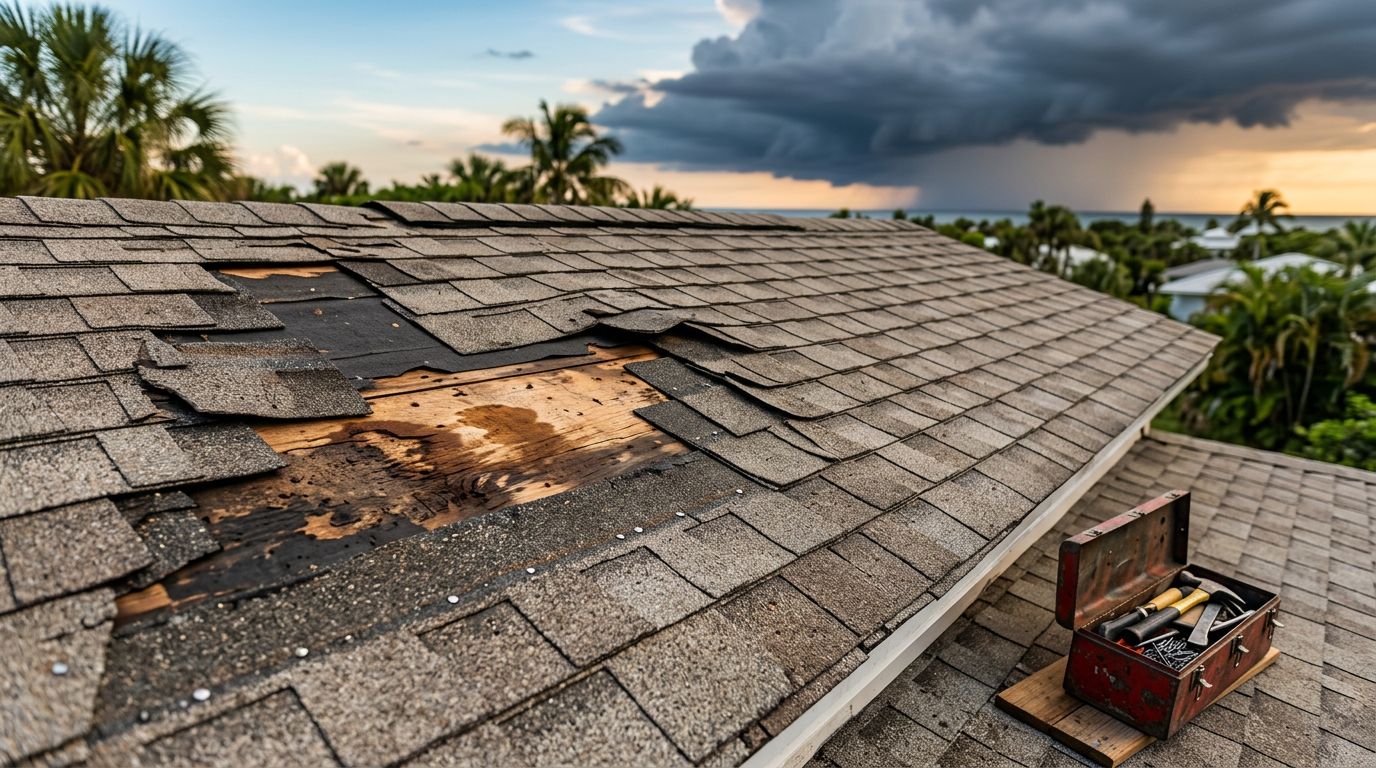
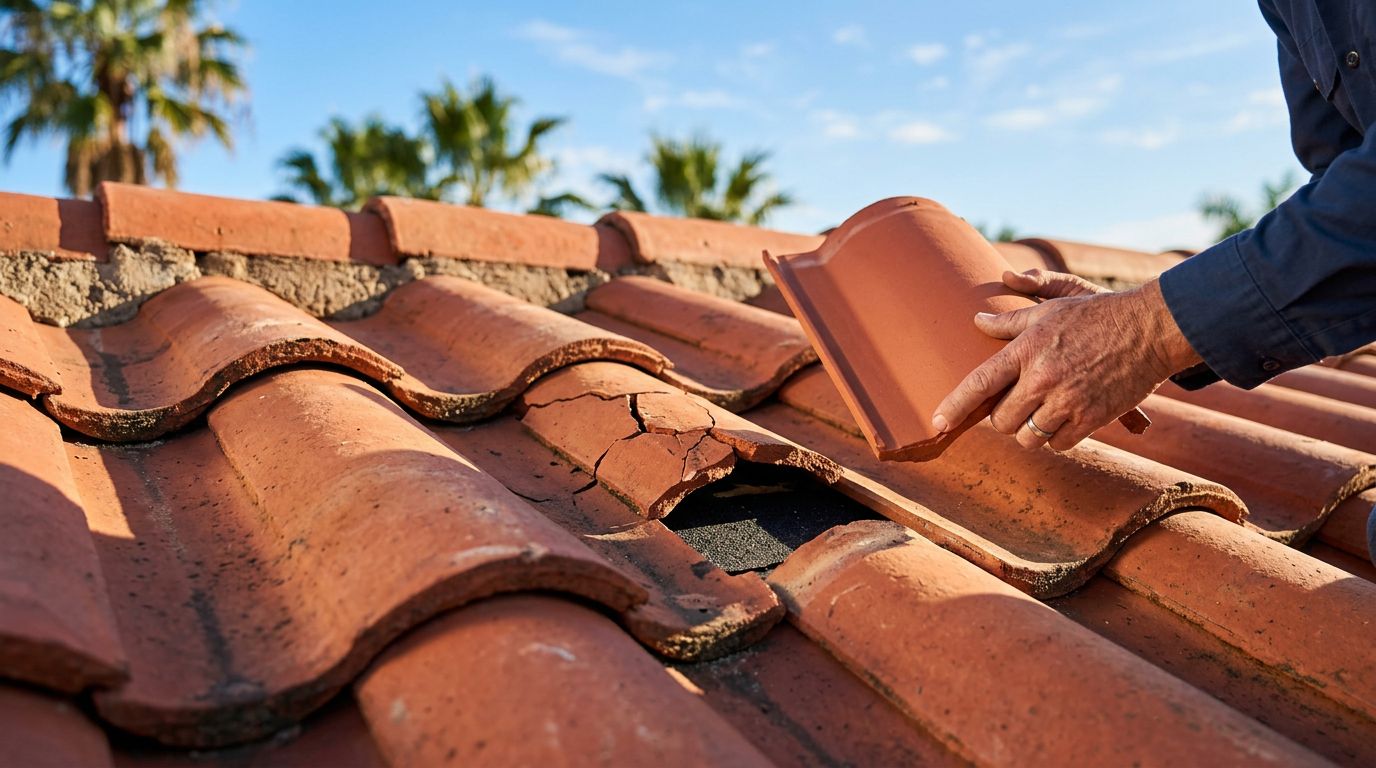
After storms, scan for new dents or shifts. Even small changes let wind-driven rain in. Tiles or shingles nearby might lift too.
Don't climb up. Slips happen easy on wet roofs. Photos help pros assess.
These outdoor signs match indoor ones. Together, they confirm flashing trouble. Weather here makes them common.
How Florida Storms and Humidity Accelerate Skylight Flashing Wear
Cape Coral weather hits flashing hard. Winds over 50 mph shove rain under edges. It bypasses seals meant for straight-down drops.
Salt air rusts metal quick. Homes near water see it worst. Humidity keeps seals soft, then brittle.
UV sun bakes rubber parts. They crack after years. Combine that with summer heat, expansion pulls seams apart.
Tropical storms test everything. One event loosens what age started. Then leaks begin.
Local roofs use tile or shingle often. Both need tight flashing at skylights. Check signs of tile underlayment failure if stains spread wide; it ties in sometimes.
Maintenance fights back. Rinse salt off yearly. But pros handle the rest.
Leaks Only During Windy Rain Point to Flashing Issues
Normal rain sheds fine. But leaks in windy storms? That's flashing at fault.
Wind drives water up slopes. It finds weak spots. Skylight curbs take the brunt.
Test it next time. Light shower, no drip. Gale with rain, water appears. Classic sign.
Roof pitch matters. Steeper ones channel better. Flats pool easier.
Don't seal from below. That fails fast. Pros replace the metal or add overlays.
Condensation Confusion: When It's Not the Flashing
Fog on skylight glass fools many. It's often attic heat meeting cool panes. No leak involved.
True failure drips or stains. Condensation dries quick, no marks left.
Poor ventilation causes both. Fans or vents help. But check temps; big gaps mean trouble.
If stains join in, call inspection. Distinguish to save needless worry.
| Sign Type | Flashing Failure | Just Condensation |
|---|---|---|
| Water path | Drips or stains on ceiling | Glass fog only |
| Timing | After wind/rain | Cool nights |
| Odor | Musty attic smell | None |
| Exterior | Rust or gaps | Clean flashing |
This table spots the difference fast. Use it for your checks.
Act Now: Get a Professional Inspection Before Damage Spreads
Failing skylight flashing starts small but grows. Ceiling stains lead to rot. Musty smells hint at mold. Rust outside confirms it.
Cape Coral pros know local weather quirks. They climb safe, use drones if needed. Free inspections spot issues early.
Fixes run $300 to $1,200, per Cape Coral roof repair costs in 2026. Cheaper than full interior work.
Schedule one today. Protect your home from the next blow. Your roof thanks you.
(Word count: 982)