Hip Roof vs Gable Roof: Best Choice for Florida Winds

Hip Roof vs Gable Roof: Best Choice for Florida Winds

Florida winds hit hard, especially in Cape Coral. You've seen roofs peel off during storms, leaving homes exposed. If you're replacing your roof or building new, hip roof vs gable roof comes down to one big question: which holds up better against hurricanes?

Hip roofs often win in high-wind zones. They shed wind better and need fewer fixes. Gable roofs can work too, but only with extra steps. We'll break it down so you pick smart for your home and wallet.

Key Traits of a Hip Roof

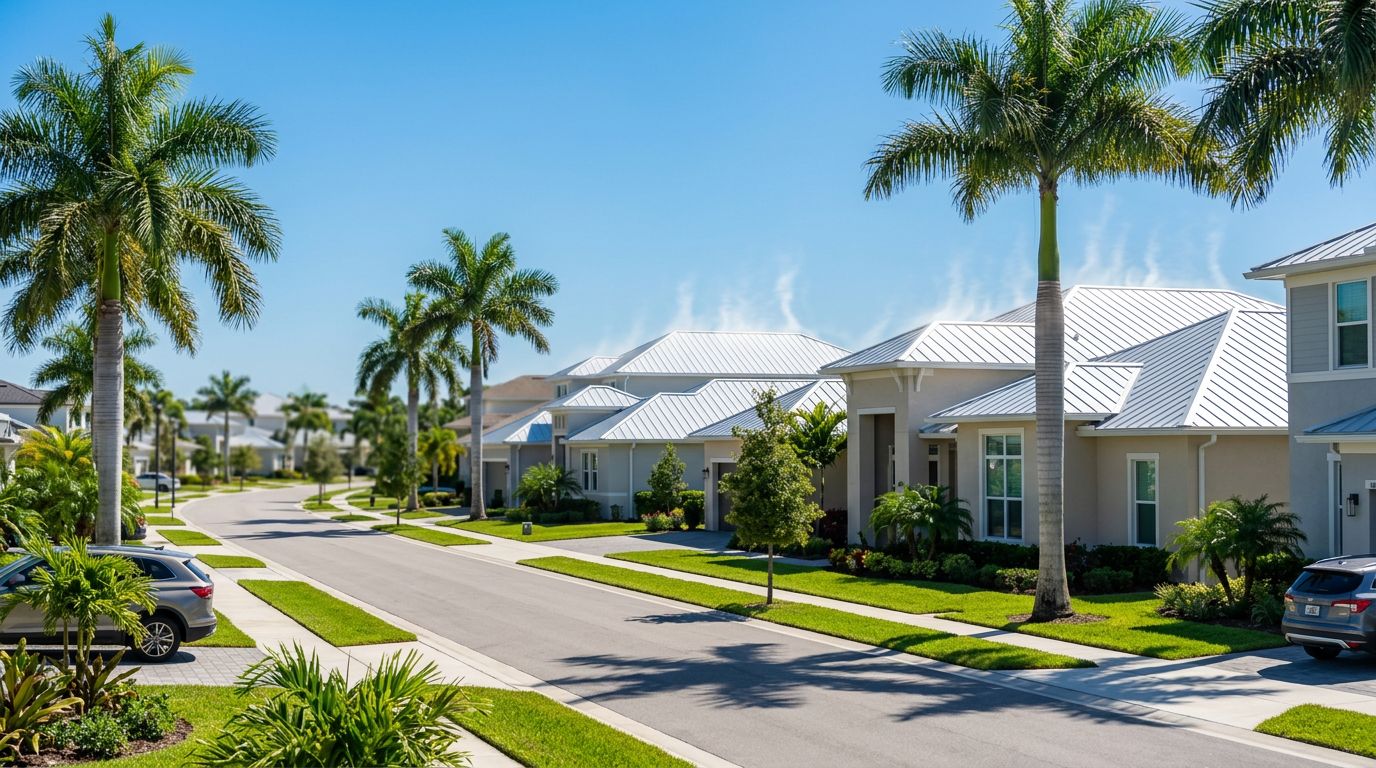
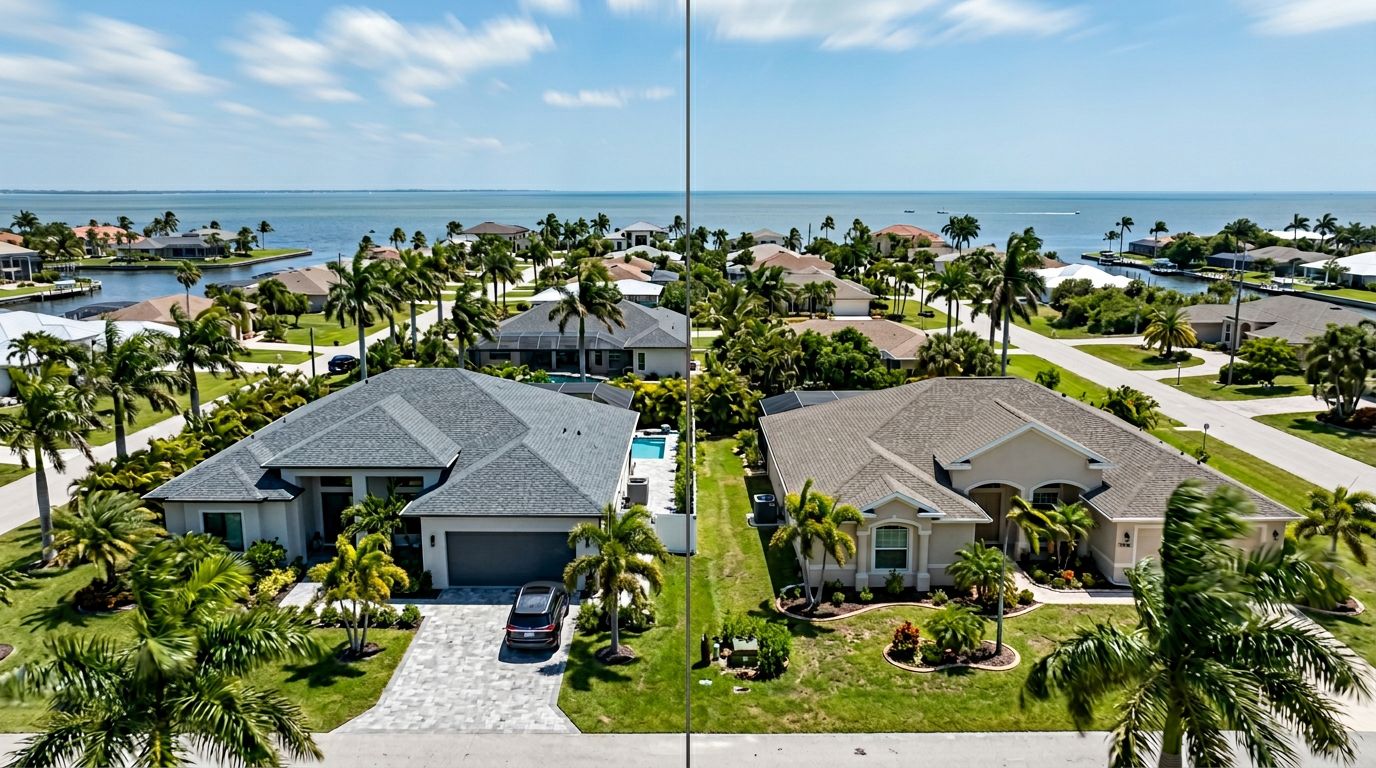
A hip roof slopes on all four sides. No flat ends stick out. Wind glides over it smooth, like water off a duck's back.

This shape cuts uplift pressure by up to 50%. In Cape Coral's gusts, that means fewer shingles fly. Hip roofs self-brace too. Trusses connect strong without much added metal.

Homeowners notice less damage after storms. Recent data shows hip roofs with 40-60% fewer claims. They fit Florida's coastal style and last longer overall.

How Gable Roofs Face Florida Winds

Gable roofs slope on two sides only. Triangle ends face the sky. Wind catches those ends like a sail, creating pull.

Uplift builds fast in hurricanes. Shingles lift first, then whole sections fail. Cape Coral homes with gables often see end-wall stress too.

You can reinforce them. Add bracing and straps. But it costs more time and cash. Without that, gables lag behind hips in wind tests.

Hip Roof vs Gable Roof: Wind Performance Breakdown

Picture a Category 3 storm over Cape Coral. Hip roofs shrug it off better. Their even slopes spread wind load. Gables focus force on ends.

Here's a quick side-by-side:

Feature Hip Roof Gable Roof
Wind Flow Smooth over all sides Catches on ends
Uplift Risk Low (self-bracing) High without extras
Storm Claims 40-60% fewer More common failures
Build Cost 15-20% higher Lower upfront

Hip roofs shine in 170-195 mph design winds. Gables match if engineered right. But hips need less hassle.

For real proof, check hip vs gable roof geometry for wind resistance during inspections. It ties straight to lower insurance.

Florida Code Rules for High-Wind Roofs

Cape Coral sits in a wind-borne debris zone. The 2026 Florida Building Code demands tough standards. Roofs handle 170+ mph ultimate winds.

Both types need tie-downs. Straps or clips every 24 inches link trusses to walls. Gables add gable-end bracing. Plywood panels stiffen those weak triangles.

Secondary water resistance seals the deal. Underlayment or sealed shingles block rain if covers blow off. Hips install this easier. No end walls complicate things.

Check 2026 Florida Roofing Code updates for Cape Coral re-roofs before starting. Permits flag code shifts early.

Insurance Perks and Real Costs

Insurers love hip roofs. You get 10-30% off premiums, or $300-900 yearly. Wind mitigation forms credit hip shapes for better geometry.

Gables earn credits too, with bracing proof. But hips pay back extra build cost in 8-12 years via savings. Post-storm data backs it. Fewer repairs mean lower deductibles hit less.

Factor inspections. Hips pass quicker, closing permits smooth. See the Cape Coral roofing permit process for steps.

When Gable Roofs Make Sense Anyway

Gables suit tight budgets or attic space needs. They vent hot air well in Florida humidity. Pair with metal straps and sealed decks, and they hold.

Engineered right, gables meet code in Cape Coral. Add overhang braces. Use high-wind shingles. But expect more upkeep.

New builds or adds might favor gables for simple framing. Still, hips edge out for pure storm safety. Weigh your lot size and style.

Learn more in this hurricane-proofing Cape Coral roofs guide.

Pick the Roof That Stands Strong

Hip roofs beat gable roofs for Florida wind resistance. They cut risks, ease code compliance, and save on insurance. Gables work with upgrades, but why settle?

Your Cape Coral home deserves the best shot against storms. Schedule a free inspection today. See what fits your roof and budget. Ready to upgrade?

By Infinity Roofing April 4, 2026
You glance up at that bright skylight in your Cape Coral kitchen. It lets in natural light all day. But lately, a faint water spot appears on the ceiling after every heavy rain. Skylight flashing seals the gap where the skylight meets your roof. When it fails, water sneaks in....
By Infinity Roofing April 3, 2026
Imagine handing over thousands for a new roof, only to watch the contractor vanish after cashing your check. Florida homeowners face this nightmare too often, especially after storms hit Southwest Florida hard. In 2026, with stricter building codes and rising scam reports, a F...
By Infinity Roofing April 2, 2026
You spot a broken tile after that last storm. It looks simple enough to fix. But then you learn it's a discontinued roof tile . No supplier has it in stock. Panic sets in because Florida's weather waits for no one. Homeowners in Cape Coral, Fort Myers, and Naples face this oft...
By Infinity Roofing April 1, 2026
You've just wrapped up your roof replacement in Cape Coral. The crew packed up, and now you wait for that final nod from the city inspector. But what exactly do they check? A failed roof final inspection means delays, extra costs, and more headaches from Florida's storms. Home...