Signs Your Tile Roof Underlayment Has Failed In Florida

A tile roof can look solid from the street and still be letting water in. That's because the tile itself usually sheds water, but it isn't the main waterproof barrier.
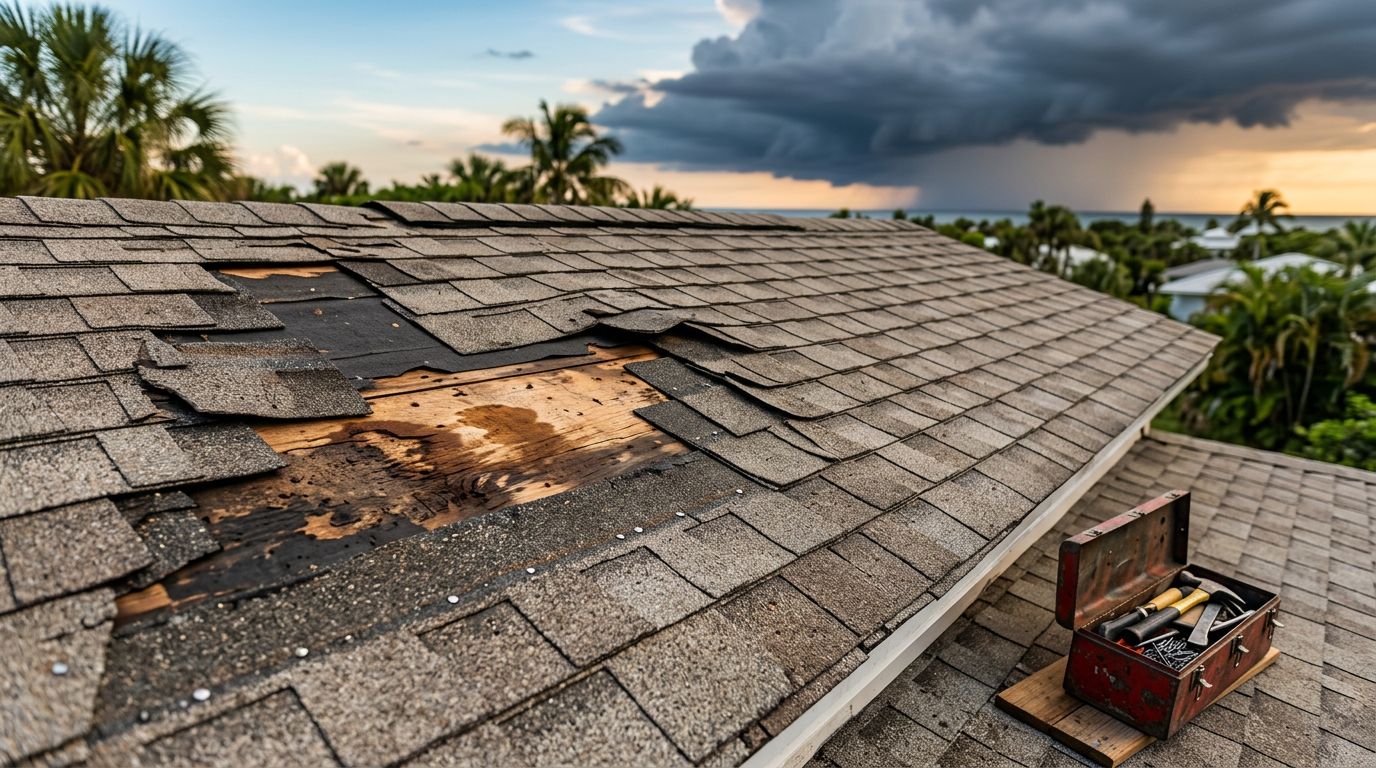
In Florida, the real underlayment beneath the tile does that job. Sun, heat, humidity, salt air, and storm exposure wear it down over time. When tile roof underlayment failure starts, the first clues often show up inside your home.
Why Florida tile roofs often fail from underneath
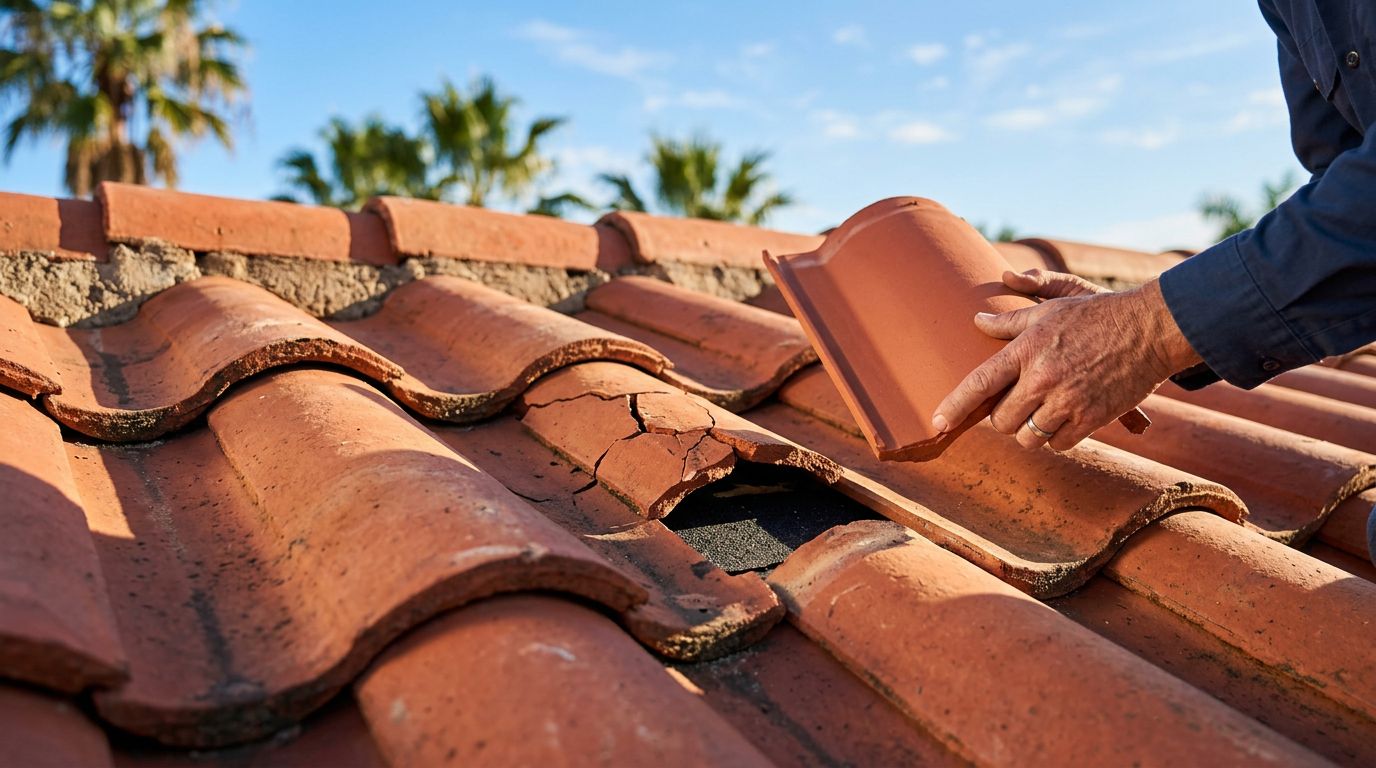
Tile is tough. It handles sun well, and it can last for decades. Still, tile roofs work more like armor than a sealed lid. Water that gets past cracked tiles, loose flashings, or blown rain can still move downward. The layer that stops that water is the underlayment.
In Florida, that hidden layer ages faster than many homeowners expect. Intense UV, high attic heat, and daily humidity can dry it out and make it brittle. On coastal homes, salt air can also speed up wear around metal flashings and fasteners. Over time, small cracks or weak seams can turn into leak paths.
A tile roof is a bit like a raincoat over a windbreaker. The outer layer blocks most weather. The layer below saves you when the storm turns sideways.
If the tile looks fine but leaks keep coming back, the problem may be underneath, not on top.
Age matters too. Tiles often outlast the material below them. In Florida, underlayment often lasts about 20 to 30 years, while many tile roofs keep their shape far longer. Past storm damage can shorten that life, especially if tiles slipped, cracked, or lifted and left the layer below exposed.
Poor installation can speed up failure as well. Wrong materials, weak fastening, or sloppy detailing around valleys and roof penetrations can let water in early. If you're comparing reroof choices, these Florida underlayment options for tile roofs explain why the layer below the tile matters so much in Southwest Florida.
The indoor warning signs homeowners notice first
Most homeowners don't spot underlayment trouble by staring at the roof. They notice it when water starts showing up indoors. A ceiling stain after heavy rain is often the first clue. Then it dries, fades a little, and returns with the next storm. That repeat pattern matters.
Leaks near skylights, vents, chimneys, valleys, or exterior walls deserve attention. So do brown rings on drywall, bubbling paint, warped trim, or peeling texture. Water can travel along the roof deck before it drops, so the stain you see may be several feet from the actual entry point.
The attic often tells the story sooner. Damp or clumped insulation, dark marks on wood, and a musty smell all point to moisture. If you notice moldy odors after storms, don't assume it's normal Florida humidity. Moisture that keeps coming back usually has a source.
This quick guide shows what to watch for:
| Warning sign | What it can point to |
|---|---|
| Recurring ceiling stains | Water getting past tile and underlayment |
| Damp attic insulation | Ongoing roof moisture, often after rain |
| Musty or moldy smell | Hidden damp areas in the attic or deck |
| Soft or rotten wood | Long-term leakage and possible deck damage |
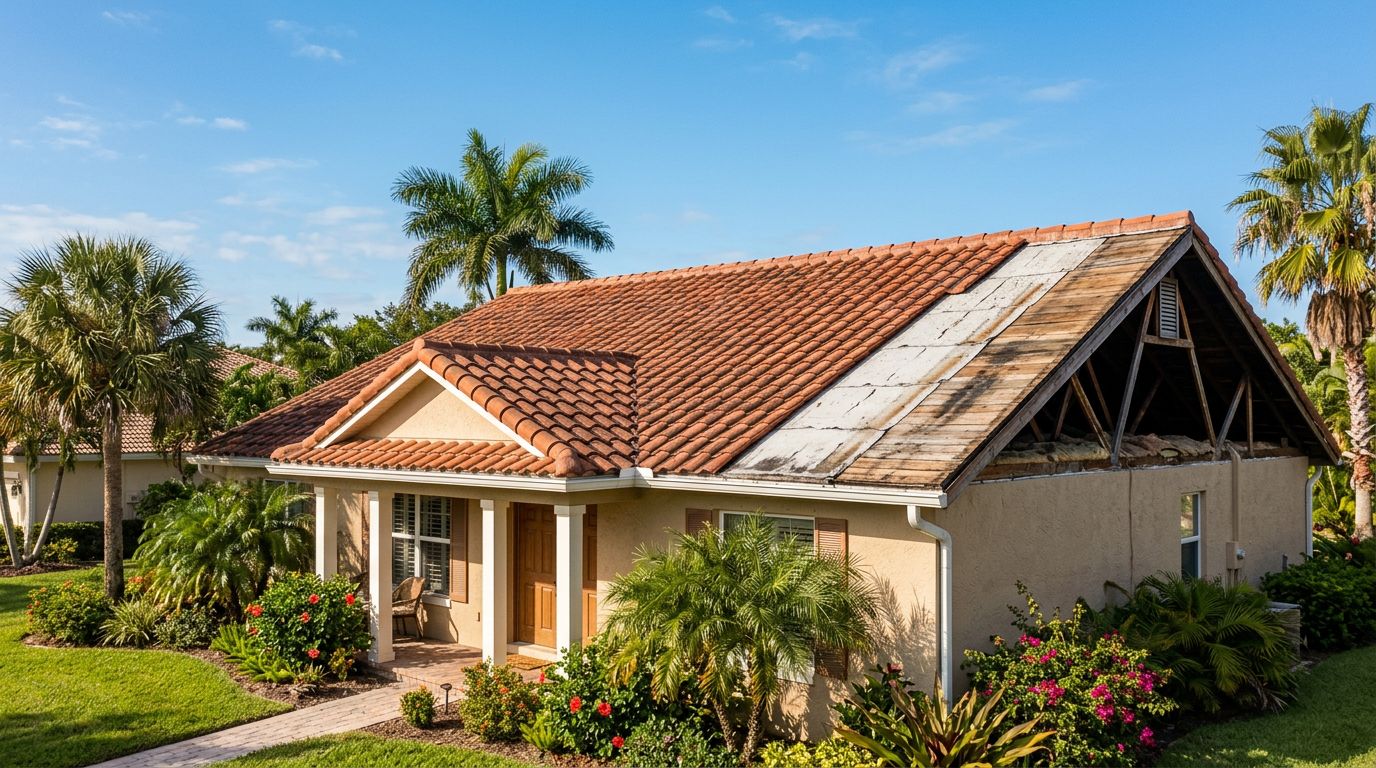
Rotten decking is a late-stage warning sign. If wood near the eaves, soffits, or attic feels soft, water may have been entering for a while. At that point, the fix may involve more than replacing a few tiles.
Repeated spot repairs are another clue. If one area gets sealed again and again but the leak returns, the issue may not be the visible tile in that exact place. Water often moves under tile before it shows up inside.
Not every stain means full failure. Still, repeated interior symptoms rarely fix themselves. They usually mean water has found the same weak spot more than once.
Exterior clues and storm patterns that point to underlayment trouble
Some signs show up outside, but you should look from the ground or with binoculars, not by walking the roof. Tile can crack underfoot, and steep roofs are dangerous. A professional inspection is the safer call.
Start with the easy clues. Slipped tiles, cracked tiles, or pieces of tile in the yard can expose the layer below. After a windy storm, look for uneven tile lines or gaps where a tile has shifted. One moved tile doesn't always mean full tile roof underlayment failure, but it can create the opening that starts a leak.
Pay close attention to leaks that happen only during wind-driven rain . That's a classic Florida pattern. During a normal shower, the roof may seem fine. When wind pushes water uphill or sideways, weak underlayment seams and aging flashing details get tested. If the drip appears only during strong summer storms or tropical weather, the weak point may be below the tile surface.
Coastal exposure adds another layer of wear. Salt air can corrode flashings and fasteners, which then lets water reach places it shouldn't. Meanwhile, heat and UV keep aging the underlayment itself. The result is a roof that looks acceptable from the street but performs poorly when weather gets rough.
These issues also matter during insurance or resale inspections. Ceiling stains, past leak repairs, and visible tile movement can raise questions about the roof's condition. If you're weighing next steps, this guide on repair vs replace for failing tile underlayment can help you think through scope. If you get a proposal, look closely at the underlayment line items in roofing estimates , because vague wording can hide big differences in protection.
Some homeowners also ask about extra backup protection during reroofing. This explanation of a secondary water barrier against underlayment failure shows how a sealed deck can help during storms.
A tile roof doesn't have to look destroyed to have a real water problem. In Florida, the weak point is often the hidden waterproof layer, not the tile you can see.
If you've noticed recurring stains, attic moisture, musty odors, slipped tiles, or leaks during sideways rain, schedule a professional inspection soon. Keep your feet off the tile, get clear photos and findings, and fix the cause before the next storm finds it again.