Post-Hurricane Roof Inspection Checklist for Cape Coral Homeowners (what to photo, what to cover, who to call)

Post-Hurricane Roof Inspection Checklist for Cape Coral Homeowners (what to photo, what to cover, who to call)

After a hurricane, your roof can look “fine” from the street and still be letting water in like a pinhole in a garden hose. The hard part is that roof damage isn’t always dramatic. Sometimes it’s one lifted shingle, a bent flashing edge, or a cracked tile that turns into a ceiling stain a week later.

This post hurricane roof inspection checklist is built for Cape Coral homeowners who want to document damage the right way, stop more water from getting in, and call the right people in the right order, without putting themselves at risk.

Safety-first steps before you inspect anything

Start with one rule that saves people every storm season: don’t get on the roof if conditions are uncertain. Wet shingles and tile are slick, metal edges can be sharp, and hurricane damage can leave soft spots you can’t see. If there’s any sign of structural shifting (sagging lines, bowed fascia, cracked trusses in the attic), treat the roof like it’s unstable.

From inside, take a quick safety sweep. If water is dripping near lights, outlets, or the breaker panel, keep your hands off it and consider shutting off power to that area. If you smell gas, leave the home and contact your utility provider.

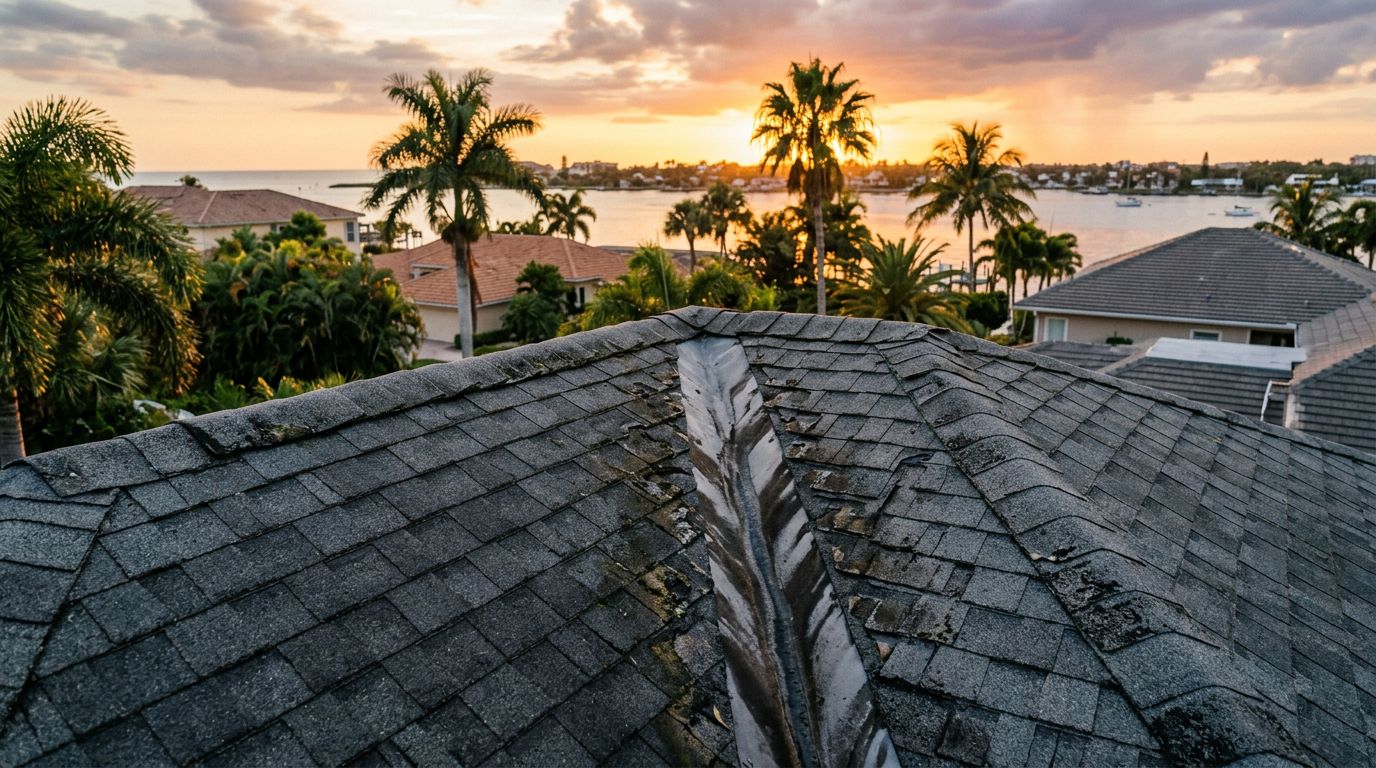
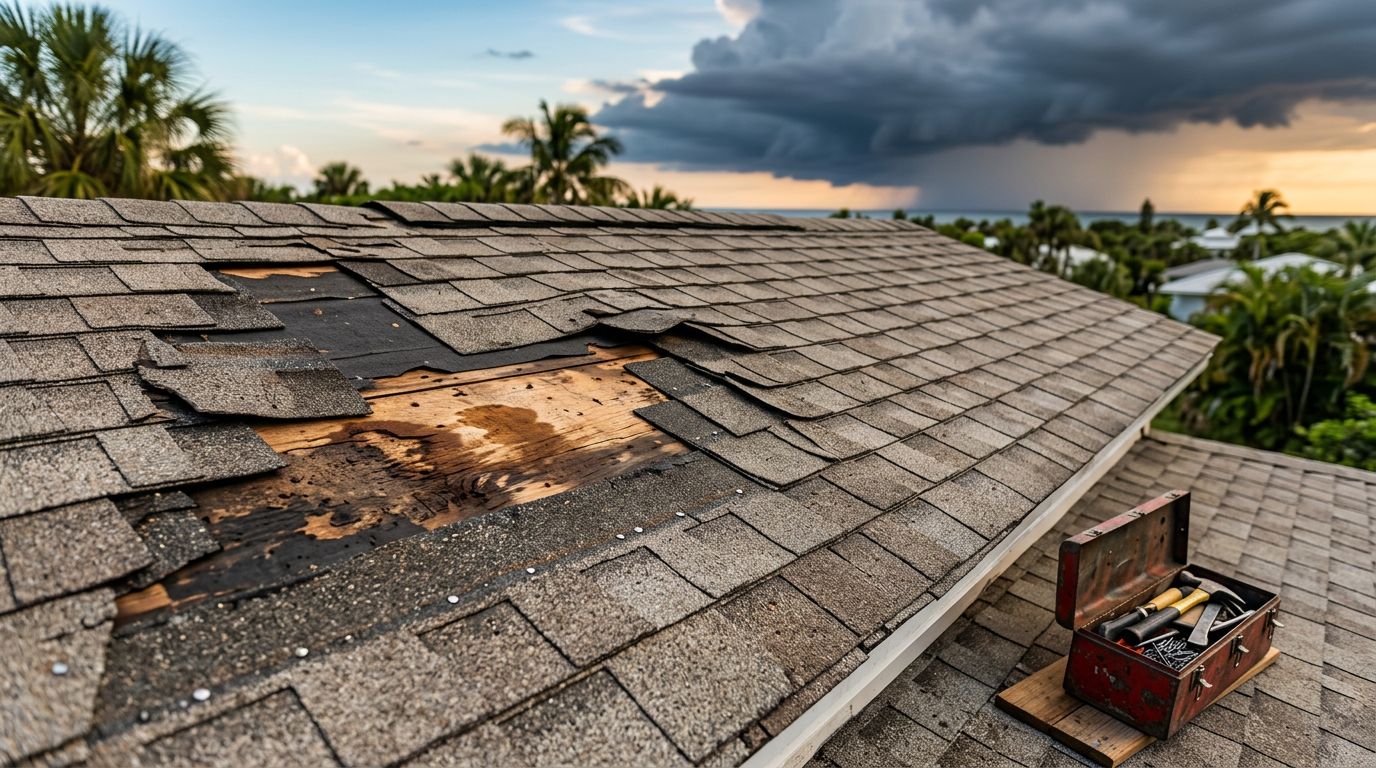
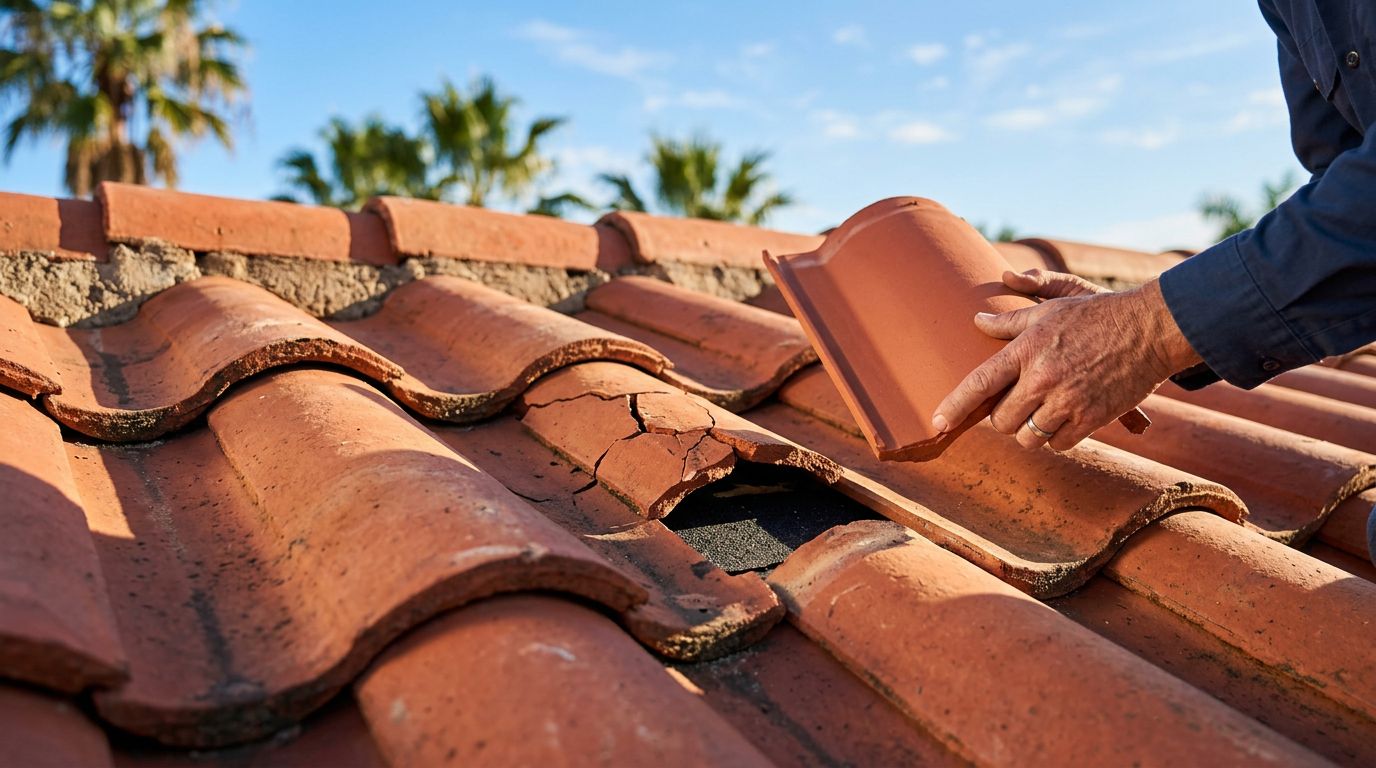
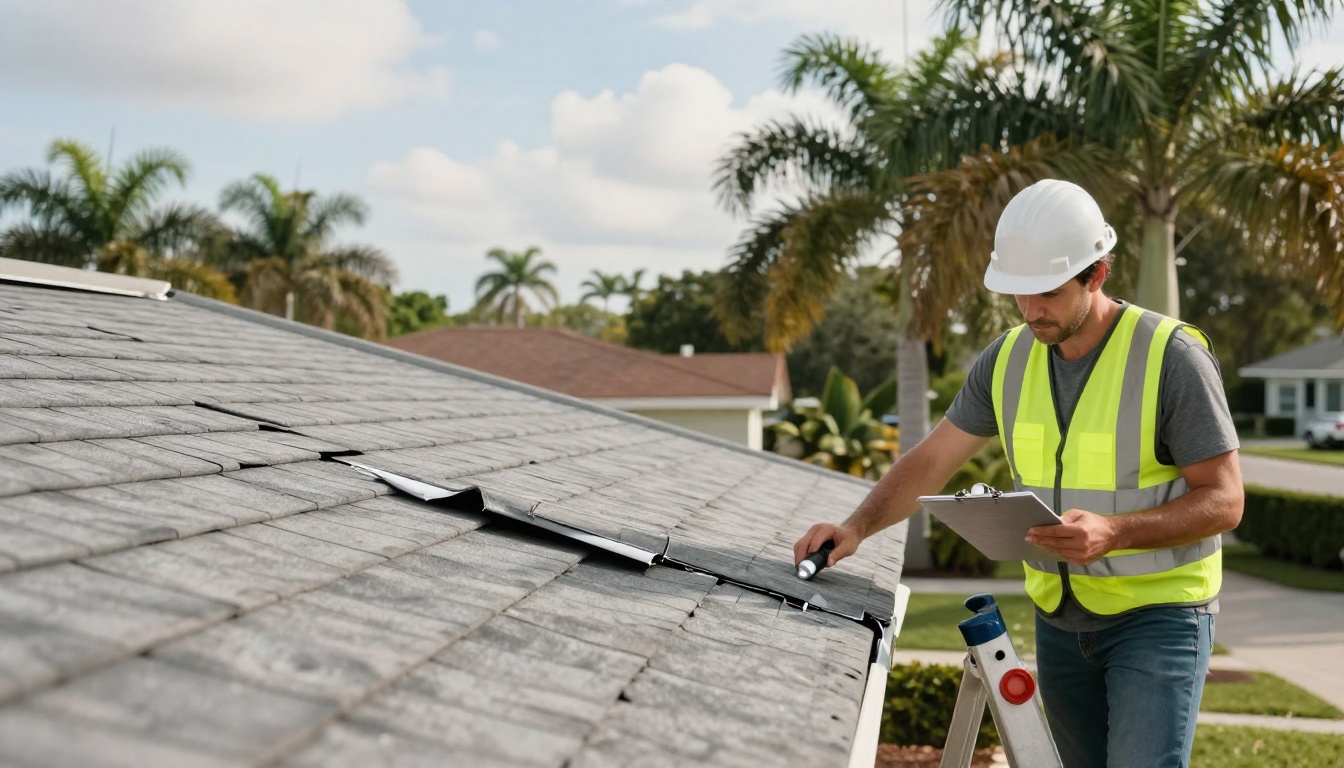
From outside, do your first pass from the ground. Use binoculars, your phone’s zoom, or a drone if you can operate it safely and legally. You’re looking for changes: missing shingles, displaced tiles, lifted ridge caps, bent metal edging, and debris impacts. Also check soffit and fascia lines; when they look twisted or pulled away, it often points to wind uplift along the roof edge.

If you plan to apply for FEMA help after a declared disaster, it’s smart to understand how inspections work and what inspectors typically document. FEMA’s overview of home inspections after applying explains what to expect and how to prepare your documentation. (This is general information, not a promise of assistance.)

If you want longer-term protection tips once the immediate crisis is under control, keep this handy: a hurricane-proofing guide for Cape Coral roofs can help you plan upgrades that reduce future damage.

What to photo (and how): a wide-to-close documentation plan that holds up

Good photos aren’t about taking a lot. They’re about telling the story in order, like a news report: where you are, what happened, and what it damaged. Before you start, turn on date and time stamps if your phone supports it, and avoid using heavy filters or “beauty” modes that change colors.

Use this wide-to-close sequence so your insurer and roofer can understand the layout quickly:

  1. Street view of the home : Stand far enough back to capture the full front, then each side. Include your house number if it’s visible.
  2. All roof planes from the ground : Take each slope separately (front, back, left, right). If you can’t see a slope, record that and use drone photos later if available.
  3. Ridge, hips, and valleys : Zoom in on ridge caps, roof-to-roof intersections, and valley metal. Look for lifted edges, gaps, or exposed underlayment.
  4. Penetrations and flashing : Photograph vents, pipe boots, skylights, chimney flashing (if you have one), and any roof-to-wall flashing. These are common leak points after wind-driven rain.
  5. Edges and drainage : Capture gutters, downspouts, drip edge, soffit, and fascia. Wind often peels edges first, and clogged gutters can cause backing water.
  6. Debris impacts : Take wide shots of the impacted area, then close-ups with a ruler or coin for scale.
  7. Interior damage : Ceiling stains, bubbling paint, wet baseboards, warped flooring, and any drips. Shoot the whole room first, then close-ups.
  8. Attic evidence (only if safe) : Use a flashlight. Photograph wet decking, dark trails, mold-like spotting (don’t touch), and insulation that looks matted down.
  9. Damaged equipment labels : If a rooftop vent cap, solar component, attic fan, or HVAC-related part is damaged, photograph model and serial numbers .

Add a short video walk-through too. Narrate the date, what side of the home you’re on, and what you’re seeing. Then upload everything to cloud storage and email a copy to yourself so it’s time-stamped.

For extra context on what exterior inspection documentation can include for disaster assistance, FEMA also outlines how an exterior inspection documents storm damage.

If your photos show widespread issues, this can help you think clearly about next steps: roof repair vs replacement in Cape Coral.

What to cover now: stopping water, saving evidence, and keeping your claim clean

Your goal right after the storm is simple: prevent more damage . Insurance companies expect reasonable mitigation, but that doesn’t mean you should risk a fall to do it.

If water is actively coming in, start inside. Put buckets down, move furniture, and poke a small drainage hole in a bulging ceiling area only if you’re comfortable doing so safely and there’s no electrical risk (when in doubt, don’t). Run fans and a dehumidifier if you have power and the area is safe, because moisture lingers in drywall and insulation.

Outside, temporary covering (tarping) can help, but only when conditions are stable. If the roof is wet, steep, or visibly damaged, hire a professional. A poorly fastened tarp can rip off and cause more damage, or it can trap water where it shouldn’t be.

As you clean up, preserve evidence when it’s safe:

  • Save blown-off shingles, tiles, or flashing pieces in a labeled bag or bin.
  • Keep small debris that clearly impacted the roof (branches, palm fronds, broken tile chunks).
  • Don’t throw away damaged materials until your insurer and roofer confirm they’re no longer needed.

Keep every receipt tied to emergency work, materials, and temporary lodging if it applies. Also document communications the same way you document damage: screenshots of claim submissions, emails with adjusters, contractor proposals, and a simple call log with dates and names.

If you move from emergency repairs to replacement, Cape Coral permitting rules matter. A reputable contractor should guide you through it, and permit requirements can vary based on scope. This overview of roof replacement permits in Cape Coral is a good starting point.

Who to call, and in what order, based on severity

When phones are ringing off the hook after a storm, the order you call can reduce stress and speed up repairs.

If you have an active leak or water near electrical, prioritize safety and stopping water. Call a licensed roofing contractor that offers emergency stabilization (tarping or temporary patches) and, if needed, an electrician for any affected circuits. Then contact your insurer through your policy’s claim number or online portal once the immediate hazard is controlled.

If you suspect damage but don’t see leaks , start by documenting everything (photos and video), then schedule a professional inspection. A trained roofer can spot lifted shingles, loosened fasteners, and flashing gaps that are easy to miss from the ground. After you have an inspection summary and photos, file your claim and share the documentation.

If your roof is a shingle system and you’re weighing repair options, it helps to understand what materials and wind ratings can look like locally. This page on shingle roofing in Cape Coral explains common choices and what a contractor may recommend.

Light disclaimer: avoid treating this as legal advice. For structural concerns, unsafe conditions, or questions about coverage details, consult qualified professionals and your insurer.

Conclusion

A calm, thorough post hurricane roof inspection is less about climbing ladders and more about smart documentation, safe mitigation, and calling the right help early. Take photos like you’re building a timeline, keep receipts like they’re part of the repair, and stay off the roof when conditions don’t feel solid. The storm already took enough, your next steps should protect your home and your safety.

By Infinity Roofing February 8, 2026
Planning a re-roof in Cape Coral this year? The details matter, because your permit, your inspection, and even your material order can turn on one thing: the Florida roofing code update cycle for 2026. Cape Coral homes take the full hit of Southwest Florida weather. Think of y...
By Infinity Roofing February 7, 2026
After a Cape Coral storm, shingles or metal panels get all the attention, but the real stress test often happens underneath. Florida roof underlayment is the layer between your roof covering and the wood deck, and it’s the difference between a roof that sheds wind-driven rain...
By Infinity Roofing February 6, 2026
A flat roof in Cape Coral sounds simple until the first summer downpour hits, the sun bakes the membrane all day, and hurricane season shows up with sideways rain. Then the details matter, drainage, attachment, edge metal, and whether your roof system is approved for Florida....
By Infinity Roofing February 5, 2026
If your Cape Coral home insurance bill feels like it has a mind of its own, you’re not alone. One of the few tools homeowners can use to show an insurer that a house is built (or upgraded) to handle storms is a wind mitigation inspection . Think of it like a “roof and opening”...