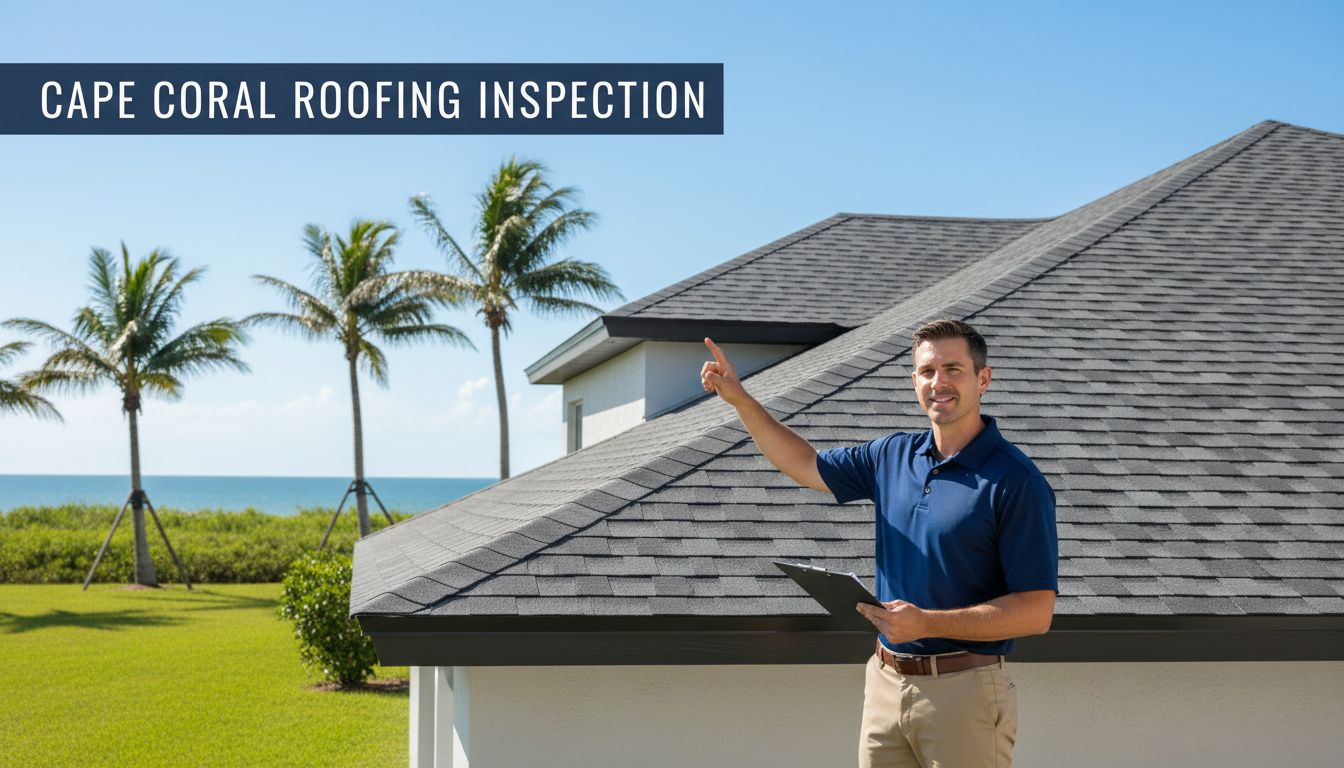
4-Point Inspection Roofing Section Explained For Cape Coral Homeowners

4-Point Inspection Roofing Section Explained For Cape Coral Homeowners

If your insurance company asked for a 4 point inspection roofing report, it can feel like you're being tested on a subject you didn't sign up for. You're not alone. In Cape Coral, carriers often request a 4-point inspection on older homes before they'll start or renew a policy.

The roofing section is usually the make-or-break part. Why? Because a roof is like the lid on a cooler in August. If the seal fails, everything inside gets soaked fast.

Below is what the roofing section covers, what inspectors typically document in Southwest Florida, and how to prep so your report doesn't get stuck in "needs more info" limbo.

What the roofing section is really trying to answer

A 4-point inspection looks at four systems (roof, electrical, plumbing, HVAC). The roofing section is focused on one core question: Is this roof likely to keep water out and stay in place during Florida weather?

In Cape Coral, that's not a theoretical question. UV sun cooks materials daily, humidity feeds algae and rust, and tropical systems test every edge and flashing detail. Insurers want a clear snapshot of:

  • Roof covering type (shingle, tile, metal, modified bitumen on low-slope areas, etc.)
  • Estimated roof age (often based on permits, receipts, or owner statement)
  • Visible condition (wear, damage, repairs, soft spots, sagging)
  • Remaining useful life (a practical estimate of how much serviceable time is left)
  • Leak evidence (active leaks or signs of past intrusion)

Carriers don't all use the same rules. Citizens, for example, publishes consumer guidance and FAQs that often come up during underwriting, so it helps to review their current notes on Citizens 4-point inspection FAQs. Also, local context matters; this overview of what a Cape Coral 4-point inspection is explains why the roof section gets so much attention here.

One important clarification: a 4-point inspection is not the same as a wind mitigation inspection. A wind mit is usually about storm credits, not basic acceptability. If you're comparing the two, this guide to Wind Mitigation Inspections in Cape Coral breaks down what that separate report checks.

The roof section is evidence-based. If the inspector can't document condition or age clearly, the report often turns more conservative.

What inspectors look for on Cape Coral roofs (and what triggers red flags)

Inspectors aren't grading your roof's looks. They're looking for failure points that show up after months of heat and one day of sideways rain.

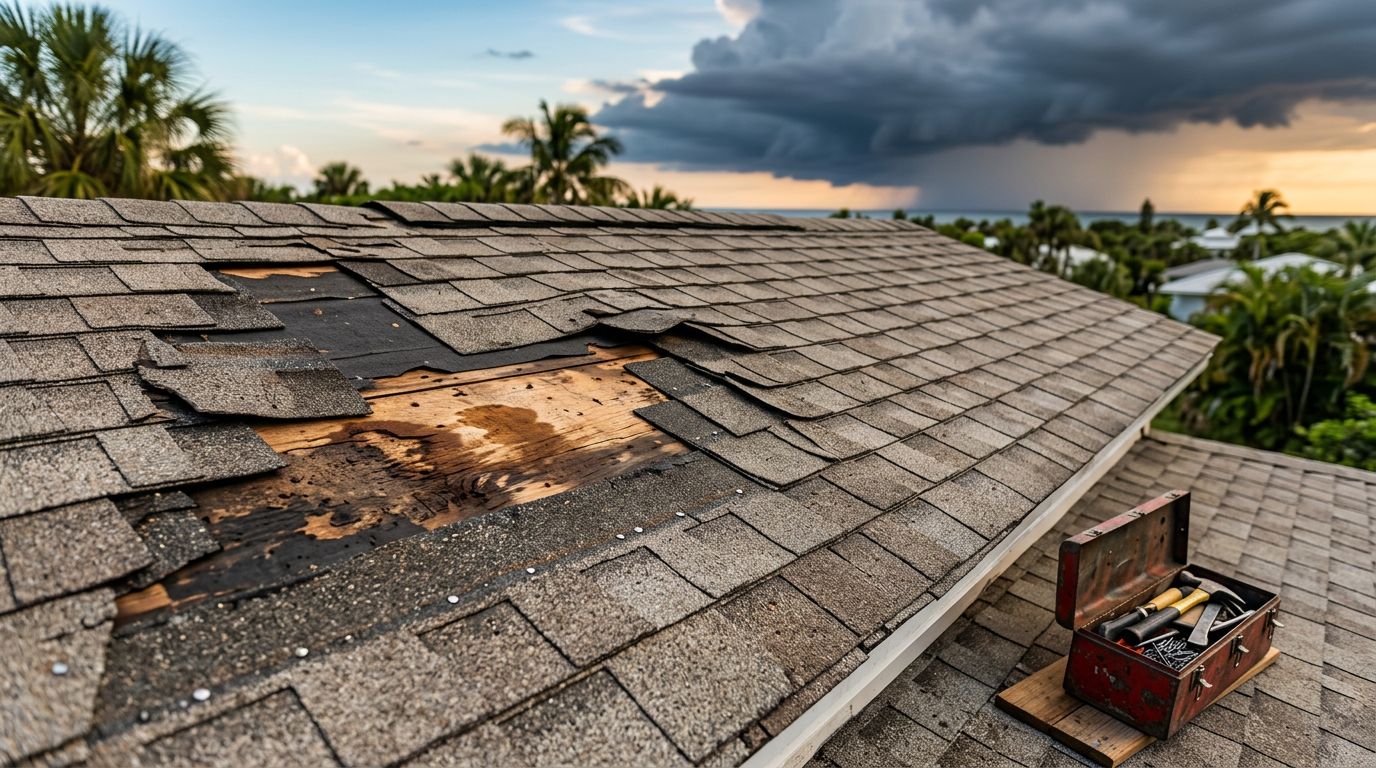
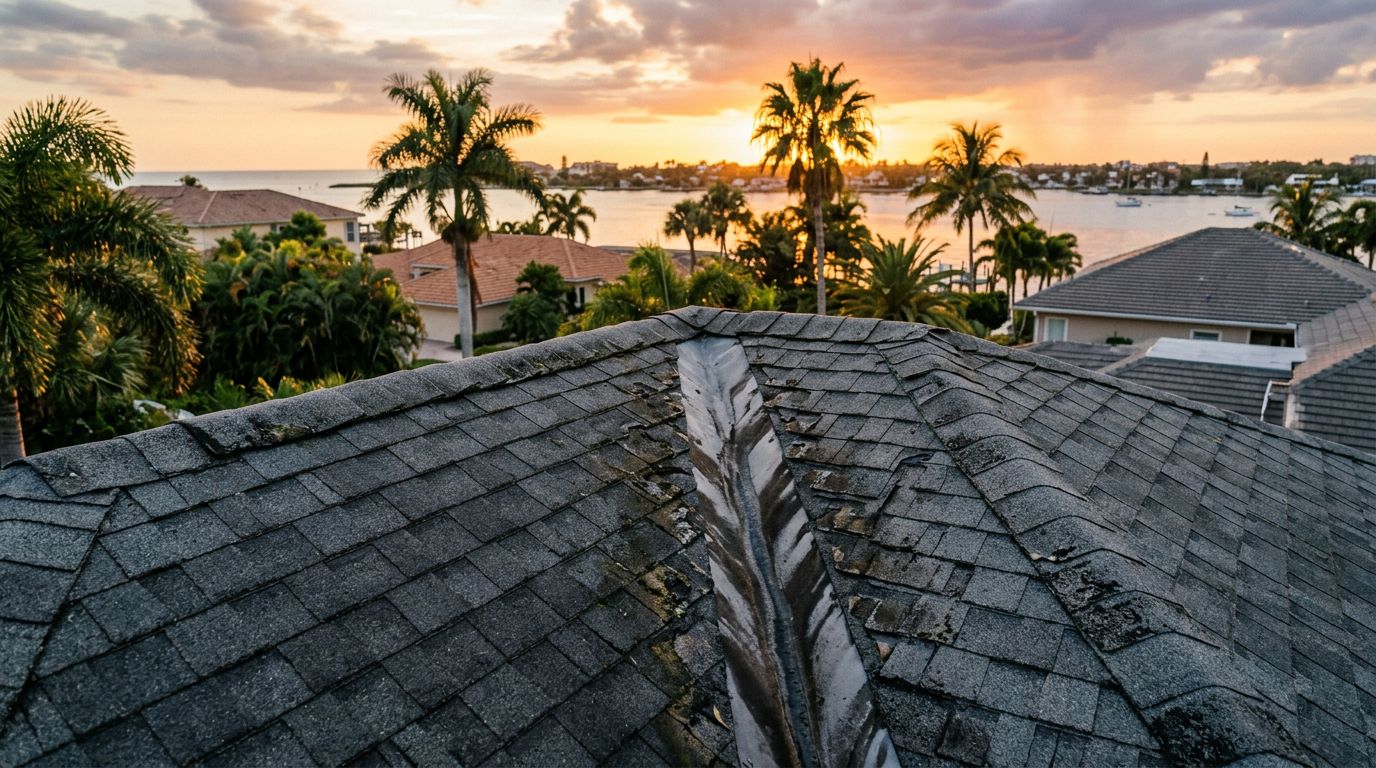
Asphalt shingles often get extra scrutiny once they're older. In SWFL, common issues include curling edges, missing tabs, exposed nails, and granule loss that leaves shingles looking "bald." Fast storm repairs can also backfire if they used mismatched materials or messy sealant.

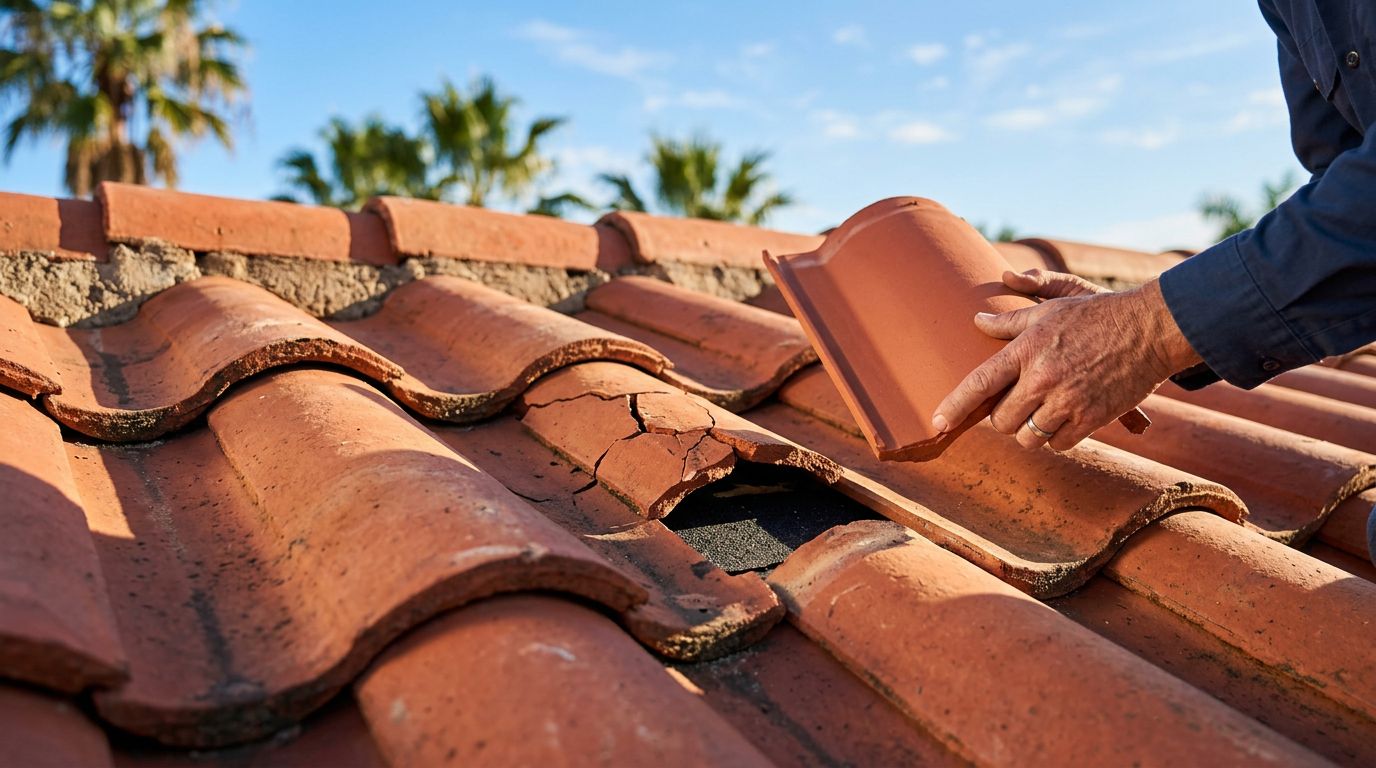
Tile roofs (concrete or clay) can last a long time, but single weak areas matter. Inspectors watch for cracked, broken, or sliding tiles, especially along ridges, hips, and eaves. Even if the underlayment is the real waterproof layer, inspectors can't always see it, so broken tile fields raise concerns.

Metal roofs usually perform well here, but screws, seams, and flashing details still age. Loose fasteners, failed washer gaskets, rust at cut edges, and patchwork panel repairs are common flags.

Flat or low-slope sections (often over lanais or additions) can be tricky. Ponding water, worn seams, and clogged drains can create leak patterns that show up as ceiling stains inside.

Across all roof types, inspectors commonly document:

  • Flashing condition at chimneys, skylights, vents, and wall transitions
  • Valleys and edge areas , because wind-driven rain targets them
  • Evidence of active leaks in ceilings, attic decking, or insulation
  • Structural concerns , like sagging planes or soft decking spots
  • Prior repairs , especially if they look temporary

Paperwork matters more than most homeowners expect. A clean permit trail and final inspection can help support the stated roof age. If you're planning repairs or a re-roof to satisfy underwriting, it also helps to understand local expectations tied to current code cycles. This overview of Florida Roofing Code (FBC) updates for 2026 explains why certain details (underlayment, attachment patterns, documentation) keep showing up in inspections.

How to prep, what photos are usually needed, and what happens after the report

Preparation isn't about "staging" your roof. It's about removing obstacles and gathering proof. A smooth appointment often comes down to access, lighting, and documents.

Step-by-step prep before the inspector arrives

  1. Confirm your carrier's rules first . Ask your agent what form version and photo set they expect.
  2. Gather roof documents (permit, paid invoice, warranty, material info, repair receipts).
  3. Clear attic access (move boxes, provide a stable step ladder if needed, replace dead attic lights).
  4. Trim back overhanging branches if they block roof views from the ground.
  5. Handle obvious minor issues early (a few slipped tiles, a missing shingle, loose flashing). Don't do risky DIY work on the roof.
  6. Plan for safe photos . If you can't safely reach an area, don't. Let the inspector document it.

Concise roofing photo requirements (typical)

Most insurers want photos that show both the big picture and close-up proof. Your inspector may take these, but it's smart to know what's expected:

  • Front and rear roof slopes (wide shots)
  • All roof planes , including side views when possible
  • Ridges, hips, valleys, and eaves
  • Flashing and penetrations (vents, stacks, skylights, chimney areas)
  • Any visible damage or repairs
  • Gutter or drip-edge areas if they show deterioration
  • Attic view of roof decking (and stains if present)
  • Interior ceiling stains if leaks are noted

Typical outcomes you might see

Here's a simple way to interpret the roofing result.

Outcome What it usually means What you should do next
Pass Roof appears serviceable, no major defects noted Send report to your agent, keep a copy with your home records
Pass with conditions Repairs needed, but roof isn't considered end-of-life Complete repairs quickly, save receipts, ask if a re-inspection letter is required
Needs replacement or ineligible Roof shows significant wear, active leaks, or low remaining life Get a roofer evaluation and replacement proposal, ask about permits and timelines

If the roof gets flagged, don't panic. First, request specifics (which slope, which defect, what photo supports it). Next, get a written scope from a licensed roofer. Finally, keep your documentation tight: paid invoices, permit numbers, inspection sign-offs, and before-and-after photos.

When the fix is borderline, homeowners often ask whether to repair or replace. This guide on roof repair vs. replacement in Cape Coral can help you make that call with less guesswork.

Disclaimer: This article is general information, not insurance, legal, or engineering advice. Requirements change, and carriers interpret reports differently, so confirm details with your specific insurer or agent.

Conclusion

The roofing section of a 4-point inspection is a practical check of age, condition, leak risk, and documentation. In Cape Coral, sun and storms shorten the margin for error, so clear photos and solid paperwork matter. If your report comes back with conditions, quick repairs and clean receipts can often get you to the finish line. The best next step is simple: confirm your carrier's requirements, then act on the report while the timeline is still on your side.

By Infinity Roofing February 22, 2026
Ever step into your house after it's been closed up all day and feel that wave of heat? In Cape Coral, your roof plays a big part in that feeling. Color matters because the roof is like a beach towel in the sun. A dark one soaks up heat, a light one sends more of it back. If y...
By Infinity Roofing February 19, 2026
A roof in Cape Coral doesn't just sit there looking nice. It takes sun, salt air, sideways rain, and wind that can turn a loose shingle into a flying problem. If you're weighing architectural vs 3-tab shingles , the "best" choice usually comes down to wind performance, how it'...
By Infinity Roofing February 18, 2026
If you're planning an asphalt shingle re-roof in Cape Coral, the parts you'll never notice from the yard can make the biggest difference in a storm. Starter strip shingles are one of those "small but serious" details. They sit along the roof's edges, right where wind loves to...
By Infinity Roofing February 17, 2026
If you live in Cape Coral, you already know the wind doesn't "visit," it tests your house. One of the biggest hidden weak points is roof to wall attachments , the metal (or not metal) connection that keeps your roof structure tied to the walls. This one detail can affect storm...