Best Roof Colors For Cape Coral Homes To Reduce Heat

Best Roof Colors For Cape Coral Homes To Reduce Heat

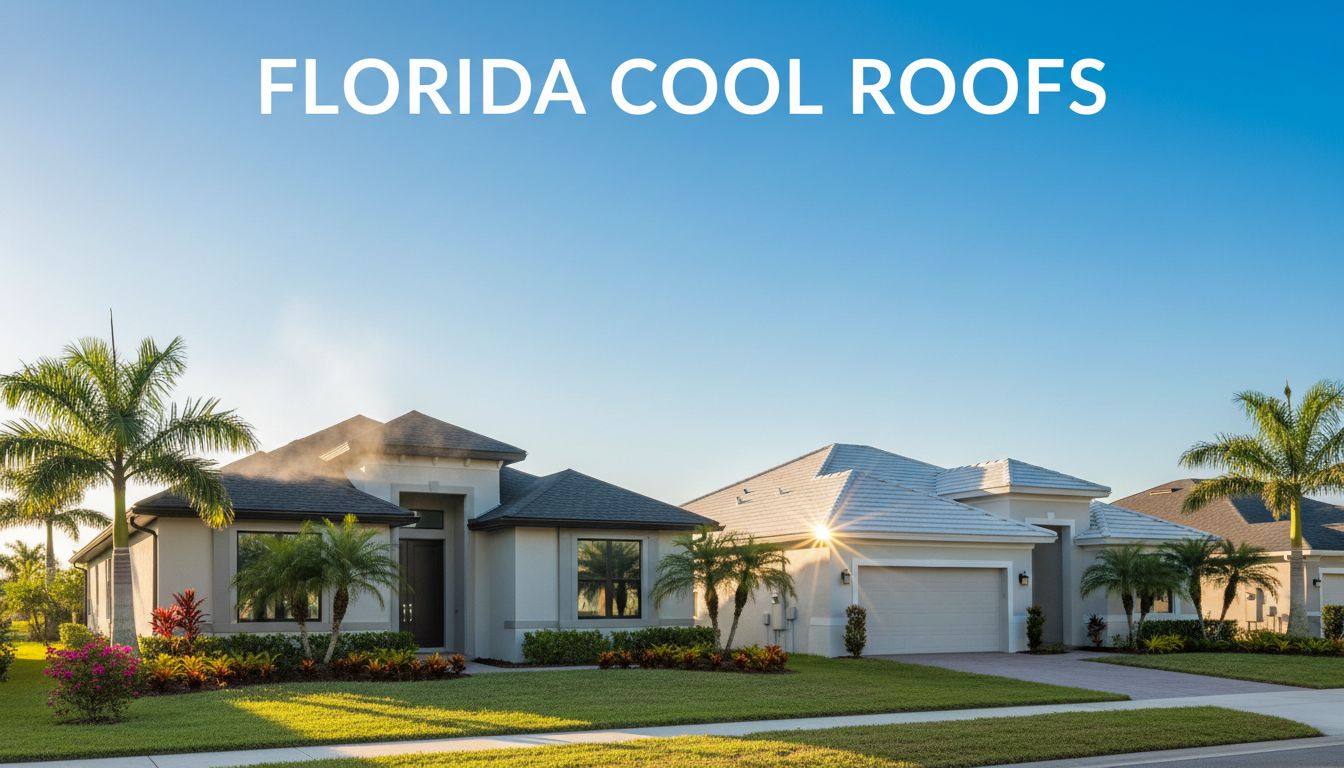
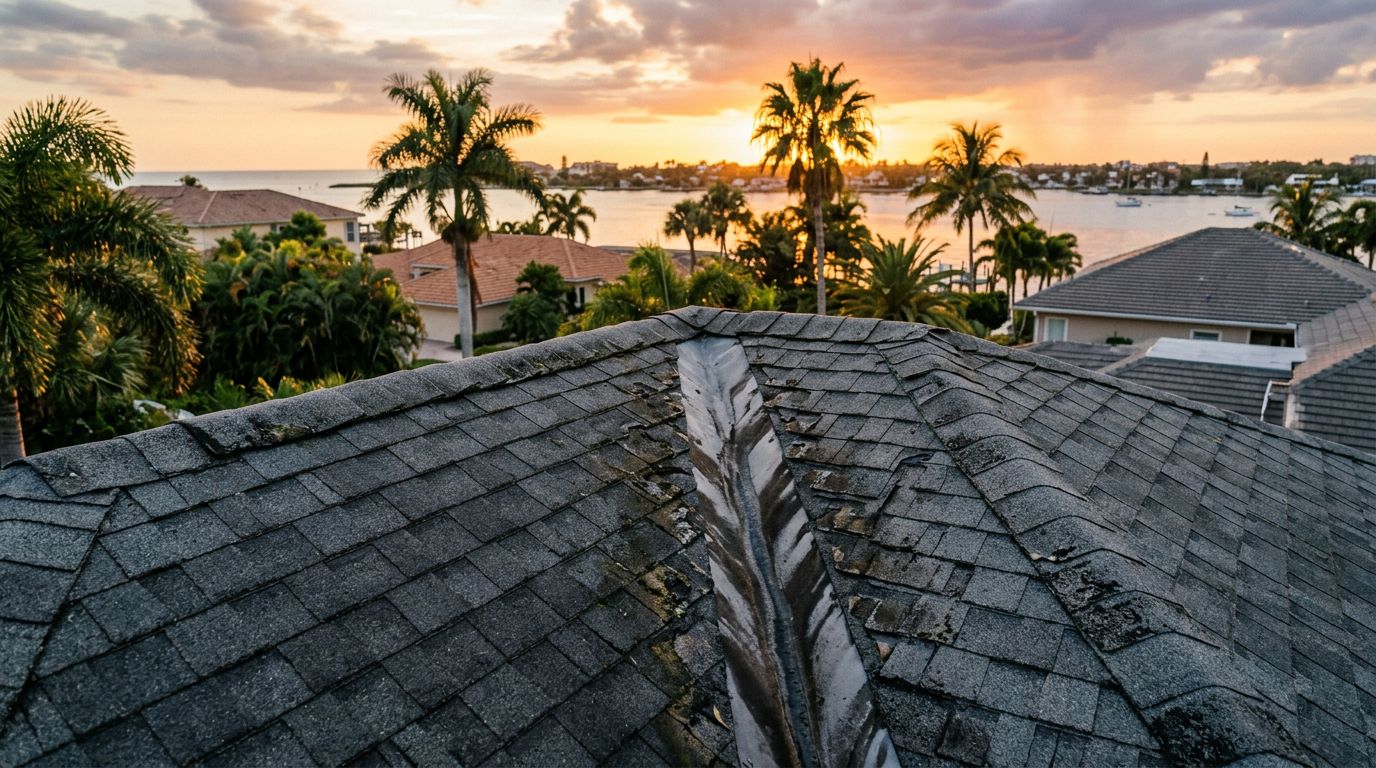
Ever step into your house after it's been closed up all day and feel that wave of heat? In Cape Coral, your roof plays a big part in that feeling. Color matters because the roof is like a beach towel in the sun. A dark one soaks up heat, a light one sends more of it back.

If your goal is lower attic temps and less AC run time, start with roof color , then confirm the product's solar ratings, and finally support it with good ventilation and insulation. This guide breaks down the best roof colors Cape Coral homeowners choose for heat reduction, plus what to avoid and what to ask your roofer before you sign.

Why roof color matters in Cape Coral, and what "SRI" really means

Cape Coral sun is intense, and your roof gets hit all day. When a roof absorbs solar energy, that heat transfers into the attic, then into living spaces. As a result, your AC works harder and longer.

That's why "cool roof" discussions usually focus on two things: solar reflectance (how much sunlight a roof reflects) and thermal emittance (how well it releases heat). Many manufacturers roll both into an easy comparison number called SRI, Solar Reflectance Index . Higher SRI usually means a cooler roof surface.

If you want a plain-English explanation of how cool roofs work, the U.S. Department of Energy overview is helpful: cool roofs basics.

Here's a practical way to think about typical performance ranges in bright, sun-heavy climates like Southwest Florida:

Roof color family What it tends to do in sun Typical SRI range Heat-control takeaway
White, off-white, very light gray Reflects the most 60 to 90 Best for heat reduction
Beige, sand, light tan Reflects a lot, hides dirt better 40 to 70 Strong balance of cool and curb appeal
Light brown, soft clay tones Reflects some, absorbs more 30 to 50 Works if style needs warmth
Charcoal, dark brown, black, deep red Absorbs the most 0 to 30 Hottest options

Numbers vary by brand, texture, and coating, so don't guess. Ask for the exact SRI (or reflectance) on the product data sheet for the color you're considering.

A quick reality check: "Light" on a brochure isn't always light on your roof. Sunlight and glare change everything, especially near water.

Best roof colors Cape Coral homeowners pick for cooler living

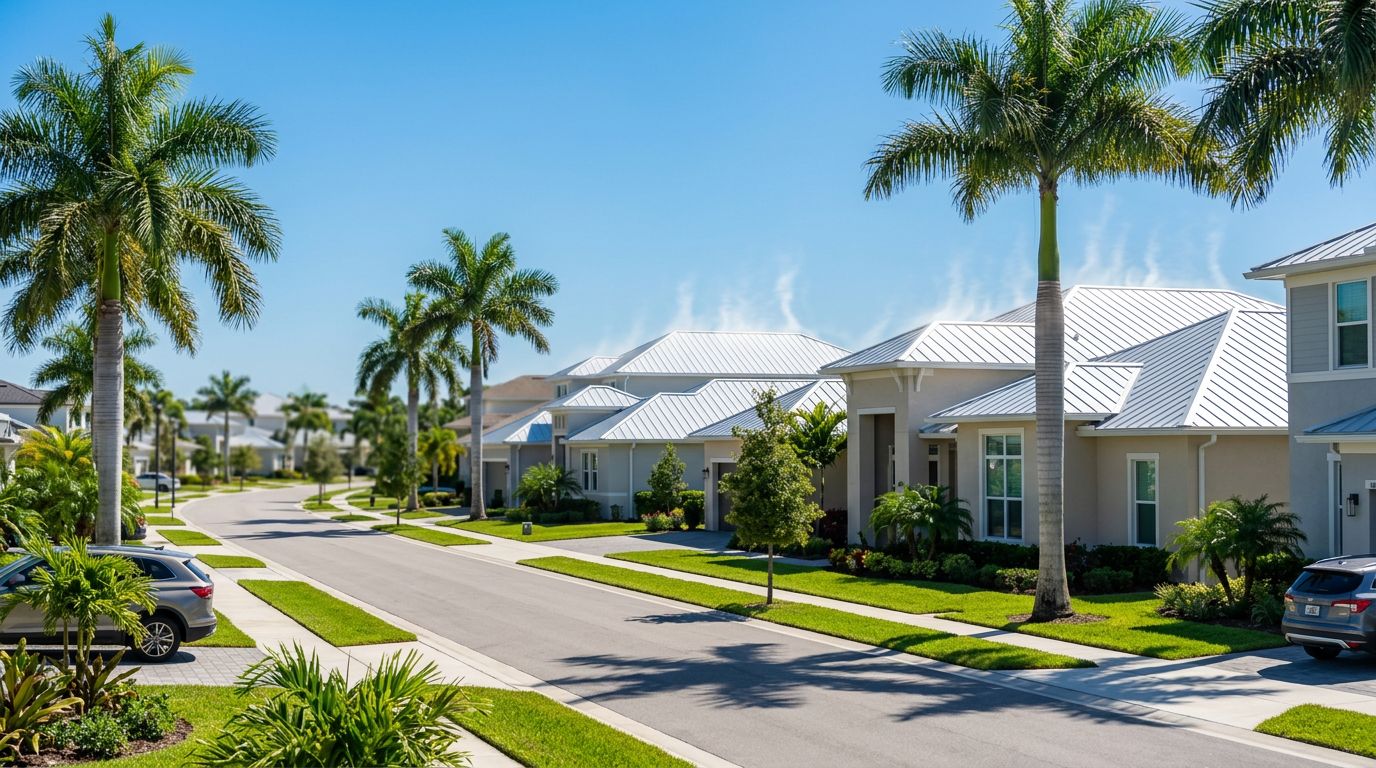
The best heat-reducing colors are usually light, soft, and a little dusty. They reflect more sunlight, but still look natural against stucco, stone, and coastal landscaping.

Here's a short, skimmable list that works well in Cape Coral neighborhoods and tends to support higher reflectance options across shingles, tile, and metal:

  • White (bright white on coated metal or tile can be the coolest look)
  • Off-white / cream (slightly warmer, often easier for HOA approval)
  • Light gray (a clean coastal match that still reflects well)
  • Sand / beige (great at hiding dust and salt residue)
  • Light taupe (a softer neutral that can complement warm exterior paint)
  • Pale terracotta (for Mediterranean styles, aim for lighter, sun-washed tones)

On the other hand, some colors almost always raise roof surface temps:

  • Black
  • Charcoal
  • Dark brown
  • Deep red

This doesn't mean you can't choose a darker roof. It means you should expect more heat gain unless the product uses "cool color" pigments and has tested ratings to prove it.

Also, remember the material changes the look. A light gray shingle can read warmer because of granules and shadow lines. That same gray on standing seam metal can look brighter in full sun. So, when choosing roof colors Cape Coral homes can live with for years, it helps to evaluate the color on the actual roof material, not just a printed sample.

Material and finish change everything, metal vs shingle vs tile

Two roofs can be the "same color" and perform very differently. The material and finish affect reflectance, how fast the roof sheds heat, and even how the color looks from the street.

Asphalt shingles: choose "cool" lines, not just a light shade

Shingles can run hotter than metal or tile, but many brands offer reflective granules in specific "cool roof" color blends. In addition, lighter shingle tones usually help, even when the difference feels subtle.

If you're already leaning toward shingles, compare options that are designed for Florida heat and wind. This overview of cool roof shingles to combat Cape Coral summer heat can help you match performance to local conditions.

Metal roofing: light colors plus reflective coatings can be a big win

Metal often shines in hot climates because coatings can reflect sunlight well, and the panels don't hold heat the same way thick materials can. Whites, off-whites, and light grays are common picks for a reason.

Pay attention to the coating type (for example, Kynar-type finishes) and the product's tested reflectance. If you're considering metal, compare profiles and options in this guide to reflective metal roofing for Cape Coral cooling.

Tile roofing: color, glaze, and profile matter

Concrete and clay tiles can be great in heat because of their shape and airflow under the tile. Still, color and finish affect performance. Lighter tiles usually reflect more, while some glazes can raise or lower reflectance depending on the formulation.

If you're torn between tile types, this breakdown of clay vs concrete tiles for Cape Coral cooling lays out the pros and tradeoffs.

For third-party rating lookups, you can also check the Cool Roof Rating Council directory and compare labeling guidance through ENERGY STAR roof products.

How to choose the right color fast (what to ask your roofer)

A good contractor won't push you to "pick a color." They'll help you choose a system that performs in Cape Coral heat, rain, and hurricane season.

Start with these practical asks:

Ask for tested numbers . Request the product data sheet for the exact color, showing SRI or solar reflectance. If a "cool color" claim isn't backed by ratings, treat it like marketing.

View samples in real sun. Take two or three candidates outside at midday. Hold them next to your exterior paint and pavers. Glare can make bright whites feel too stark, while beige can look perfect.

Confirm wind rating and install method. Cape Coral roofs need hurricane-minded details, not just a pretty top layer. Make sure the system meets local code requirements for high-wind zones.

Plan for salt air and streaks. Coastal air and humidity can lead to corrosion (on the wrong metals) and algae staining (on many surfaces). Choose algae-resistant shingle options when available, and ask about finishes made for coastal exposure.

If you love a very light roof, plan for occasional cleaning, and choose algae-resistant options when possible. Light colors show streaks sooner, even when the roof is performing well.

Finally, don't treat color as the whole solution. Attic insulation and ventilation still matter. A cooler roof helps, but a trapped, under-vented attic can stay hot longer than it should.

Conclusion

The best roof colors Cape Coral homeowners choose to reduce heat are light neutrals: white, off-white, light gray, and sand tones. Next, match the shade to your roof material, then confirm SRI or reflectance on the exact product you'll install. With the right "cool color" roof, plus solid ventilation and insulation, your home can feel calmer inside, even on the hottest afternoons.

By Infinity Roofing February 19, 2026
A roof in Cape Coral doesn't just sit there looking nice. It takes sun, salt air, sideways rain, and wind that can turn a loose shingle into a flying problem. If you're weighing architectural vs 3-tab shingles , the "best" choice usually comes down to wind performance, how it'...
By Infinity Roofing February 18, 2026
If you're planning an asphalt shingle re-roof in Cape Coral, the parts you'll never notice from the yard can make the biggest difference in a storm. Starter strip shingles are one of those "small but serious" details. They sit along the roof's edges, right where wind loves to...
By Infinity Roofing February 17, 2026
If you live in Cape Coral, you already know the wind doesn't "visit," it tests your house. One of the biggest hidden weak points is roof to wall attachments , the metal (or not metal) connection that keeps your roof structure tied to the walls. This one detail can affect storm...
By Infinity Roofing February 16, 2026
Picking a metal roof Cape Coral homeowners can trust isn't only about looks. It's about how the whole system handles wind, rain, heat, and salt in the air. Two styles come up again and again: exposed-fastener panels (you can see the screws) and standing seam (fasteners are hid...