Architectural Shingles Vs 3-Tab Shingles For Cape Coral Homes

Architectural Shingles Vs 3-Tab Shingles For Cape Coral Homes

A roof in Cape Coral doesn't just sit there looking nice. It takes sun, salt air, sideways rain, and wind that can turn a loose shingle into a flying problem.

If you're weighing architectural vs 3-tab shingles , the "best" choice usually comes down to wind performance, how it's installed, and how long you plan to stay in the home. Price matters too, but only after the roof is built to handle Southwest Florida weather.

Close-up texture of asphalt roof shingles
Photo by morgan

Architectural vs 3-tab shingles, the real differences you'll notice

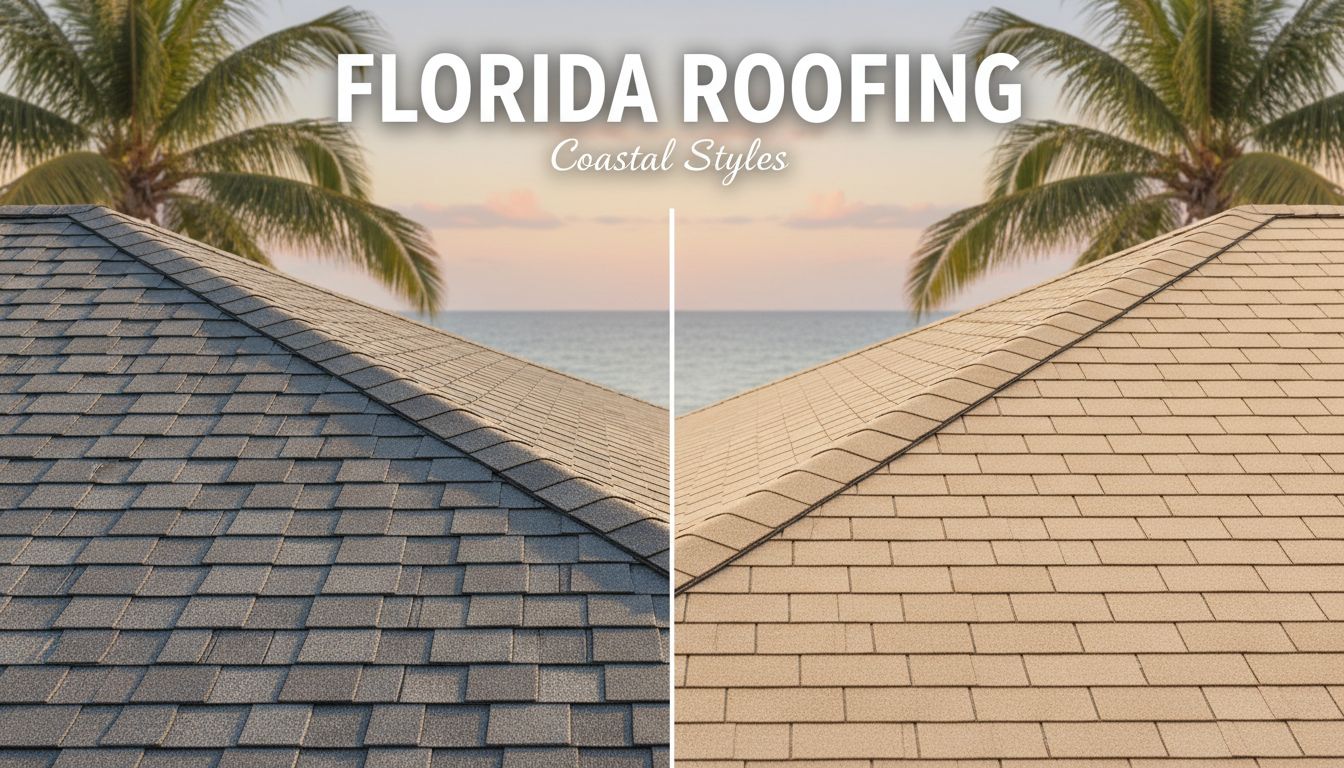
3-tab shingles are the classic "flat" shingle with three cutouts (tabs). They're lighter, thinner, and usually cheaper. Architectural shingles (also called dimensional or laminate) are thicker, layered, and made to look more like wood shake or slate from the street.

That thickness isn't just cosmetic. It affects wind resistance , how the roof wears in heat, and how forgiving the shingle is when installation conditions aren't perfect.

Here's a quick side-by-side view to anchor the decision.

Feature 3-Tab Asphalt Shingles Architectural (Dimensional) Shingles
Look from the curb Flat, uniform pattern Layered, higher-end texture
Typical wind rating (varies by product) ~60 to 70 mph ~110 to 130+ mph
Typical manufacturer warranty 20 to 25 years (limited) 30 to 50 years or "lifetime" (limited)
Expected life in coastal SWFL (real-world) Often 10 to 15 years Often 20 to 30 years
Typical installed cost in 2026 (SWFL) $4 to $7 per sq ft $6 to $10 per sq ft
Best fit Tight budgets, short-term ownership Long-term value, storms, resale appeal

The takeaway is simple. In Cape Coral, architectural shingles usually win on performance and appearance. 3-tab can still make sense when the budget is strict and expectations are realistic.

If you want a deeper Florida-specific breakdown of options, see shingle roofing in Cape Coral.

Cape Coral priorities: wind ratings, accessory items, underlayment, and ventilation

In Lee County, the shingle type is only half the story. The other half is whether the roof system matches the manufacturer's requirements. Wind warranties often depend on that.

Wind performance, and why "rated" doesn't mean "ready"

Architectural shingles commonly qualify for higher wind ratings, but the rating usually assumes the roof uses specific components and correct nailing. Depending on the brand and line, that can include starter strips, approved hip and ridge caps, and an enhanced nailing pattern (often a six-nail pattern instead of four).

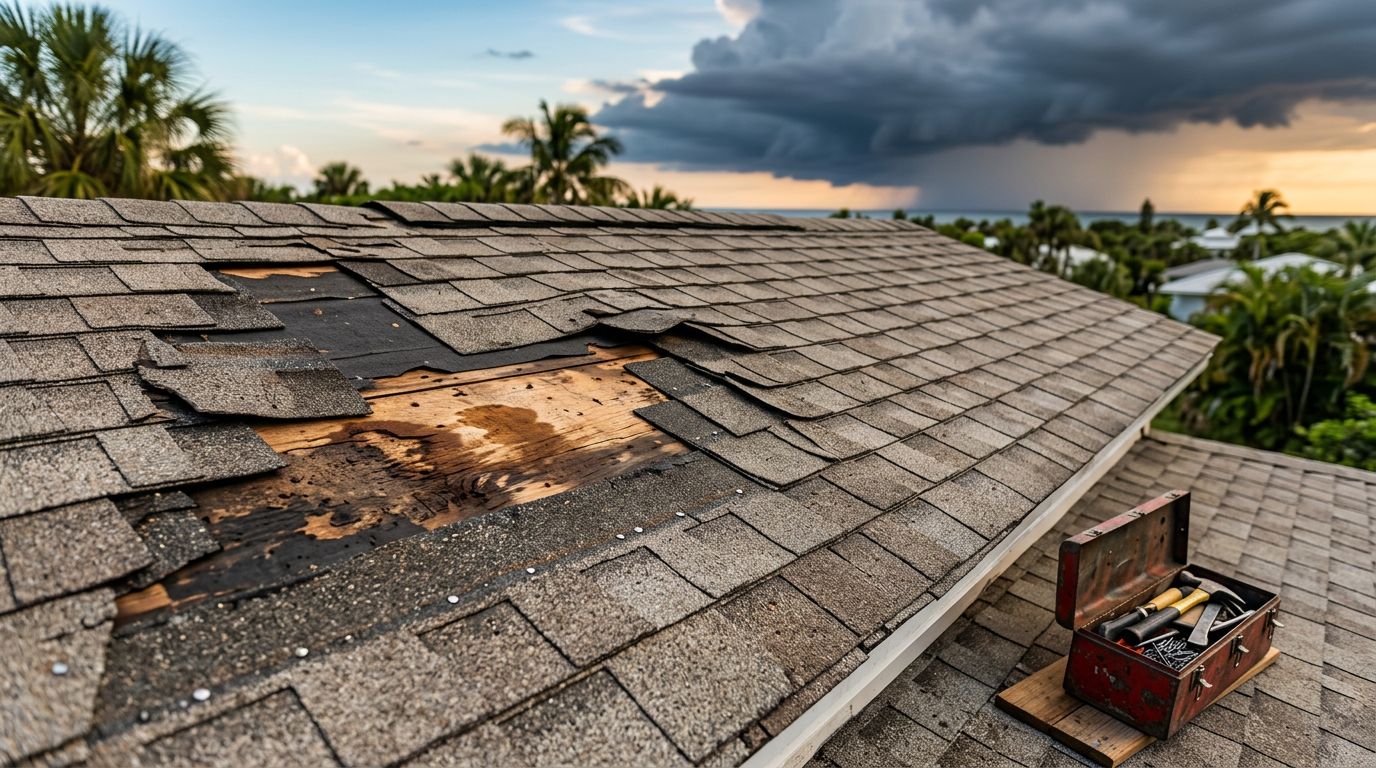
If a roofer skips those details, the roof may still look fine, but it can perform like a cheaper system when the gusts hit. That's when shingles crease, lift, or tear off.

A "high-wind shingle" isn't a storm plan by itself. The installation method is what turns a rating into real protection.

Underlayment: synthetic vs peel-and-stick in coastal Florida

Underlayment is the water-shedding layer beneath shingles. In humid coastal Florida, synthetic underlayment is popular because it handles moisture better than old-school felt and stays stable during installation.

Peel-and-stick (self-adhered) underlayment is different. It seals around fasteners, so it helps in leak-prone spots. Many Cape Coral reroofs use peel-and-stick at the eaves, in valleys, and around penetrations because wind-driven rain is a real thing here. Your final underlayment plan should match the roof design, slope, and the shingle manufacturer's specifications.

Ventilation: the quiet factor that affects shingle life

Attic ventilation sounds boring until you smell musty insulation or see roof decking darken. Poor airflow traps heat and moisture. That can shorten shingle life and increase the chance of mold and wood damage.

A good roofer will talk about balanced intake and exhaust (often soffit intake with ridge exhaust), and they'll confirm bathrooms and dryers vent outside, not into the attic. Ventilation should be sized and laid out to match your roof's geometry, not guessed.

Algae resistance matters in Cape Coral's humidity

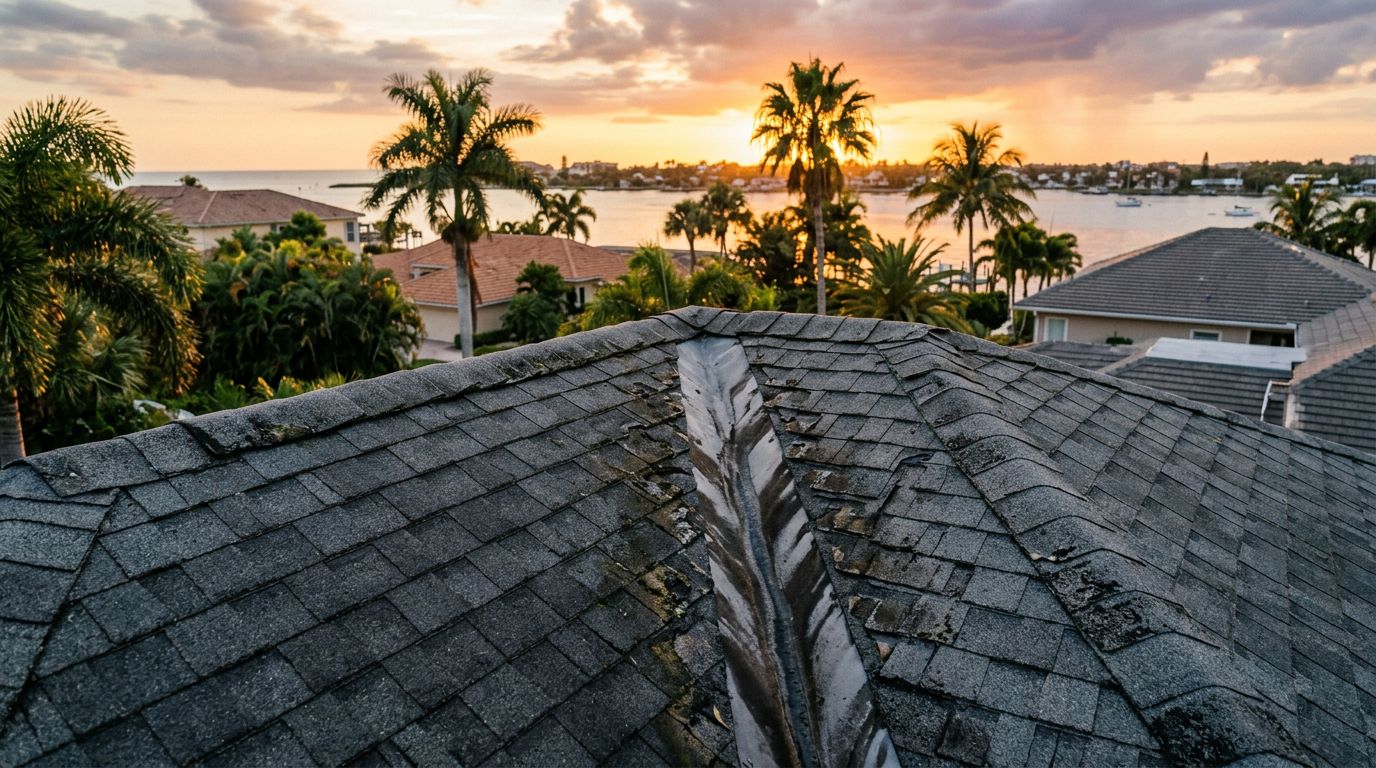
Those dark streaks you see on roofs in Southwest Florida are often algae. Many architectural lines come with algae-resistant granules and a separate algae warranty. If you care about curb appeal, it's worth asking for algae-resistant options in writing, especially on lighter-colored homes where streaking stands out.

For broader hurricane-related home considerations, this overview of hurricane roof considerations gives helpful context beyond roofing alone.

2026 installed cost ranges in Southwest Florida (and what changes the price)

For February 2026, realistic installed pricing in Southwest Florida commonly falls into these ranges:

  • 3-tab shingles installed : about $4 to $7 per square foot , or roughly $8,000 to $14,000 for a typical 2,000 sq ft home.
  • Architectural shingles installed : about $6 to $10 per square foot , or roughly $12,000 to $20,000 for a typical 2,000 sq ft home.

The gap often works out to a few thousand dollars, but your number depends on details that estimates don't always highlight. Price moves the most when any of these change:

  • Roof size and waste factor (complex roofs create more shingle waste).
  • Pitch and height (steeper or two-story homes increase labor and safety setup).
  • Tear-off scope (one layer vs multiple layers, plus disposal fees).
  • Deck repairs (bad plywood, fascia damage, or soft spots).
  • Upgrades (peel-and-stick coverage, better ventilation, upgraded flashing).
  • Shingle line and warranty level (some extended warranties require certified installers and approved accessories).

If you want a local budgeting reference before collecting quotes, this guide on new shingle roof cost in Cape Coral breaks down common line items.

A concise decision guide, plus questions to ask (and pitfalls to avoid)

Most homeowners don't need twenty options. They need the right fit.

Which one should you pick?

  • Tight budget : 3-tab can work if you accept lower wind performance and shorter life.
  • Long-term value : architectural shingles usually win because they last longer and resist wind better.
  • Curb appeal : architectural shingles look deeper and hide minor roof waviness better.
  • Hurricane preparedness : architectural shingles, paired with the correct high-wind installation package, are the safer bet for Cape Coral.

Questions to ask roofers before you sign

Use these to keep the quote honest and comparable:

  • What wind rating applies to this exact shingle , and what installation steps are required to qualify?
  • Will you use starter strip shingles along eaves and rakes, or cut shingles as starters?
  • What nailing pattern will you use , and will it match the manufacturer's high-wind instructions?
  • Which underlayment brand and type will you install, and where will you use peel-and-stick?
  • How will you handle ridge cap shingles , and are they manufacturer-approved for this system?
  • What ventilation changes are included , and what problems did you observe in the attic?
  • Who pulls the permit , and what inspections are expected?

For a broader hiring checklist, this page on choosing a roofer in Cape Coral is a solid companion.

Common pitfalls that cost homeowners later

  • Improper nailing (wrong pattern, overdriven nails, or nails outside the nailing zone).
  • Skipping required accessories (starter strips, correct ridge caps, proper sealants).
  • Inadequate flashing at walls, chimneys, and valleys, which leads to leaks in heavy rain.
  • Insufficient attic ventilation , which traps moisture and heat year-round.
  • Ignoring manufacturer specs , which can weaken wind coverage and warranty support.

Brief disclaimer: Roofing code, permitting rules, and product approvals can change. Always confirm current requirements with the City of Cape Coral or Lee County building department, and make sure the materials used have the proper Florida approvals for your project.

Conclusion

When it comes to architectural vs 3-tab shingles in Cape Coral, the better shingle usually isn't the deciding factor. The deciding factor is whether the roof system is built for wind, moisture, and heat, with the right accessories and installation details.

If you plan to stay in your home, architectural shingles tend to pay you back in fewer problems and better curb appeal. If the budget is tight, 3-tab can still be a workable short-term option, as long as you go in with clear expectations and a contractor who follows the specs.

By Infinity Roofing February 18, 2026
If you're planning an asphalt shingle re-roof in Cape Coral, the parts you'll never notice from the yard can make the biggest difference in a storm. Starter strip shingles are one of those "small but serious" details. They sit along the roof's edges, right where wind loves to...
By Infinity Roofing February 17, 2026
If you live in Cape Coral, you already know the wind doesn't "visit," it tests your house. One of the biggest hidden weak points is roof to wall attachments , the metal (or not metal) connection that keeps your roof structure tied to the walls. This one detail can affect storm...
By Infinity Roofing February 16, 2026
Picking a metal roof Cape Coral homeowners can trust isn't only about looks. It's about how the whole system handles wind, rain, heat, and salt in the air. Two styles come up again and again: exposed-fastener panels (you can see the screws) and standing seam (fasteners are hid...
By Infinity Roofing February 15, 2026
A roof can look fine from the street, yet still leak at the seams. That's because roof flashing Cape Coral homes rely on is a thin, shaped metal system that seals transitions, where roof planes meet walls, chimneys, and valleys. In Cape Coral and across Lee County, wind-driven...