What Happens During A Roof Final Inspection In Cape Coral

You've just wrapped up your roof replacement in Cape Coral. The crew packed up, and now you wait for that final nod from the city inspector. But what exactly do they check? A failed roof final inspection means delays, extra costs, and more headaches from Florida's storms.
Homeowners often worry about this step. It decides if your permit closes out and your home stays protected. Luckily, the process follows clear rules from the Florida Building Code and Cape Coral standards. You can prepare ahead to pass on the first try.
Let's walk through what inspectors do, step by step. This guide covers the timeline, checklist, pitfalls, and next moves so you stay ahead.
When the Roof Final Inspection Fits into Your Project
Contractors schedule the roof final inspection after key earlier checks. Think sheathing approval or dry-in sign-off first. These confirm the base layers meet code before covering goes on.
In Cape Coral, most re-roofs, major repairs, or roof-overs need this final look. Surface-only fixes might skip some steps, but they still face scrutiny. As of early 2026, the city updated rules to combine dry-in with in-progress checks for smoother flow.
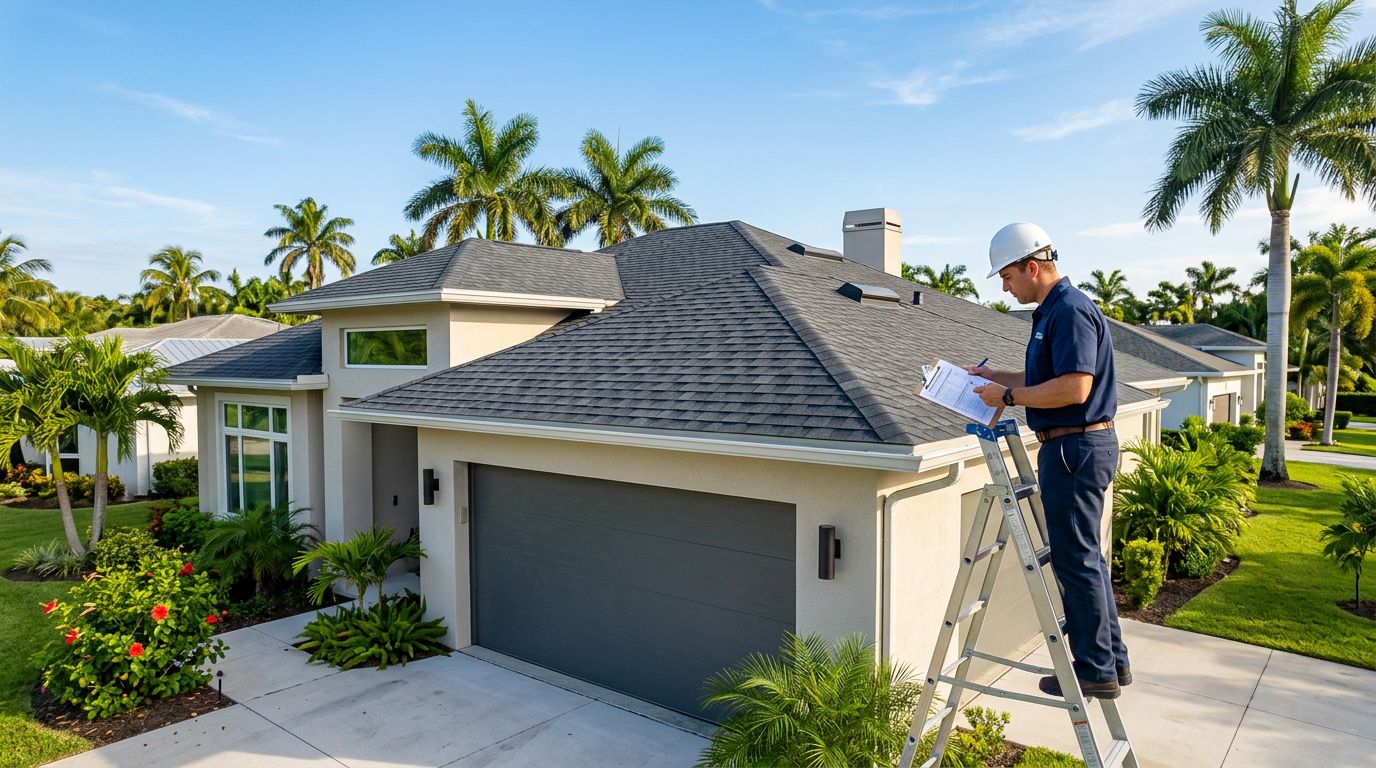
Inspectors arrive unannounced sometimes, but you request via the online portal or phone. Provide a safe ladder, permit card, plans, and product specs on site. They climb up, scan the whole system, and document everything with photos.
Timing matters here. Schedule right after cleanup and before interior work resumes. Delays from weather or crew backlog push insurance and occupancy issues. For example, after a hurricane repair, fast finals prevent water re-entry.
A pro roofer handles permits and scheduling. They know Cape Coral quirks, like extra tile roof reviews for weight support.
What the Inspector Checks on Arrival
Inspectors start with basics. They verify your roof covering sits right. Fasteners like nails or screws must match the shingle, tile, or metal maker's instructions. Loose or wrong ones fail fast.
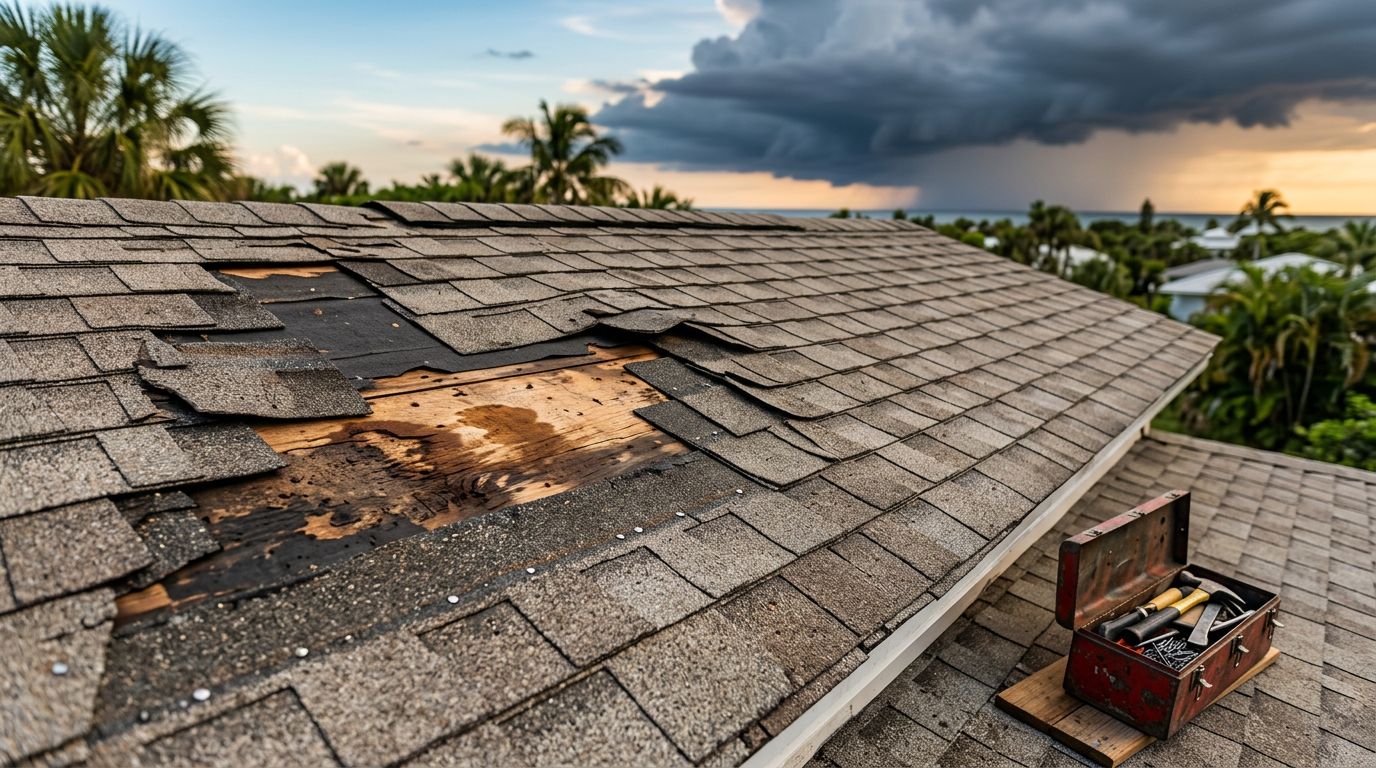
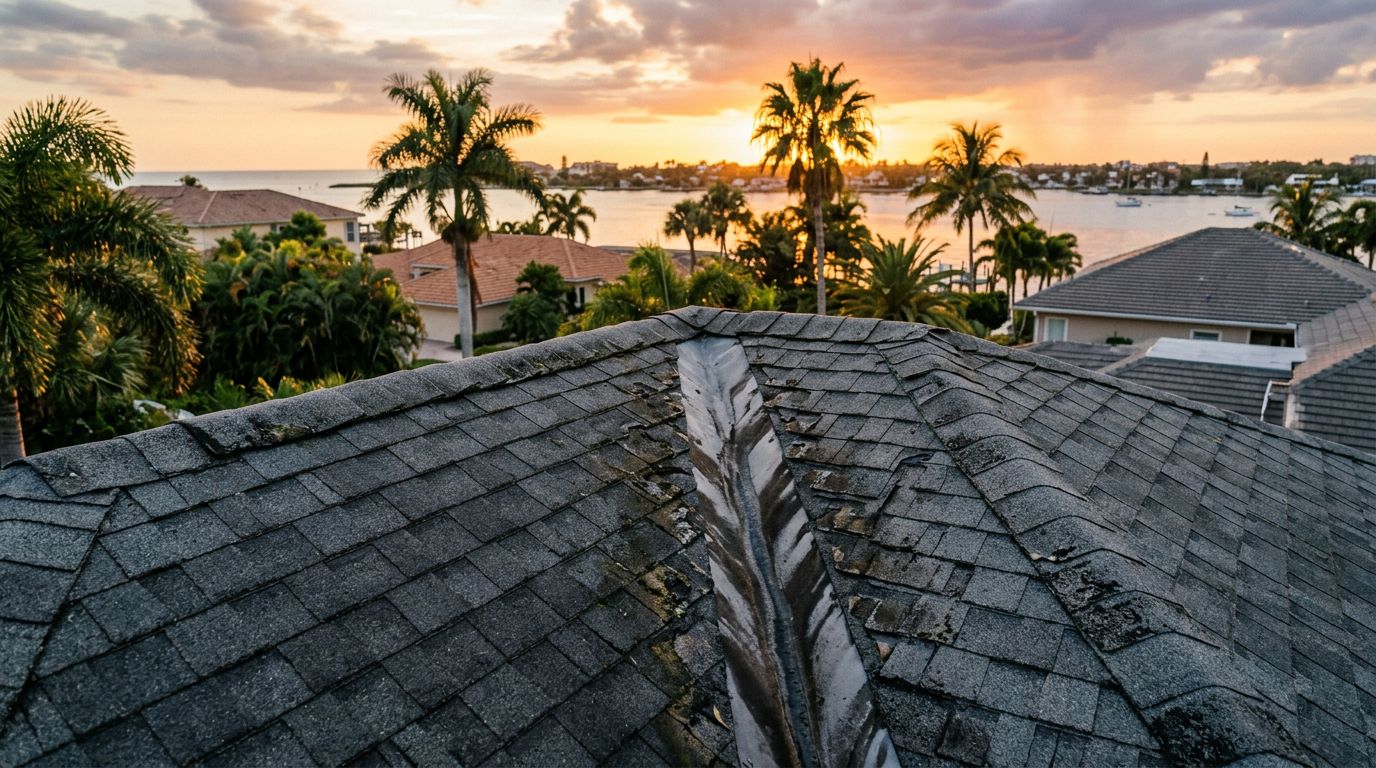
Next, they eye flashings. These metal pieces shield edges around chimneys, walls, valleys, and pipes. Gaps or bends let water in during heavy rains. Cape Coral's wind zones demand tight seals.
Underlayment gets close review too. Felt or synthetic sheets cover the decking. They check for tears, overlaps, and seals at edges. Low-slope roofs (2:12 pitch or less) need special barriers.
No debris piles allowed. If you use a private hauler, show their compliance report. The site stays clean to avoid code violations.
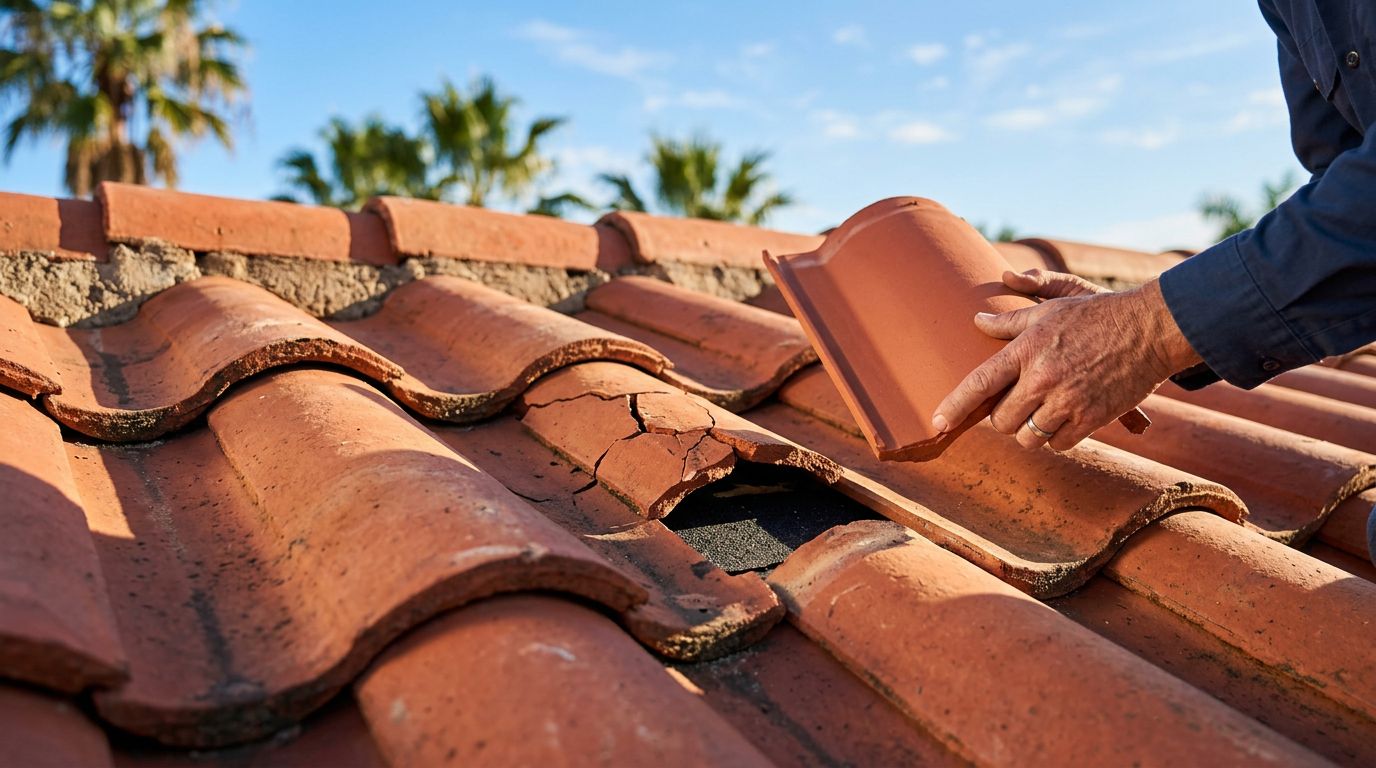
They also confirm structure strength. For tile swaps or heavy systems, rafters and trusses hold up. An engineer affidavit often backs this before final.
Attics matter. Inspectors peek for moisture, ventilation, and deck attachment. Good airflow fights humidity buildup common in Southwest Florida.
Common Failure Points to Watch For
Many roof final inspections fail on simple fixes. Wrong fasteners top the list. Shingles need six nails per tab; tiles require specific clips. Mismatched ones ignore wind ratings.
Missing flashings cause half the re-inspections. Inspectors spot bent step flashing or unsealed vent boots quick. Water sneaks under during downpours.
Underlayment slips up owners too. Torn seams or poor laps expose decking. Salt air and UV speed this wear, so fresh installs shine.
Debris lingers if crews rush. Granules, nails, or wrappers trigger fails. Always document hauler proof.
Structure issues hit tile roofs hard. If trusses sag under weight, you redo supports. Pre-checks catch this early.
Low-slope or flat roofs falter without ice-and-water shields. Even in Florida heat, ponding tests these spots.
Surface repairs pass easier but flop if sloppy. A quick shingle patch ignores underlayment rot below. For deeper fixes, revisit our Cape Coral roof repair services page.
These pitfalls cost $200 to $1,000 per redo, plus time. Spot them during crew walkthroughs.
How to Prep and Pass on the First Try
Prep starts days ahead. Fix prior inspection notes fully. Crews seal every penetration and sweep twice.
Gather docs: Roof Inspection Affidavit from your contractor or engineer. Post it visibly. Match all materials to approved plans.
Clear attic access. Move boxes; light the space. Inspectors need clear views of nails and straps.
For wind-prone Cape Coral, tie in wind mitigation inspections. They boost insurance credits post-final.
Test drains and gutters. Water flows free; no ponding.
Hire locals who know 2026 code tweaks. They predict inspector pet peeves.
Follow a quick checklist from the ground first, like our Cape Coral roof maintenance checklist. Binoculars spot loose edges before pros arrive.
Next Steps After Your Inspection Passes or Fails
Approval means permit closure. Your certificate posts; insurance updates. Re-roof warranties activate fully.
A notice of correction lists fixes for fails. Address within days; reschedule quick. Common tweaks like re-nailing take hours.
Either way, log photos and reports. They prove compliance for sales or claims.
Post-final, maintain yearly. Storms test new roofs hard. Budget for touch-ups using guides like Cape Coral roof repair costs 2026.
A passed roof final inspection protects your investment. It shields against Cape Coral's winds and rains.
Ready for yours? Schedule a free check today. Spot issues early, pass smooth, and sleep easy. What's your next roof move?