What a Roofing Change Order Means After Roof Tear-Off

What a Roofing Change Order Means After Roof Tear-Off

Your roofer calls mid-job. The old roof is off. Now they hand you papers for extra work and more money. Your stomach drops. What just happened?

A roofing change order pops up often after tear-off. It lists surprises under the old layers. Some are real. Others might not be. You need to know the difference fast.

This guide walks you through it all. You'll spot legit issues, check the details, and decide with confidence. No panic needed.

When and Why Tear-Off Reveals Hidden Problems

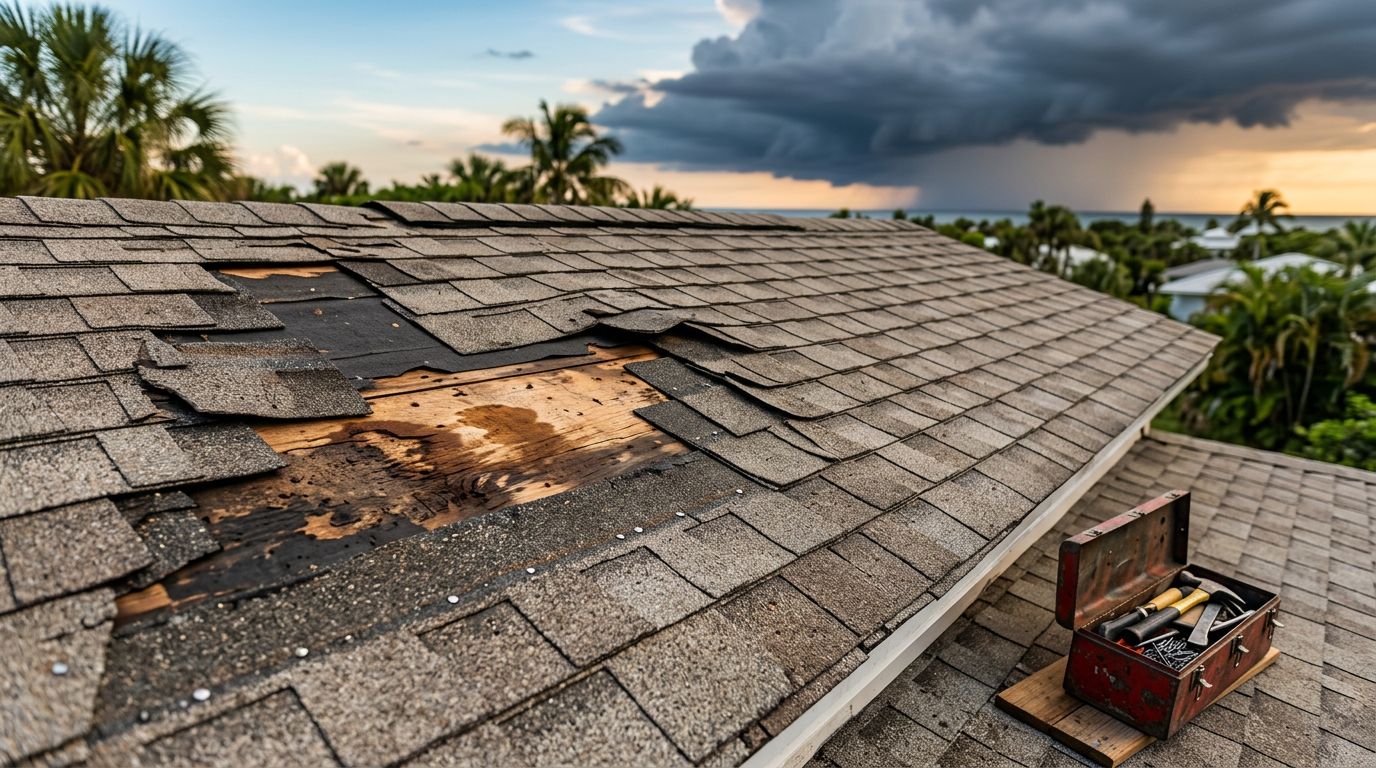
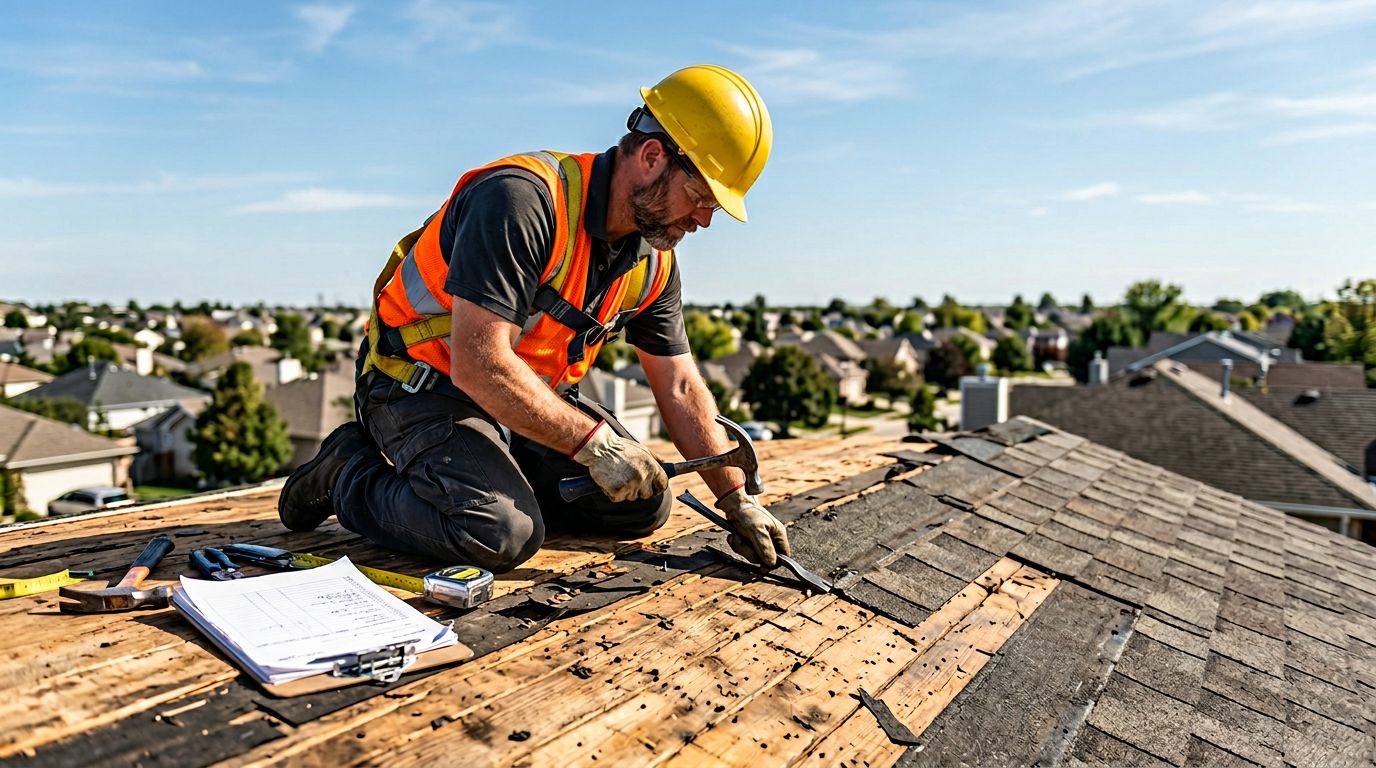
Tear-off strips away shingles or tiles. Crews see the deck, underlayment, and edges for the first time. That's when trouble shows.

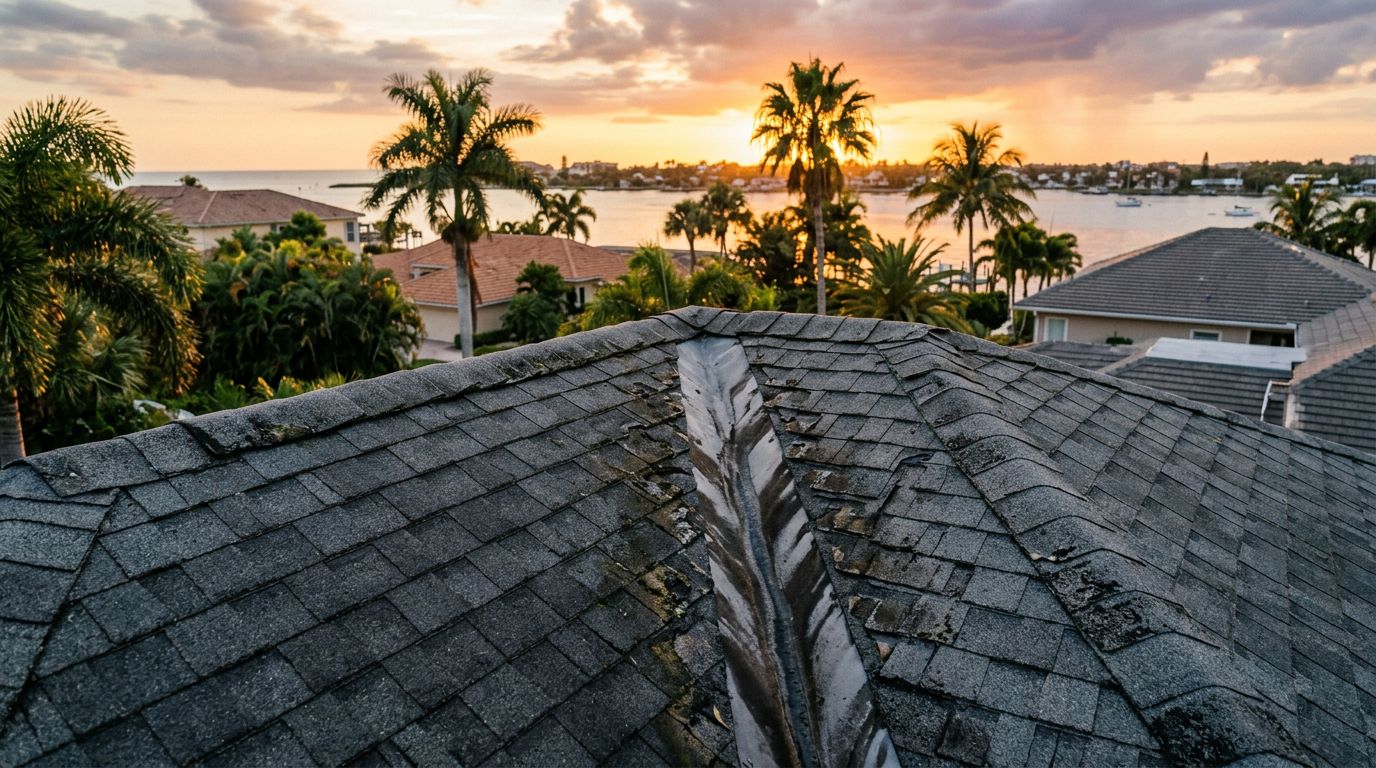
Florida humidity hides damage well. Past leaks rot plywood. Wind lifts edges over years. Multiple layers trap moisture. All this stays secret until now.

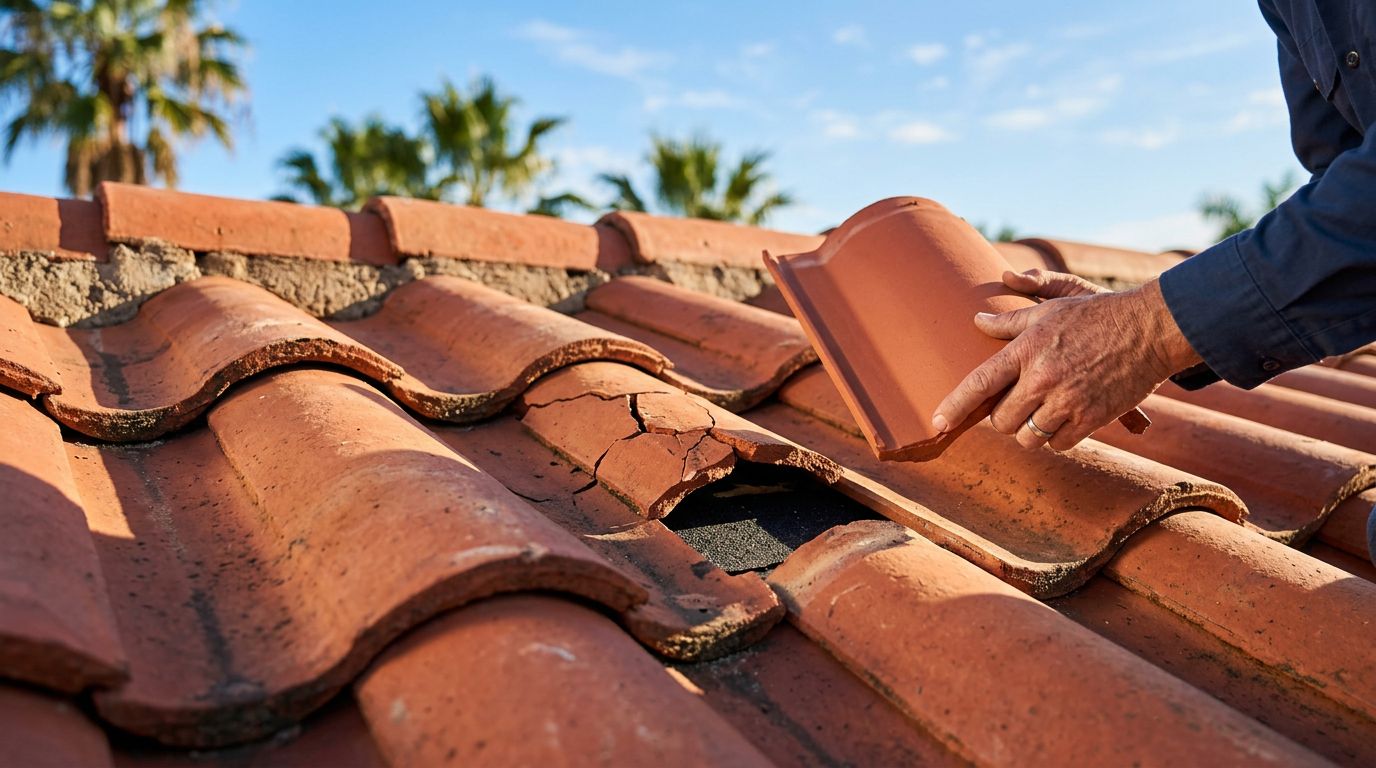
Common finds include soft decking in valleys. Crews poke it. It gives way. Or old nails poke through new underlayment spots. Multiple shingle layers mean the deck can't take more weight. Code says tear deeper.

For example, a Cape Coral home looks fine from ground level. Tear-off shows 20% deck rot near a chimney. Crews must replace sheets. That adds labor and materials.

These issues raise costs. But they protect your home. Ignoring them leads to leaks later. Always ask for photos before and after.

Spotting a Legitimate Roofing Change Order

Not every add-on is fair. Good orders fix real problems. Bad ones stem from sloppy bids or upsell tricks.

Legit ones come from your contract. Most estimates include a deck allowance, say 5-10 sheets. Extras beyond that trigger the order. The roofer documents with timestamps and pics.

Real examples help. Rot from an old leak near AC lines. That's unforeseen. Crews find two layers of shingles, not one. Code requires full tear-off. Fair add.

Shady signs? Vague original bid skips deck checks. No pre-job inspection notes damage risks. Or they push premium upgrades now, like better underlayment everywhere. That's sales, not necessity.

Check your original quote. It should list assumptions, like single-layer tear-off. If not, question the change. Honest roofers break down estimates line by line. Use that to compare.

In short, unforeseen means truly hidden. Poor planning means they guessed wrong.

Key Elements to Review Before You Sign

Pause work if needed. Demand details in writing. Here's what to scan.

First, the scope. Does it match the find? "Replace 15 deck sheets due to rot" beats "deck repairs needed." Get before pics showing soft spots. After pics confirm fixes.

Next, pricing. Unit costs should match the bid. Plywood at $100 per sheet? Labor at $200? No surprises. Total extra can't balloon without reason.

Code ties in too. New Florida Roofing Code updates for 2026 stress underlayment and fasteners. If tear-off shows weak edges, upgrades ensure pass inspection.

Use this quick checklist:

  • Photos timestamped from tear-off day.
  • Exact location of issues (e.g., north valley, 10x10 area).
  • Itemized costs with units (sheets, square feet).
  • Impact on timeline (one more day?).
  • Revised total and payment terms.

Item What to Check Red Flag
Scope Specific fixes listed Vague words like "as needed"
Proof Dated photos No visuals
Price Matches original units New higher rates
Code Ties to standards Ignores permits

Approve only after this. Sign and date. Keep copies.

Steps to Handle the Change Order Smoothly

Get calm first. Call the roofer. Ask to walk the roof if safe. See issues yourself.

Then verify timeline shifts. Deck work adds days. Know when they finish. A full roof replacement timeline helps set expectations.

Negotiate if off. Extra layers? They bid low. Push back politely. Offer to split if partial fault.

Pay in stages. Half now for materials. Rest after inspection pass. Never full upfront.

If distrust grows, halt. Get a second opinion. But most crews fix real problems daily. Trust but verify.

Document everything. Texts, emails, signed forms. This shields you later.

Protecting Yourself Long-Term from Surprises

Build habits now. Choose roofers with free inspections. They spot risks pre-bid.

Read contracts close. Clear change order process wins. Defined allowances prevent shock.

After approval, watch progress. Daily check-ins keep things on track.

Most change orders save money long-term. A solid deck beats leaks and insurance fights.

You got this. One roofing change order at a time, your home stays strong.

By Infinity Roofing April 18, 2026
You finish a roof replacement in Cape Coral. The crew packs up. Now the contractor hands you a final bill and asks for a big check. But what if subs or suppliers go unpaid? They could lien your home later. That's where Florida lien waivers come in. They cut that risk. Yet they...
By Infinity Roofing April 17, 2026
Your tile roof has served you well through Florida storms. Now cracks appear, or repair costs climb. You wonder if asphalt shingles make a better, cheaper choice. Yes, you can switch from a tile to shingle roof in Florida . Local codes allow it with a full tear-off and proper...
By Infinity Roofing April 16, 2026
Storm season doesn't wait for your budget. If you need current numbers, the average roof inspection cost in Cape Coral for 2026 usually falls between $120 and $320 for a standard professional visit. That range moves fast. Roof size, material, height, access, and the reason for...
By Infinity Roofing April 14, 2026
You live on a canal or waterfront in Cape Coral. Salt spray hits your roof daily. Add intense sun, pounding rain, high humidity, and hurricane winds. Your roof faces brutal tests most homes never see. Cape Coral roofing materials must fight corrosion, hold up to 150 mph gusts,...