
How Long Do Roof Repairs Last in Southwest Florida?

How Long Do Roof Repairs Last in Southwest Florida?

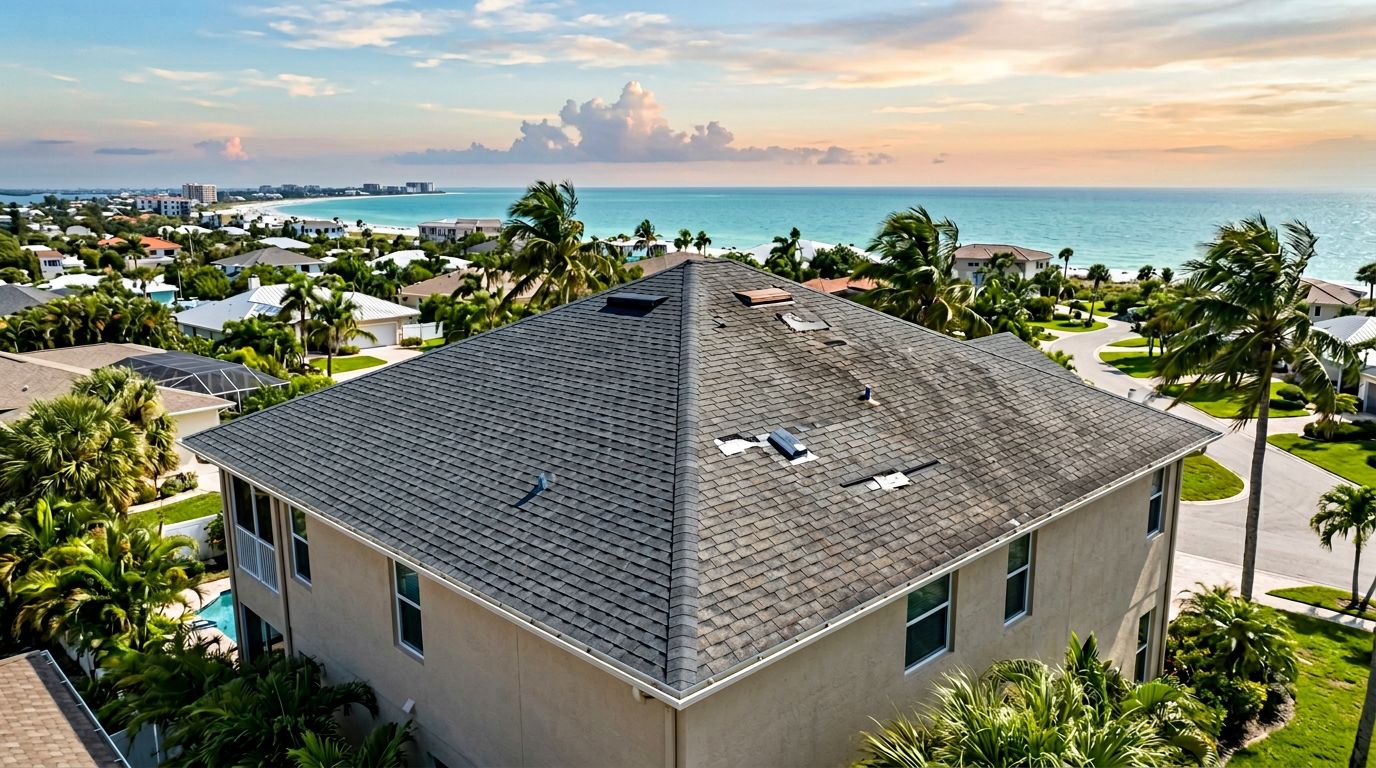
A single storm can leave your roof battered. You call for repairs, but how long will they hold up? In Southwest Florida, roof repair lifespan varies widely. It depends on your roof's material, the work's quality, and our tough local weather.

Homeowners in Cape Coral, Fort Myers, and Naples face heat, humidity, salt air, and hurricanes. These shorten repair durability. Good fixes last years, but neglect cuts that time short. You want to know realistic ranges and what boosts them.

This guide breaks it down. You'll see factors at play and steps to make repairs stick.

Key Factors Shaping Roof Repair Lifespan

Repairs don't last forever. Several elements decide their staying power. First, roof material matters most. Asphalt shingles wear faster than metal or tile. A patch on old shingles fails sooner because the surrounding area weakens it.

Workmanship counts too. Skilled crews use right sealants and match materials. Poor jobs let water sneak in. For example, bad flashing around vents invites leaks within months.

Your roof's age plays a role. Repairs on a 10-year-old roof outlast those on a 25-year-old one. The old decking or underlayment often fails next.

Ventilation affects results. Stale attic air traps moisture and heat. It rots repairs from below. Storm history adds risk. Past hurricanes loosen edges, so new fixes face extra stress.

Salt exposure hits coastal homes hard. It corrodes nails and metal parts. Maintenance seals the deal. Clean gutters yearly, and your repair gains years.

Florida's 25% rule factors in. Repairs over 25% of the roof count as replacement. They must meet current code for better longevity.

Check our roof repair vs replacement guide for when to choose each.

Realistic Lifespans by Roof Material

Expect ranges, not guarantees. Southwest Florida's sun and storms test every repair. Here's what data shows for common materials after quality fixes.

Material Inland Lifespan After Repair Coastal Lifespan After Repair Main SWFL Challenges
3-Tab Asphalt Shingles 10-15 years 10-15 years Heat cracks, granule loss
Architectural Shingles 15-18 years 18-22 years UV blistering, humidity
Exposed Fastener Metal 30-45 years 25-35 years Salt on screws
Standing Seam Metal 40-70 years 35-60 years Needs coatings for salt
Concrete Tile 30-50 years 30-50 years Underlayment rots early
Clay Tile 50+ years 50+ years Tiles endure, base fails

These come from local roofing trends in 2026. Metal holds up best against wind. Tiles shine for heat but need strong underlayment. Shingles suit budgets yet fade quickest here.

A Cape Coral shingle repair might add 12 years inland. Near the Gulf, salt drops it to 10. Always inspect underlayment during fixes. It often fails first.

Southwest Florida Climate's Toll on Repairs

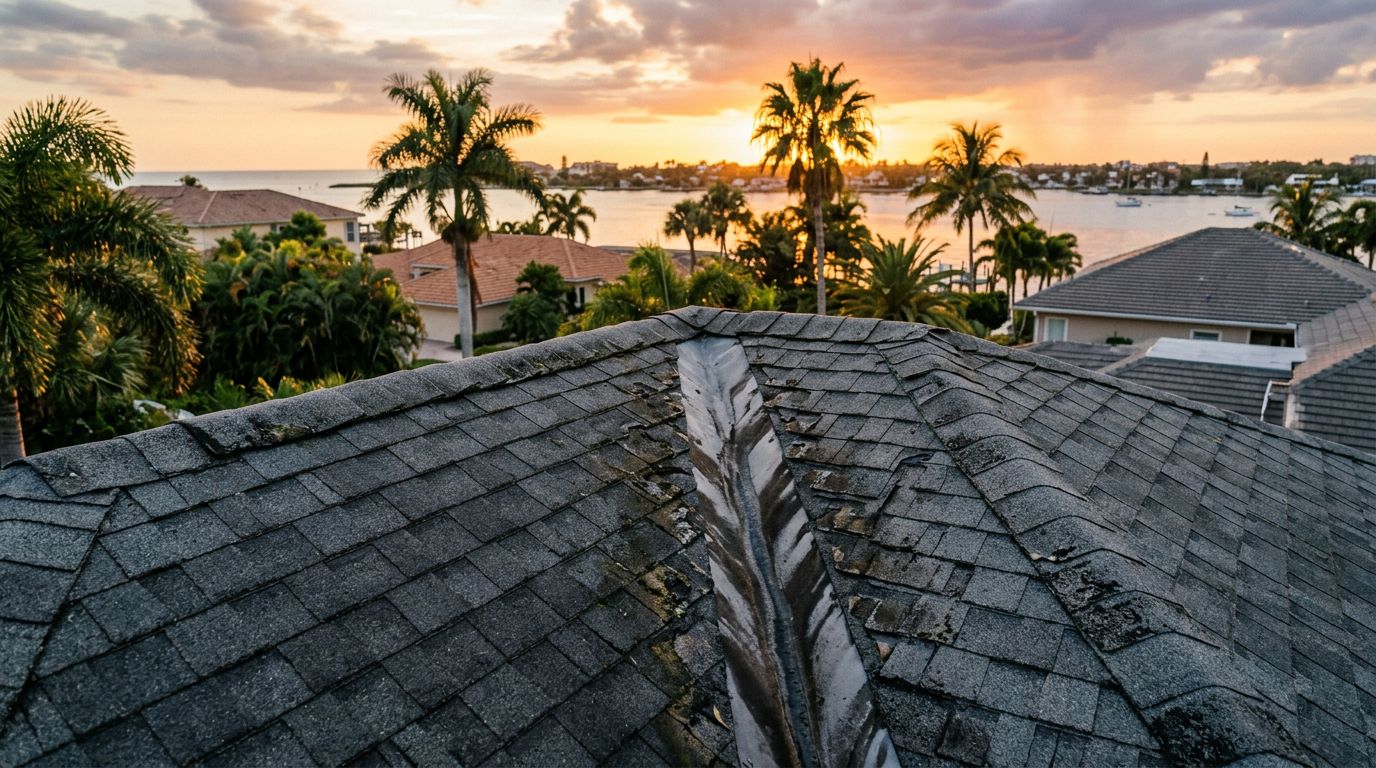
Our weather doesn't play nice. High humidity keeps surfaces damp. It breeds mold under patches. Intense UV rays bake sealants brittle in two years.

Hurricanes strike hard. Even Category 1 winds rip edges. A repaired shingle roof survives one but curls after two. Salt air from the Gulf corrodes fastest within five miles of shore.

Heat expansion stresses materials. Tiles crack from daily cycles. Poor ventilation worsens it. Hot attics push 140 degrees, warping repairs.

Recent trends show more impact. Storms like Ian left repairs vulnerable. NOAA data notes rising humidity levels. They rot wood decking under fixes.

Yet, smart choices help. Pick wind-rated materials. They meet Florida code and last longer.

Ventilation and Maintenance Boost Longevity

Good airflow changes everything. Vents pull hot air out. They dry repairs faster after rain. Block them, and moisture pools. Lifespan halves.

Trim trees over your roof. Branches scrape during winds. Clear debris twice yearly. It stops ponding that erodes patches.

Seal cracks annually. Use code-approved products. Check after storms. Early spots prevent full failure.

For costs, see Cape Coral roof repair costs. Maintenance pays off.

Get roof repair services in Cape Coral from locals who know our code.

When Repairs Fall Short and Replacement Wins

Some roofs defy patches. If over 20 years old, fixes buy little time. Multiple leaks signal underlayment failure. Better replace then.

The 25% rule forces upgrades. It ensures code compliance. Insurers watch roof age too. Old repairs raise premiums.

Spot sagging or granules in gutters. They mean repairs won't hold. Act before storms hit.

Make Your Roof Repair Last

Roof repairs in Southwest Florida last 10 to 50+ years with care. Material, work quality, and climate set the pace. Shingles top out at 20 years coastal. Metal pushes 60.

Humidity, salt, and hurricanes challenge every fix. Ventilation and maintenance extend them most. Follow the 25% rule to stay legal.

Inspect yearly. Choose proven crews. Your home stays safe longer.

By Infinity Roofing May 11, 2026
One small leak in a roof valley can turn into a big mess fast, especially in Cape Coral. Valleys carry a lot of rainwater, so when they fail, water often finds the easiest path into your home. Heavy downpours, hurricane winds, and year-round humidity put extra pressure on this...
By Infinity Roofing May 10, 2026
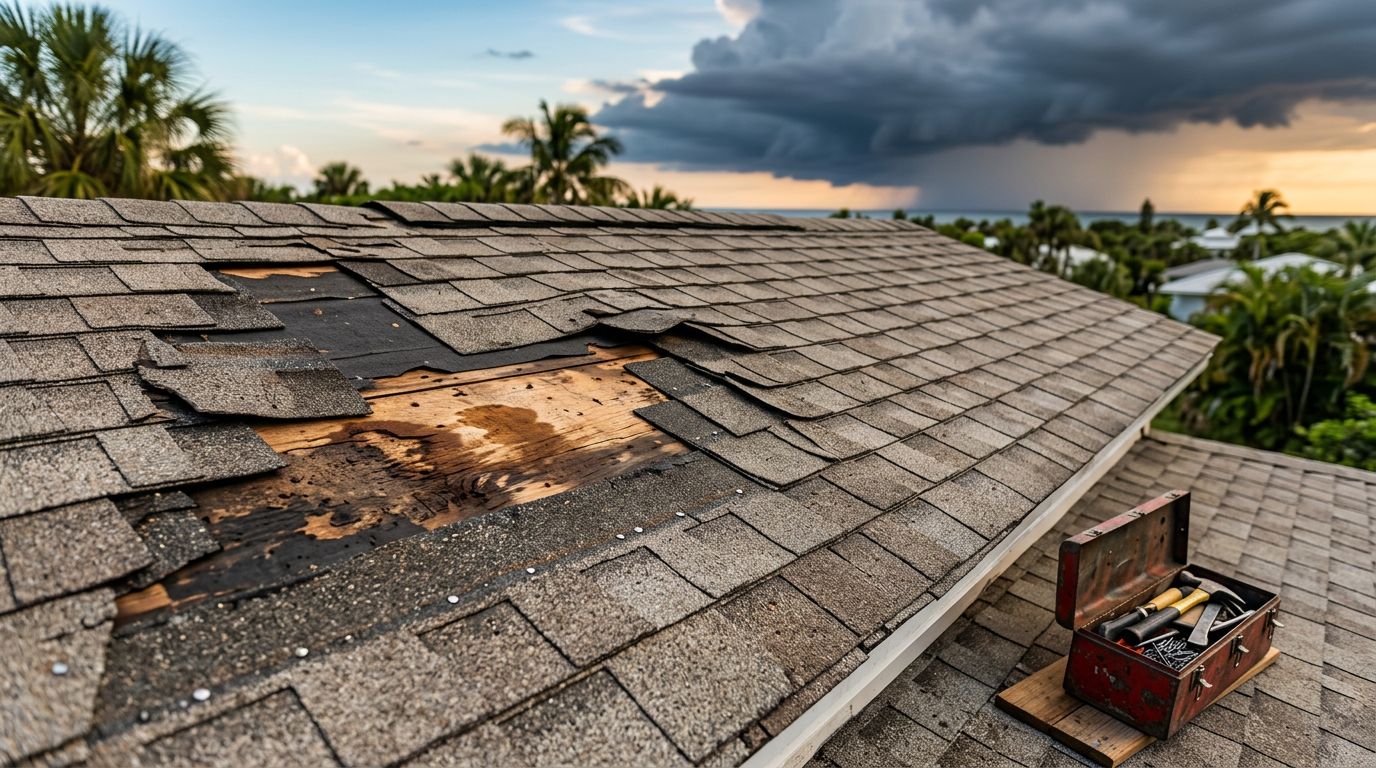
A Florida roof claim can look simple until the estimate, deductible, and policy language land on the same table. A repair that feels expensive may still be cheaper than filing a claim, while a bigger storm loss can be a poor time to guess. In Florida, the right choice depends...
By Infinity Roofing May 9, 2026
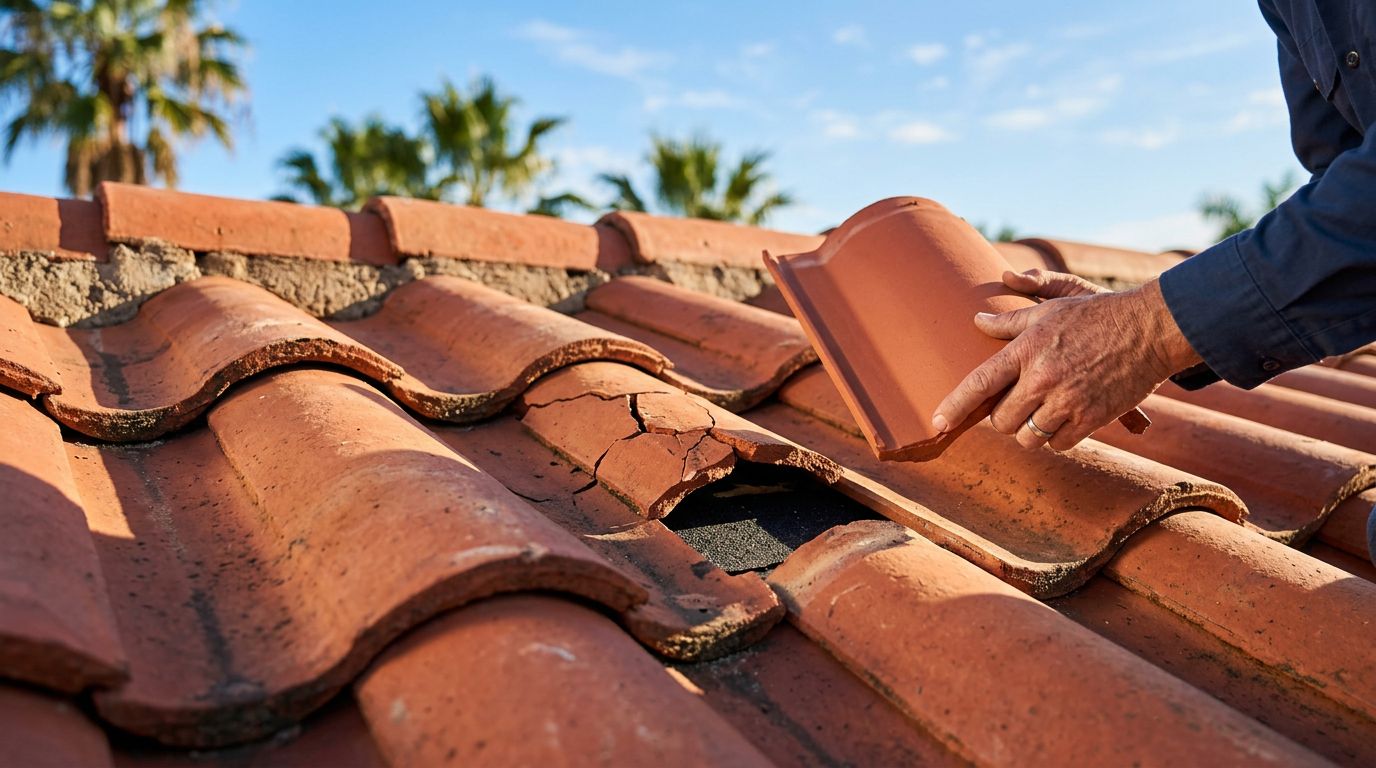
A cracked tile on a Florida roof can look small from the ground, but it can open the door to leaks fast. Wind-driven rain, heat, and salt air put extra stress on tile roofs, so even one damaged piece deserves a close look. Yes, broken roof tiles in Florida can often be replace...
By Infinity Roofing May 8, 2026
A hot roof can make a home feel hotter, so it's fair to wonder if metal is part of the problem. In Florida, that concern comes up a lot, but the answer is clearer than most people think. Metal roofs do not inherently make homes hotter , and in many cases they help reduce heat...