Secondary Water Barrier Credit In Florida For Shingle Re-Roofs

If you're planning a shingle re-roof in Florida, there's one upgrade that can pay you back in a way most roof features don't. The secondary water barrier credit is tied to a "sealed" roof deck, and many homeowners miss it simply because the right steps were not documented.
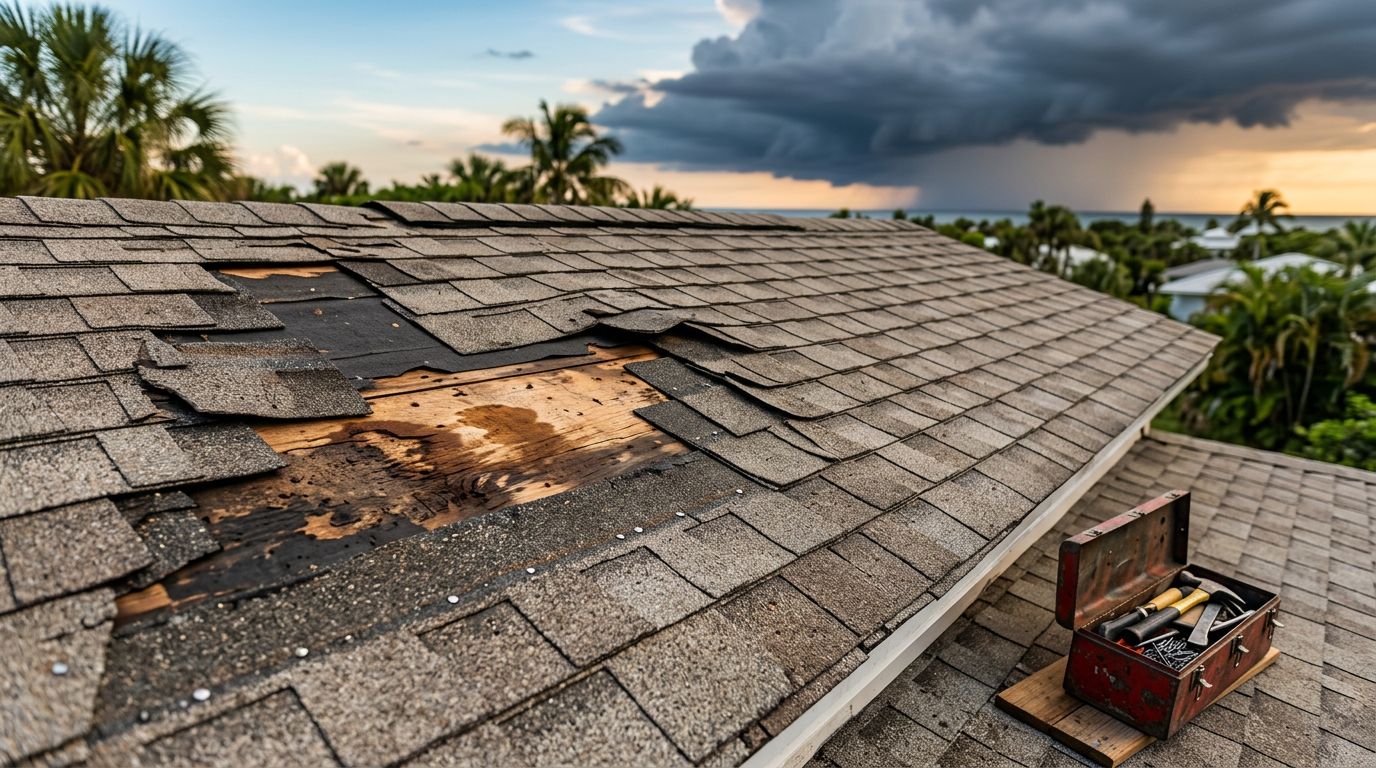
Think of your roof like a rain jacket. Shingles are the outer layer. A secondary water barrier is the waterproof layer underneath, the backup protection when wind-driven rain finds a way past the shingles.
This guide explains what the credit is, what usually qualifies during a shingle re-roof, and what paperwork you'll want in your hand before you call your agent.
What the secondary water barrier credit is (and why insurers care)
Florida insurers price homes based on storm risk. A secondary water barrier, often called secondary water resistance (SWR) or a sealed roof deck, reduces water damage after wind events. That's the key. Even a well-installed shingle roof can lose caps or sections in a severe storm, and then rain can pour in fast.
The insurance credit exists because SWR can reduce claim severity. In plain terms, it can help keep a "roof damage" event from becoming an "interior flood" event.
Most carriers verify SWR through the Uniform Mitigation Verification Inspection Form (OIR-B1-1802) . On that form, SWR is its own line item, and it's typically one of the more meaningful wind mitigation items when it's properly supported.
A few important points to keep expectations realistic:
- The credit amount varies by insurer, location, and policy structure.
- The credit is not automatic after a re-roof. Verification and proof matter.
- Many insurers treat wind mitigation reports as time-sensitive and may request an updated inspection over time.
If your roof deck is sealed but nobody can prove it, the discount often disappears.
Because 2026 is an active code transition period in Florida, it also helps to understand how re-roofs are being reviewed locally. For Southwest Florida homeowners, this overview of 2026 Florida Building Code re-roof updates is a useful snapshot of what inspectors are watching more closely.
What usually qualifies as SWR on a shingle re-roof in Florida
Homeowners often ask, "Is underlayment the same thing as SWR?" Not always.
SWR is less about the brand name and more about the method. The goal is to create a sealed surface on the roof deck so water can't easily travel through nail holes or seams. In many shingle re-roofs, the most common qualifying approach is a self-adhered (peel-and-stick) membrane applied across the roof deck (or in some assemblies, sealed seams and penetrations that meet the SWR definition used on the mitigation form).
Because Florida is not one-size-fits-all, your exact details may depend on:
- Whether your home is in a higher wind zone.
- Roof slope and complexity (valleys, dormers, skylights).
- Deck condition after tear-off.
- Local permitting and inspection practices.
Permits matter here for two reasons. First, many re-roofs require a permit, and a permitted job creates a cleaner paper trail. Second, the timing of inspections can affect whether you get photo documentation before the shingles cover everything up. If you're in Cape Coral or nearby, this guide on permits required for FL shingle re-roofs lays out what to expect.
SWR is part of a system, not a single product
Even with a sealed deck, details still matter. Drip edge, flashing, and proper shingle fastening all help the roof resist wind and water. When those pieces work together, the SWR layer is less likely to be tested. When they don't, SWR becomes the safety net.
For homeowners who want to improve storm performance beyond the insurance credit, it's worth reading a practical storm-readiness overview like secondary water barriers for FL storms. It connects the SWR concept to the real ways roofs fail in hurricanes.
How to document SWR so you can actually receive the credit
Here's the hard truth: most "credit problems" are paperwork problems.
Insurers and agents commonly want a wind mitigation report (OIR-B1-1802) completed by a qualified inspector. That inspector then needs evidence to mark SWR correctly. If the roof is already covered, the inspector can't see the membrane, so the burden shifts to documentation.
A little planning during your re-roof can prevent a lot of frustration later. This quick table shows what tends to help most.
| Proof item | What it should show | Why it helps |
|---|---|---|
| Permit record and final inspection | Address, scope, completion | Supports that the job was done and closed out |
| Roofer invoice (itemized) | SWR material and installation listed | Ties the product to your address and job |
| Product wrapper labels or data sheet | Exact membrane name and approvals | Helps confirm the material used |
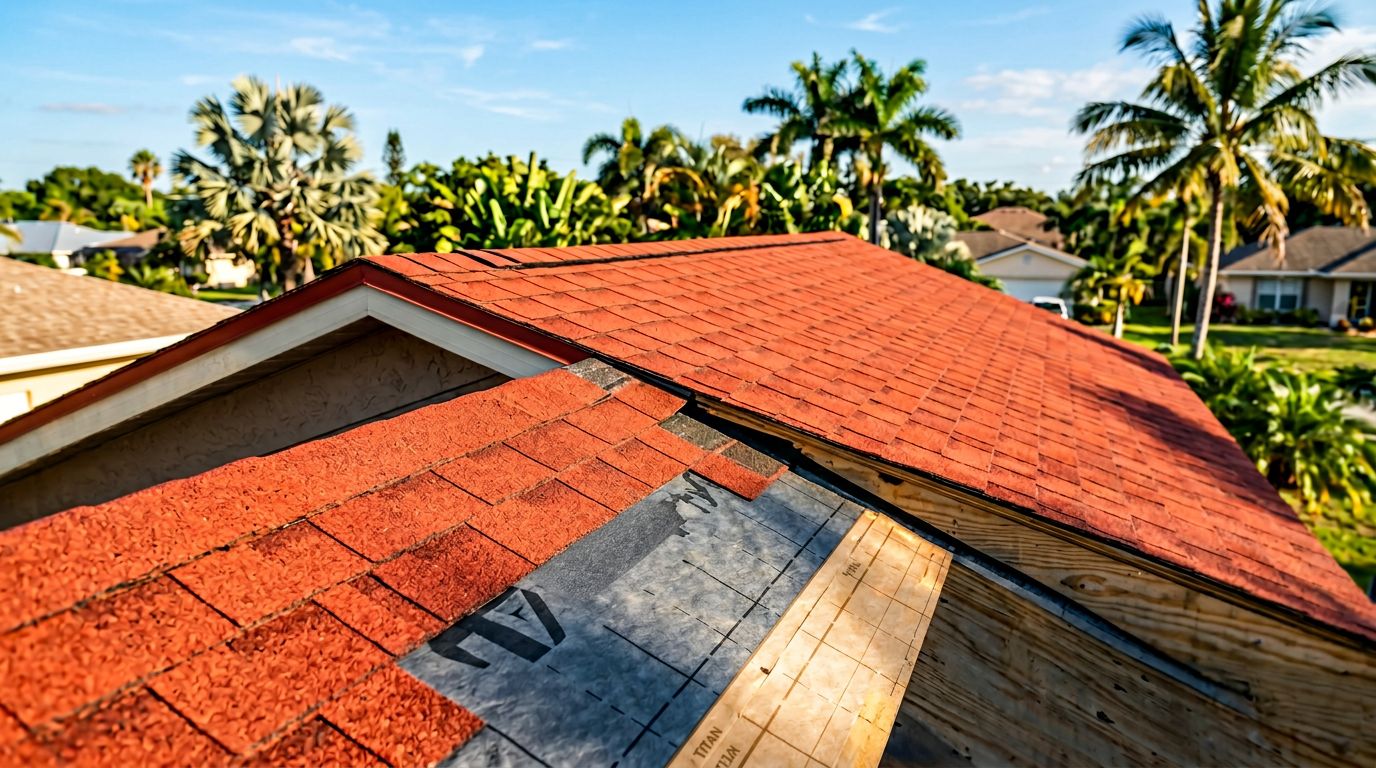
| Photo set during install | Membrane on deck, seams, penetrations | Lets an inspector verify SWR after shingles are installed |
Ask your roofer for photos taken after tear-off and after the SWR is installed, before shingles go on. Also ask for close-ups around valleys, skylights, and pipe penetrations. Those are the "leak magnets" during storms.
The easiest time to prove SWR is the day it's installed. After that, you're trying to prove a hidden layer.
Quick disclaimer: This article is general information, not legal or insurance advice. Always confirm your roof scope with a licensed Florida roofing contractor, and confirm discount eligibility with your insurance agent or insurer.
Two practical checklists: one for your roofer, one for your insurer
You don't need to speak "roofing" to get this right. You just need the right asks at the right time.
Checklist to hand your roofer (before work starts)
- Confirm SWR approach in writing: Ask what method they'll use to meet SWR on the wind mitigation form.
- Ask for an itemized estimate: SWR should appear as its own line item, not buried in "underlayment."
- Confirm permit responsibility: Ask who pulls the permit and how you'll receive the permit number and final sign-off.
- Request a photo documentation plan: Photos of the bare deck, SWR installed, and key details (valleys, edges, penetrations).
- Ask about deck repairs: If they find rotten or soft decking, ask how that change gets documented and priced.
- Ask about manufacturer requirements: Shingle fastening patterns and accessory details should match the approved assembly.
This checklist also helps you compare bids. If one contractor avoids documentation, that can cost you later, even if the roof looks fine from the street.
Checklist for what to send your insurer or agent to pursue the credit
- Wind mitigation report (OIR-B1-1802): Completed and signed by the inspector.
- Permit documentation: Permit number and proof of final inspection or closed permit when available.
- Roofer invoice and contract: Showing SWR materials and scope at your address.
- Install photos: A small, organized set (10 to 25 photos is usually plenty).
- Product information: Label photos or data sheets for the self-adhered membrane used.
If your insurer requests "proof of sealed deck," don't send 80 random pictures. Curate the set so the story is obvious: deck exposed, membrane installed, details sealed, roof covered.
Common reasons homeowners lose the credit
Many of these are preventable:
- The re-roof was done without SWR, but the homeowner assumed any underlayment qualified.
- The installer used materials that don't meet the SWR definition used on the mitigation form.
- No photos were taken, and the inspector can't verify a concealed layer.
- The invoice is not itemized, so SWR can't be confirmed.
- The permit trail is missing, incomplete, or still open.
Conclusion
A shingle re-roof is already a big project, so it's smart to stack benefits where you can. The secondary water barrier credit can be a real win, but only when the roof deck is sealed and the proof is easy to verify.
Before shingles go on, get the photos, the paperwork, and a clear scope in writing. Then, when you submit your wind mitigation report, you're not hoping for a discount. You're backing it up.