Florida Roof Matching Statute Explained For Cape Coral Homeowners

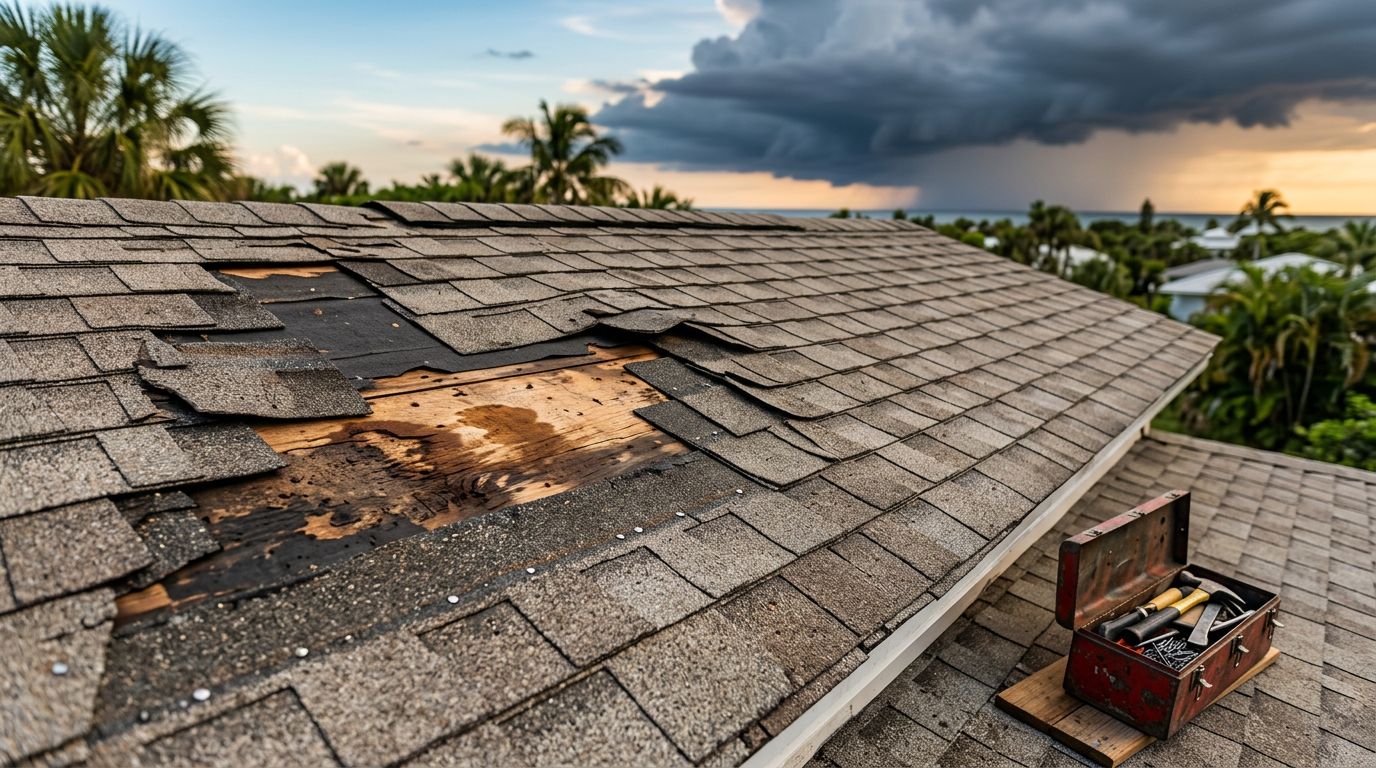
Ever seen a roof that looks like a checkerboard after a "repair"? In Cape Coral, that patchy look isn't just annoying, it can also affect resale value and even how water sheds across the roof.
That's why the Florida roof matching statute matters. It's one of the most misunderstood parts of a roof claim, especially after hurricanes and wind-driven rain push homeowners into fast decisions.
Below is a homeowner-friendly breakdown of what the statute does, what it doesn't do, and how to build a stronger claim when materials are faded, discontinued, or impossible to source.
Quick disclaimer: This article is general information, not legal advice. Insurance coverage depends on your policy, your roof, and the facts of your loss.
What the Florida roof matching statute actually requires (and what it doesn't)
Florida's matching requirement sits in Florida Statute 626.9744 (often called the matching statute). In plain English, it says that when an insurer pays to repair a covered loss, the repair should result in a reasonably uniform appearance . That includes matching color, size, and type when matching matters to the look of the property.
Here's the practical takeaway for Cape Coral roofs: if wind damages one slope of shingles, the carrier can't automatically swap in "close enough" shingles and call it done. If the result looks obviously different next to the original roof, you have a matching issue.
However, this statute also doesn't guarantee a full roof replacement every time. The keyword is "reasonable." Insurers often argue:
- A near match exists, even if it isn't perfect.
- Sun fading and salt air weathering mean new materials will never match.
- Your policy has limits or exclusions that control how matching is handled.
That last part matters more than most homeowners realize. The statute sets a rule for claim handling, but your policy language still drives what's covered and how payment works. Some policies include endorsements that limit matching, or they pay based on actual cash value until work is completed. Others add requirements for documentation or proof of unavailability.
As of February 2026, the matching statute is still in place. At the same time, Florida's insurance market keeps changing, so the way claims are adjusted can feel stricter than it used to.
When "matching" can lead to more replacement work in Cape Coral
Matching disputes usually come down to one question: Can the damaged area be repaired so it blends with what's left? If the answer is no, the scope can grow.
The most common reasons matching gets harder in Southwest Florida include:
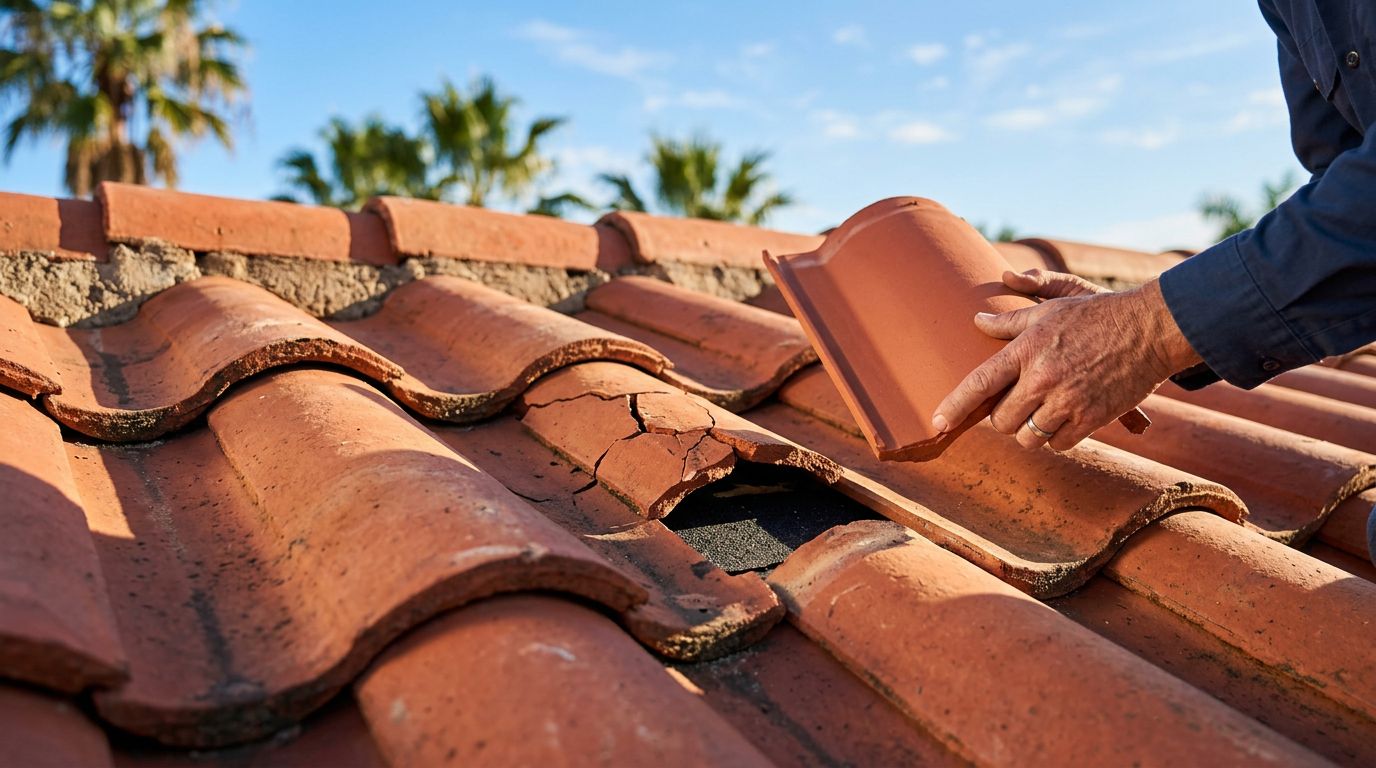
Material discontinuation is a big one. Shingle and tile lines change, and manufacturers drop colors often. If your roof is 10 to 15 years old, the exact product might be gone. In that case, you'll want evidence that the original material is unavailable, not just "my roofer couldn't find it."
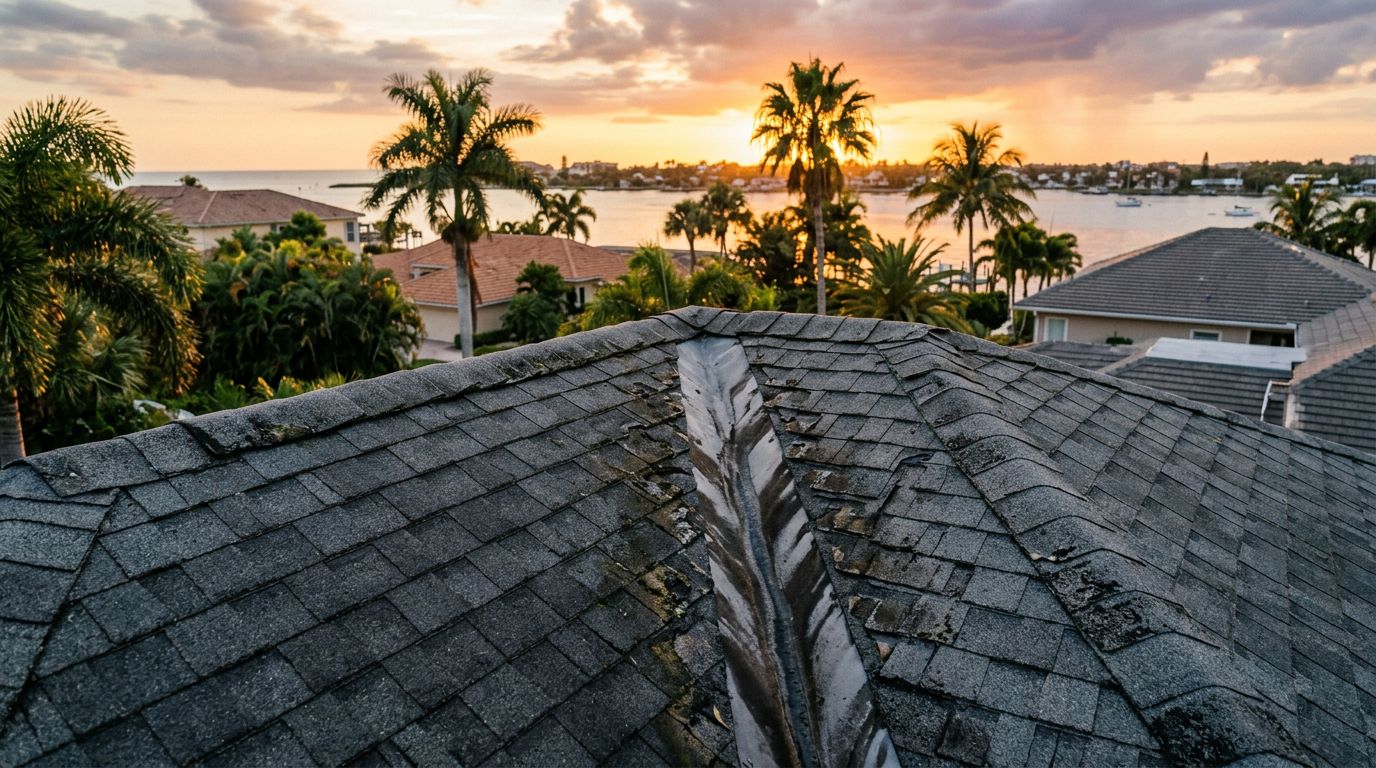
Weathering also complicates the claim. Cape Coral sun fades pigment, and salt air can speed up corrosion on metal components and fasteners. Even if the product still exists, a brand-new bundle may not match a roof that's been baking for years.
Then there's the code and repair-versus-replace question. Florida changed the old "25 percent rule" that people still mention after big storms. These days, a roof isn't automatically replaced just because repairs are extensive. Code compliance can still push a job toward larger sections, but it depends on roof age, the permit scope, and what inspectors require.
If you're stuck deciding whether your situation is a repair or a full replacement, this guide helps you think it through without guesswork: roof repair vs replacement for Cape Coral insurance claims.
A good matching argument isn't emotional. It's visual proof, sourcing proof, and a clear explanation of why a repair won't look uniform.
Step-by-step claim checklist to protect your matching rights (plus escalation options)
When your roof gets hit, speed matters, but documentation matters more . Use this checklist to keep control of the story your claim file tells.
- Stop active leaks safely. Use a tarp or temporary patch if needed, then save receipts and photos.
- Photograph wide and close. Take shots of each slope, plus close-ups of lifted shingles, cracked tiles, creased tabs, or exposed underlayment.
- Capture identifying details. Photograph the shingle wrapper if you have it, ridge cap style, tile profile, manufacturer marks, and any attic leaks.
- Ask for a contractor inspection early. A roofer can document damage patterns that one quick adjuster visit may miss.
- Document "not available" the right way. Ask for written supplier responses, manufacturer letters, or third-party material identification results if needed.
- Compare samples in daylight. If the carrier proposes a substitute, request a sample and photograph it against your existing roof.
- Keep your communication clean. Use email when possible, summarize phone calls, and ask for written explanations of any matching denial.
- Watch key timing rules. Florida law has requirements for acknowledgments and claim decisions (often tied to a 90-day decision window for many property claims). Confirm timelines with your adjuster and keep a dated log.
This table shows the kind of evidence that tends to move matching conversations forward:
| What to document | Why it matters | How to get it |
|---|---|---|
| Full-roof photos by slope | Shows uniformity problems and sun fading | Phone photos, taken the same day |
| Close-ups of damage | Proves the loss is real and storm-related | Zoomed photos with reference object |
| Product ID (brand, line, color) | Defines what must be matched | Old invoices, wrapper labels, roofer notes |
| Discontinuation or unavailability proof | Supports broader replacement scope | Supplier emails, manufacturer confirmation |
| Written adjuster scope | Shows what the insurer agreed to fix | Request the estimate and scope pages |
If the insurer still refuses to match, you have a few non-drama options to consider:
- Ask for a re-inspection with your contractor present, so damage and samples are reviewed in real time.
- Mediation through the Florida Department of Financial Services (DFS) can help when you and the carrier are far apart.
- Appraisal , if your policy includes it, can resolve scope and pricing disputes, although it has rules and costs.
- A DFS insurance complaint can be appropriate if communication breaks down or deadlines slip.
Finally, don't ignore permitting. A claim-approved re-roof can still stall if the permit is missing or incomplete. Here's a local explainer: Cape Coral roof replacement permit requirements. If your claim turns into a full replacement, this walkthrough helps set expectations: step-by-step roof replacement process for Cape Coral claims.
Conclusion
The Florida roof matching statute is meant to prevent patchwork repairs that don't look uniform, but it only works if you back it up with solid proof. In Cape Coral, fading, discontinued materials, and storm patterns often turn matching into the main fight.
Treat your claim like a file someone else will read later, because that's exactly what it is. Document, confirm availability in writing, and push for clear answers. If the scope still doesn't make sense, use mediation, appraisal, or a formal complaint as your next step.