Can You Put New Shingles Over Old Shingles In Florida?

Can You Put New Shingles Over Old Shingles In Florida?

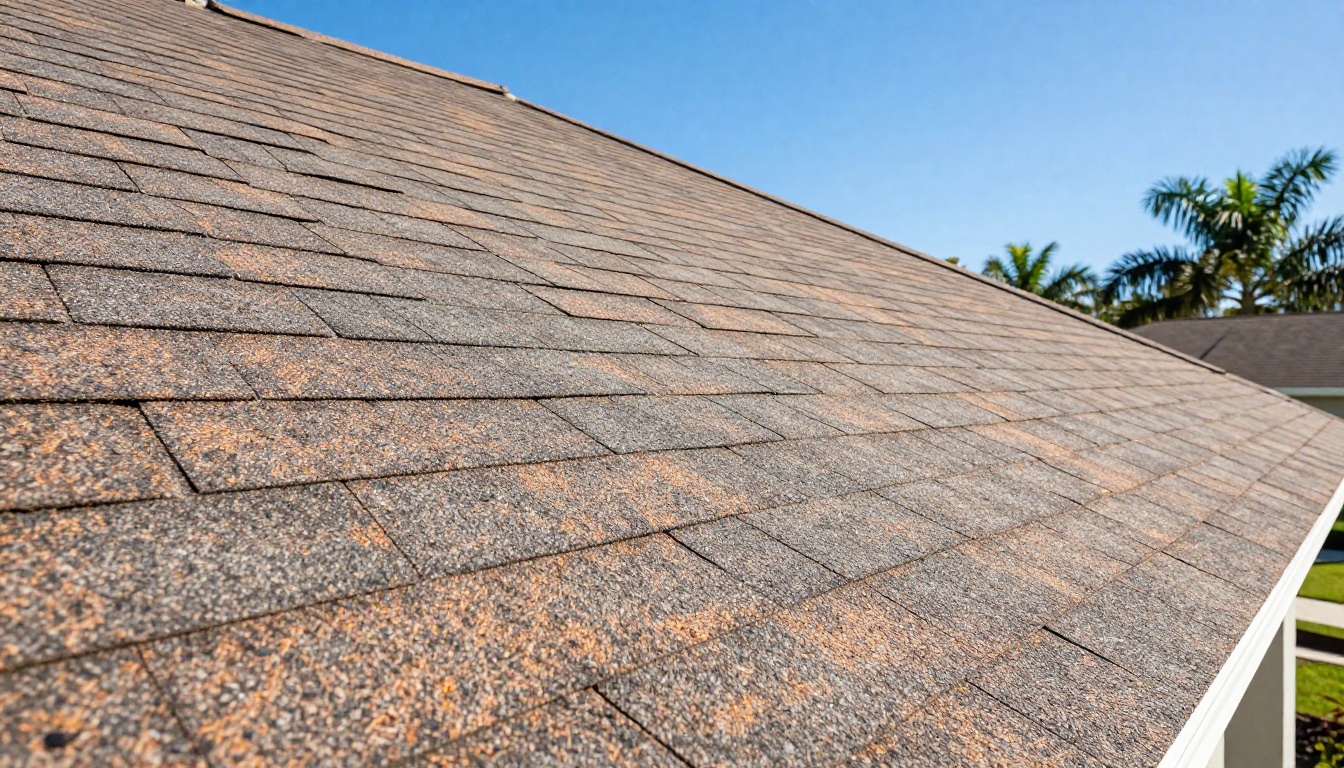
Thinking about saving money by laying new shingles over old ones? In Florida, the short answer is yes, sometimes , but it's often not the best move.

A roof overlay florida homeowners ask about can be allowed in limited cases. Still, the real answer depends on current Florida code, your local building department, the roof's condition, how many layers are already there, the decking underneath, manufacturer rules, and even your insurance company. Before work starts, verify current code and permit rules for your city or county.

When a roof overlay in Florida may be allowed

In general, Florida may allow one new layer of asphalt shingles over one existing layer on some homes. However, that does not mean every older shingle roof qualifies. If your roof already has two layers, a tear-off is usually required. Local officials also have the final say, and permit approval is not automatic.

That matters because an overlay still counts as reroofing. It usually needs a permit, inspections, and materials that meet current wind rules. In other words, it's not a shortcut around code.

A good roofer should check several things before recommending an overlay. The existing shingles should lie fairly flat. The roof deck should be solid. The attic should have decent ventilation. Flashing details should also make sense for the new system. If any of those pieces are off, overlaying new shingles can turn into covering up trouble.

If you're in Southwest Florida, local review can be stricter than homeowners expect. This look at 2026 Florida Roofing Code updates for Cape Coral re-roofs shows how code details can affect reroof jobs, permits, and inspections.

If a roofer suggests an overlay without checking the deck, permit needs, and warranty limits, slow down.

Manufacturer rules matter too. Some shingle systems have limits on overlays, or they narrow the warranty when shingles go over an old roof. Insurance can also complicate things. Some carriers may view overlays less favorably because they can hide damage and may not last as long in Florida heat, rain, and wind.

Overlay vs. tear-off in Florida, the real trade-offs

An overlay can look attractive because the upfront price is often lower. There's less labor, less dump cost, and the job may move faster. For a homeowner staring at a big roofing bill, that sounds pretty good.

Still, lower cost today can mean more cost later.

Here's a simple side-by-side look:

Factor Overlay Tear-off
Upfront cost Usually lower Usually higher
Project speed Often faster Often slower
Deck inspection Limited Full access
Roof weight Adds weight Removes old load
Hidden damage risk Higher Lower
Expected long-term value Often lower Usually better

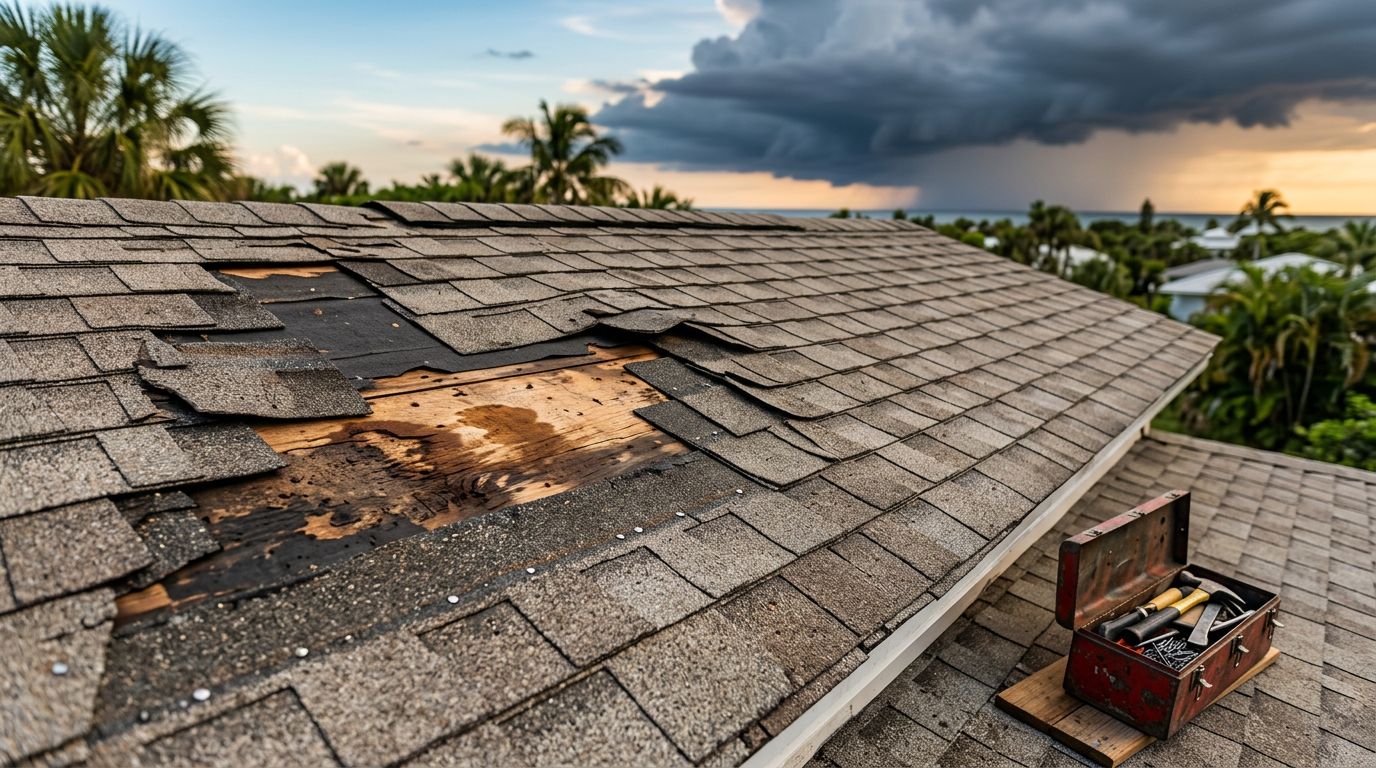
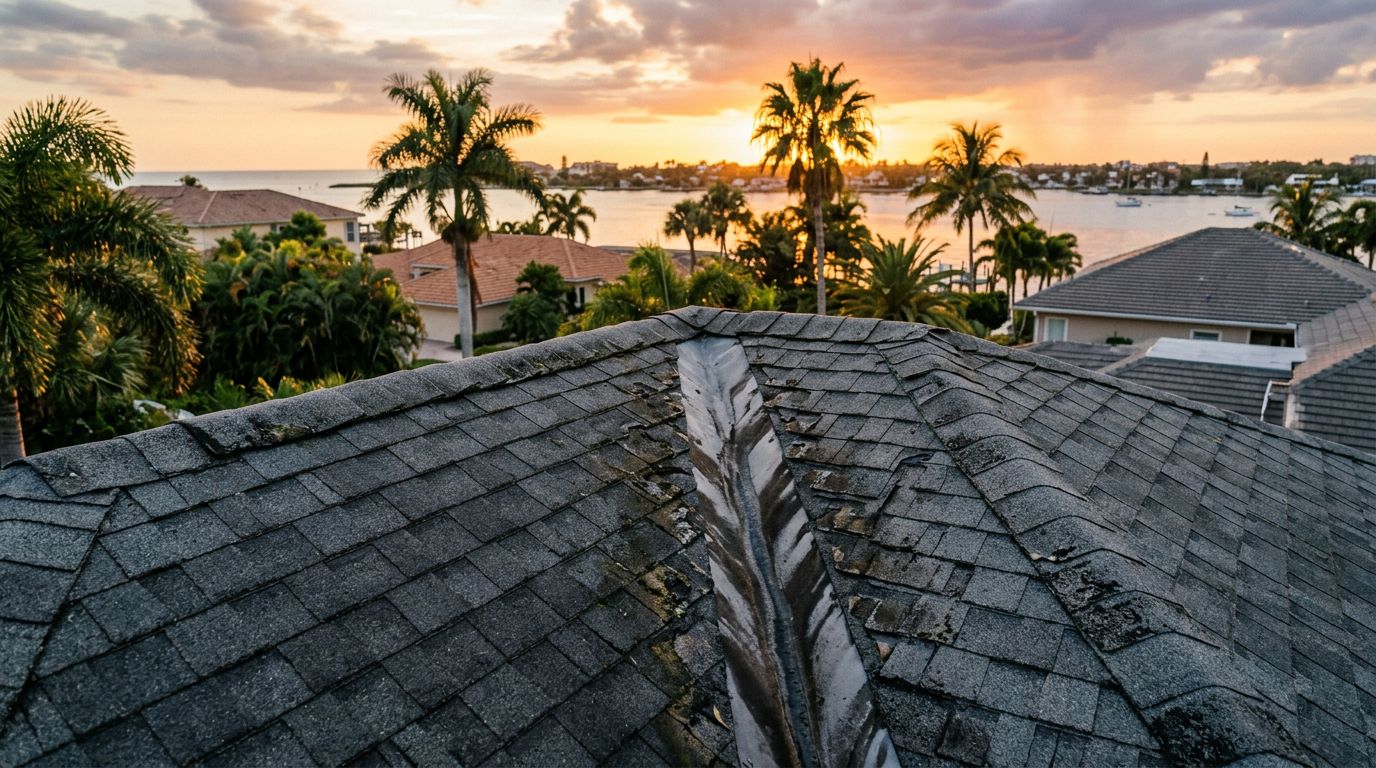
The main problem with an overlay is what you can't see. Old shingles can hide soft decking, trapped moisture, bad nailing, or worn flashing. New shingles may look neat from the street, but the base underneath may already be failing. That's like putting new flooring over a weak subfloor. It might look fine for a while, then the weak spots show up.

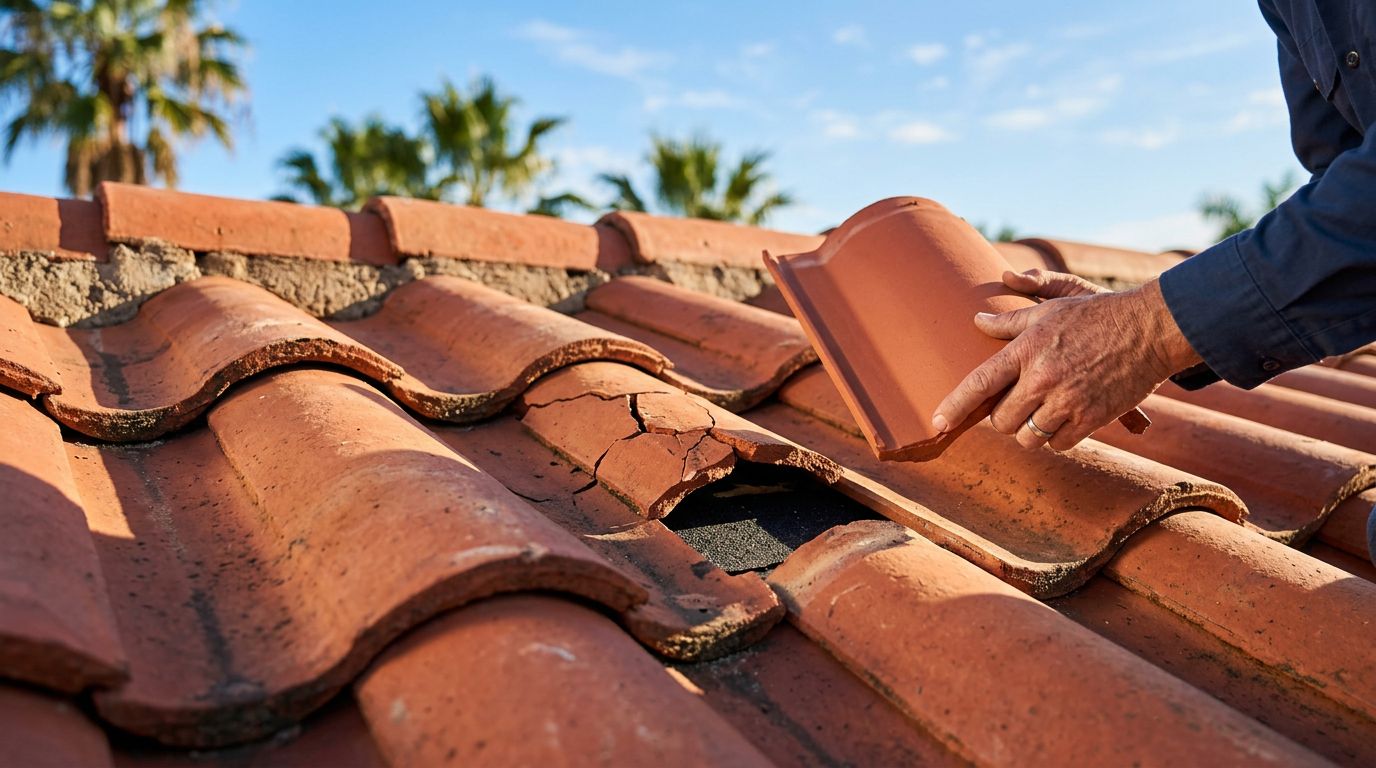
A full tear-off costs more, but it gives the roofer a clear view of the deck. That matters in Florida, where wind-driven rain finds small weaknesses fast. Tear-off jobs also make it easier to meet current code details, improve underlayment, and replace damaged wood before it causes bigger issues.

If you're trying to decide between patching, overlaying, or full replacement, this roof repair vs replacement in Cape Coral guide can help you sort out the scope.

Signs an overlay is a bad idea

Sometimes the answer is simple: don't overlay. A few warning signs should stop the conversation right away.

Here are the biggest red flags:

  • Two layers already exist : Florida generally won't let you add a third layer.
  • Shingles are curling, buckling, or badly uneven : New shingles need a stable base.
  • The roof feels soft or looks sagged : That can point to deck damage.
  • You've had repeated leaks : Water may already be trapped below the surface.
  • Storm damage is spread out : Wide damage usually calls for a deeper inspection.
  • Flashing and penetrations are failing : New shingles alone won't fix weak details.
  • The manufacturer won't back the assembly : A cheaper job loses value fast without a solid warranty.
  • Your insurer objects : That can affect future claims, rates, or renewals.

Florida weather is tough on roofs. Heat bakes shingles, humidity holds moisture, and storms test every weak spot. Because of that, overlays often make less sense here than they might in milder places.

Also, if more than a small repair is involved, permit rules can change quickly. For local context, review Cape Coral roof repair permit requirements before signing anything.

Questions to ask before hiring a roofer

Before you hire anyone, ask direct questions and get the answers in writing. A clear bid beats a friendly promise every time.

Use this checklist:

  • Are you recommending an overlay or a full tear-off, and why?
  • How many roof layers are on the house now?
  • Will you inspect the decking, and what happens if you find rotten wood?
  • Will you pull the permit and handle inspections?
  • Does the shingle manufacturer allow this installation method?
  • What warranty do I get on materials and workmanship?
  • Could this affect my insurance coverage or future claim options?
  • Will the quote include underlayment, flashing, vents, disposal, and permit costs?

A trustworthy contractor won't dodge those questions. They should explain the job in plain language and show you where the risks are. If one roofer pushes an overlay and another recommends tear-off, compare the scope line by line. Sometimes the cheaper bid is only cheaper because it skips the hidden work.

Florida homeowners should also ask who is listed on the permit and whether the company is licensed and insured. That's basic, but it matters.

The bottom line

Yes, you can sometimes put new shingles over old shingles in Florida, but only in limited situations. Most of the time, the smarter move is to verify code, inspect the deck, check warranty and insurance issues, and decide based on the roof's real condition, not just the lowest price. A roof overlay can save money upfront, yet a tear-off often gives better long-term protection. If your roof has age, leaks, storm wear, or more than one layer, don't guess, get a licensed Florida roofer to inspect it first.

By Infinity Roofing March 25, 2026
Most Cape Coral homeowners look at shingles after a storm. Fewer check the roof edge. That's often where trouble starts. Your soffit sits under the roof overhang. The fascia runs along the front edge, usually behind the gutter. Together, they help vent the attic, support the g...
By Infinity Roofing March 25, 2026
How much should you budget when a leak shows up after a hard Cape Coral rain? In March 2026, the short answer is cape coral roof repair cost usually falls between $100 and $2,000+ , with storm-driven or hidden damage pushing totals much higher. That wide range exists for a rea...
By Infinity Roofing March 24, 2026
Ever cleaned your gutters and found gritty, black sand? That material is usually shingle granules, and in Southwest Florida, it gets homeowners' attention fast. The short answer is simple. Some shingle granule loss is normal, especially as a roof ages. However, heavy or uneven...
By Infinity Roofing March 23, 2026
A roof claim can look simple until the deductible shows up. Then the numbers change fast. For Florida homeowners, Florida hurricane deductibles often decide whether a roof claim pays a lot, a little, or nothing at all. If the storm meets Florida's hurricane rules, the deductib...