Can a Roofer Waive Your Florida Roofing Deductible

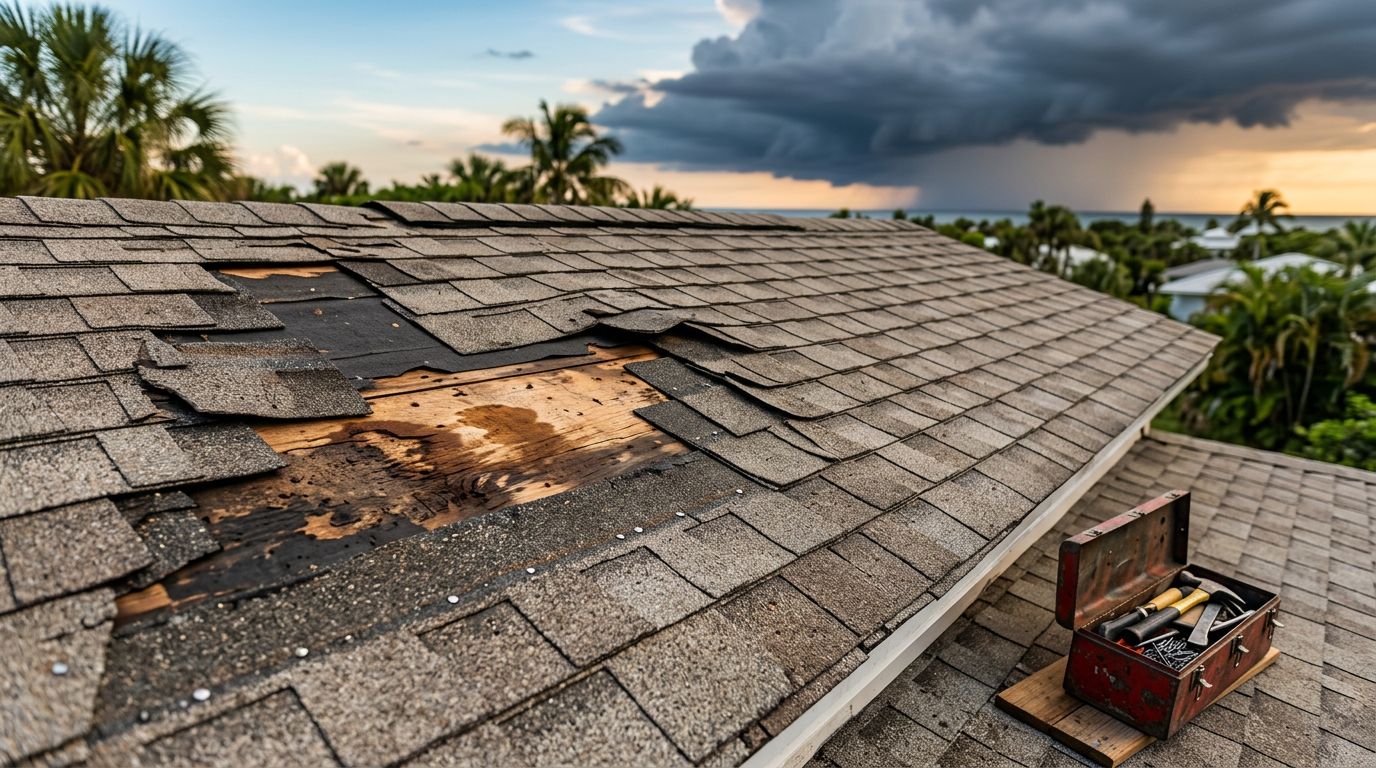
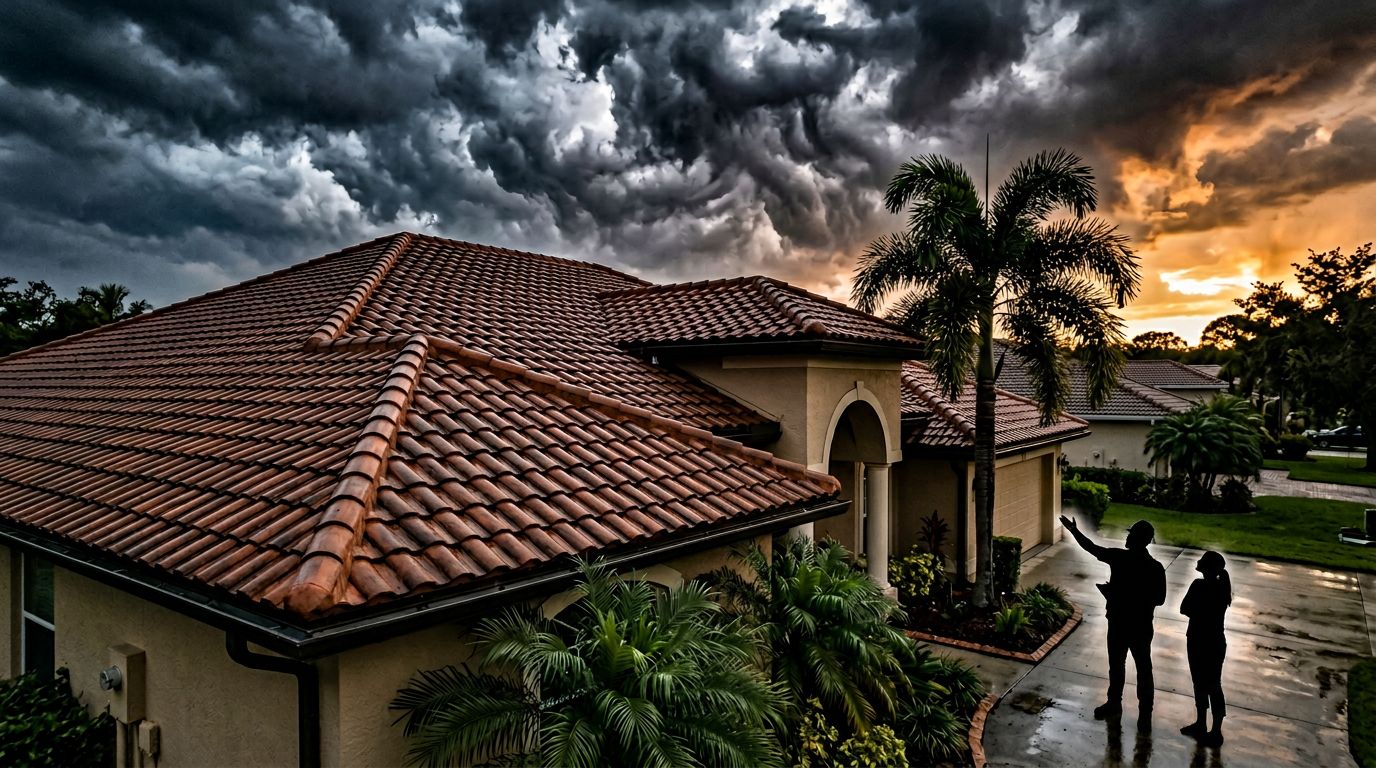
Picture this. A storm rips through Cape Coral. Your roof leaks. A contractor knocks on your door and says, "We'll handle your Florida roofing deductible . Sign here for a new roof." Sounds great, right? But it could land you in hot water.
Florida homeowners face this pitch often after hurricanes. You want repairs fast. Yet offers to waive deductibles raise red flags. They might promise savings now but risk fraud charges later. This post explains the rules, risks, and smart moves. Let's break it down.
Florida Law on Roofers and Insurance Deductibles
Florida bans roofers from waiving or paying your insurance deductible. State law makes it clear. Contractors can't absorb, rebate, or offset that cost to win your job.
Check Florida Statute § 489.147. It requires contracts to warn you about deductibles. Roofers must tell you to verify your policy first. Promises to "eat" the deductible violate this rule. As of April 2026, no changes allow it. Rules target scams after storms.
Why so strict? Insurers set deductibles for a reason. They protect against small claims. When roofers step in, it looks like fraud. Everyone pays higher premiums as a result. Homeowners lose coverage too if caught.
Take a typical shingle roof claim. Your policy has a $2,500 deductible. The roofer says they'll cover it. But their contract can't say that. Instead, it must note your responsibility. Ignore this, and you risk voided work or legal trouble.
Local examples show the pattern. After recent hurricanes, regulators cracked down. They fined contractors for bold deductible promises. Always read contracts closely. Verify with your insurer before signing.
Why Deductible Waivers Count as Insurance Fraud
Think of your deductible like a front-door gate. You pay it before insurance kicks in. Roofers can't pick up that tab legally.
Florida sees this as a kickback. Contractors lure jobs with "free" help. Then they inflate claims to recover cash. Your insurer spots it and denies everything. Or worse, labels it fraud.
Here's a simple comparison:
| Practice | Legal? | What Happens |
|---|---|---|
| You pay deductible directly | Yes | Claim processes normally |
| Roofer "waives" it | No | Fraud risk; possible claim denial |
| Roofer adds to total bill | No | Inflated invoice flags scam |
Data from state regulators backs this. In 2025 alone, thousands of complaints hit about post-storm roofers. Many involved deductible tricks. Honest contractors follow the law. They give clear quotes instead.
Your policy dictates the math. For Florida hurricane deductibles explained for roof claims , a 5% hit on a $500,000 home equals $25,000. No roofer bypasses that.
Real Risks for Homeowners Chasing Deductible Deals
You might save upfront. But fallout hits hard. Insurers cancel policies for fraud ties. Future quotes skyrocket.
Scammers pressure you post-storm. They push assignment of benefits. That lets them bill your insurer directly. Paired with a waiver offer, it screams trouble. Claims get denied for common reasons insurance denies Florida roof claims.
Documentation saves you. Snap photos of damage right away. Note the storm date. Get multiple bids from licensed pros. Check licenses at myfloridalicense.com.
One Cape Coral homeowner shared his story. A roofer promised no deductible. Work started fast. Then the insurer pulled coverage. He paid twice over. Better to pay the deductible yourself. It keeps things clean.
Regulators urge caution. After declared emergencies, you get 10 days to cancel. Use it. Call your agent first.
How Deductibles Fit Into Roof Claims
Deductibles vary. Regular ones run $1,000 to $5,000. Hurricane versions tie to home value: 2% to 10%.
Your declarations page lists them. Pull it out now. See Coverage A for percentage math. A $400,000 home at 2% means $8,000 out-of-pocket.
Claims pay after that. But watch ACV vs RCV roof claims in Florida. Actual cash value deducts depreciation. Replacement cost waits for proof of work.
Roof age matters too. Older roofs face limits. File claims promptly. Delays hurt.
Pros handle supplements for hidden damage. They document for you. Still, you own the deductible.
Steps to Protect Yourself After Roof Damage
Start with safety. Tarp leaks. Dry interiors.
Next, inspect. Schedule a free check from a licensed local roofer. Get written estimates.
Contact your insurer within days. Report the loss. Let them guide scope.
Compare bids. Three minimum. Ask about warranties. See what a Florida roof warranty really covers.
Pay your deductible directly. No side deals. Keep all receipts.
Verify permits. Cape Coral requires them for big jobs.
If suspicious, report to DBPR or Attorney General.
Florida rules change. Check statutes yearly. Talk to your agent.
Roofers can't waive your Florida roofing deductible . It's illegal and risky. Pay it yourself for smooth claims. Document everything. Choose licensed pros. That way, you fix your roof right without future headaches.
Stay storm-ready. Read your policy today.