My Safe Florida Home Grant Roofing Rules For Cape Coral Homeowners
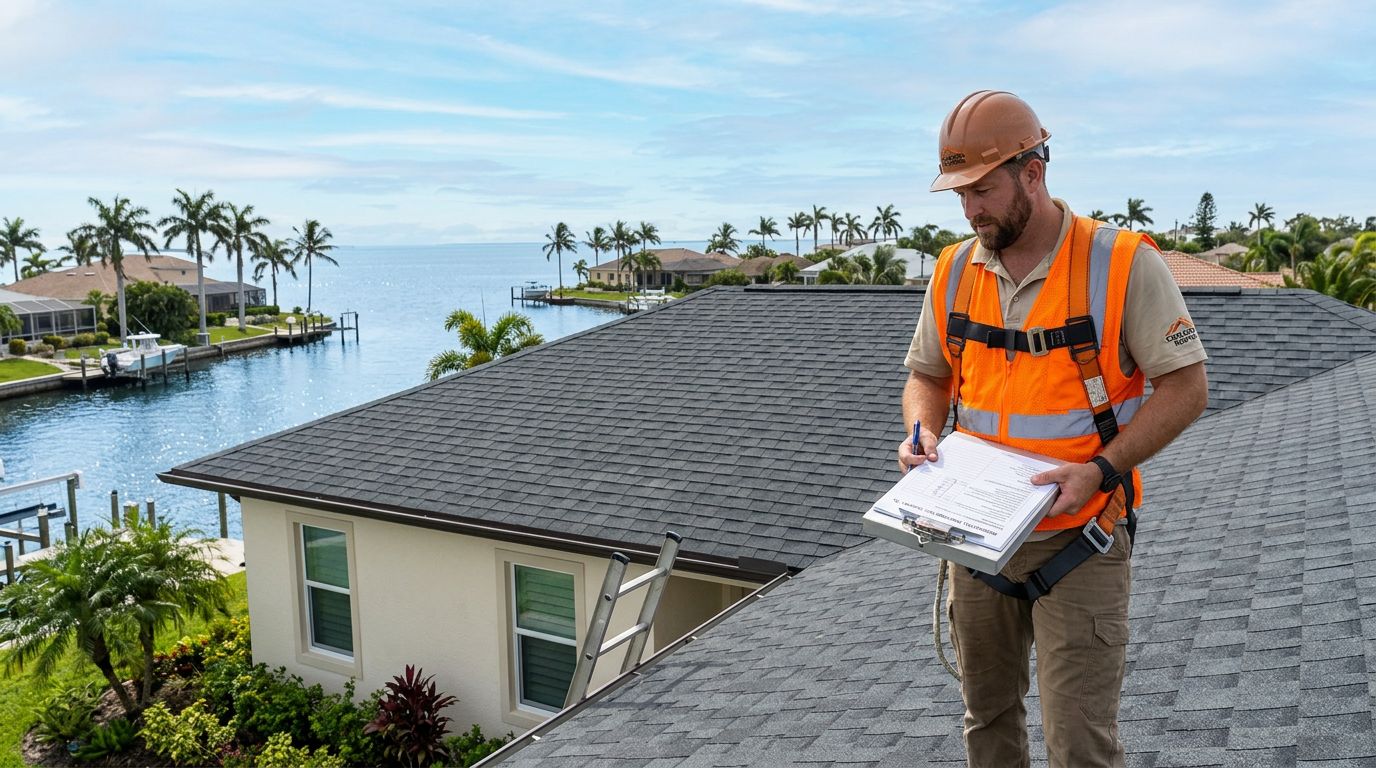
A roof in Cape Coral isn't just "the top of the house." It's the part that takes the first punch from hurricane wind, flying debris, and wind-driven rain. That's why the Safe Florida Home grant (through the My Safe Florida Home program) gets so much attention when homeowners start pricing roof work.
Still, the program has rules, and roofing is where people get tripped up most. Below is a clear, Cape Coral focused guide to what the grant typically allows, what it doesn't, how the process works, and how to protect yourself from bad contractors and bad advice.
Program rules and local permitting requirements can change. Always confirm your current status and requirements inside the My Safe Florida Home portal, and verify permit details with the City of Cape Coral Building Department before work begins.
What the Safe Florida Home grant usually covers for roof work (and what it won't)
The My Safe Florida Home program is built around wind-mitigation improvements , not cosmetic upgrades. As of March 2026, the grant can reimburse eligible work using a matching structure (commonly described as $2 reimbursed for every $1 you spend), up to the program maximum. However, reimbursement only applies to work the program approves, completed the right way, and documented properly.
Here's the key roofing point for Cape Coral: the program is not a roof repair coupon . In recent program guidance, partial repairs and "just replace a section" approaches generally don't qualify. Many homeowners also assume the grant automatically pays for a full roof replacement. Usually, it doesn't.
In plain terms, roof related items that are often part of eligibility include improvements such as roof-to-wall attachments (like hurricane clips) and strengthened roof decking attachment, based on what the wind inspection finds. A full roof replacement may be allowed only in specific situations, such as when it's required to complete other eligible mitigation improvements (not as a standalone "my roof is old" project). That distinction matters a lot when you start getting bids.
A few common "rule reality checks" to keep expectations on track:
- Inspection comes first : You typically must complete the program's wind-mitigation inspection before you can move into the grant stage.
- Eligibility is tied to the property : Requirements often include homestead status, an older permit date (many program cycles reference pre-2008 permits), and an insured value cap unless you meet low-income exemptions.
- Reimbursement depends on proof : If you can't document scope, permits, invoices, and completion, you can lose eligibility for reimbursement.
If you're budgeting around grant funds, keep a backup plan ready. For options that can bridge the gap, see these local tips on financing a roof replacement in Cape Coral.
Cape Coral roofing rules that affect grant projects: permits, code, and inspection details
Even when the grant approves a roof related improvement, Cape Coral still expects the work to follow permitting rules and the Florida Building Code. Think of the grant as "who may help pay," while the city decides "what must be built, and how."
Most roof replacements in Cape Coral require a permit, and the city can require inspections at key points. If a contractor suggests skipping the permit to "save time," that's a red flag. It can also create problems later with insurance, resale, and grant documentation. If you want a straight answer on what typically needs approval locally, start with roof replacement permits in Cape Coral.
Code details matter more than most homeowners expect. Cape Coral sits in a high-wind region, so inspectors often focus on:
- Deck condition : Rotten or soft sheathing usually can't be covered up.
- Attachment schedules : Fastener type and spacing can be inspection pass or fail.
- Dry-in and underlayment : Secondary water protection details can get extra scrutiny.
- Product approvals and paperwork : Missing documents can delay sign-off.
In 2026, code updates and enforcement habits can affect re-roof paperwork and job flow. If you want to understand what may change during a re-roof year, read 2026 Florida Roofing Code updates for Cape Coral re-roofs.
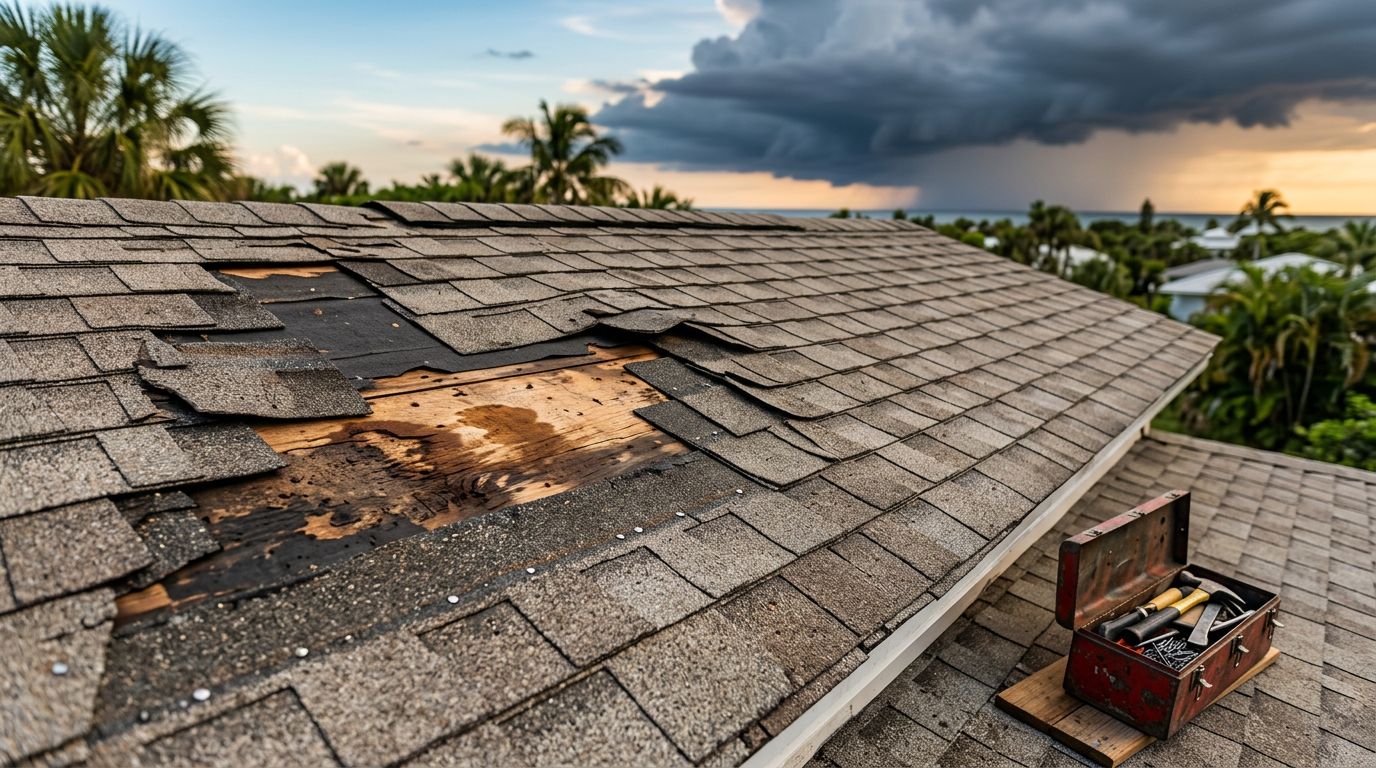
Finally, remember the practical side. A "simple" re-roof can turn into a bigger job once the old material comes off. If the deck needs repairs, the schedule and price can move fast. That's normal, but it should be explained up front.
Step-by-step: how Cape Coral homeowners typically use the grant for roofing related upgrades
The safest way to treat the Safe Florida Home grant process is like a two-lane road: one lane is the program's steps, and the other lane is your construction plan (permits, contractor schedule, inspections). You need both moving together.
A simple, homeowner-friendly sequence
- Confirm basic eligibility Check homestead status, insured value limits (if applicable), and the home's original permit era. Then watch for any priority group rules in the portal. Recent cycles have used staggered openings based on age and income, so timing can matter.
- Request the program wind-mitigation inspection This inspection is the foundation. It identifies which wind features your home has and which upgrades may help.
- Review the inspection report with a roofing pro Don't just skim it. A roofer can translate the report into real scope and tell you what's realistic for your roof type.
- Choose a properly licensed contractor Ask for the contractor's Florida license number and verify it through the Florida DBPR license lookup before you sign anything. Also confirm insurance.
- Build a grant-friendly scope of work The scope should match eligible improvements. If a full replacement is involved, make sure it's justified and documented the way the program expects.
- Pull permits, complete the work, and pass inspections Keep copies of permits, inspection results, invoices, and photos. Good documentation helps with both reimbursement and insurance discounts.
- Submit for reimbursement exactly as required Follow the portal instructions and timelines. Don't assume "close enough" paperwork will work.
Here's a quick checklist to keep on your fridge during the project:
- Permit number and permit holder name
- Contractor license verification saved as a PDF or screenshot
- Line-item invoice showing eligible work clearly
- Inspection sign-offs from the city
- Final paid receipt and warranty documents
For storm readiness planning while you're improving your roof system, this guide on hurricane-proof roofing for Cape Coral homes can help you connect the dots between upgrades and real wind performance.
Insurance credits, wind mitigation forms, and scam avoidance in Cape Coral
Grant work and insurance savings often travel together, but they're not the same thing. After mitigation upgrades, many homeowners pursue insurance credits using a wind-mitigation inspection (often documented on Florida's Uniform Mitigation Verification Inspection Form, commonly referenced as OIR-B1-1802). Your insurer may request specific photos and proof of permit closure, so save everything.
A clean process usually looks like this: you complete the work, the city signs off, your documentation package is organized, then your insurance agent tells you what to submit and how. If your premium changes, it might take a renewal cycle to show up. Keep your expectations realistic, but don't skip the paperwork.
Now the hard truth: grant programs attract scammers. Some contractors pitch "free roofs" or pressure you to sign fast because "funds end tonight." That's how homeowners get stuck with bad installs, permit problems, or surprise bills.
Use this short anti-scam checklist before you commit:
- No license, no deal : Verify the license with DBPR, and confirm the qualifier matches the company name.
- Don't pay in full up front : A reasonable deposit is normal, full payment before work is not.
- Permit promises in writing : The contract should say who pulls the permit and when.
- Avoid vague scopes : "Replace roof as needed" is not a real scope.
- Be wary of door-to-door storm chasers : Especially if they won't provide a local address.
If someone pressures you to bypass permits or "backdate" paperwork, end the conversation. That shortcut can cost you far more than the grant can ever save.
Conclusion
The Safe Florida Home grant can be a real help for Cape Coral homeowners, but roofing rules are strict and paperwork heavy. Start with the program inspection, match your scope to eligible mitigation upgrades, and follow Cape Coral permitting rules to the letter. When in doubt, verify details with official program guidance and the local building department, then choose a licensed roofer who documents everything. Your roof has one job in a storm, staying put, so it's worth doing the right way.