Roof Certification Letters in Florida (2026), What Insurers Want, What a Roofer Checks, and How Long It’s Good For

If your Florida insurance renewal is coming up and your roof is not brand-new, there’s a good chance you’ll hear about a roof certification letter . It can feel like your roof is being asked to “show its ID” before your insurer will keep coverage in place.
In 2026, carriers are still tightening underwriting in storm-prone areas. That means the details on a roof certification letter Florida homeowners submit matter more than ever, down to photos, dates, and how remaining life is stated.
Below is what insurers commonly want, what a licensed roofer usually checks, and how long the letter is typically considered valid.
What insurers want from a roof certification letter in 2026 (and what’s statewide vs. company policy)
A roof certification letter is not a single statewide form with one rulebook. It’s usually an underwriting document a specific carrier asks for, often when the roof is older, the roof type is hard to verify, or the home is changing insurers.
What is statewide is the way Florida handles certain insurance inspection documentation. For example, Florida’s Office of Insurance Regulation publishes the Uniform Mitigation Verification Inspection Form (OIR-B1-1802). That form is used for wind mitigation discounts, and it spells out documentation expectations like photos, and it states the form can be valid for up to five years if no material changes occurred (see the official OIR-B1-1802 form PDF ). That’s wind mitigation, not a roof certification letter, but it shows the “prove it with documentation” mindset many carriers use.
In practice, many insurers want a roof certification letter to answer a few plain questions:
- What roof covering is it (shingle, tile, metal, flat)?
- What’s the age (or best estimate with support)?
- Is it in serviceable condition today?
- How many years of remaining useful life does the signer believe it has?
Local code and permitting also shape what a carrier expects. In a changeover year, roof work may get more scrutiny, and homeowners may need better documentation. If you’re planning work soon, it helps to understand New Florida building code rules for re-roofing and how they affect proof, permits, and closeout packets.
Insurer Requirements Checklist (what usually gets a “yes”)
- Property address exactly as shown on the policy
- Inspection date and letter date
- Roof covering type and an estimated roof age (with how it was determined)
- A clear remaining useful life (RUL) statement in years
- Notes on visible defects (or that none were observed at time of inspection)
- Photos (overview and close-ups of key details)
- License number , company name, contact info, and signature
Always confirm your carrier’s current requirement with your agent, since company rules can differ even inside the same insurance group.
What a roofer checks (and how they document it so underwriting can trust it)
A good roof certification isn’t just someone squinting at shingles from the driveway. Insurers want a letter that matches what a professional actually saw, and how they reached their opinion.
Exterior roof surface and “field” condition
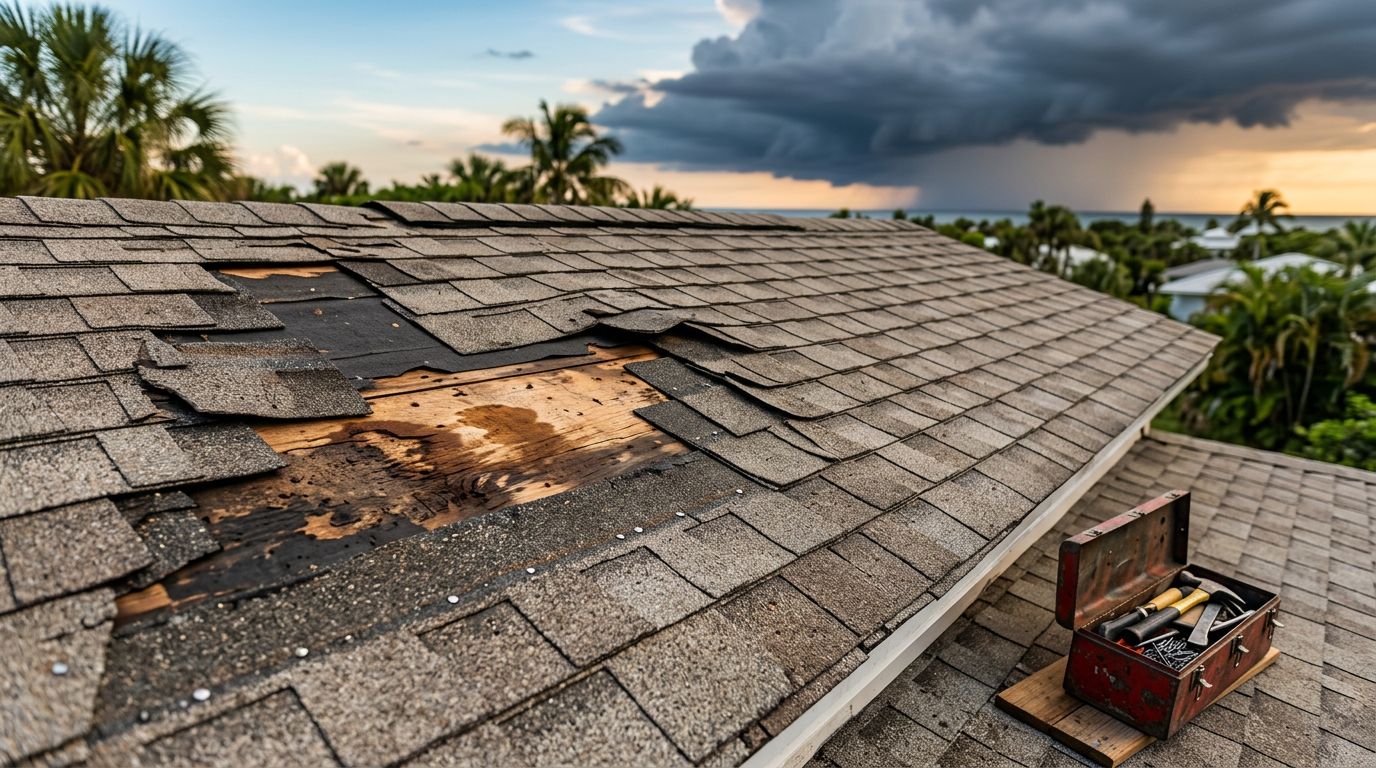
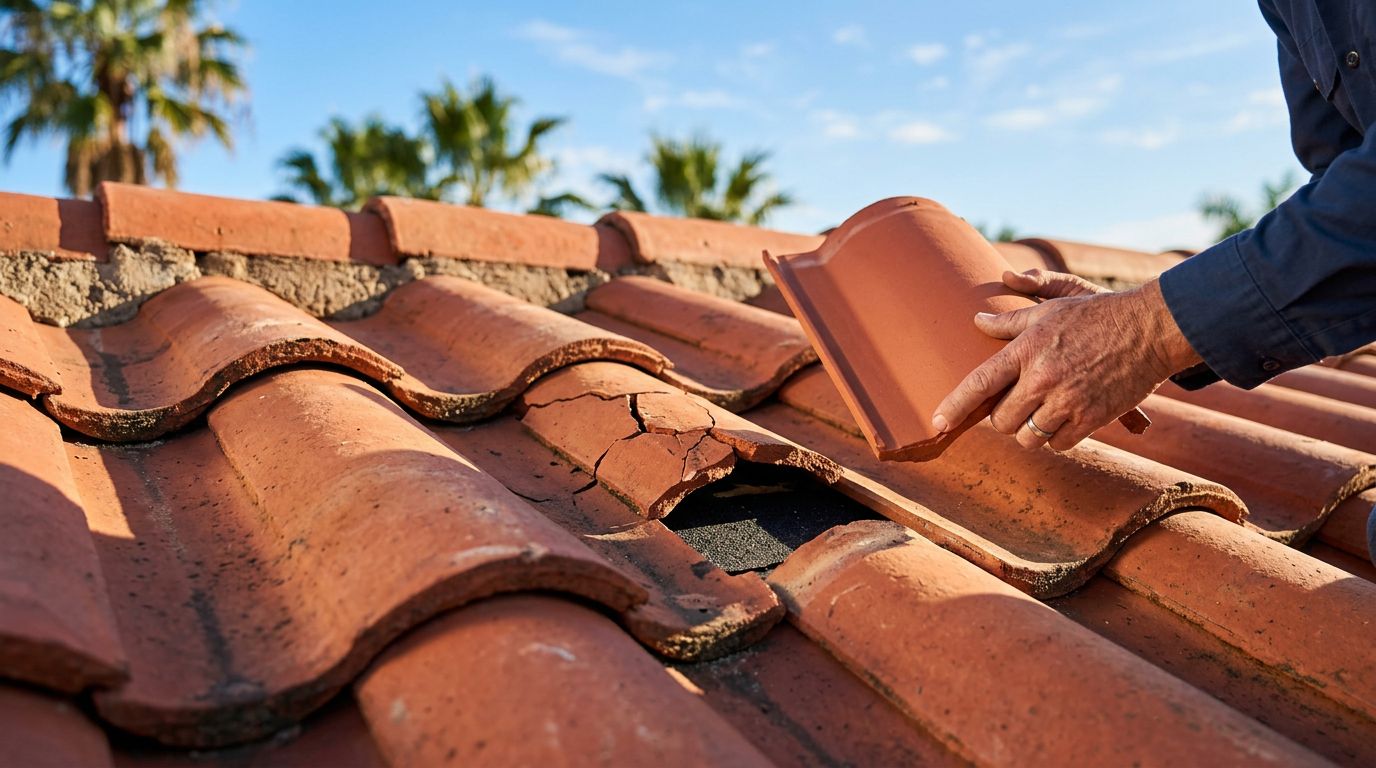
A roofer typically checks for missing, lifted, or creased shingles, brittle areas, granule loss, exposed fasteners, cracked or displaced tiles, corrosion on metal panels, and soft spots that hint at deck issues. They’ll also look for storm impact signs and any prior patchwork that could fail in wind-driven rain.
Flashing, edges, and penetrations (where leaks love to start)
Most roof leaks don’t begin in the middle of a roof plane. They start where materials change direction or something sticks through the roof. Expect the roofer to inspect:
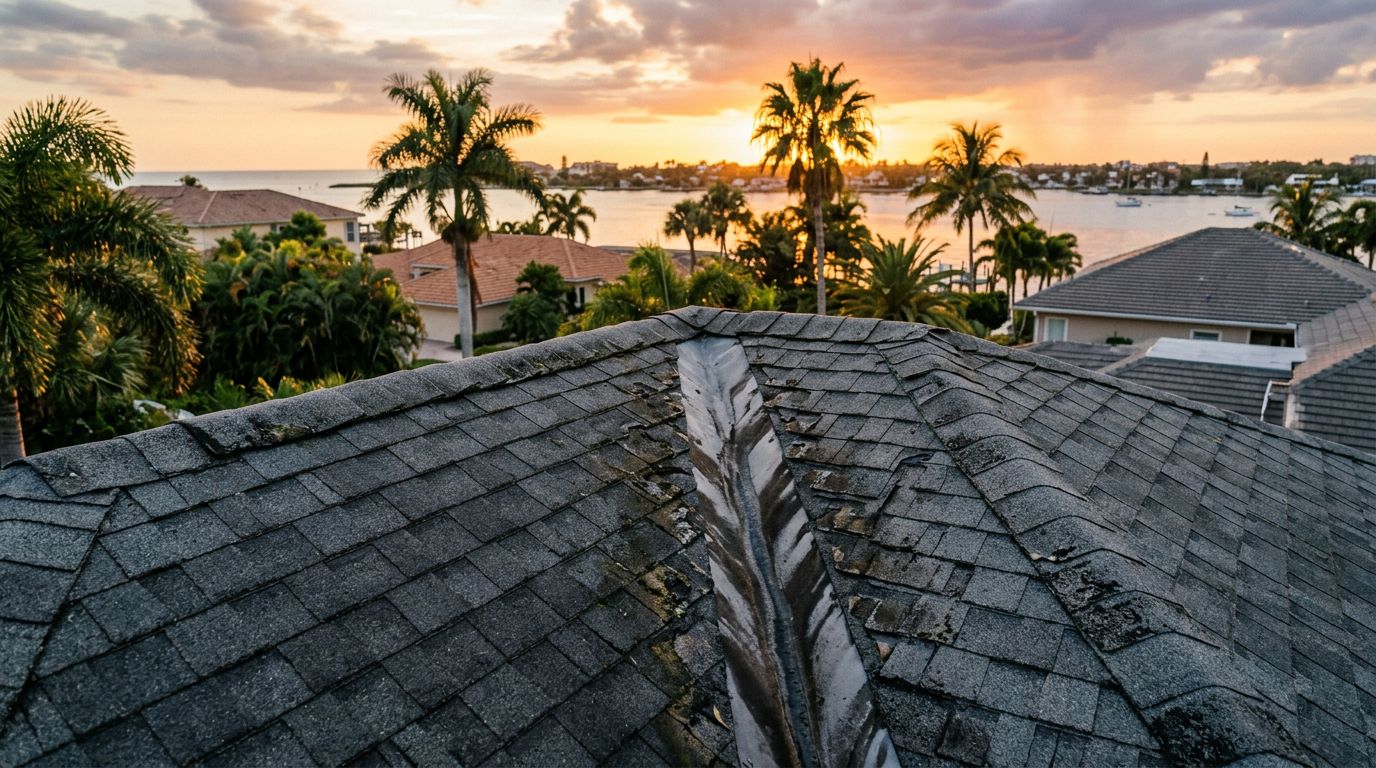
- Valleys for rust, holes, or improper lining
- Step and counterflashing at walls and chimneys
- Drip edge and roof edges for secure attachment and water management
- Penetrations like plumbing vents, exhausts, skylights, and satellite mounts for cracked boots, failing sealant, or loose fasteners
Gutters and drainage
Gutters and downspouts are not “extra,” they’re the roof’s drainage system. Overflow stains, pulled-away sections, and clogged runs can point to water backing up under edges. A roofer may note debris, sagging, or poor slope.
Interior ceilings, attic, and structure clues
If the inspection includes interior access, the roofer often checks ceilings for stains, active drips, and musty odors. In the attic, they look for wet decking, mold growth, nail pops with rust halos, and daylight at penetrations. They also note ventilation issues, since heat and moisture can shorten roof life fast in Florida.
Photo documentation that matches what carriers review
Photos are often what makes the difference between “accepted” and “rejected.” Many carriers expect clear images similar to the documentation standards seen on official insurance forms (Citizens, for example, publishes the Uniform Mitigation Verification Inspection Form , which requires at least one photograph). For roof certification letters, insurers commonly want multiple roof slope photos plus detail shots of problem areas or critical components.
If you’re hiring someone for this, use a contractor-selection filter that prioritizes licensing, documentation habits, and clear scope, like this guide on choosing the best Cape Coral roofer.
How long a roof certification letter is good for (typical ranges, and why your insurer has the final say)
Homeowners often ask for an exact expiration date. The reality is closer to a carton of milk than a driver’s license: the “good until” depends on who’s consuming it and what they require.
Most carriers treat a roof certification letter as time-sensitive because roof condition can change quickly in Florida, especially after a tropical storm, a hail event, or even a season of intense heat.
Here’s what’s typical in 2026, but carrier discretion rules :
| Scenario | Typical acceptance window |
|---|---|
| New letter for underwriting review | 30 to 180 days from inspection date |
| Renewal documentation for an older roof | Often 6 to 12 months |
| When paired with strong supporting docs (permits, invoices, photos) | Sometimes up to 1 to 2 years |
Some insurers focus less on “letter age” and more on the RUL stated in the letter (for example, requiring the roof to have a minimum number of years remaining). That’s why two homeowners on the same street can get different answers.
Tips to avoid rejection or re-requests
Small omissions cause most problems. Before your roofer sends the letter, ask them to include:
- Florida license number , and verify it matches the company name on the letter
- The exact insured address , including unit number if applicable
- Roof material and system type (shingle, tile, metal, modified bitumen, TPO, etc.)
- Estimated installation year and how it was verified (permit history, invoice, visual assessment)
- A plain RUL statement like “estimated remaining useful life: X years”
- A short limitations note (example: “visual inspection only, no destructive testing”)
- Photo set labeled by elevation or slope, plus close-ups of flashing and penetrations
- Printed name, signature, and date
If repairs or replacement are needed, permitting and closeout paperwork can matter later. If you’re in Southwest Florida, review roof replacement permit requirements in Cape Coral before work starts so you’re not chasing documents at renewal time.
Conclusion (and a quick disclaimer)
A roof certification letter Florida insurers accept in 2026 is all about clarity: who inspected, what they saw, how the roof is built, and how much life is realistically left. Get the details right, include strong photos, and confirm your carrier’s exact rules with your agent before you pay for an inspection.
Disclaimer: This article is general information, not legal or insurance advice. Insurance underwriting rules vary by carrier, property, and policy, and requirements can change. Always confirm documentation requirements with your insurer or licensed agent.