Roof Ventilation in Cape Coral, FL, Ridge Vents vs. Box Vents vs. Solar Attic Fans (what works in high-heat homes)

If your Cape Coral home feels hard to cool, your attic might be the reason. In Southwest Florida, the attic can act like a parked car in the sun, heat builds fast, and it doesn’t just make your AC work harder. It can also age shingles, underlayment, and roof decking sooner than you’d expect.
Good cape coral roof ventilation is less about “adding a vent” and more about building a balanced system. The goal is steady airflow that moves heat and moisture out, without sucking air from the house or letting wind-driven rain in during storms.
Why Cape Coral attics run hotter (and why balance matters)
Cape Coral heat is intense, but humidity is the twist. Hot air carries moisture, and that moisture can condense when temperatures swing, like when evening rain cools the roof deck. Over time, that can mean moldy sheathing, rusty nails, and damp insulation that stops insulating.
Most residential venting rules in Florida follow the Florida Building Code concept of net free vent area (NFVA) . A common requirement is 1 square foot of NFVA per 150 square feet of attic floor , split so about half is intake (soffits/eaves) and half is exhaust (near the ridge). Requirements can change by roof type and details, so it’s smart to verify what applies to your home and permit scope.
A quick example: a 1,500 square foot attic often needs about 10 square feet of total NFVA, about 5 for intake and 5 for exhaust. The catch is that the number on the vent box is what matters, not the vent’s outside size.
If your project includes new roof penetrations or a full replacement, expect permitting and inspection to be part of it. This overview of roof replacement permits in Cape Coral helps set expectations (always confirm current city requirements and HOA rules).
Ridge vents vs. box vents vs. solar attic fans (how they compare)
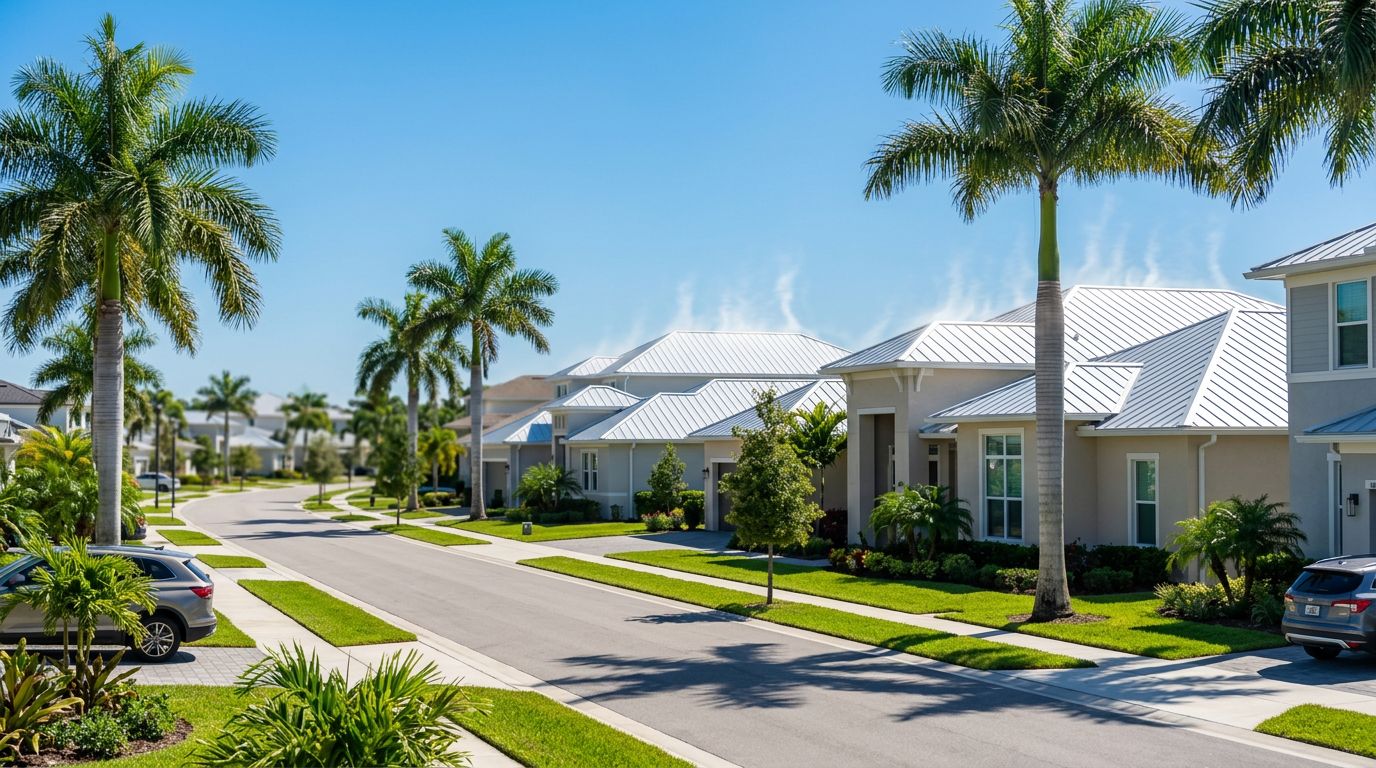
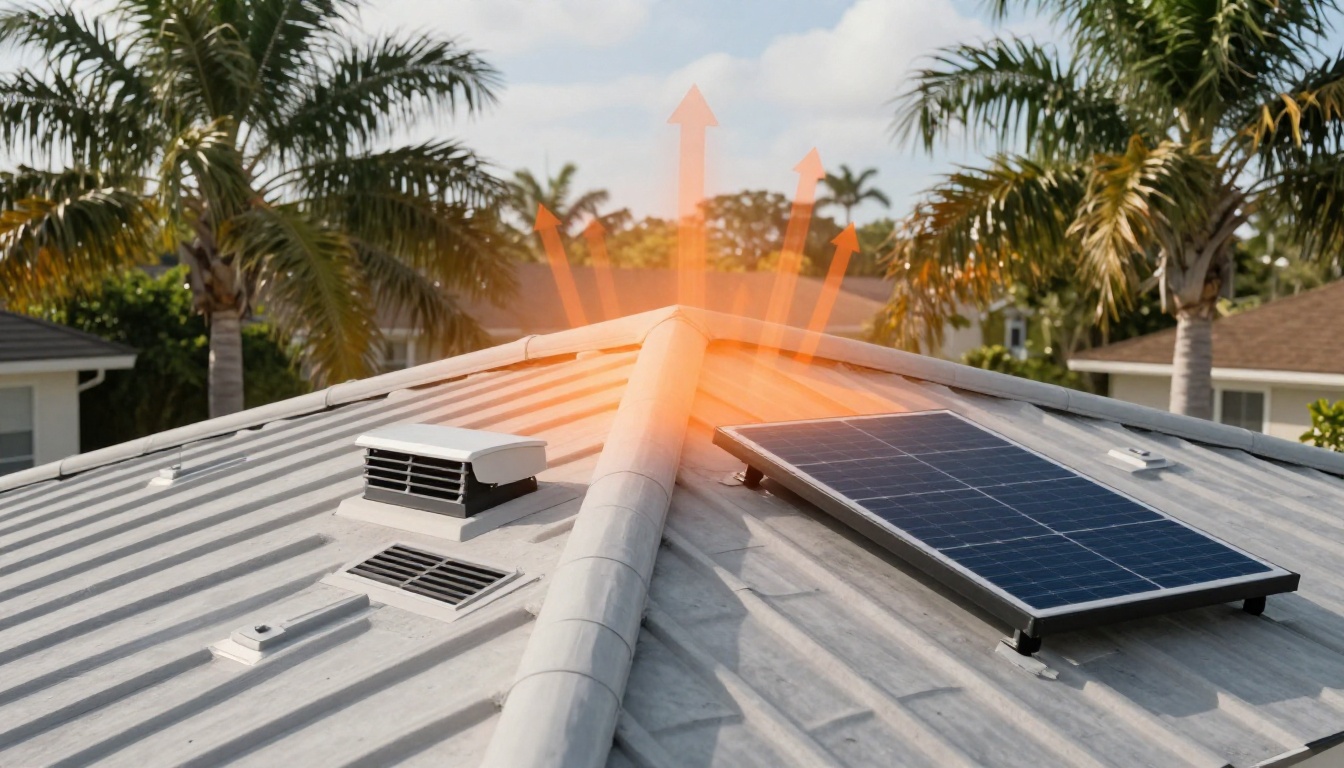
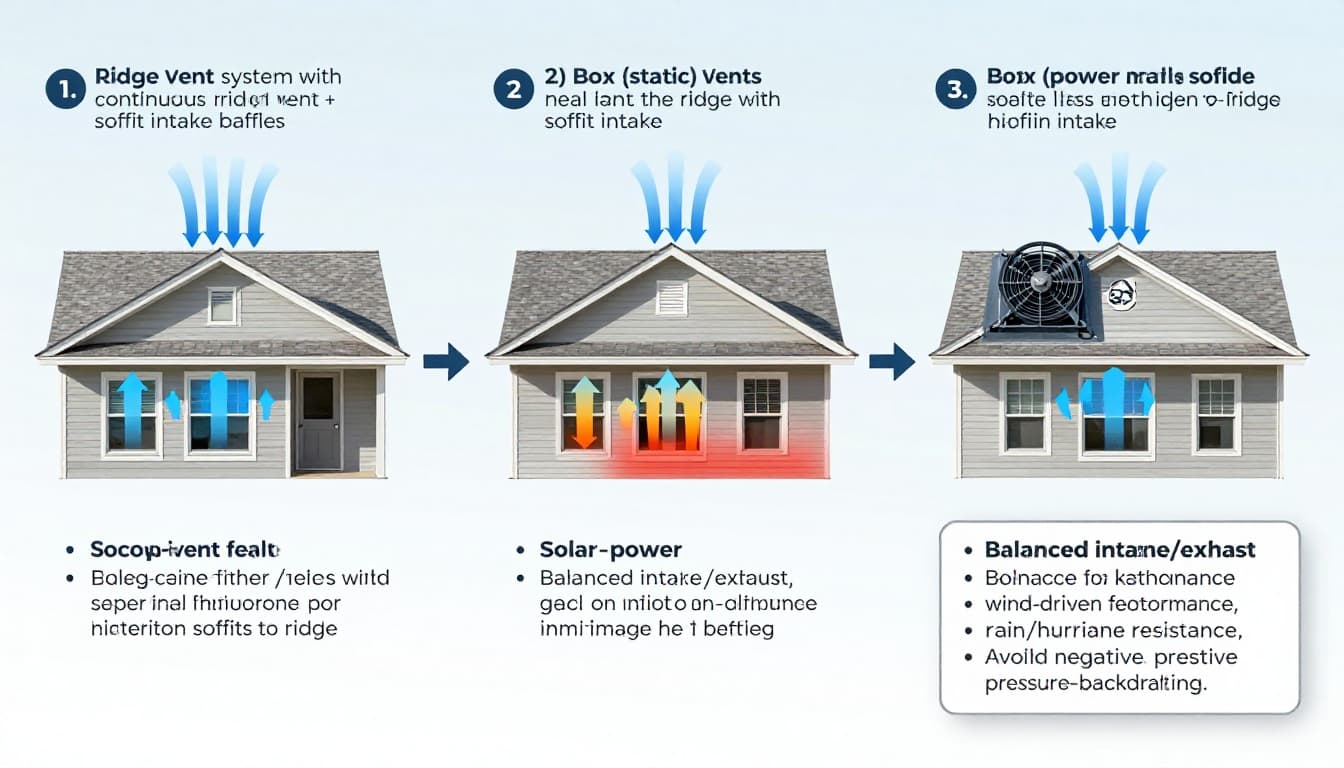
Side-by-side view of how ridge vents, box vents, and solar attic fans move air through a hot Florida attic, created with AI.
Here’s the plain-English difference: ridge vents exhaust evenly along the peak, box vents exhaust at a few spots, and solar attic fans actively pull air out when the sun is strong.
| Option | What it does best | Watch-outs in Cape Coral |
|---|---|---|
| Ridge vent (continuous) | Even exhaust across the whole attic | Needs strong soffit intake and proper baffles |
| Box vents (static) | Simple exhaust when a ridge vent isn’t possible | Can short-cycle airflow, more penetrations to flash |
| Solar attic fan (powered) | Extra pull during peak sun and high attic temps | Can create negative pressure if intake is weak |
Ridge vents (best all-around when the roof allows it)
For many high-heat homes, a ridge vent paired with open soffits is the cleanest setup. It’s low-profile, works across the full ridge line, and tends to ventilate more uniformly than spot vents.
In storm country, product choice and install details matter. Look for ridge vent systems designed to resist wind-driven rain intrusion , with external baffles and proper end plugs. A well-installed ridge vent should not be a “rain slot.”
Box vents (good in specific layouts)
Box vents are the classic “turtle vents.” They can work well on roofs with little or no ridge line, or where ridge venting is blocked by design.
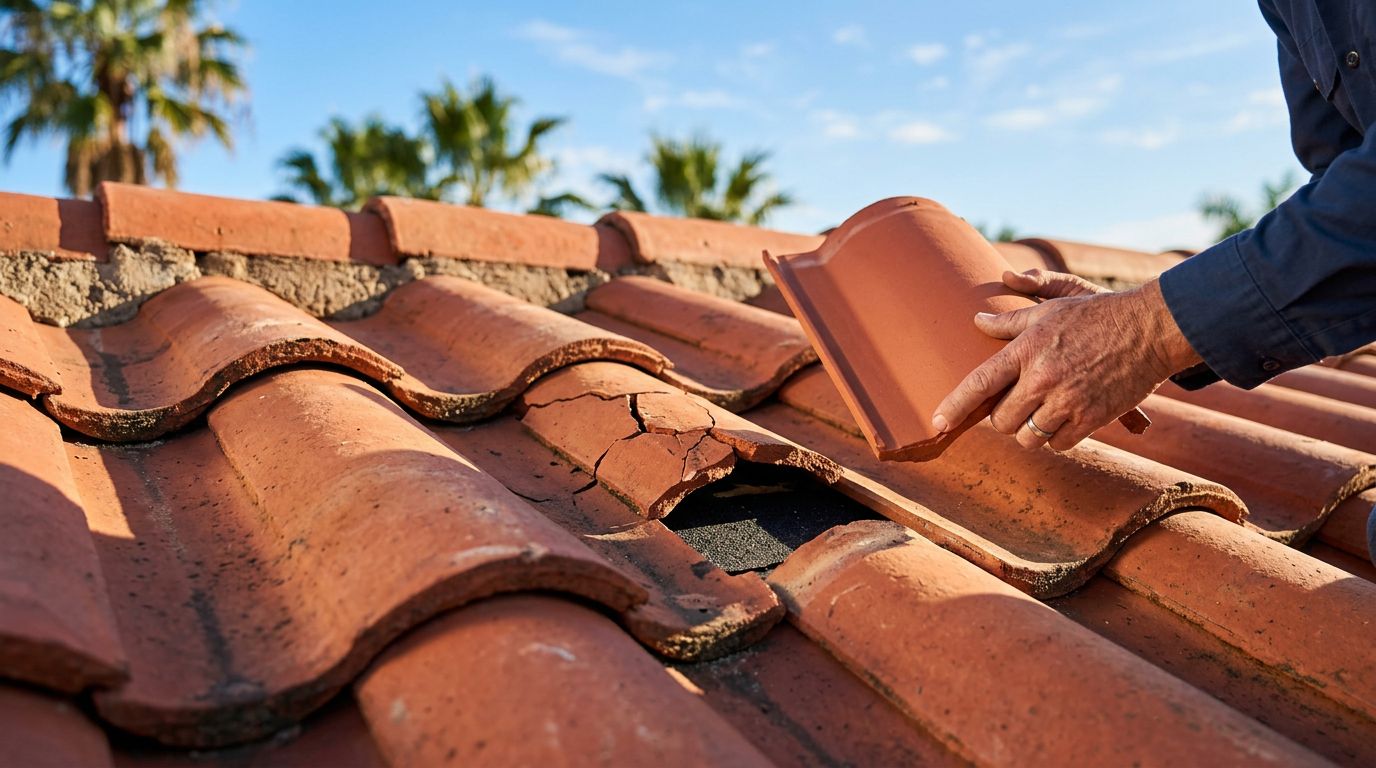
The downside is airflow can be uneven. If vents are clustered or too low on the roof, they may pull air from nearby vents instead of drawing fresh air from soffits. Also, each box vent is a roof penetration that must be flashed correctly to avoid leaks, especially after tropical wind events.
Solar attic fans (useful, but only with a plan)
Solar fans can make sense when attic temps are extreme, the attic is large, or there are complex roof lines that don’t vent evenly. Because they ramp up when the sun is hottest, they can reduce peak attic heat.
But powered exhaust changes the “pressure story.” If soffit intake is limited, the fan may pull air from the easiest place it can, which could be bath fan ducts, recessed lights, or other small leaks into the attic. In a humid climate, that can mean more moisture where you don’t want it.
If you’re already planning roofing work, this step-by-step roof replacement process in Cape Coral is a helpful way to understand how ventilation upgrades fit into the bigger job.
Humidity, salt air, and storms: what can go wrong
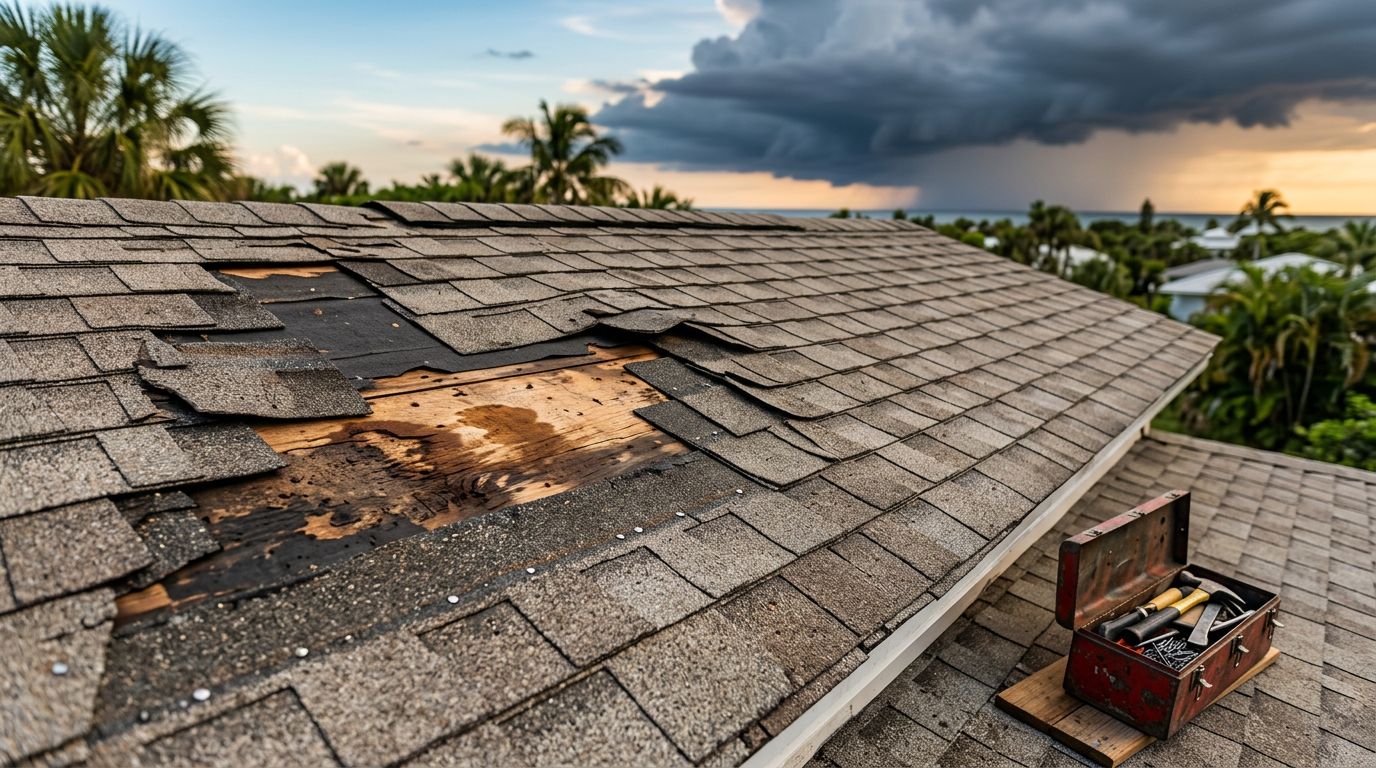
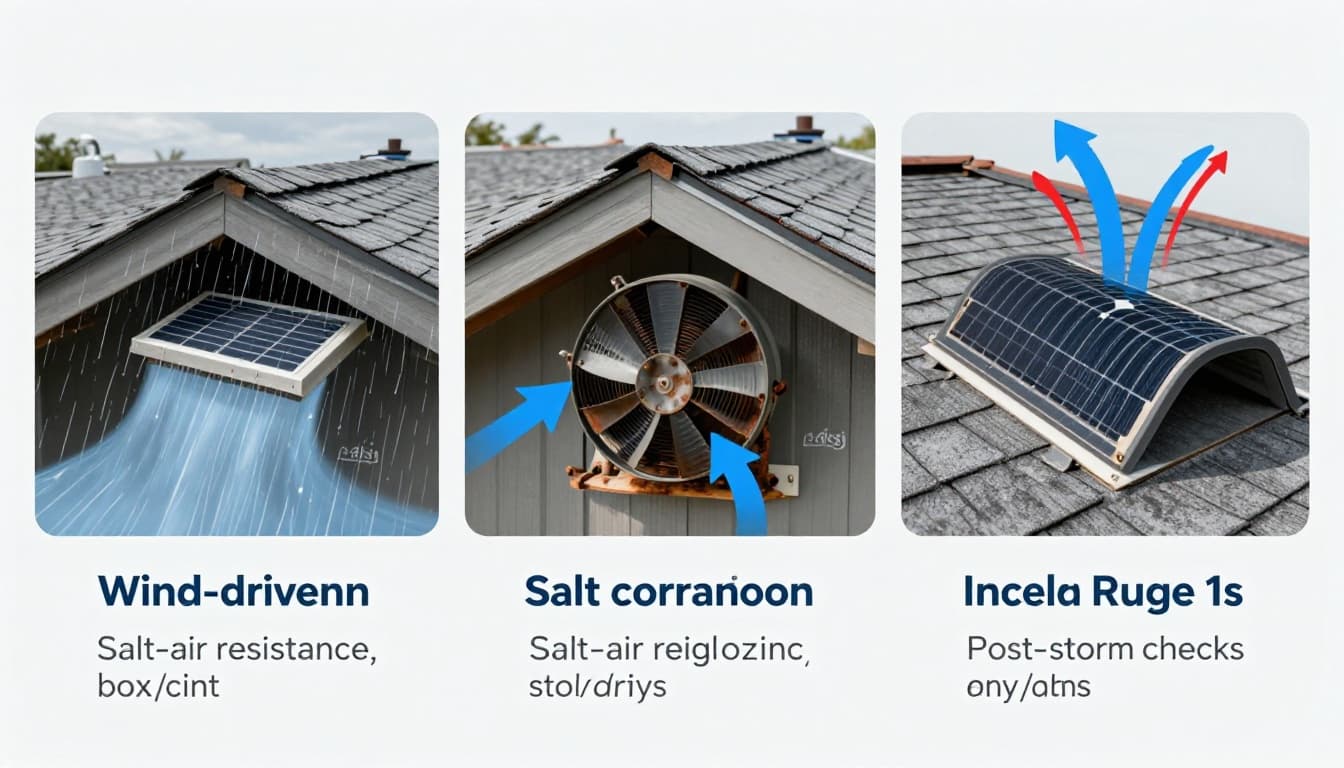
Common post-storm ventilation issues, including water intrusion and corrosion, created with AI.
A ventilation system can look fine from the street and still fail in the attic. These are the big Cape Coral-specific problems that show up again and again:
Moisture and condensation: If the attic is humid and airflow is weak, moisture can condense on nails, straps, and the underside of the roof deck. You might notice rust, a musty smell, or dark staining on wood. Ventilation helps, but so does air-sealing ceiling leaks and making sure bathroom fans actually vent outdoors.
Salt-air corrosion: Coastal salt speeds up corrosion on cheap metal vent parts, fasteners, and fan housings. If you choose box vents or a solar fan, ask about corrosion-resistant materials and hardware. If you already have a solar fan, check the housing and fasteners for rust and looseness.
Wind-driven rain intrusion: During tropical storms and hurricanes, rain moves sideways. Poorly flashed box vents, low-quality vent caps, or missing baffles can let water in. After a storm, check for wet insulation and water trails around vent openings.
Post-storm performance: Even if there’s no leak, debris can clog screens and reduce airflow. This is a good time to review your overall roof hardening plan, including vents, flashing, and edge details. This guide to hurricane-proofing roofs in Cape Coral covers common weak points to address before the next season.
(If you’re curious how roofers argue about mixing powered fans with passive vents, there’s a lively roofing industry vent fan discussion that highlights why planning the whole system matters.)
Check your attic before you buy a vent upgrade
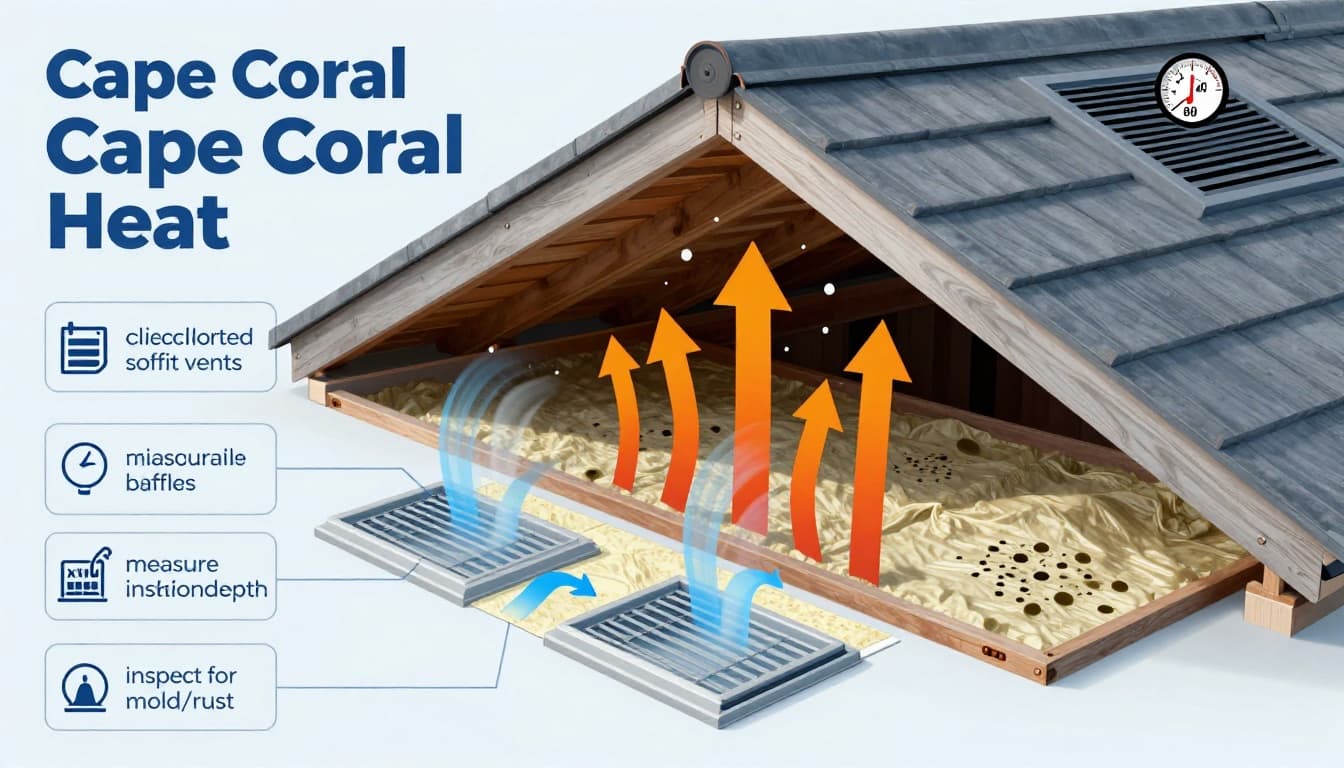
What to look for in a hot, humid attic, including intake blockage and moisture clues, created with AI.
Before you pick ridge vents, box vents, or a solar fan, take 10 minutes in the attic (or have a pro do it). You’re looking for the “why,” not just the symptoms.
Here’s a simple homeowner checklist:
- Soffits open or blocked? Look for insulation stuffed into the eaves, painted-over vent holes, or insect screens packed with debris.
- Baffles present at the eaves? If insulation is high, you need baffles to keep an air path from soffit to attic.
- Signs of heat stress: Overheated attic, curling roof nails, brittle duct wrap, or a ceiling that feels warm indoors.
- Signs of moisture: Rusty nail tips, dark staining on wood, damp insulation, or a musty odor.
- Fan and duct basics: Bathroom fans should vent outside, not into the attic.
When to call a pro (don’t wait on these)
- You see mold , widespread dark staining, or damp insulation.
- Nail tips and metal straps show heavy rust across large areas.
- You have roof leaks around vents, or you notice staining after storms.
- Your attic has a powered fan and you suspect backdrafting or air being pulled from the house.
- You’re changing vent types during a roof replacement and want it done to code.
If the roof is nearing the end of its life, vent upgrades often make the most sense as part of a larger plan. This roof repair vs. replacement guide for Cape Coral can help you decide when it’s worth investing in a full system refresh.
Quick Cape Coral FAQ
Is a ridge vent always better than box vents?
On many homes, yes, because it exhausts evenly. If your roof has little ridge length, box vents can be the practical choice.
Can I run a solar attic fan with a ridge vent?
It depends on the layout and intake. Many times it’s a bad mix because the fan can pull air from the ridge vent instead of the soffits, which wastes airflow and can pull moisture from the house.
How do I know if soffit intake is “enough”?
If you have strong exhaust but weak intake, airflow stalls. A pro can calculate NFVA and inspect soffit blockages and baffle spacing.
Do HOAs allow solar attic fans?
Some do, some don’t. Many HOAs care about visibility, color, and roof penetrations. Get written approval before scheduling work.
Conclusion
In Cape Coral, ventilation isn’t just about lowering attic temps. It’s about controlling heat and humidity without creating leak risks or pressure problems. Ridge vents with solid soffit intake are often the best fit for high-heat homes, box vents can work when ridge venting isn’t an option, and solar attic fans can help when they’re planned into a balanced system. If your attic shows moisture, rust, or storm-related issues, get it evaluated before you spend money on the wrong fix.