Roof decking replacement in Cape Coral, FL, when inspectors require new sheathing, how to spot rot, and what it costs

If you’re replacing a roof in Cape Coral, the part you don’t see can be the part that changes everything. Roof decking replacement happens when the wood sheathing under your shingles, tile, or metal isn’t solid enough to build on.
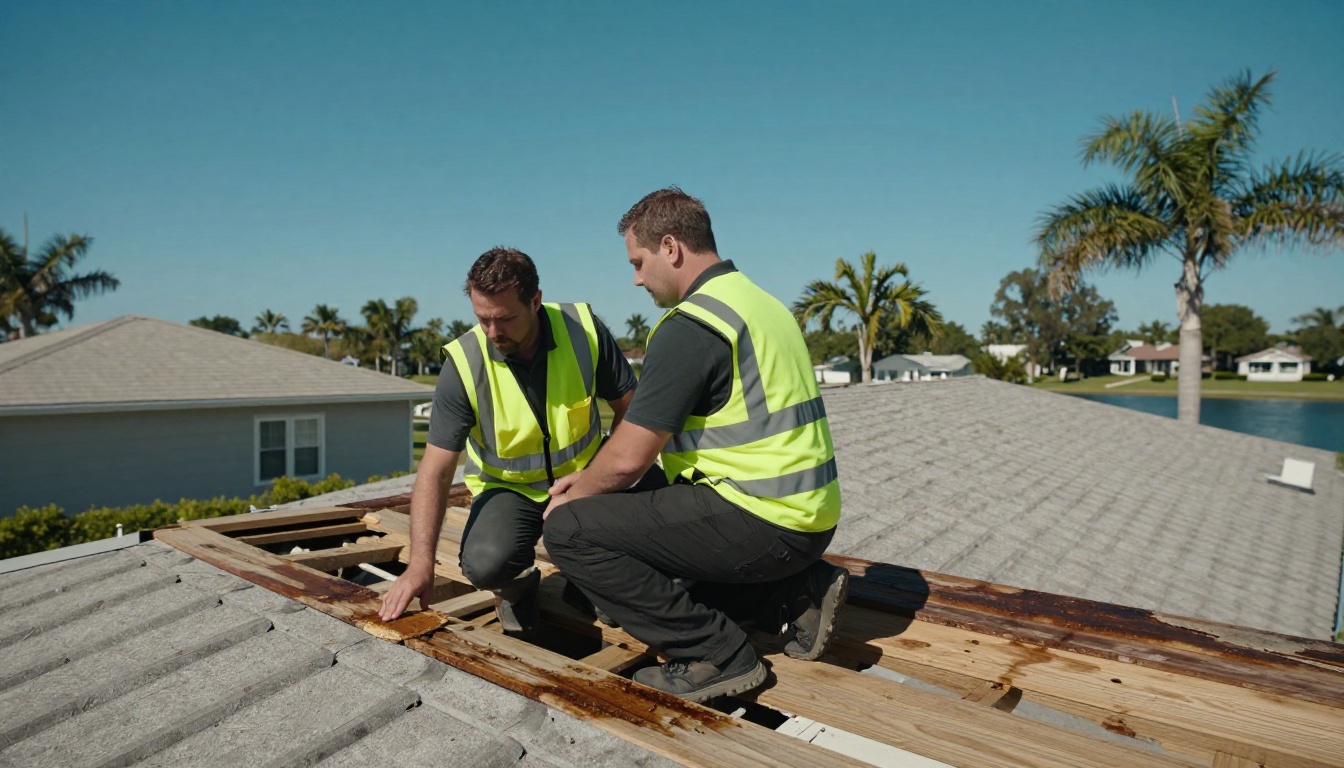
Sometimes homeowners find out the hard way, mid tear-off, when an inspector (or your roofer) points to soft spots and says the words nobody wants to hear: “That has to be replaced.”
This guide explains when inspectors in Cape Coral and Lee County typically require new sheathing, how to spot roof deck rot early, and what decking replacement costs in 2026, with real-world variables that change the price fast.
When Cape Coral and Lee County inspectors require new roof sheathing
Think of roof decking like the floor under carpet. You can swap the carpet all day, but if the floor is mushy or broken, you’re not done.
During a permitted roof replacement, inspectors generally expect the deck to be sound, dry, properly fastened, and able to hold the new roof system . If it’s not, they can require replacement before the job moves forward.
Common reasons inspectors call for roof decking replacement include:
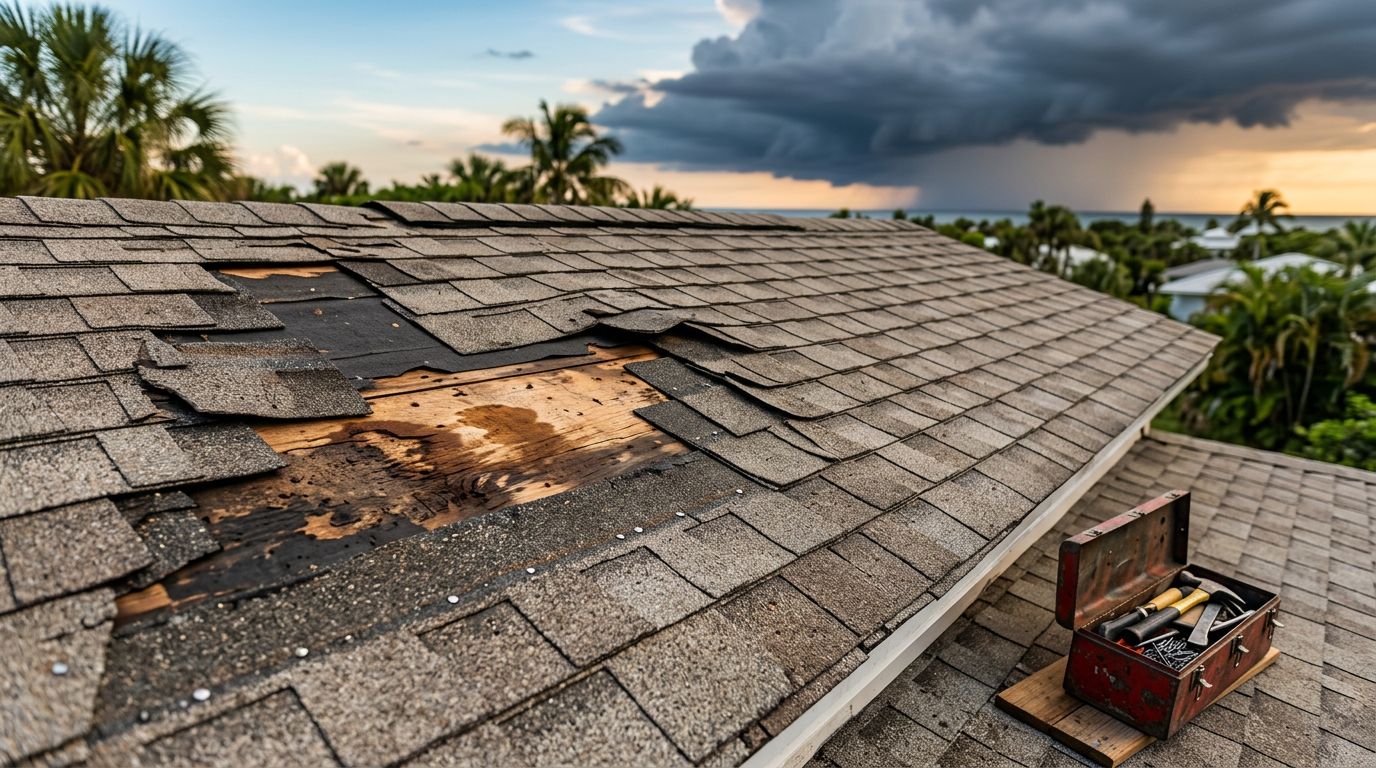
- Rot or softness : Any section that compresses under light pressure, crumbles, or has advanced water damage.
- Delamination or swelling : Often seen with older OSB that has absorbed moisture and “puffed up” at seams.
- Structural concerns : Sagging areas, split panels, or damage around roof penetrations (vents, skylights, chimneys).
- Fastener and uplift concerns : In hurricane zones, the deck and its fastening matter, because the deck helps resist wind uplift forces on the whole roof assembly.
Cape Coral’s inspection process can feel strict, but it’s tied to storm performance. Florida’s roof assembly rules have gotten tougher over time, especially around underlayment and wind resistance. The Florida Building Code roof assemblies fact sheet is a helpful reference if you want to see how code changes focus on wind and water intrusion.
On the city side, it also helps to know what inspectors look for and why inspections can fail. The Cape Coral building inspections quick reference gives a snapshot of common inspection issues.
If you want to see how decking inspection fits into a full replacement timeline, this Cape Coral roof replacement process breaks it down clearly.
How to spot roof deck rot before it becomes a surprise
Deck rot usually doesn’t announce itself with a big dramatic leak. It’s more like a slow drip into a sponge, then one day the sponge gives out.
Start with what you can safely check from inside your home.
Signs you may have roof deck rot (without climbing on the roof)
From the attic (or the top-floor ceiling area), look for:
- Dark staining on the underside of the sheathing, especially around nails
- A musty smell that doesn’t go away (possible mold risk)
- Wet insulation, clumped insulation, or rusted nail tips
- Daylight showing where it shouldn’t, near valleys or penetrations
From inside the living space, watch for:
- Ceiling stains that “grow” after heavy rain
- Peeling paint near ceiling corners
- Bubbling drywall or soft spots in the ceiling
From the ground outside, you might notice:
- A roofline that looks wavy or slightly sagged
- Dip lines between trusses
- Repeated shingle blow-offs in the same area (often tied to weak decking or poor fastening)
Safety matters here. Don’t walk on a roof you suspect is soft , and don’t enter an attic if you see heavy mold growth or compromised framing. Soft decking can fail under your weight, and mold can be a health hazard.
If you’re debating whether you’re looking at a repair or something bigger, this roof repair vs. replacement guidance for Cape Coral helps you think through the decision without guessing.
What roof decking replacement involves (and why hurricane details matter)
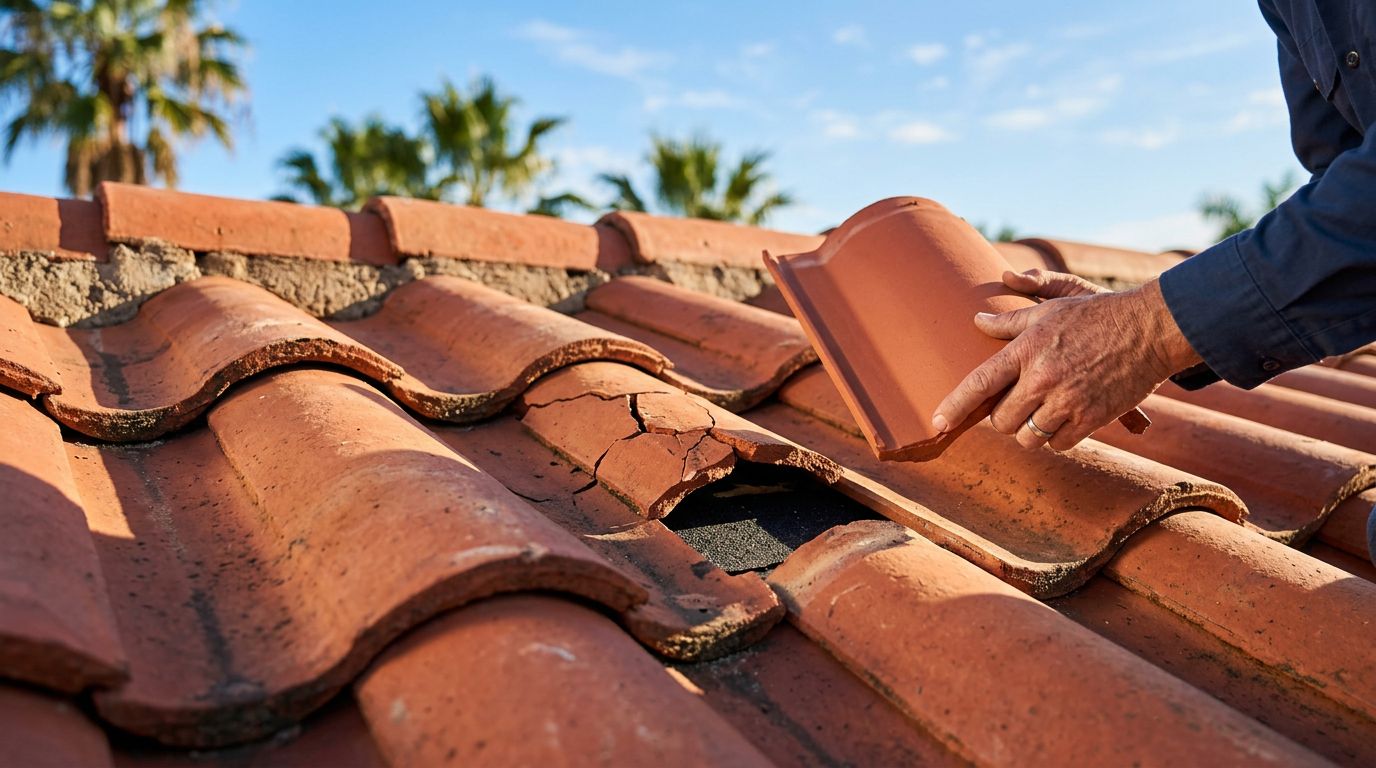
Decking replacement usually happens during a tear-off. Once the old roof covering and underlayment come off, the crew can see the deck clearly and mark damaged sections for removal.
A typical scope looks like this:
- Remove damaged panels (or full sheets) back to solid framing.
- Install new sheathing (commonly OSB or plywood) to the correct thickness for the roof design.
- Fasten the panels with the required nailing schedule and edge spacing.
- Prep for the next layers (underlayment, flashing, and the final roof system).
In Cape Coral, wind performance isn’t just about shingles or metal panels. It’s also about the deck acting as a stable base so the rest of the roof assembly can do its job. That’s why fastening patterns, panel condition, and underlayment details tend to get close attention during inspections.
Many homeowners also ask about “wind upgrades” while the deck is exposed, because it’s the best time to do them. FEMA’s guidance on wind retrofits is a solid educational resource, especially if you’re planning improvements beyond a basic replacement. See the FEMA Wind Retrofit Guide (P-804) for context on how roof connections and assemblies affect performance in high winds.
Permit rules can vary by scope, but structural work usually means permits and inspections. If you want a general overview of how Lee County approaches residential permitting, the Lee County residential building guide is a helpful starting point.
Roof decking replacement cost in Cape Coral, FL (2026 pricing ranges)
In 2026, roof decking replacement in Cape Coral is commonly priced around $2 to $5 per square foot installed for the decking work itself. That number moves based on how much decking is actually replaced, how steep the roof is, how easy it is to access, and whether rot is limited to a few areas or spread across large sections.
Two homes with the same square footage can land in different brackets if one has a simple, low-slope layout and the other has steep pitches, multiple facets, and hidden water damage.
2026 cost breakdown (typical ranges)
| Cost item | Typical range (Cape Coral, 2026) | What drives the number |
|---|---|---|
| Labor | $1.50 to $3.00 per sq ft | Pitch, height, heat, access, tear-off timing |
| Materials (OSB) | $0.50 to $1.20 per sq ft | Thickness, availability, brand |
| Materials (plywood) | $0.90 to $2.00 per sq ft | Thickness, grade, better moisture tolerance |
| Disposal and hauling | $200 to $500 flat | Dump fees, volume, jobsite logistics |
| Permit and inspection fees (if applicable) | $100 to $500 | Scope, municipality, valuation |
| Contingency for hidden rot | 10% to 15% of the decking budget | Damage found after tear-off |
Ballpark example: On a 2,000 square foot roof area, decking work often lands around $4,000 to $10,000 when replacement is widespread. If only a small percentage of sheets are swapped, the total can be much lower, but minimum labor and mobilization costs still apply.
One more cost reality: if framing repairs are needed (not just sheathing), that’s a different line item. A good estimate should separate decking, framing, and the roof system so you can see what you’re paying for. This guide to understanding a roofing estimate in Cape Coral can help you compare bids without getting lost in vague wording.
Conclusion
Roof decking replacement isn’t a “nice-to-have” when inspectors call it out, it’s the base your entire new roof depends on. In Cape Coral’s wind and rain, solid sheathing and correct fastening can make a real difference in how a roof holds up over time.
If you suspect rot or you’re planning a replacement, get a licensed Florida roofing contractor to inspect the deck, explain permit needs, and price the job with a clear contingency for hidden damage . The best time to find weak decking is before the first sheet of roofing comes off, not after the project is already in motion.