Storm Chaser Roofers in Florida: Spot and Avoid Them

Storm Chaser Roofers in Florida: Spot and Avoid Them

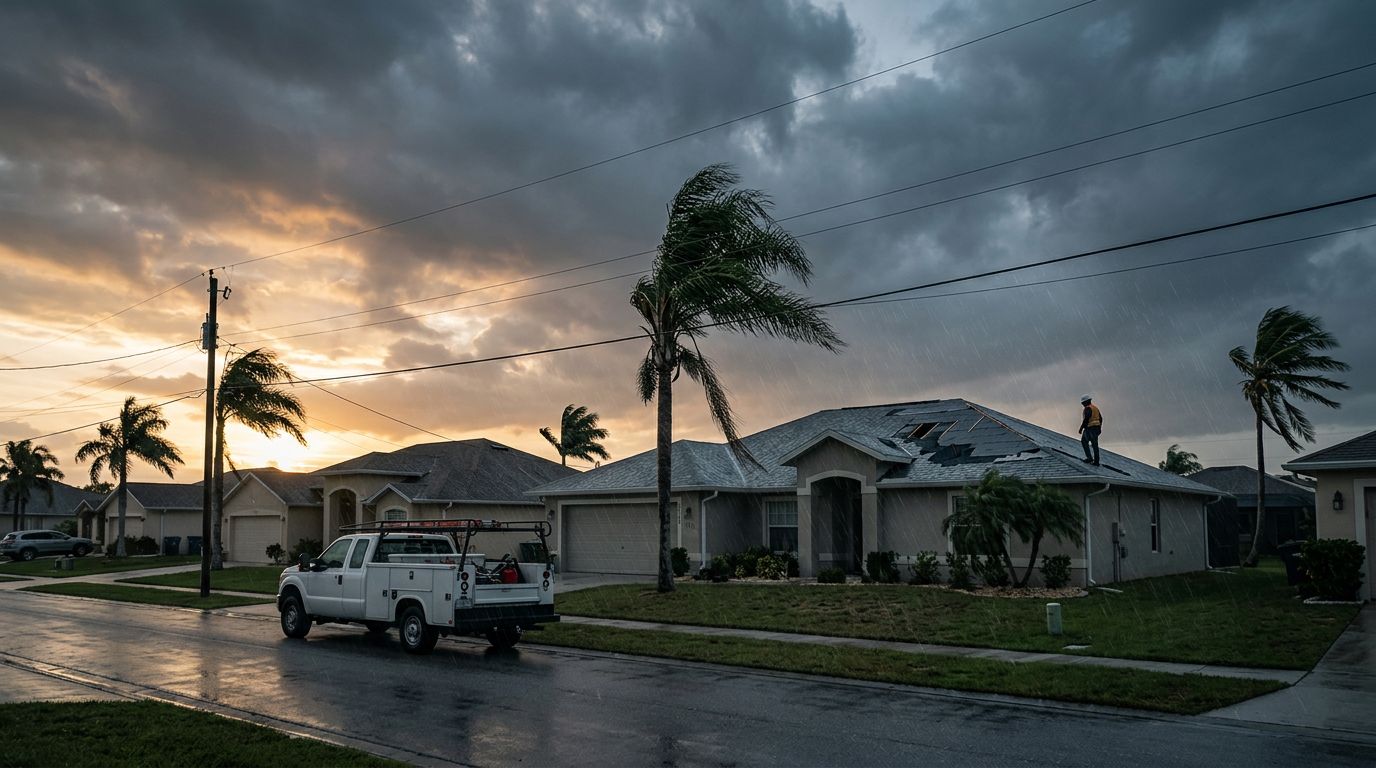
A big storm rolls through your Florida neighborhood. Rain pounds your roof, winds howl, and branches snap everywhere. You worry about damage, but before you climb a ladder, trucks pull up with out-of-state plates. Crews knock, offering quick fixes.

These moments tempt homeowners. Stress runs high after hurricanes. You want protection fast. Storm chaser roofers Florida crews target that fear. They promise easy insurance deals. Yet many leave leaks, empty wallets, and bigger headaches.

Spot their tricks early. Follow simple steps to pick safe contractors. That keeps your home dry and your money secure.

Who Exactly Are Storm Chaser Roofers?

Storm chasers follow bad weather across states. They hit Florida hard after hurricanes. Crews arrive days after storms like recent 2026 systems. They flood areas from Cape Coral to Naples.

Local roofers know Southwest Florida codes. Chasers often skip details. They focus on volume. One job after another, then they drive north. You stay with shoddy work.

Florida sees this every season. Heat, salt air, and wind already test roofs. Chasers exploit chaos. They claim expertise but lack roots here. Always check their history first.

Common Tactics Storm Chasers Pull in Florida

Door-to-door pressure tops their list. They show up unannounced. Crews point to "missing shingles" you never saw. They push urgency. "Sign now or lose your insurance window," they say.

Large upfront payments come next. Florida caps deposits at 10% for most jobs. Chasers demand half or more cash. They vanish after you pay. No work starts.

Vague contracts hide problems. Papers lack material brands or timelines. They promise to "handle everything" with your insurer. That often means inflated claims. Your policy suffers later.

Some bundle scams. They pair roofs with solar panels or extras. Prices jump mid-job. In 2026, fake "contingency agreements" trick claims. Always read every line.

Red Flags That Scream Storm Chaser

Out-of-state trucks signal trouble. Look for magnetic signs that peel off easy. No local office? Walk away. Real pros list addresses in Cape Coral or Fort Myers.

They skip licenses. Florida requires DBPR certification for roof work over $500. Verify at myfloridalicense.com. Chasers show fake badges or dodge questions.

Pressure sells fast. "Today-only deals" ignore Florida's three-day cancel right. Good roofers give time to think. Check Florida roofing contract red flags before you sign for more warnings.

No insurance proof raises alarms. Demand liability and workers' comp certificates. Call the carrier to confirm. Uninsured crews leave you paying accident bills.

Questions to Ask Before Hiring Any Roofer

Vet every contractor. A short list separates pros from chasers. Ask these:

  • Do you hold a current Florida DBPR roofing license? Show the number.
  • Can you provide insurance certificates? Verify limits meet state rules.
  • What's your local address and phone? Years in Southwest Florida?
  • Will you pull permits for my Cape Coral-area home? See our roof repair permit guide for Cape Coral.
  • Describe the scope: materials, tear-off, underlayment?
  • What's the payment schedule? No more than 10% down.
  • How do you handle change orders or weather delays?

Use this as a checklist. Jot answers. Compare three bids. Solid replies build trust.

Key Check Why It Matters
License number Proves state approval
Local office Shows community ties
Permit plan Meets Florida codes
Itemized bid Avoids surprises

Takeaways stay simple. Multiple yeses mean go ahead. Hesitation? Find another.

Document Everything If You Spot a Scam

Suspicion hits? Act quick but calm. Snap photos of trucks, workers, flyers. Note license plates and names.

Save all papers. Contracts, texts, emails. Track payments with receipts. Florida law helps recover funds if fraud proves out.

Report to DBPR online. File with local sheriff too. Your insurer needs details for claims. Photos prove damage before and after.

Poor work shows fast. Leaks return. Call licensed locals for fixes. Learn to read a Florida roofing estimate line by line next time.

Keep records five years. They aid sales or disputes. Neighbors benefit from your story.

Why Local Roofers Beat Chasers Every Time

Established crews serve Fort Myers, Naples, Estero. They face daily storms. Knowledge runs deep on tile, shingle, metal systems.

Free inspections come standard. No high-pressure close. They guide insurance right. Quotes match real costs.

After 2026 storms, stick close. Verify licenses yourself. Demand details in writing. Your roof lasts longer that way.

Chasers chase storms. Locals protect homes.

Storms pass, but smart choices last. You spot chasers now. Practical steps shield your family. Florida homes stay strong when you choose wisely. Stay vigilant next rain.

By Infinity Roofing May 11, 2026
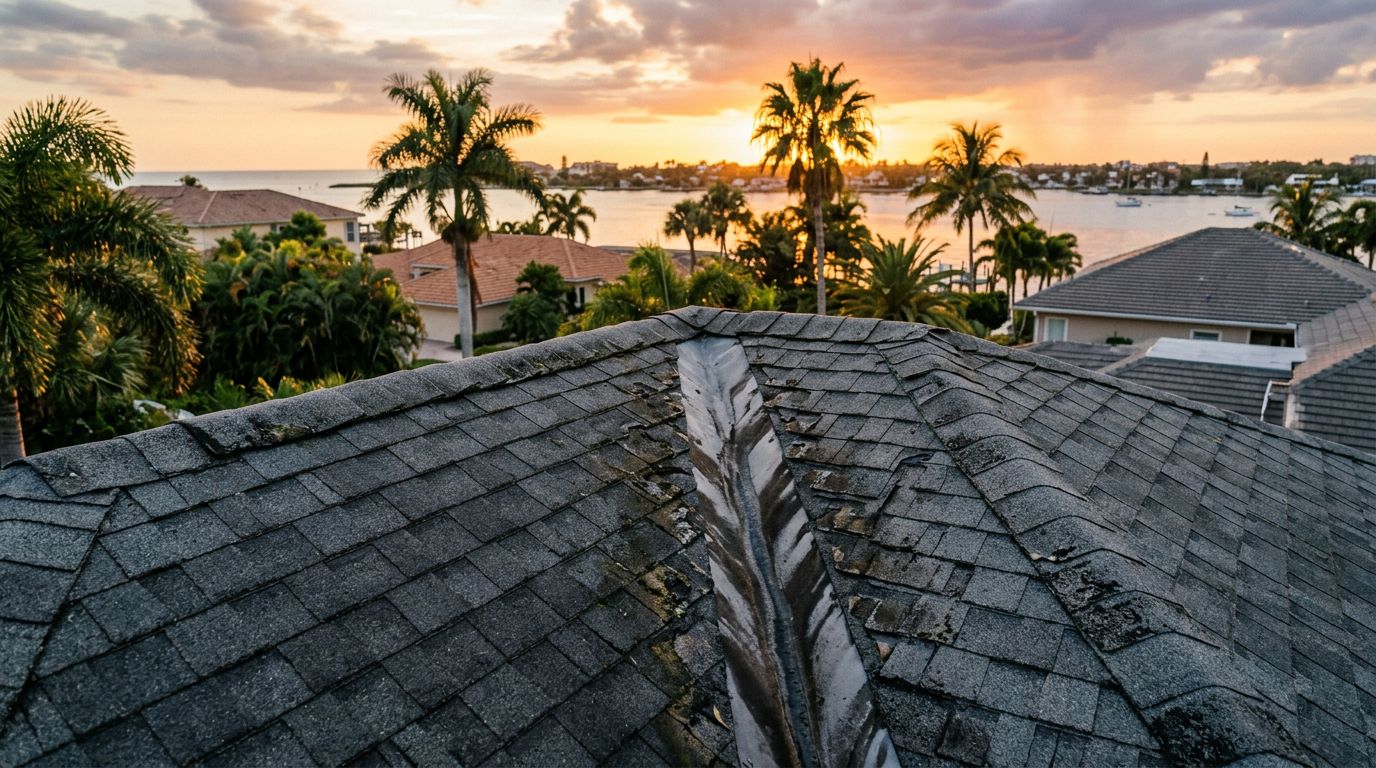
One small leak in a roof valley can turn into a big mess fast, especially in Cape Coral. Valleys carry a lot of rainwater, so when they fail, water often finds the easiest path into your home. Heavy downpours, hurricane winds, and year-round humidity put extra pressure on this...
By Infinity Roofing May 10, 2026
A Florida roof claim can look simple until the estimate, deductible, and policy language land on the same table. A repair that feels expensive may still be cheaper than filing a claim, while a bigger storm loss can be a poor time to guess. In Florida, the right choice depends...
By Infinity Roofing May 9, 2026
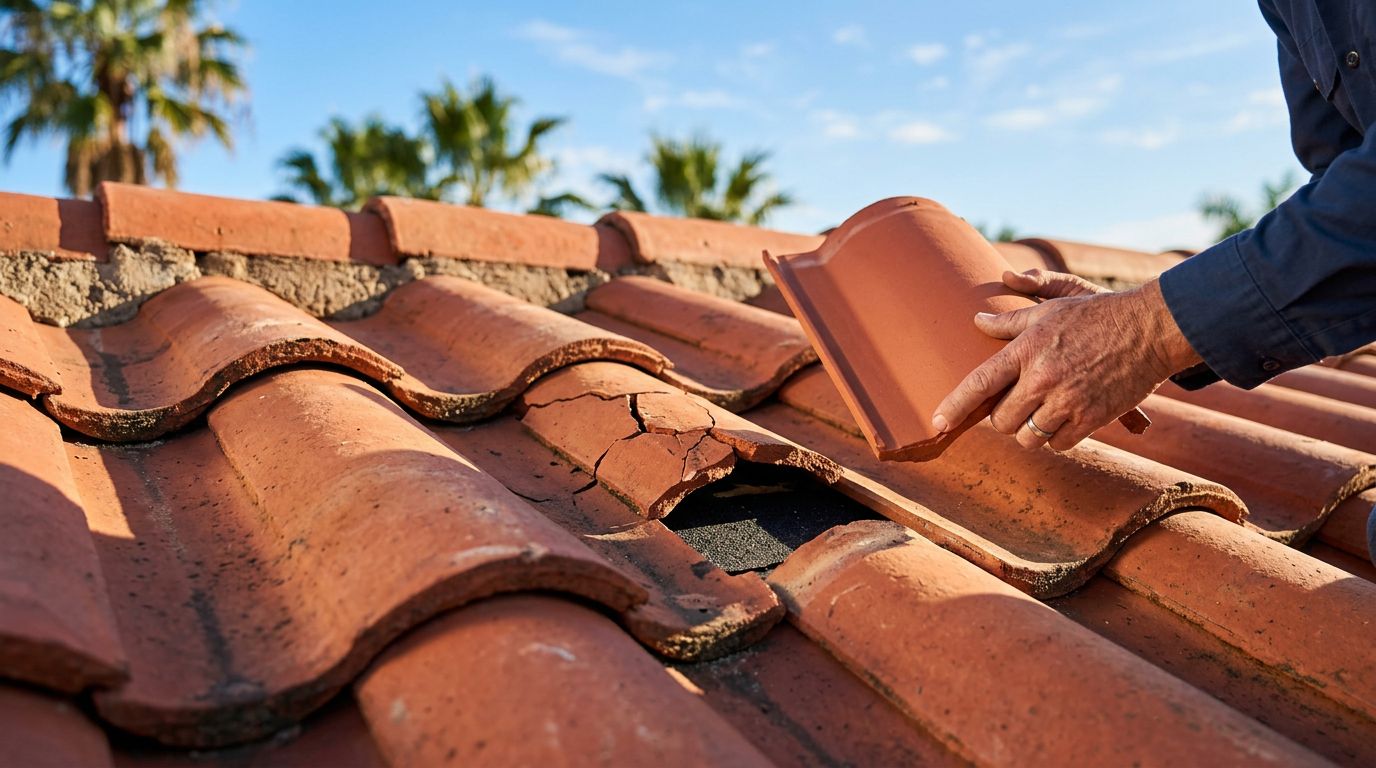
A cracked tile on a Florida roof can look small from the ground, but it can open the door to leaks fast. Wind-driven rain, heat, and salt air put extra stress on tile roofs, so even one damaged piece deserves a close look. Yes, broken roof tiles in Florida can often be replace...
By Infinity Roofing May 8, 2026
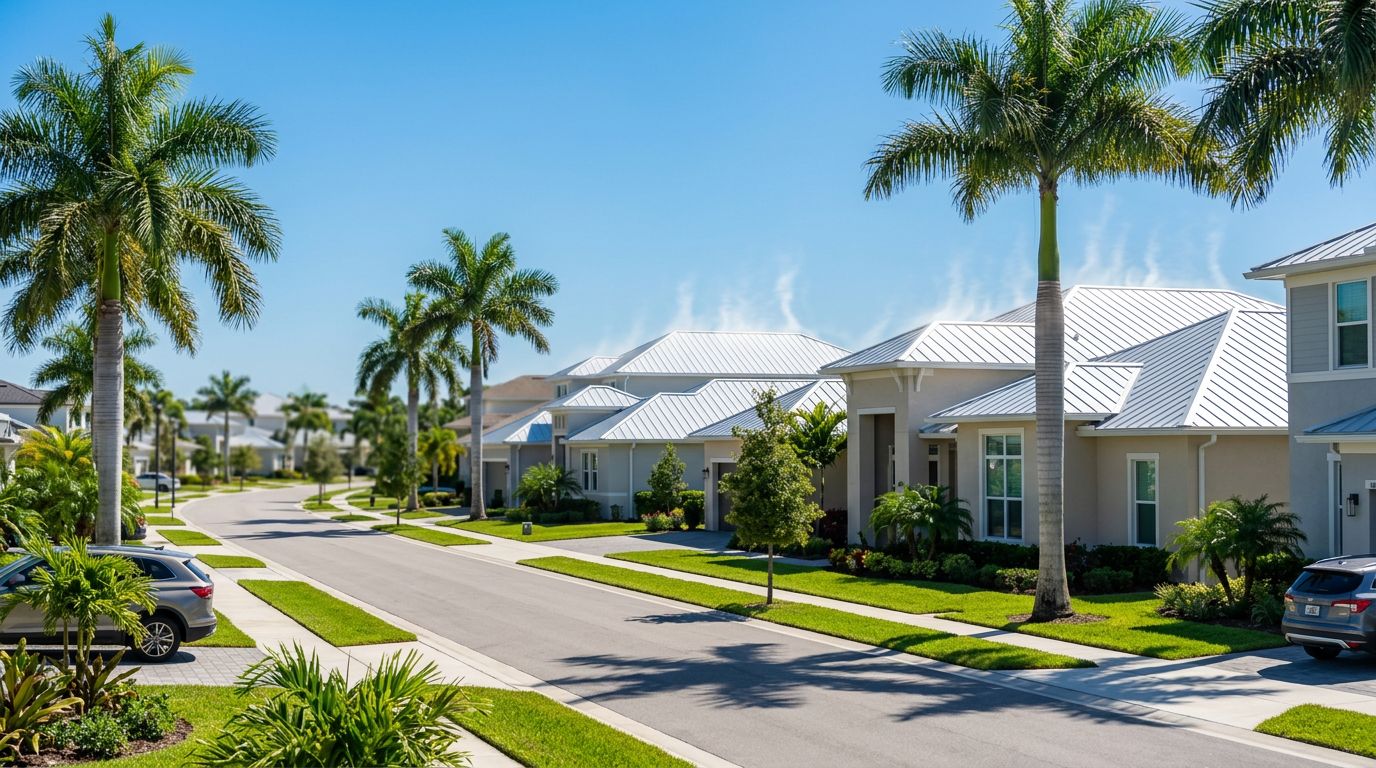
A hot roof can make a home feel hotter, so it's fair to wonder if metal is part of the problem. In Florida, that concern comes up a lot, but the answer is clearer than most people think. Metal roofs do not inherently make homes hotter , and in many cases they help reduce heat...