New Construction Roofing Timeline In Cape Coral From Dry-In To Final

New Construction Roofing Timeline In Cape Coral From Dry-In To Final

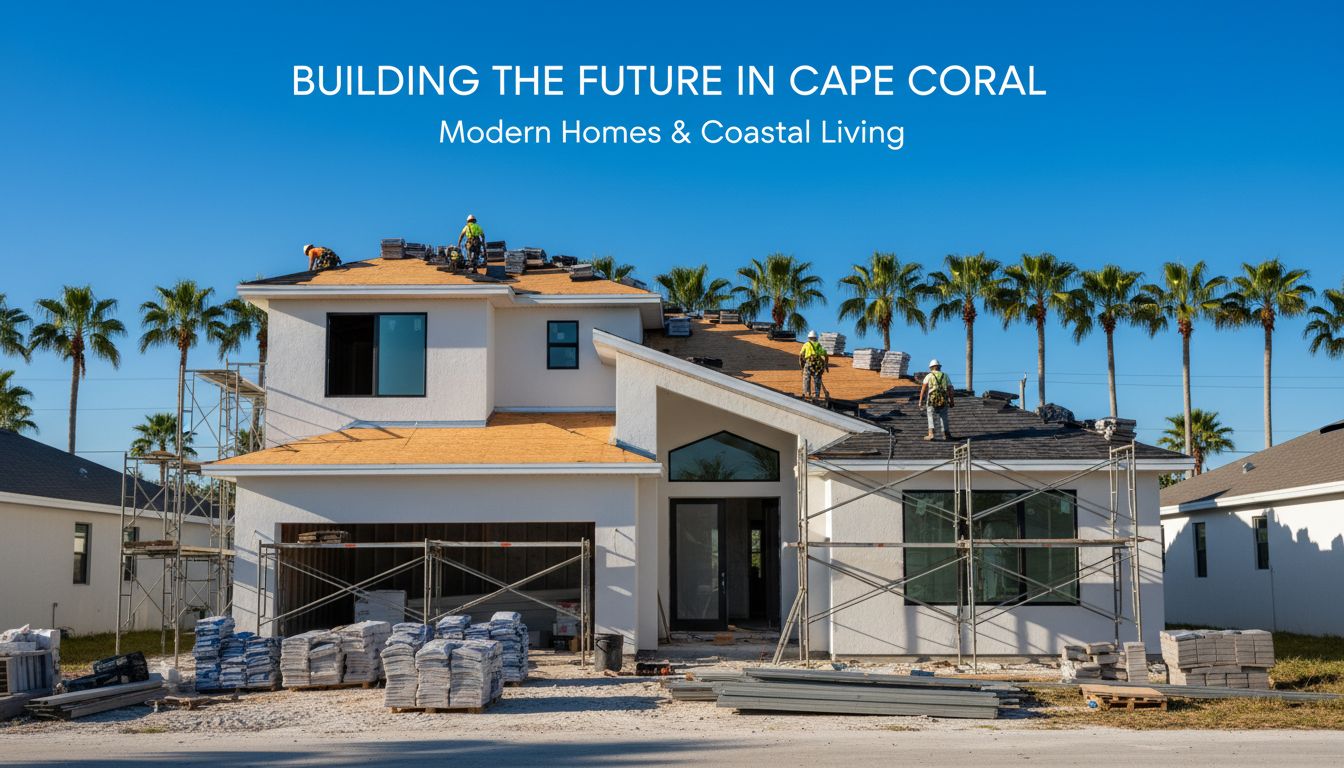
A new roof on a new home feels like a finish line, but it's really a sequence of checkpoints. In Cape Coral, the dry-in milestone is the big one, because it's when the structure first becomes reliably weather-protected.

This guide walks through a realistic cape coral roofing timeline from dry-in to final, including what must be done before each step, who's responsible (builder vs. roofer), and how inspections, weather, and scheduling can shift the calendar.

If you're planning a build and want a roof that moves with the job (not against it), it helps to know what "normal" looks like.

What needs to happen before roofing can start

Roofing can't begin just because materials arrive. The roof crew needs a stable deck, safe access, and approved plans. When any of those pieces lag, the whole schedule stretches.

In most new builds, the builder controls readiness. The roofing contractor controls installation quality, material staging, and inspection prep. Coordination between the two is where timelines are won or lost.

Here's what usually must be complete before the roof can be dried-in:

  • Roof framing is finished : Trusses or rafters are set, braced, and ready for decking.
  • Roof deck is installed : Sheathing is fastened correctly, clean, and dry.
  • Dry conditions (or a clear weather window) : Wet decking can slow underlayment work and inspection approval.
  • Site access is workable : Driveway area, staging space, and a safe path for crews and deliveries.
  • Material selections are locked : Shingle, metal, or tile details matter early (especially for flashing and penetrations).
  • Permitting and documents are in motion : The builder often starts the permit process, while the roofer supplies system details and product paperwork as required.

Time range: this pre-roof phase varies widely, but once framing is complete, roofing can often start within 2–7 days , depending on trade schedules and permit status.

If you want a deeper look at how a roofer typically supports builders on new builds, see New Construction Roofing Cape Coral.

Dry-in in Cape Coral: what it means and what's inspected

Think of dry-in like putting a sealed lid on a container. The house isn't finished, but rain should no longer be able to soak the interior framing and sheathing.

In Cape Coral new construction, dry-in generally means the roof has the required waterproofing layers and key flashings installed so an inspector can verify the roof system is on the right track. The final roof covering might not be complete yet, especially with tile or certain metal systems.

A typical dry-in scope includes (exact details vary by roof type and design):

  • Underlayment installed correctly : Laid flat, fastened per spec, and sealed at overlaps where required.
  • Drip edge and edge details : Installed where required to manage water at the roof perimeter.
  • Valley protection : Critical areas get extra attention because they carry heavy water flow.
  • Penetration prep : Pipes, vents, and other roof openings get proper boots or flashing bases.
  • Starter course and initial layout (for shingles) : Helps confirm the roof will install straight and secure.

Dry-in isn't "almost done." It's "weather-resistant enough to keep the build moving," as long as nobody damages the roof layers after inspection.

Time range: for many homes, dry-in work can happen in 1–3 days . Smaller or simpler roofs may dry-in the same day . Tile roofs and complex layouts can take longer, often 2–5 days to reach an inspection-ready dry-in stage.

What can shift dry-in timing?

  • Rain and wind : Crews can't safely handle large sheets, underlayment, or tile in bad weather.
  • Inspection availability : Even when the roof is ready, the inspection might land 1–3 business days later.
  • Last-minute changes : Moving a vent stack or adjusting framing after dry-in can mean rework.

From dry-in to finished roof: what gets installed, and how long it takes

After dry-in, the roof moves from "protected" to "complete." This stage is where homeowners notice progress fast, but it's also where details matter most. Flashing, fastening, sealing, and ventilation choices affect leak risk, wind performance, and how the roof ages.

In many projects, the builder keeps other trades coordinated (framing corrections, fascia work, vent locations, schedules). Meanwhile, the roofer focuses on the roof covering, flashings, and manufacturer requirements.

A few common responsibilities split out like this:

Builder typically handles

  • Final placement of roof penetrations (with trades), framing corrections, and site access.
  • Scheduling other work so the roof isn't cut, drilled, or damaged after it's finished.

Roofing contractor typically handles

  • Shingles, tile, or metal installation, plus accessories (flashings, boots, ridge caps).
  • Quality checks, cleanup, and inspection readiness.

The roof type changes the pace. This quick table shows realistic on-site ranges after dry-in.

Roof system Typical on-site time after dry-in Common reasons it runs longer
Asphalt shingles 1–3 days Weather delays, complex valleys, inspection scheduling
Standing seam or exposed-fastener metal 3–7 days Custom fabrication, flashing detail work, wind conditions
Concrete or clay tile 1–2 weeks Tile loading/handling, mortar/adhesive cure needs (when used), layout complexity

Takeaway: shingles usually finish quickest, tile usually takes the longest, and metal often falls in the middle (especially when fabrication and trim details are involved).

Even after dry-in, crews may pause so other items line up. For example, if vent caps, skylights, or special flashings arrive late, the roof can't be completed correctly without them.

Final inspection, punch list, and "done" means the permit is closed

A roof can look finished and still not be "final" in the paperwork sense. For new construction, you want the roof to pass inspection and the permit to close cleanly. Otherwise, closings and final approvals can get complicated.

Final steps usually include:

  • Finish all flashings and penetrations : Pipe boots, wall flashings (if present), and ridge details must match the approved system.
  • Ventilation completed : Ridge vents, attic vents, or other components are installed per plan.
  • Seal and secure accessories : Caps, terminations, and fasteners are checked for watertightness.
  • Site cleanup : Debris is removed, and the area is checked for nails and scraps.
  • Final inspection is scheduled : The builder often requests it, and the roofer supports with required documentation.

Here's a simple homeowner-friendly punch list you can ask about during a walk-through:

  • Straight lines and even layout : Courses should look uniform with clean ridge and hip lines.
  • Neat flashing work : Flashings should sit flat and look intentional, not patched.
  • Penetrations look sealed : Boots and caps should be snug, with no obvious gaps.
  • No leftover materials on the roof : Stray tile, wrap, or fasteners can cause damage later.

If a permit stays open, "almost done" can still hold up the next phase of the build. Make sure final inspection and closeout are part of the schedule, not an afterthought.

Time range: the last stretch from "roof looks done" to "final approved" is often 2–7 days , but it can extend to 1–2 weeks if inspections book out or weather interrupts final detailing.

Conclusion

A cape coral roofing timeline from dry-in to final usually moves fast once the roof is ready, but it still depends on weather, inspections, and clean coordination between trades. Dry-in protects the structure, then the finish work locks in the roof's long-term performance. If you're building in Cape Coral, ask your builder and roofer to map the next steps in writing, including inspection targets and who owns each task. A clear plan is the easiest way to protect your new roof and your move-in date.

By Infinity Roofing February 25, 2026
Picking a roof in Florida isn't only about color, warranty, or style. It's also about paperwork that keeps your permit moving and your install legal. Two terms come up fast: Miami-Dade NOA Florida approval and Florida Product Approval. They sound similar, so homeowners often a...
By Infinity Roofing February 24, 2026
A roof problem rarely starts with a dramatic hole. More often, it's a small ceiling stain, a few shingles in the yard, or a drip that only shows up during sideways rain. For Cape Coral homeowners, the real decision is usually roof repair vs replacement . Both can be the right...
By Infinity Roofing February 23, 2026
If your insurance company asked for a 4 point inspection roofing report, it can feel like you're being tested on a subject you didn't sign up for. You're not alone. In Cape Coral, carriers often request a 4-point inspection on older homes before they'll start or renew a policy...
By Infinity Roofing February 22, 2026
Ever step into your house after it's been closed up all day and feel that wave of heat? In Cape Coral, your roof plays a big part in that feeling. Color matters because the roof is like a beach towel in the sun. A dark one soaks up heat, a light one sends more of it back. If y...