Florida Roof Replacement Rule: The 25% Rule Explained

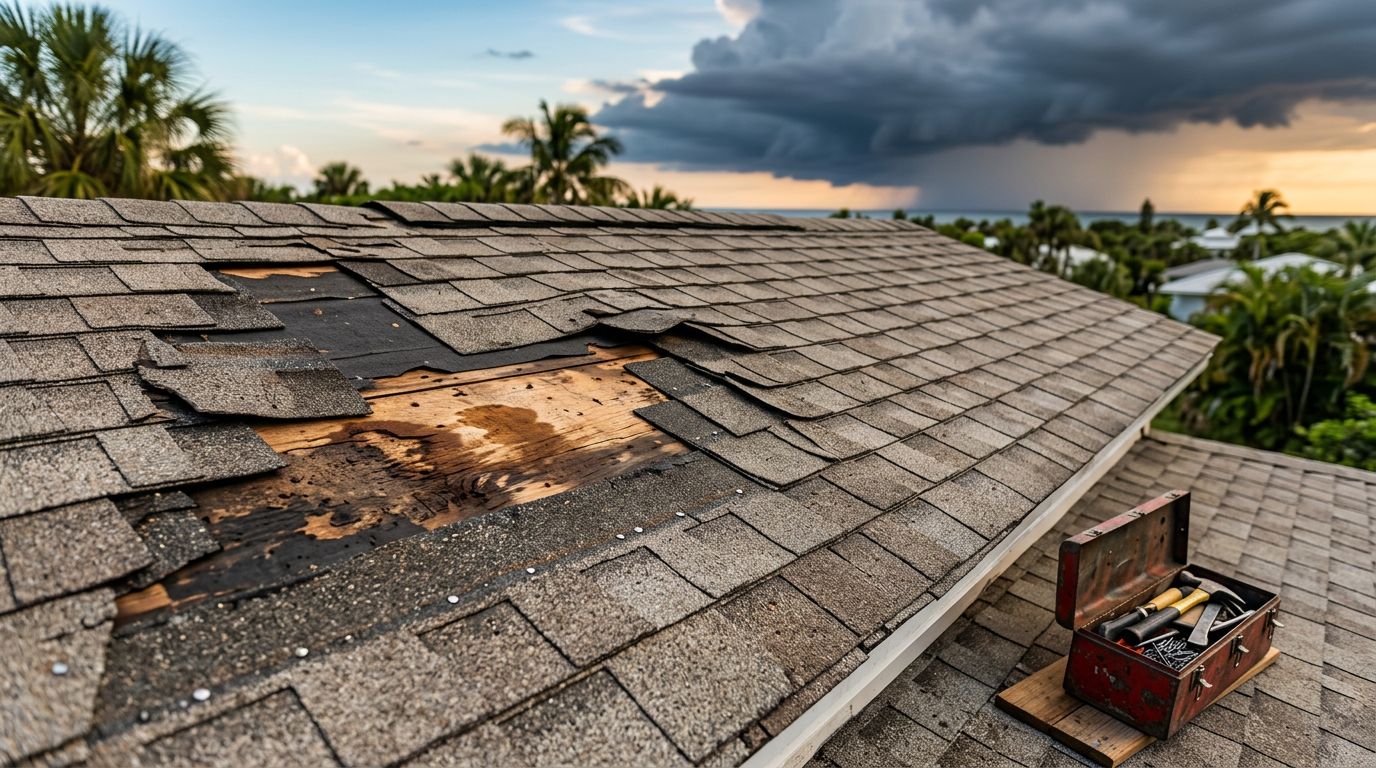
A roof leak after a Florida storm can turn into a much bigger conversation than most homeowners expect. You call for a repair, then someone mentions the 25% roof rule , and suddenly you are wondering if a patch job could become a full replacement.
As of April 2026, the Florida roof replacement rule still matters, but it is often misunderstood. The biggest point is simple: the old "25% means full replacement" line is not always true anymore, because permit date and code history can change the answer.
What Florida's 25% roof rule means in 2026
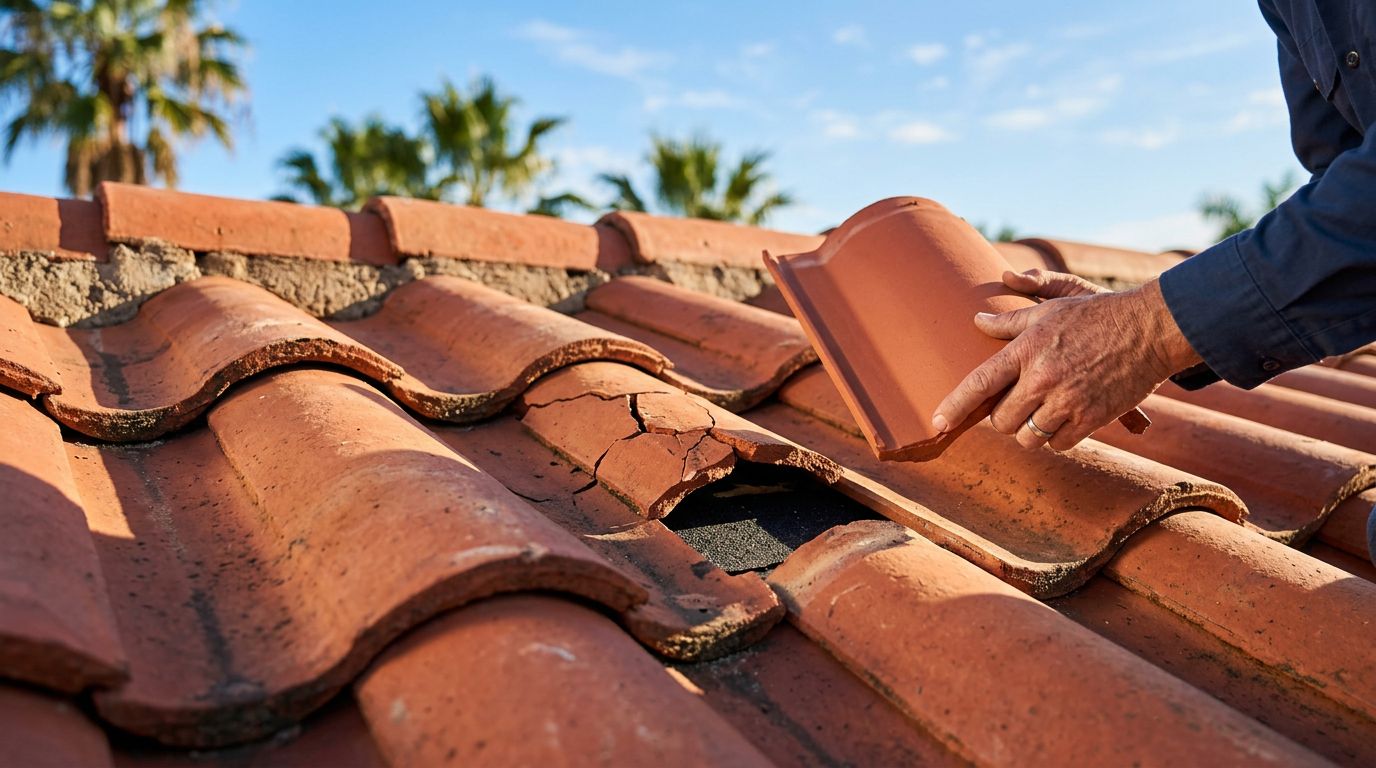
Florida's building code has long said that if more than 25% of a roof area or roof section is repaired, replaced, or recovered within a 12-month period, the whole roof system or roof section must be brought up to the current code. Homeowners usually hear this as the "25% rule." The language comes from the Florida Building Code, Existing Building section on reroofing.
That sounds strict, and for some homes it still is. However, state law changed how this rule applies to many newer roofs. Under Florida Statute 553.844, roofs that were built, repaired, or replaced in compliance with the 2007 Florida Building Code are treated differently. In practical terms, many roofs permitted on or after March 1, 2009 may qualify for partial repair without forcing a full replacement.
That date matters more than most homeowners realize. If your roof was permitted after that point, the damaged area may be repaired without replacing the rest, as long as the rest of the roof is otherwise serviceable and the local building official agrees.
This quick table shows the general idea:
| Roof permit timing | Damage or repair scope in 12 months | Likely code result |
|---|---|---|
| Before March 1, 2009 | More than 25% | Full code-compliant replacement is often required |
| On or after March 1, 2009 | More than 25% | Partial repair may be allowed, depending on code compliance and local review |
| Any age | 25% or less | Repair is often possible, if the roof is otherwise in good condition |
The key word is "likely." Your roof type, permit records, and local enforcement still matter. Tile, shingle, and metal systems can raise different issues. So can prior repairs.
The biggest mistake is assuming the 25% rule works the same way for every roof in Florida. It does not.
If you are trying to sort out partial work versus full replacement, this guide on partial roof replacement limits in Cape Coral gives a helpful local example of how the rule can play out.
When a repair turns into a full replacement
Even with the post-2009 exception, full replacement still happens often. Older roofs are the clearest case. If your roof predates March 1, 2009 and damage crosses that 25% mark within 12 months, a full replacement may be the only code-compliant path.
The 12-month part catches many people off guard. Repairs add up. If you fixed one area after a spring storm and another area after a summer storm, the combined work can count toward the threshold. A roof that looked repairable in January may cross the line by October.
The phrase "roof section" matters too. On some homes, one connected area is treated as a section even if the damage looks isolated. That is why a contractor should not guess from the ground. Permit history and inspection notes tell a much clearer story.
Code is only part of the decision. Age, brittle materials, worn underlayment, failed flashing, and repeated leaks can push a repair into replacement even before the 25% rule does. In other words, a legal repair is not always a smart repair. If the roof is near the end of its life, patching one side may only buy a little time.
Permits matter as well. Large repairs and reroofs usually need them, and the project is not truly finished until the final inspection is closed out. If you have never been through that step, the roof final inspection process in Cape Coral explains what local inspectors are checking.
You may also see conflicting posts online about whether Florida changed the threshold. That confusion is one more reason to verify your own roof's permit date and talk with your building department before you sign a contract.
Insurance does not follow the code in a simple way
Homeowners often assume building code and insurance rules are the same thing. They are not. Code decides what work is allowed. Insurance decides what a carrier may cover, require, or ask to inspect.
That difference matters. A storm claim may cover damaged areas, but code upgrades can still affect the size and cost of the job. Your deductible, policy language, and whether the loss is covered will shape the final numbers.
Florida law gives homeowners some protection on older roofs. Under Florida Statute 627.7011, as of 2026 an insurer generally cannot deny or refuse to renew a homeowners policy only because a roof is under 15 years old. Once a roof reaches 15 years, the carrier can ask for an inspection. If that inspection shows at least five years of useful life left, age alone usually should not be the reason for denial or nonrenewal.
That does not mean every older roof is safe from insurance trouble. Condition still drives the outcome. Missing shingles, active leaks, soft decking, poor repairs, or visible wear can create problems even when the age rule helps.
If your roof is getting older, it helps to review Florida homeowners insurance roof age rules for 2026 before you decide between repair and replacement. A recent inspection can save you from guessing, and it gives you something solid to show your insurer.
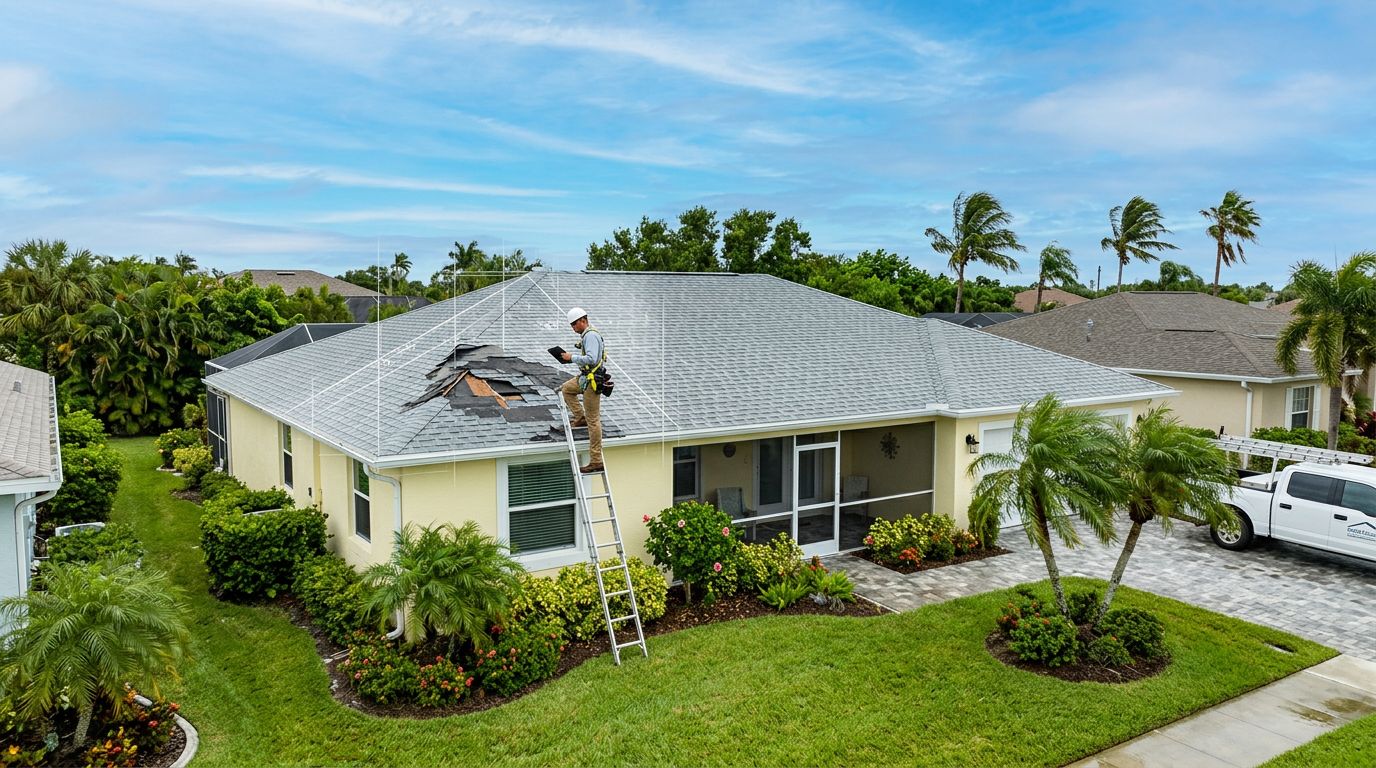
For most homeowners, the smart order is simple. First, confirm the roof's permit date. Next, get a licensed Florida roofer to inspect the roof and document the damaged area. Then, check with your local building department and your insurer before approving major work. That extra step can prevent an expensive surprise.
Conclusion
The strongest takeaway is this: Florida's 25% roof rule still matters, but it no longer means the same thing for every home. Permit date is often the first fact that tells you whether a repair may stay a repair or turn into a full reroof.
Because code and insurance rules can change, do not rely on a neighbor's story or a random post online. Verify the details with your local building department, your insurer, and a licensed Florida roofing professional before you move forward.