Emergency Roof Tarping in Cape Coral: 2026 Pricing and Realistic Timelines

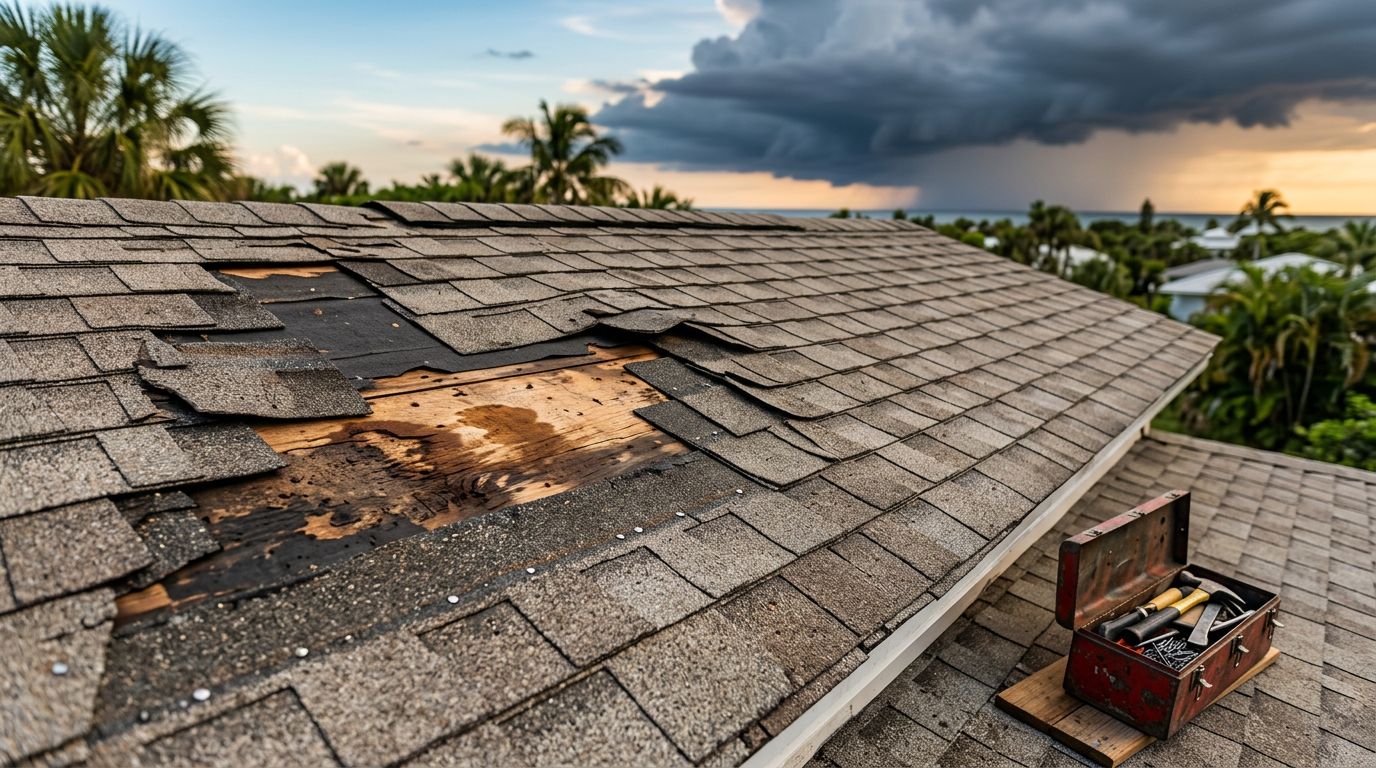
A roof leak during a Florida downpour feels like trying to hold back a river with a paper towel. The goal isn't perfection in the moment, it's emergency roof tarping that stops more water from getting inside until repairs can happen.
This guide breaks down what Cape Coral homeowners can expect in 2026: price ranges, what drives costs up or down, and how long it usually takes to get a tarp in place, especially when storms hit the whole area at once.
Most importantly, it covers what you can do inside the home right now, without risking a fall by climbing on the roof.
What emergency roof tarping does (and what it doesn't)
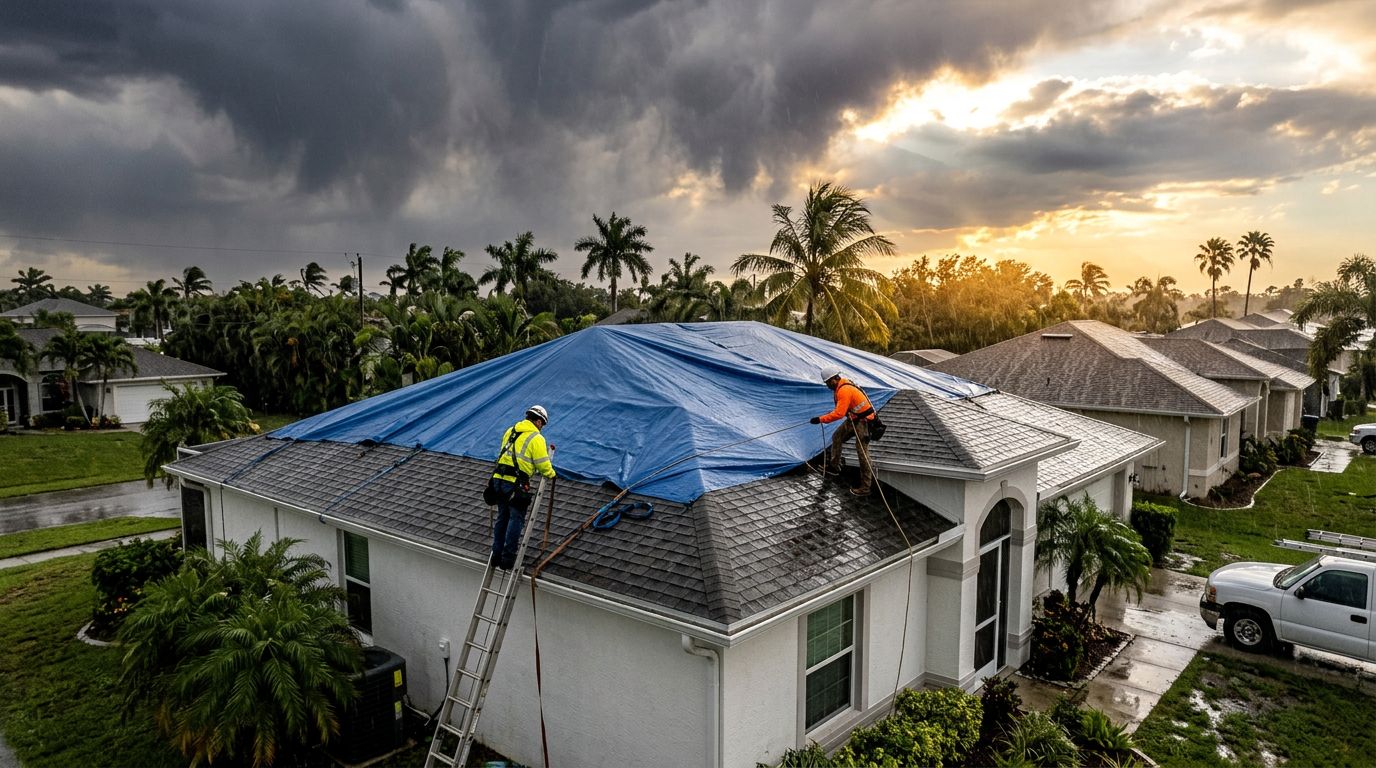
Emergency roof tarping is temporary weather protection. A contractor covers damaged areas with heavy-duty tarp, then secures it so wind and rain can't peel it back. Think of it like putting a tight lid on a spilled drink before it soaks the whole couch.
A proper tarp job usually includes:
- A quick damage check from safe access points (often from the ground, ladder, or attic if safe).
- Removing or pinning down loose roofing that could flap and tear the tarp.
- Placing the tarp to shed water downhill, not trap it like a bowl.
- Fastening and sealing edges, so wind-driven rain can't sneak underneath.
- Photos and notes, so you can document the loss.
What it doesn't do is "fix" the roof. Water can still travel under roof materials, and new leaks can show up elsewhere. Also, tarps don't last forever in sun and wind. They buy time, often weeks, sometimes longer, but they're not a substitute for repair.
If you have active leaking or storm damage, it helps to plan for both steps: temporary protection now, then permanent repair as soon as materials and crews are available. For help understanding what permanent fixes might look like, see emergency roof repairs in Cape Coral.
If a contractor tells you a tarp is "all you need," treat that as a warning sign. A tarp is a pause button, not the end of the story.
Emergency roof tarping pricing in Cape Coral (2026 ranges)
In 2026, emergency roof tarping in Cape Coral commonly falls in these ranges:
- Typical total range: $150 to $3,000
- Most common jobs: $300 to $1,500
- Per square foot (damaged area, not whole roof): about $0.70 to $2.80 per sq ft
Those numbers move fast after a widespread storm. When everyone needs help at once, crews get booked, suppliers run low, and after-hours calls stack up. In those conditions, it's normal to see rush pricing 30% to 100% higher , especially nights, weekends, and holidays.
A contractor can't quote accurately from a ceiling stain alone. Water may be entering at one spot and showing up ten feet away. Roof height, pitch, and access also matter because safety setup takes time.
Cost drivers that push tarping up or down
- Size of the damaged area: Larger openings take more tarp, more fastening, and more labor.
- Roof pitch and height: Steep, two-story roofs usually cost more due to safety gear and slower movement.
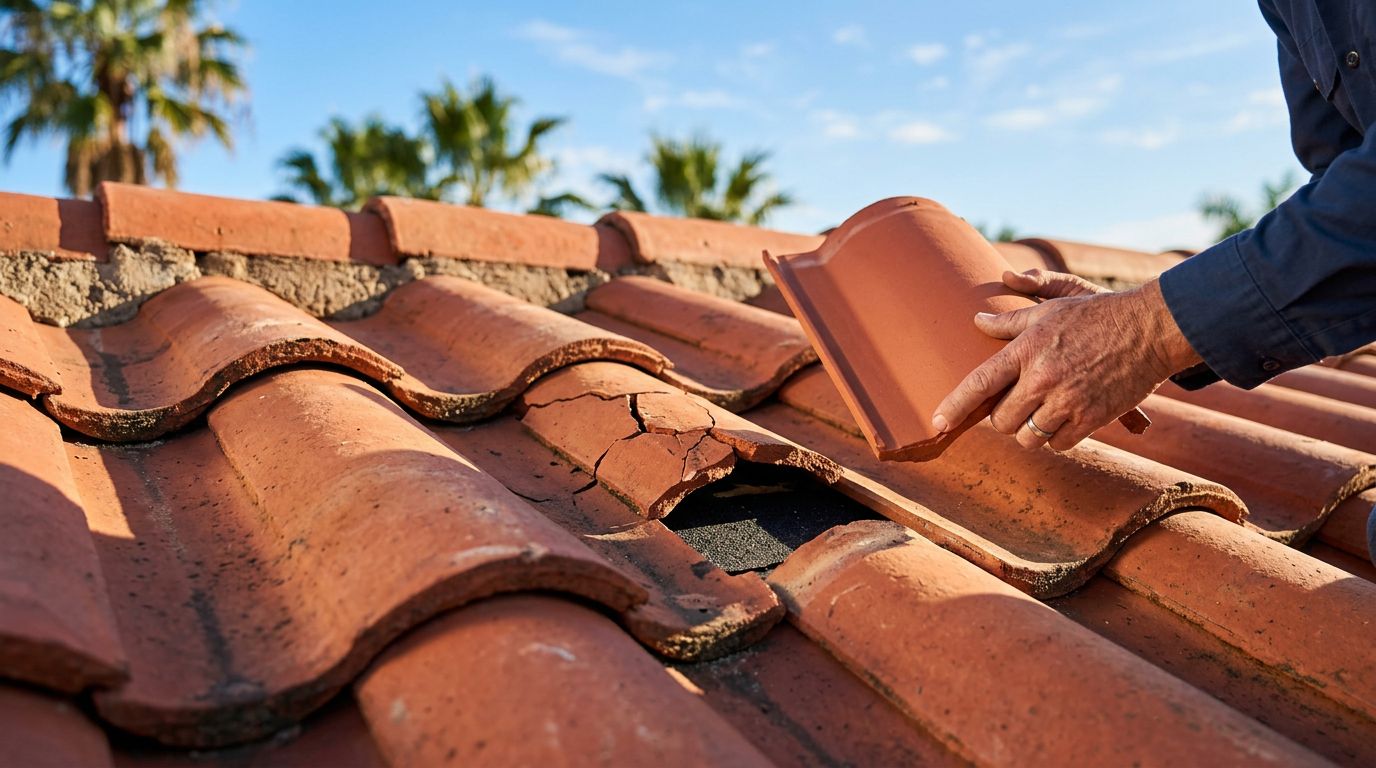
- Roof material and fragility: Tile and some metal systems need extra care to avoid more breakage.
- Access issues: Tight lots, pool cages, landscaping, and limited driveway space can slow setup.
- Complex roof geometry: Valleys, hips, skylights, and multiple penetrations take longer to seal.
- How wet and windy it is: Crews may wait until conditions are safe, or return when weather eases.
- After-hours timing: Nights and weekends often add a trip charge or higher labor rates.
- Post-storm demand: After a major hurricane, timelines and pricing can change daily.
If you're also trying to budget the next step, this overview of roof repair cost in Cape Coral can help you think through what may come after the tarp.
How long it takes: a typical Cape Coral tarping timeline
On a normal week, many tarping calls can be handled quickly. After a major storm, "quickly" changes meaning. Safety comes first, crews can't work on slick roofs in high wind, and travel can be slow due to debris.
Here's a realistic timeline most homeowners can use for planning:
| When you call | What's realistic in Cape Coral | What you should do meanwhile |
|---|---|---|
| Same-day (no widespread storm) | Often possible if conditions are safe | Contain interior water, document damage |
| 24 to 72 hours (typical storm weekend) | Common window for many homes | Keep mitigating, save receipts and photos |
| 1 to 2+ weeks (after major hurricanes) | Normal due to backlog and supply limits | Maintain temporary protection, prevent mold |
The takeaway: your timeline depends as much on area-wide demand as it does on your roof. After a hurricane, even responsible contractors triage by severity, active interior leaking, and safe access.
After major storms, "we can be there tomorrow" might be true for one neighborhood and impossible for another. Ask for a realistic window, then plan your interior protection around it.
Insurance documentation and how to limit interior damage while you wait
Most insurance policies expect you to prevent further damage when it's safe to do so. That doesn't mean climbing on the roof. It means taking reasonable steps inside the home and keeping clear records.
Insurance documentation checklist (simple, but powerful)
Keep a single folder on your phone and email copies to yourself.
- Wide and close-up photos of roof damage from the ground, plus interior leaks and stained ceilings.
- Video walkthrough showing each room affected, narrated with dates and what happened.
- Before and after tarp photos , including the full roof slope if visible.
- Invoices and receipts for tarping, emergency materials, and any water mitigation.
- Materials used (tarp type, fasteners, sealing method), shown on the invoice if possible.
- Mitigation steps taken , such as shutting off power to wet areas, moving items, and drying efforts.
Just as important, write down a short timeline. Note the storm date, when the leak started, and when you called for help. Small details are easy to forget later.
Preventing more damage indoors (without risking your safety)
Stay off the roof. Falls happen fast, and wet tile or steep shingles are dangerous.
Instead, focus on what you can control:
- Catch water and relieve pressure: Put buckets under drips. If a ceiling bulge forms, place a bucket under it and call a pro. Don't poke holes unless a water mitigation specialist tells you to.
- Protect belongings: Move furniture and rugs away, then cover what you can't move with plastic.
- Dry the area: Run fans and, if available, a dehumidifier. Keep the HVAC running if it's safe, because humidity control helps slow mold.
- Watch electrical hazards: If water is near outlets, lights, or your panel, turn off power to the affected area and call an electrician.
- Limit foot traffic: Wet floors and swollen wood can get slippery and unstable.
Once the immediate leak is contained, it's smart to think ahead. When repairs are complete, roof upgrades and wind-resistant details can reduce the odds of a repeat. This local guide on hurricane-proofing your Cape Coral roof explains practical options without hype.
Conclusion
Emergency roof tarping in Cape Coral is about stopping the bleeding, not finishing the repair. In 2026, most homeowners should expect $300 to $1,500 for typical tarp work, with higher ranges when access is hard or demand spikes after storms. Timelines can be same-day on calm weeks, but after major hurricanes, waits of 1 to 2+ weeks are common.
Keep your family safe, stay off the roof, document everything, and focus on mitigation inside the home while you wait. The tarp buys time, what you do with that time protects the rest of your house.